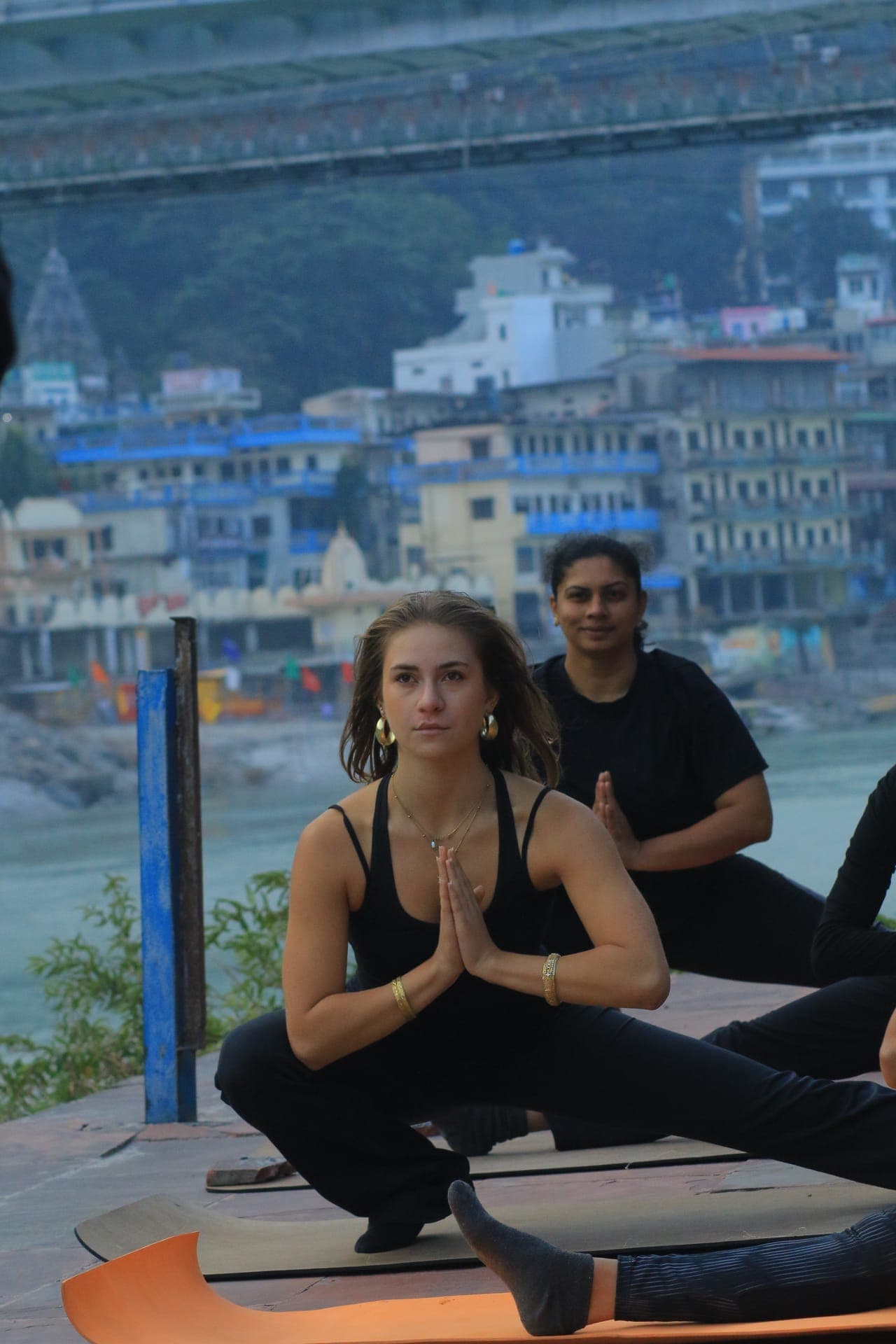
The idea of sitting still and quieting the mind can feel impossibly daunting when you are just starting out. Your thoughts race, your body fidgets, and five minutes feels like an hour. But here is the truth that experienced meditators rarely share: it felt exactly the same for them at the beginning. The key to building a lasting meditation practice is not willpower or talent but finding the right technique for your temperament. This guide introduces ten proven meditation techniques for beginners so you can experiment, discover what resonates, and build a practice that genuinely transforms your daily life. At Swaastik Yog School in Rishikesh, we teach all of these methods as part of our immersive programs, and we have watched thousands of students go from skeptics to dedicated meditators.
Whether you are preparing for a 7-day retreat or simply curious about where to start, this guide gives you the practical foundation you need.
Why Meditation Techniques for Beginners Matter
Meditation is not a monolith. There are hundreds of distinct techniques across Buddhist, Hindu, Taoist, Christian contemplative, and secular traditions. The mistake most beginners make is assuming meditation means one thing: sitting cross-legged and thinking about nothing. When that inevitably feels impossible, they conclude they are bad at meditation and quit. The reality is that different meditation techniques for beginners engage different cognitive processes. Some ask you to focus intensely, others ask you to open your awareness wide. Some use the body as an anchor, others use sound, imagery, or movement. Finding the right fit changes everything.
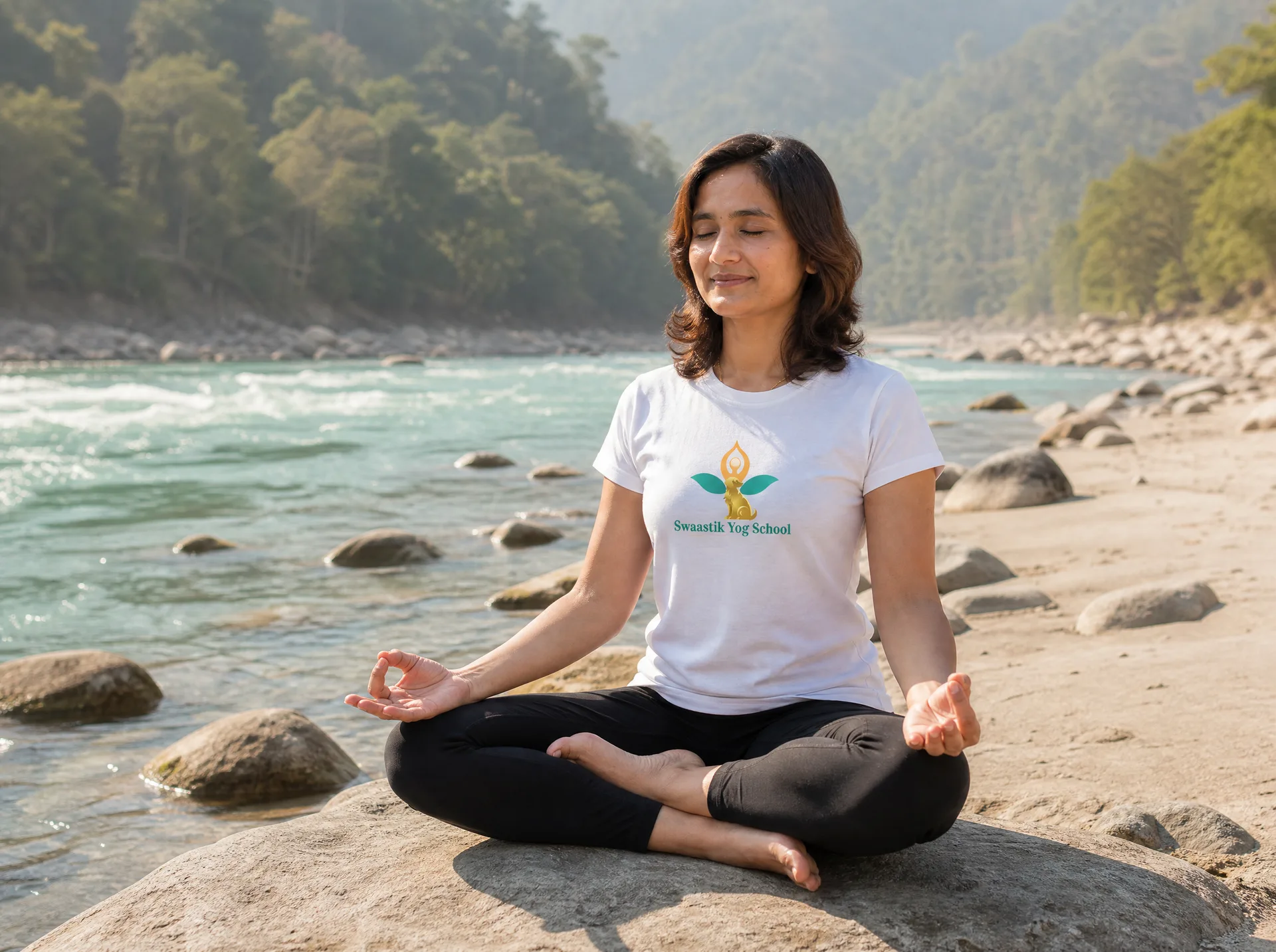
1. Mindfulness Meditation (Vipassana-Inspired)
What It Is
Mindfulness meditation involves paying attention to the present moment without judgment. You observe your thoughts, sensations, and emotions as they arise, acknowledging them without getting caught up in their content. This is the technique most commonly taught in secular mindfulness programs worldwide.
How to Practice
Sit comfortably with your spine upright. Close your eyes or soften your gaze toward the floor. Begin by noticing the sensation of breathing at the nostrils, chest, or belly. When your mind wanders (it will, constantly), gently return your attention to the breath. The practice is not about preventing thoughts but about noticing when you have drifted and returning. Each return is a repetition, like a bicep curl for your attention muscle. Start with five minutes and increase by one minute per week.
Best For
Overthinkers, people with anxiety, anyone who wants a secular practice with strong scientific backing. Hundreds of peer-reviewed studies confirm mindfulness reduces stress, improves focus, and decreases symptoms of depression and anxiety.
2. Guided Visualization
What It Is
In guided visualization, you follow spoken instructions to create vivid mental images, often of peaceful natural settings, healing light, or personal goals. The imagery engages the right hemisphere of the brain and can produce profound relaxation.
How to Practice
Use a recording or have a teacher guide you. Typical sessions last ten to twenty minutes. You might be asked to imagine walking through a forest, standing beside a river (here in Rishikesh, we use the sound of the Ganges flowing past our school as a starting point), or visualizing warm light dissolving tension in each part of your body. The more senses you engage in the visualization, the more effective it becomes.
Best For
Creative and visual thinkers, people who find silent meditation frustrating, and anyone recovering from trauma (under appropriate guidance). Visualization is also widely used by athletes and performers for mental rehearsal.
3. Body Scan Meditation
What It Is
Body scan meditation involves systematically moving your attention through each region of your body, noticing sensations without trying to change them. It bridges the gap between mental awareness and physical experience.
How to Practice
Lie down or sit comfortably. Starting at the crown of the head or the soles of the feet, slowly move your attention through each body part: scalp, forehead, eyes, jaw, neck, shoulders, arms, hands, chest, belly, hips, thighs, knees, shins, feet. Spend two to three breaths at each location, simply noticing what is present. Tingling, warmth, tension, numbness, nothing at all: every observation is valid. A full scan takes fifteen to twenty minutes.
Best For
People who carry tension in the body, those recovering from injury, anyone who struggles to meditate because they feel disconnected from their physical experience. Body scanning is a core component of Mindfulness-Based Stress Reduction (MBSR) programs.
4. Loving-Kindness Meditation (Metta)
What It Is
Loving-kindness meditation cultivates feelings of compassion and goodwill toward yourself and others. Originating in Theravada Buddhism, it systematically directs warm wishes to an expanding circle of people.
How to Practice
Sit quietly and bring to mind someone you love deeply. Silently repeat phrases like: "May you be happy. May you be healthy. May you be safe. May you live with ease." After several minutes, direct these same phrases toward yourself, then toward a neutral person (a stranger), then toward someone you find difficult, and finally toward all living beings. The practice often stirs powerful emotions, and that is part of the process.
Best For
People dealing with self-criticism, loneliness, resentment, or relationship difficulties. Research shows metta meditation increases positive emotions, social connection, and even immune function.