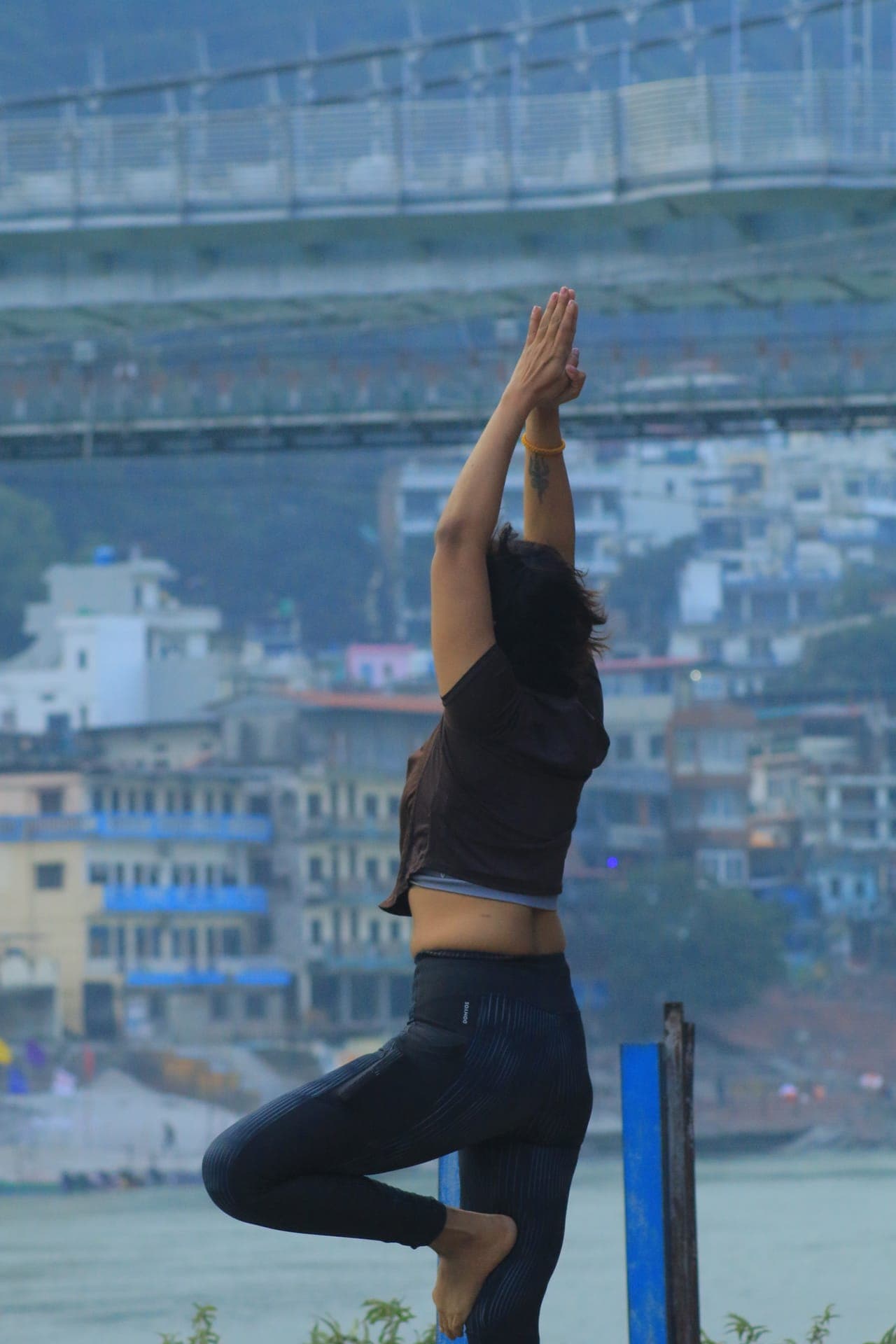
There is something uniquely transformative about combining yoga and meditation in the place where these practices were born. A yoga and meditation retreat in Rishikesh is not just a holiday — it is a homecoming to the roots of an ancient tradition that has healed minds and bodies for thousands of years. Nestled at the confluence of the Ganges and the Himalayan foothills, Rishikesh provides the perfect container for deep inner work. At Swaastik Yog School, we have designed our retreats to offer a balanced, immersive experience that combines physical yoga practice with profound meditation techniques, giving you tools for lasting transformation.
Why Combine Yoga and Meditation? The Science and the Spirit
Yoga and meditation are often taught separately in the West, but in the Indian tradition, they are inseparable halves of the same practice. Patanjali's Yoga Sutras describe meditation (Dhyana) as the seventh limb of yoga, naturally arising from a prepared body and focused mind. When you practice yoga asanas, you release physical tension, improve circulation, and balance the nervous system — all of which create optimal conditions for meditation. When you meditate, you cultivate the mental stillness and awareness that deepen your physical practice.
Scientifically Proven Benefits of the Combination
- Enhanced stress reduction: A 2023 study published in the Journal of Clinical Psychology found that combining yoga and meditation reduced cortisol levels 40% more effectively than either practice alone.
- Improved emotional regulation: The physical release of yoga combined with the awareness cultivation of meditation creates a powerful framework for processing emotions without being overwhelmed by them.
- Better sleep quality: Participants in combined yoga-meditation programs report significantly improved sleep onset, duration, and quality compared to single-modality approaches.
- Neuroplasticity: Regular combined practice has been shown to increase grey matter density in brain regions associated with self-awareness, compassion, and introspection.
- Pain management: The physical benefits of yoga for musculoskeletal issues are amplified when combined with meditation's ability to alter pain perception and reduce catastrophizing.
What to Expect at a Yoga and Meditation Retreat in Rishikesh
A yoga and meditation retreat in Rishikesh is a structured, immersive experience designed to take you out of your daily routine and into a space of deep self-inquiry. Here is what a typical day looks like at Swaastik Yog School.
A Typical Daily Schedule
- 5:30 AM — Wake-up bell: The day begins early, in alignment with the natural Brahma Muhurta (the auspicious pre-dawn hours considered ideal for spiritual practice).
- 6:00 - 6:45 AM — Morning meditation: Guided meditation session as the first light breaks over the Himalayas. The stillness of the early morning, with only the sound of the Ganges below, creates an incomparable atmosphere for inner work.
- 7:00 - 8:30 AM — Yoga asana practice: A comprehensive morning class that may include Hatha, Vinyasa, or Ashtanga depending on the day. This is the most physically demanding session, designed to awaken the body and build energy.
- 8:30 - 9:30 AM — Breakfast: Fresh, sattvic vegetarian meals prepared with local ingredients. Think seasonal fruits, porridge, herbal tea, and freshly prepared Indian dishes.
- 9:30 AM - 12:00 PM — Free time: Rest, journal, explore Rishikesh, walk along the Ganges to Laxman Jhula, visit temples, or simply sit on the terrace and read. This unstructured time is essential for integration.
- 12:00 - 1:00 PM — Pranayama and breathwork: Guided breathing practices including Nadi Shodhana (alternate nostril breathing), Kapalabhati, and Bhramari. These techniques directly prepare the mind for deeper meditation.
- 1:00 - 2:00 PM — Lunch: The main meal of the day. Balanced, nutritious, and prepared according to Ayurvedic principles.
- 2:00 - 4:00 PM — Rest and self-study: Afternoon rest is honored in the Indian tradition. Use this time for journaling, reading, or taking a gentle walk through Tapovan.
- 4:00 - 5:30 PM — Afternoon yoga session: A gentler practice focusing on restorative postures, deep stretching, and yoga nidra (yogic sleep). This session prepares the body and mind for the evening meditation.
- 5:30 - 6:30 PM — Evening meditation: The second formal meditation sitting of the day. As the sun sets over the mountains and temple bells ring across the valley, the conditions for deep meditation are extraordinary.
- 6:30 - 7:30 PM — Dinner: A light evening meal, typically eaten before dark in alignment with traditional practice.
- 7:30 - 8:30 PM — Satsang or Ganga Aarti: Some evenings include philosophical discussions (satsang), kirtan (devotional chanting), or a visit to Triveni Ghat to witness the sacred Ganga Aarti ceremony — a fire ritual honoring the river that is one of Rishikesh's most powerful experiences.
- 9:00 PM — Lights out: Early rest to support the early morning schedule and allow the body to fully recover.
Types of Meditation Taught in Our Rishikesh Retreats
One of the most valuable aspects of a retreat is exposure to multiple meditation techniques. What works for one person may not resonate with another, so we introduce a range of methods and help you discover your personal practice.
Vipassana (Insight Meditation)
Rooted in the Buddhist tradition but universal in application, Vipassana involves observing bodily sensations with equanimity. You scan through the body systematically, noticing whatever arises without reacting. This practice develops extraordinary self-awareness and is one of the most powerful techniques for breaking habitual patterns of reactivity. During the retreat, we introduce Vipassana gradually, starting with short 10-minute sessions and building to longer sittings.
Yoga Nidra (Yogic Sleep)
Often called the most accessible form of meditation, Yoga Nidra is practiced lying down while a teacher guides you through progressive relaxation and visualization. One 30-minute session of Yoga Nidra is said to be equivalent to two hours of deep sleep in terms of nervous system restoration. It is particularly effective for those dealing with insomnia, anxiety, or trauma. Many students report that Yoga Nidra becomes the most transformative practice of their entire retreat.
Trataka (Candle-Gazing Meditation)
This traditional Hatha yoga technique involves gazing steadily at a candle flame without blinking for as long as comfortable, then closing the eyes and holding the afterimage in the mind's eye. Trataka develops remarkable concentration and is said to cleanse the Ajna chakra (third eye). Practiced on our terrace overlooking the Ganges at dusk, this becomes a deeply atmospheric and memorable experience.
Mantra Meditation
The repetition of sacred sounds (mantras) is one of the oldest meditation practices. We teach both traditional Sanskrit mantras and the technique of Japa (mala bead counting). The vibration of chanting, especially in a group setting with the river flowing below, creates a palpable energetic shift that many students describe as one of the most moving experiences of their lives.
Mindfulness Meditation
Drawing from both Buddhist and yogic traditions, mindfulness meditation involves anchoring attention on the breath, sounds, or present-moment sensations. This is the most widely researched meditation technique and the one most easily integrated into daily life after the retreat ends. We emphasize practical application so you leave with a sustainable home practice.
Chakra Meditation
Working with the seven primary energy centers of the body, chakra meditation uses visualization, breath, and sometimes sound to balance and activate each chakra. This practice is particularly meaningful in Rishikesh, where the energetic environment is believed to amplify subtle body awareness.
Who Is a Yoga and Meditation Retreat For?
Our retreats welcome practitioners of all levels and backgrounds. You do not need to be flexible, experienced, or spiritual to benefit enormously. Our retreats particularly serve:
- Stressed professionals seeking a genuine reset from the demands of work and technology
- Yoga practitioners who want to deepen their meditation practice and understand the spiritual roots of their physical practice
- Complete beginners curious about yoga and meditation who want a supportive, structured introduction
- Those navigating life transitions: career changes, relationship shifts, grief, or personal growth moments that call for time and space to reflect
- Spiritual seekers drawn to experience India's living wisdom traditions firsthand
- Anyone experiencing burnout, anxiety, or insomnia who wants evidence-based holistic tools for recovery
Duration Options: Finding the Right Retreat Length
The ideal retreat length depends on your goals, schedule, and experience level. At Swaastik Yog School, we offer three retreat formats, each designed for a different depth of immersion.
3-Day Retreat: The Reset
Our 3-day retreat is perfect for those with limited time who want a meaningful taste of the yoga-meditation lifestyle. In three days, you will learn foundational meditation techniques, enjoy six yoga sessions, and experience the daily rhythm of a yogic lifestyle. Many students use this as a weekend escape from Delhi or other nearby cities. While three days is too short for deep transformation, it is enough to break habitual patterns, recharge your energy, and take home practical techniques you can use immediately.
5-Day Retreat: The Deepening
Our 5-day retreat is the sweet spot for most practitioners. By day three, the mind begins to genuinely settle. The chatter and restlessness of daily life start to quiet, and the meditation practice deepens noticeably. Five days allows enough time to explore multiple meditation styles, develop a preliminary personal practice, and experience meaningful shifts in sleep quality, stress levels, and self-awareness. This format includes deeper pranayama instruction and an excursion to sacred sites around Rishikesh.
7-Day Retreat: The Transformation
Our 7-day retreat is the most popular and the one we recommend for anyone serious about transformation. A full week allows the body to complete one full cycle of circadian adjustment. By the fifth or sixth day, students consistently report a qualitative shift in their meditation — longer periods of stillness, spontaneous insights, emotional releases, and a sense of deep peace that previous shorter retreats never touched. The 7-day format includes all meditation techniques, advanced pranayama, a philosophy workshop series, and a closing fire ceremony.
The Rishikesh Advantage: Why Location Matters
You can practice yoga and meditation anywhere in the world, so why come to Rishikesh? The answer lies in the concept of Shakti Sthan — a place of concentrated spiritual energy. Rishikesh has been a destination for seekers, saints, and meditators for thousands of years. The Beatles came here in 1968 to study with Maharishi Mahesh Yogi. Swami Sivananda established the Divine Life Society here. Swami Vivekananda meditated on these banks. This accumulated spiritual energy is palpable to anyone who sits in stillness here.
Beyond the metaphysical, the practical advantages are significant. The sound of the Ganges provides a natural white noise that supports meditation. The negative ions generated by the flowing river enhance mood and mental clarity. The clean mountain air fills your lungs during pranayama with a quality you simply cannot access in a city studio. The absence of alcohol and non-vegetarian food in the town creates a naturally sattvic environment that supports introspection. And the community of fellow seekers, sadhus, and teachers creates a container of shared intention that amplifies individual practice.
Preparing for Your Retreat
To get the most from your yoga and meditation retreat in Rishikesh, consider these preparation tips:
- Begin a simple meditation practice two weeks before arrival. Even five minutes of breath awareness daily will ease the transition into longer retreat sittings.
- Reduce caffeine and processed food gradually before the retreat. The shift to sattvic vegetarian food is smoother when your body is already moving in that direction.
- Set a clear intention: What do you hope to gain or release during this retreat? Write it down and carry it with you.
- Inform loved ones that you may be less available during the retreat. Reducing digital communication expectations in advance prevents guilt and distraction.
- Pack light and practical: Comfortable yoga clothing, a light jacket for mornings, a journal, and an open heart are all you truly need.
What Happens After the Retreat?
The most important part of any retreat is integration — carrying the insights and practices into your daily life. Before the retreat ends, our teachers work with each student to create a personalized home practice plan. This includes a recommended daily meditation technique, a short yoga sequence, and breathing practices tailored to your lifestyle and schedule. We also provide ongoing support through email and digital resources so the retreat's benefits continue to unfold long after you leave Rishikesh.
Book Your Retreat at Swaastik Yog School
Whether you choose a 3-day reset, a 5-day deepening, or a 7-day transformation, your yoga and meditation retreat in Rishikesh will be an experience you carry for a lifetime. Our school, located in the peaceful Tapovan area with views of the Ganges and mountains, provides the ideal setting for turning inward, letting go, and discovering the stillness that has always been within you.
Spaces in our retreats are intentionally limited to ensure personal attention and a intimate group atmosphere. Contact us today to check availability and reserve your place. The Ganges is flowing, the mountains are waiting, and your meditation cushion is ready.


