Of all the yoga styles practiced around the world today, kundalini yoga remains one of the most mysterious, misunderstood, and profoundly transformative. If you are curious about kundalini yoga for beginners, this guide will walk you through what kundalini yoga actually is, how it relates to the seven chakras, what a typical class looks like, the benefits you can expect, important safety considerations, and how it differs from other popular yoga styles. At Swaastik Yog School in Rishikesh, we approach kundalini yoga as an integral part of the complete yogic tradition, honoring its ancient roots while making it accessible to modern practitioners.
Kundalini yoga is not simply another workout or stretching routine. It is a technology of consciousness, a systematic practice designed to awaken dormant energy at the base of the spine and guide it upward through the energy centers of the body. The results are not merely physical but extend into the mental, emotional, and spiritual dimensions of human experience.
What Is Kundalini Yoga? Understanding the Fundamentals
The word "kundalini" comes from the Sanskrit "kundal," meaning coiled. In yogic philosophy, kundalini shakti is described as a dormant, coiled serpent of primal energy resting at the base of the spine, in the area of the muladhara (root) chakra. This energy represents the full potential of human awareness, and the goal of kundalini yoga for beginners and advanced practitioners alike is to gradually and safely awaken this energy.
Kundalini yoga as a distinct practice tradition was brought to the West by Yogi Bhajan in 1969. However, the underlying concepts are far older, appearing in texts like the Hatha Yoga Pradipika, the Shiva Samhita, and various Tantric scriptures dating back centuries. Here in Rishikesh, where yoga traditions are preserved in their original context, we draw from both the classical texts and the practical frameworks of modern kundalini yoga.
The Three Pillars of Kundalini Yoga
Kundalini yoga integrates three core elements that distinguish it from other yoga styles.
- Kriya: Specific sequences of physical postures, movement, breath, and sound designed to produce a particular effect. Each kriya targets a specific body system, emotional state, or aspect of consciousness
- Mantra: Sacred sound vibrations chanted or repeated silently to direct the mind and energy. Common mantras include "Sat Nam" (Truth is my identity), "Wahe Guru" (expression of ecstasy), and the Adi Mantra "Ong Namo Guru Dev Namo" (I bow to the creative wisdom within)
- Meditation: Specific meditation techniques, often involving mudras (hand positions), drishtis (eye focus points), and breath patterns held for defined periods of time
The Seven Chakras and Kundalini Energy
The chakra system is central to understanding kundalini yoga. The seven main chakras are energy centers located along the spine, from its base to the crown of the head. As kundalini energy awakens and rises, it activates and balances each chakra in sequence.
1. Muladhara (Root Chakra)
Location: Base of the spine. Element: Earth. Theme: Security, survival, groundedness. When balanced, you feel safe, stable, and connected to the physical world. When blocked, you may experience anxiety, fear, financial instability, or a sense of being unrooted. Kundalini kriyas for the root chakra often involve strong leg work, stomping, squats, and rhythmic movements that connect you to the earth.
2. Svadhisthana (Sacral Chakra)
Location: Lower abdomen, below the navel. Element: Water. Theme: Creativity, sexuality, emotions, pleasure. A balanced sacral chakra manifests as healthy emotional expression, creative flow, and comfortable relationship with pleasure. Kriyas involving hip movements, pelvic rotations, and water-element practices target this center.
3. Manipura (Solar Plexus Chakra)
Location: Upper abdomen, navel area. Element: Fire. Theme: Personal power, will, self-esteem. This is the center of your identity and personal authority. Kundalini yoga heavily emphasizes the navel point through practices like Breath of Fire, abdominal exercises, and warrior-type poses. Strengthening Manipura is considered foundational for kundalini awakening.
4. Anahata (Heart Chakra)
Location: Center of the chest. Element: Air. Theme: Love, compassion, connection. The heart chakra bridges the lower three physical chakras and the upper three spiritual chakras. Kriyas involving chest openers, arm movements, and heart-centered meditations activate this center.
5. Vishuddha (Throat Chakra)
Location: Throat. Element: Ether/Space. Theme: Communication, truth, authentic expression. Chanting and mantra, core elements of kundalini yoga, directly stimulate the throat chakra. Neck rolls, shoulder shrugs, and specific breathing techniques also target this center.
6. Ajna (Third Eye Chakra)
Location: Between the eyebrows. Element: Light. Theme: Intuition, wisdom, insight. Many kundalini meditations involve focusing the eyes at the third eye point (Shambhavi Mudra), stimulating the pineal gland and developing intuitive awareness.
7. Sahasrara (Crown Chakra)
Location: Top of the head. Element: Consciousness. Theme: Spiritual connection, enlightenment, unity. The ultimate destination of kundalini energy. When kundalini reaches the crown chakra, the practitioner is said to experience a state of expanded consciousness, bliss, and union with the universal energy.
What Does a Kundalini Yoga Class Look Like?
For those new to kundalini yoga for beginners, knowing what to expect in a class removes much of the intimidation. Here is the typical structure of a kundalini yoga session.
Opening (5-10 minutes)
Every kundalini yoga class begins with the Adi Mantra: "Ong Namo Guru Dev Namo," chanted three times. This mantra tunes you into the lineage of kundalini yoga and sets a sacred intention for the practice. This is followed by a brief warm-up that might include spinal flexes (Cat-Cow in a seated position), neck rolls, and shoulder shrugs to prepare the body.
Kriya (30-45 minutes)
The kriya is the heart of the class. Each kriya is a specific sequence of exercises, and thousands of kriyas exist for different purposes. A kriya for strengthening the nervous system will look very different from a kriya for opening the heart or one for improving digestion.
During a kriya, you might find yourself doing rapid arm movements while breathing intensely, holding a pose for several minutes while chanting a mantra, performing repetitive movements in rhythm with the breath, or sitting in meditation with specific hand mudras. Some kriyas are physically demanding; others are subtle and meditative. The key is that each kriya is practiced exactly as prescribed to produce its intended effect.
Relaxation (7-11 minutes)
After the kriya, you lie down in Savasana for deep relaxation. This rest period is essential because it allows the energy generated during the kriya to circulate and integrate throughout the body. Skipping relaxation after a kundalini kriya is like taking bread out of the oven before it has finished baking.
Meditation (11-31 minutes)
The class continues with a specific meditation, which may involve mantra repetition, visualization, breath patterns, or a combination. Meditation durations in kundalini yoga follow specific timings: 3 minutes affects the electromagnetic field of the body, 11 minutes changes the nervous and glandular systems, 22 minutes balances the three minds (positive, negative, neutral), and 31 minutes affects all cells and rhythms of the body.
Closing (3-5 minutes)
The class closes with the Longtime Sunshine song and three repetitions of "Sat Nam." This brings the practice to a conscious conclusion and seals the energy generated during the session.
Benefits of Kundalini Yoga
The benefits of kundalini yoga are wide-ranging, touching every aspect of the human experience.
Physical Benefits
- Strengthens the nervous system, increasing resilience to stress
- Balances the glandular (endocrine) system, regulating hormones
- Increases lung capacity through extensive breathwork
- Improves spinal flexibility and core strength
- Boosts the immune system through stimulation of the lymphatic system
Mental and Emotional Benefits
- Reduces anxiety and depression through nervous system regulation
- Develops mental clarity and the ability to make decisions from a place of calm
- Releases stored emotional patterns and traumas
- Increases willpower and the capacity to follow through on intentions
- Cultivates emotional balance and equanimity
Spiritual Benefits
- Develops intuitive awareness
- Deepens the connection to your authentic self beyond roles and conditioning
- Creates experiences of expanded consciousness and inner peace
- Strengthens the aura (electromagnetic field), which in yogic philosophy protects against negative influences
Safety Considerations for Kundalini Yoga
Kundalini yoga is powerful, and like any powerful tool, it requires respect and proper guidance. Here are essential safety considerations.
- Start gradually: Do not attempt advanced kriyas or extended meditation times as a beginner. Build your practice incrementally over months
- Do not skip relaxation: Always take full Savasana after a kriya. The integration period is not optional
- Work with a qualified teacher: Kundalini yoga kriyas are specific sequences. Modifying them haphazardly can reduce their effectiveness or cause energetic imbalances
- Be mindful of mental health: If you have a history of psychosis, bipolar disorder, or severe anxiety, consult both a mental health professional and an experienced kundalini teacher before beginning
- Pregnancy precautions: Many kriyas are not suitable during pregnancy. Seek a teacher trained in prenatal modifications
- Kundalini awakening symptoms: In rare cases, premature or forced kundalini awakening can cause overwhelming sensations, emotional instability, or disorientation. This is why gradual practice under proper guidance is essential
How Kundalini Yoga Differs from Other Yoga Styles
Understanding where kundalini yoga sits in the broader yoga landscape helps beginners choose the right practice for their needs.
Kundalini vs. Hatha Yoga
Hatha yoga focuses primarily on physical postures (asanas) held for varying durations, building strength, flexibility, and body awareness. Kundalini yoga uses physical movement but always in combination with breath, mantra, and meditation as an integrated system. Hatha is body-first; kundalini is energy-first.
Kundalini vs. Vinyasa Yoga
Vinyasa yoga links breath to flowing movement in creative sequences, emphasizing physical fitness and the meditative quality of continuous motion. Kundalini yoga uses repetitive, often rapid movements rather than flowing sequences, and explicitly incorporates chanting and specific meditations that vinyasa does not.
Kundalini vs. Ashtanga Yoga
Ashtanga follows a fixed sequence of poses that never changes, building heat and purification through rigorous physical practice. Kundalini has thousands of different kriyas selected based on the intended effect, and the physical demand varies enormously from gentle to intense.
Kundalini vs. Yin Yoga
Yin yoga is slow and passive, holding poses for minutes to target connective tissue. Kundalini yoga can be highly dynamic, with rapid breathing and movement, though it also includes periods of stillness. They represent very different approaches to transformation but complement each other beautifully.
Getting Started with Kundalini Yoga
If you are ready to begin, here are practical first steps.
- Find a class: Start with a group class led by a trained kundalini yoga teacher. The energy of group practice and the guidance of a teacher are especially important for beginners
- Dress comfortably: Traditional kundalini yoga practitioners wear white clothing and a head covering, as white is believed to expand the aura. However, this is not required. Wear comfortable clothing that allows free movement
- Be open-minded: Kundalini yoga may feel unusual at first. The chanting, the eye positions, the rapid breathing can all seem strange to newcomers. Give yourself time to adapt before judging the practice
- Commit to 40 days: In the kundalini yoga tradition, practicing a specific kriya or meditation for 40 consecutive days breaks old patterns and establishes new ones. This is an excellent structure for beginners
For the deepest possible introduction to kundalini yoga in its original context, our 200-hour yoga teacher training in Rishikesh includes comprehensive kundalini yoga modules taught alongside hatha, vinyasa, and meditation practices. Training in Rishikesh, where the Ganges flows from the Himalayas and the spiritual energy of thousands of years of practice saturates the atmosphere, creates an environment where kundalini yoga comes alive in ways that no studio class can replicate.
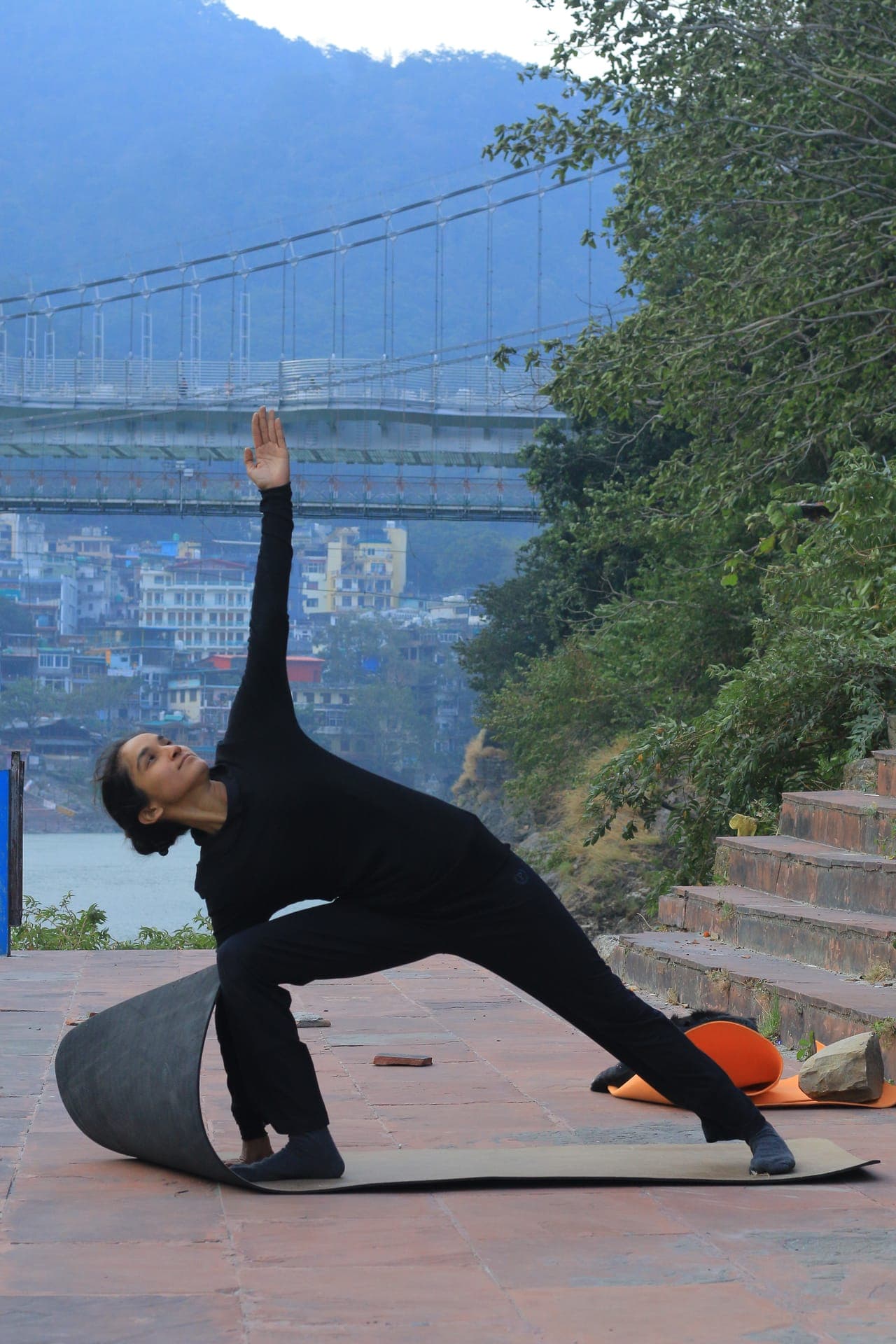
Walking along the ghats at dawn, chanting Sat Nam as the sun rises over the Himalayan foothills, and practicing kriyas in the open air near Ram Jhula and Tapovan are experiences that connect you to the living lineage of kundalini yoga. This is not exercise. This is the technology of human consciousness, and Rishikesh remains its most authentic home.
Begin Your Kundalini Yoga Journey in Rishikesh
Ready to experience the transformative power of kundalini yoga for beginners in the yoga capital of the world? At Swaastik Yog School in Rishikesh, our experienced teachers guide you safely and authentically through this profound practice. Our 200-hour teacher training provides comprehensive kundalini yoga education alongside classical hatha, vinyasa, pranayama, and meditation, giving you a complete understanding of the yogic tradition.
Contact us today to learn more about our programs and begin your journey of awakening on the sacred banks of the Ganges.