.jpg&w=1920&q=75)
One of the most common questions we hear at Swaastik Yog School in Rishikesh is whether to sign up for a yoga retreat vs yoga teacher training. Both options promise transformation, deep practice, and a break from daily life, but they serve fundamentally different purposes and attract different types of students. Choosing the wrong one can mean spending weeks doing something that does not match your goals, while choosing the right one can be genuinely life-changing.
This comprehensive guide compares yoga retreats and yoga teacher training programs across every dimension that matters: duration, daily schedule, goals, cost, intensity, and outcomes. By the end, you will have complete clarity on which option is right for you.
Yoga Retreat vs Yoga Teacher Training: The Fundamental Difference
At the most basic level, the distinction between a yoga retreat and yoga teacher training comes down to purpose. A retreat is designed for personal rejuvenation and deepening your practice. A teacher training is designed to give you the skills, knowledge, and certification to teach yoga professionally.
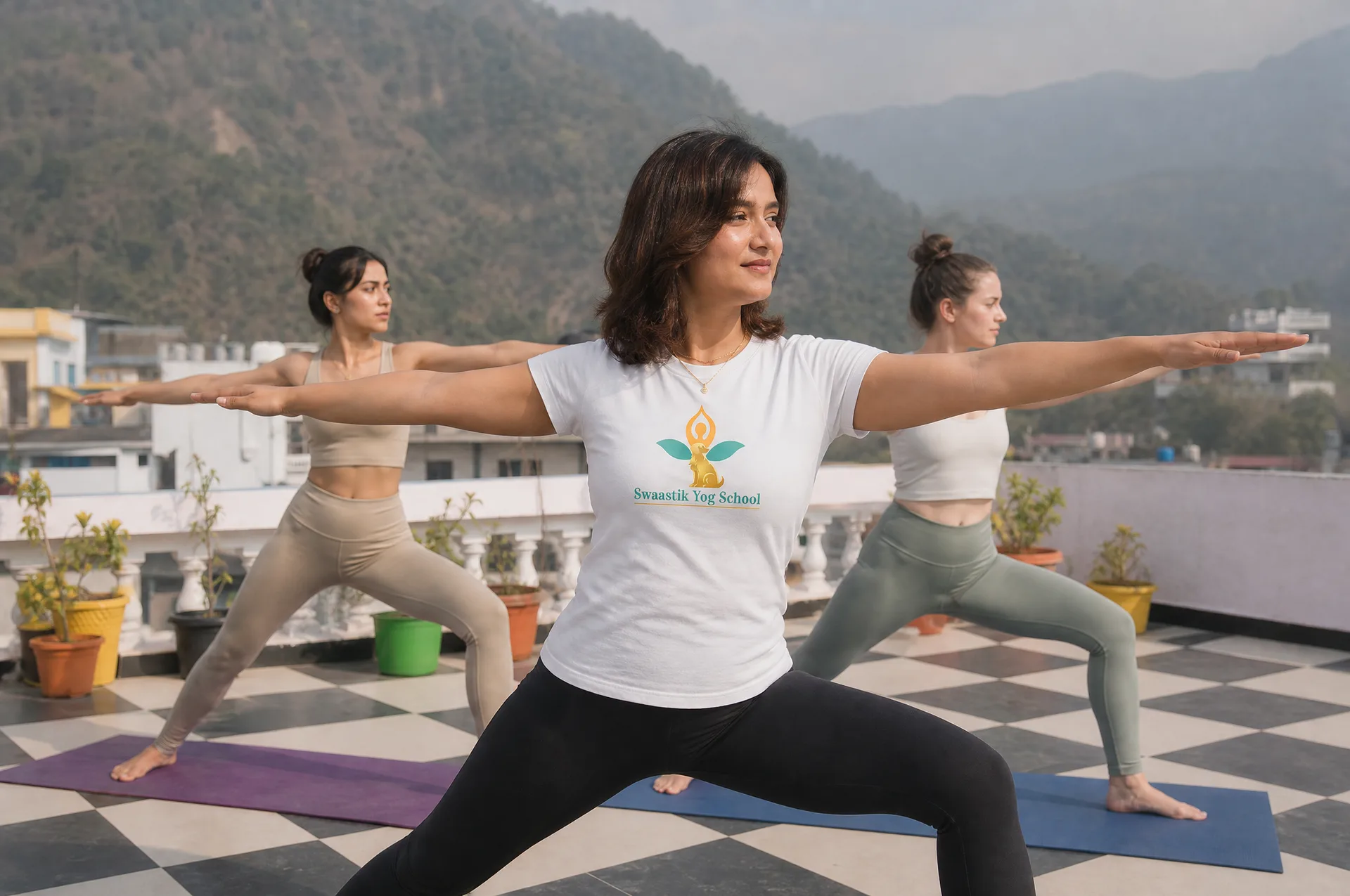
Think of it this way: a retreat is like a curated vacation for your body and mind. A teacher training is like an intensive professional development program that happens to be deeply transformative on a personal level as well.
Both take place in beautiful settings, both involve daily yoga practice, and both can be profound experiences. But the structure, expectations, and outcomes are quite different.
Duration: How Long Each Program Lasts
Yoga Retreats
Retreats are typically shorter and more flexible in duration. Common formats include:
- Weekend retreats: 2 to 3 days, often over a long weekend
- Week-long retreats: 5 to 7 days, the most popular format
- Extended retreats: 10 to 14 days for deeper immersion
- Long-term retreats: 21 to 30 days, often themed around meditation, silence, or specific healing modalities
Our 7-day yoga retreat in Rishikesh is the most popular option, providing enough time for genuine relaxation and transformation without requiring an extended commitment.
Yoga Teacher Training
Teacher training programs follow standardized durations set by certifying bodies:
- 200-hour YTT: 21 to 28 days (residential intensive) or 3 to 6 months (weekend format)
- 300-hour Advanced YTT: 28 to 35 days residential
- 500-hour YTT: 45 to 60 days residential
The 200-hour program is the most common starting point. Our 200-hour YTT runs for 25 days, which provides ample time to cover the full curriculum without rushing.
Goals and Outcomes: What You Walk Away With
Yoga Retreat Goals
People attend yoga retreats for deeply personal reasons:
- Stress relief and burnout recovery
- Deepening an existing personal practice
- Disconnecting from technology and daily demands
- Physical healing and detoxification
- Mental clarity and emotional processing
- Exploring yoga without the pressure of certification
- Combining travel with wellness
The outcome of a retreat is primarily experiential. You leave feeling refreshed, reconnected to yourself, and often with new practices and habits to integrate into your daily life. There is no exam, no certification, and no pressure to perform.
Yoga Teacher Training Goals
Teacher training programs are designed to produce competent yoga teachers:
- Learning to sequence and teach yoga classes safely
- Deep study of anatomy, physiology, and biomechanics
- Understanding yoga philosophy, history, and ethics
- Developing confident public speaking and cueing skills
- Earning Yoga Alliance certification (RYT 200 or RYT 500)
- Building a foundation for a yoga teaching career
- Dramatically deepening personal practice as a byproduct of intensive study
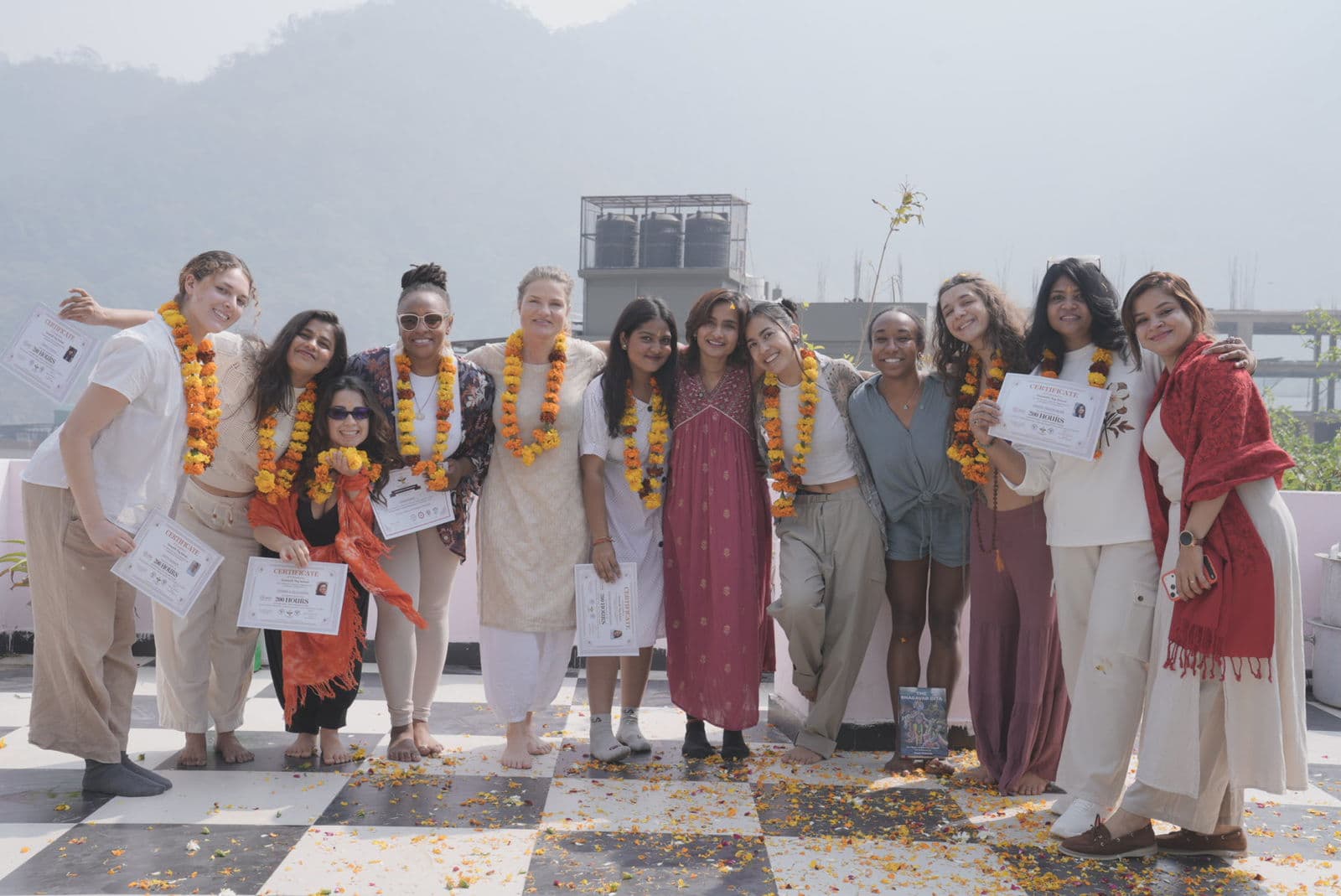
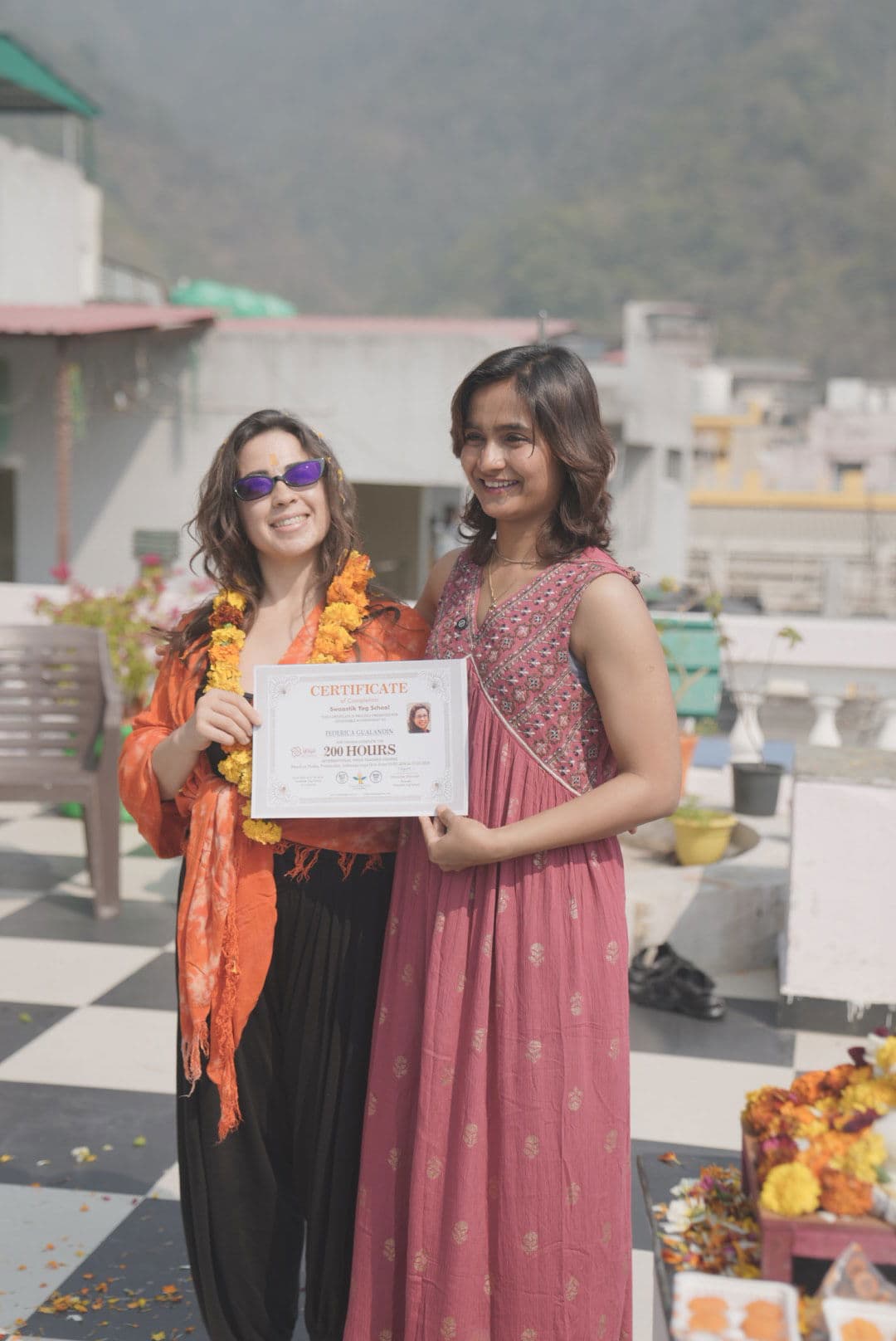
The outcome of a teacher training is both experiential and professional. You leave with a recognized certification, practical teaching skills, and a transformed understanding of yoga that goes far beyond physical postures.