Back to Blog
Wellness

Yoga for Weight Loss: Best Styles, Poses & Tips

Mayuri Shewale
Share this post:
Yoga for Weight Loss: Best Styles, Poses & Tips

Can yoga help you lose weight? Best styles ranked, specific poses, how often to practice, diet tips, and realistic expectations.

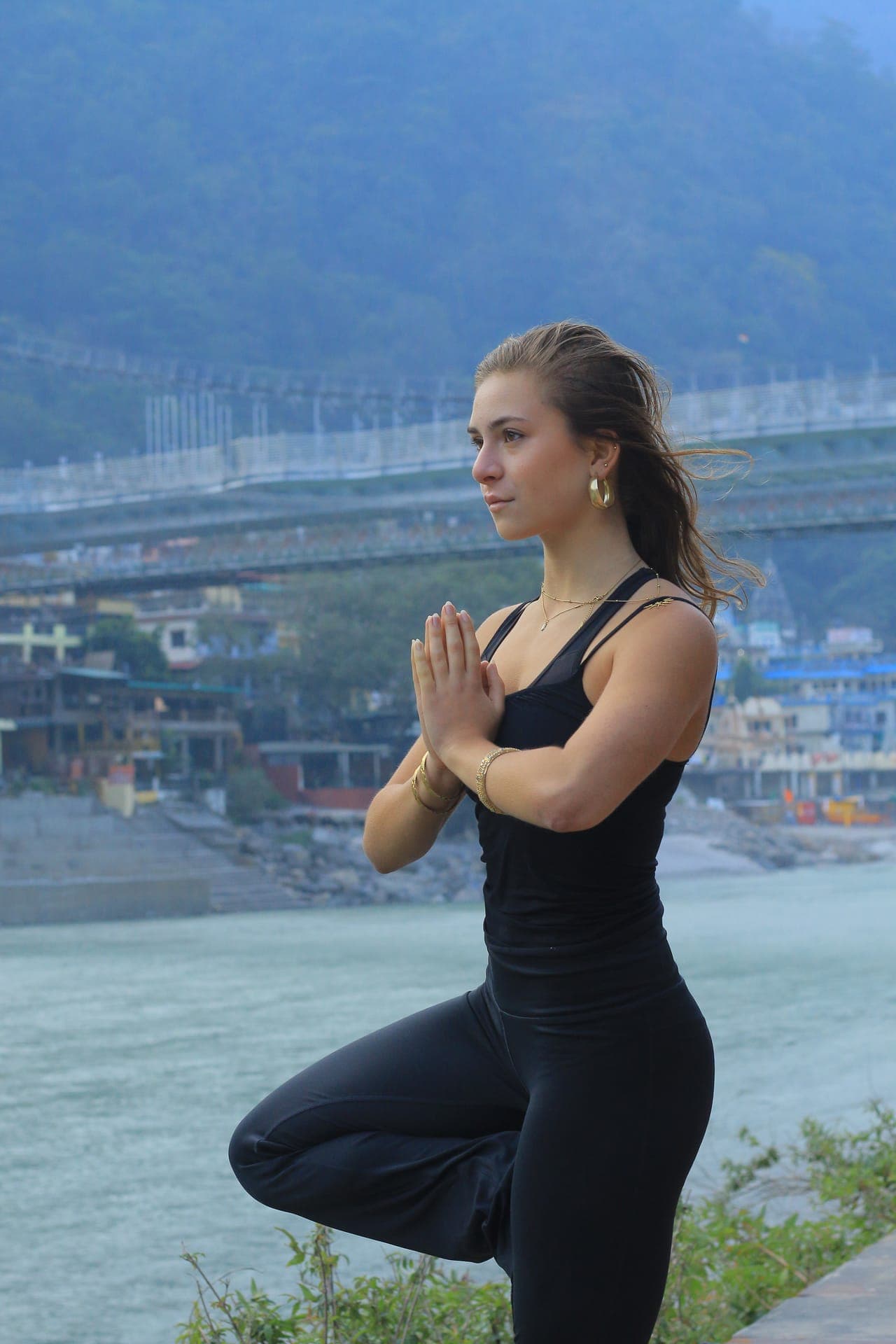
Can yoga really help you lose weight? The answer is a resounding yes, but perhaps not in the way you expect. Yoga for weight loss works through a combination of physical calorie burning, metabolic optimization, stress hormone regulation, and the mindful awareness that transforms your relationship with food. At Swaastik Yog School in Rishikesh, we have witnessed countless students shed unwanted weight during their time with us, often as a natural byproduct of dedicated practice rather than a forced effort.

This complete guide covers the best yoga styles for weight loss, specific poses that maximize calorie burn and muscle building, how often you need to practice, the crucial role of diet, realistic expectations, and practical strategies for making yoga a sustainable part of your weight management approach.

How Yoga for Weight Loss Actually Works

Before diving into specific styles and poses, it is important to understand the multiple mechanisms through which yoga for weight loss delivers results. Unlike conventional exercise that focuses primarily on calorie expenditure, yoga works on several levels simultaneously.

Direct Calorie Burning

Vigorous yoga styles like Vinyasa, Power Yoga, and Ashtanga can burn 400 to 600 calories per hour, comparable to brisk walking or moderate cycling. While this is less than running or high-intensity interval training, the calorie burn from yoga is sustainable and low-impact, meaning you can practice daily without the joint stress and injury risk associated with high-impact exercise.

Muscle Building and Metabolic Boost

Yoga is a bodyweight strength training practice. Poses like Chaturanga Dandasana (low plank), Warrior sequences, and arm balances build lean muscle mass. More muscle means a higher resting metabolic rate, which means you burn more calories even when you are not exercising. This metabolic effect compounds over time, making long-term weight management easier.

Cortisol and Stress Reduction

Chronic stress elevates cortisol, a hormone directly linked to abdominal fat storage, increased appetite, and cravings for high-calorie foods. Yoga is one of the most effective stress-reduction practices available, consistently shown in research to lower cortisol levels. By managing stress, yoga addresses one of the root causes of weight gain that diet and exercise alone cannot fix.

Mindful Eating

Regular yoga practice cultivates body awareness that extends beyond the mat. Practitioners become more attuned to hunger and satiety signals, less likely to eat emotionally, and more naturally drawn to whole, nourishing foods. Multiple studies have found that yoga practitioners eat more mindfully and make healthier food choices compared to non-practitioners.

Improved Sleep

Poor sleep disrupts hunger hormones (ghrelin and leptin), increases cravings, and reduces willpower. Yoga improves sleep quality through physical fatigue, nervous system regulation, and stress reduction. Better sleep supports every other aspect of weight management.

Best Yoga Styles for Weight Loss

Not all yoga is created equal when it comes to yoga for weight loss. Here are the styles that deliver the most significant results, ranked by intensity and calorie-burning potential.

Vinyasa Flow Yoga

Vinyasa is the most popular style for weight loss and for good reason. The continuous flow from pose to pose keeps your heart rate elevated throughout the practice. A typical 60-minute Vinyasa class includes sun salutations, standing sequences, balancing poses, and floor work, all linked by breath. Calorie burn ranges from 400 to 550 per hour depending on pace and intensity.

Vinyasa is ideal for weight loss because it is endlessly variable. Teachers can increase or decrease intensity within the same framework, and you can progress from beginner flows to challenging advanced sequences as your fitness improves. Our drop-in classes in Rishikesh include daily Vinyasa sessions suitable for all levels.

Power Yoga

Power Yoga is essentially Vinyasa with a fitness-forward emphasis. Classes are faster-paced, hold poses longer for strength building, and often incorporate elements like core work and plyometric transitions. Calorie burn can reach 500 to 600 per hour. Power Yoga is excellent for those who come from a gym or fitness background and want a challenging, sweat-inducing practice.

Ashtanga Yoga

The Ashtanga Primary Series is a fixed sequence of approximately 75 poses performed in the same order every time. A full practice takes 90 minutes and is extremely physically demanding, burning 450 to 550 calories per session. The consistency of the sequence allows you to measure progress precisely and builds extraordinary strength and flexibility over time.

Ashtanga is practiced six days per week in the traditional Mysore style, making it one of the most effective yoga approaches for sustained weight loss due to sheer training volume.

Hot Yoga (Bikram Style)

Practicing in a heated room (typically 35 to 42 degrees Celsius) increases heart rate and calorie expenditure. A 90-minute hot yoga session can burn 500 to 700 calories. However, much of the immediate weight loss from hot yoga is water weight from sweating. The real benefit is the increased flexibility and the intensity that the heat allows.

Hatha Yoga

Traditional Hatha is slower-paced and more alignment-focused, burning 200 to 300 calories per hour. While not the most efficient for pure calorie burning, Hatha builds foundational strength, improves flexibility, and is an excellent entry point for beginners who find Vinyasa or Ashtanga intimidating. As a foundation, Hatha practice enables you to progress to more vigorous styles safely.


Best Yoga Poses for Weight Loss

These specific poses are particularly effective for building strength, boosting metabolism, and targeting common problem areas.

Sun Salutations (Surya Namaskar)

The single most effective yoga sequence for weight loss. A complete round of Surya Namaskar works every major muscle group and elevates heart rate significantly. Performing 10 to 12 rounds at a moderate pace provides a complete cardiovascular and strength workout in 15 to 20 minutes. Traditional Ashtanga practice begins with five rounds each of Surya Namaskar A and B.

Warrior Sequences (Virabhadrasana I, II, III)

The Warrior poses build powerful legs, strengthen the core, and open the hips and chest. Warrior III, with its single-leg balance and full-body engagement, is particularly demanding and effective for weight management. Flowing between Warrior I, II, and III creates a challenging sequence that builds heat quickly.

Chair Pose (Utkatasana)

Often called the most hated pose in yoga, Chair Pose engages the largest muscle groups in the body: quadriceps, glutes, and core. Holding this pose for 30 to 60 seconds generates significant muscular effort and metabolic demand. Extended Chair Pose variations, including twisting and pulsing, amplify the effect.

Plank and Chaturanga

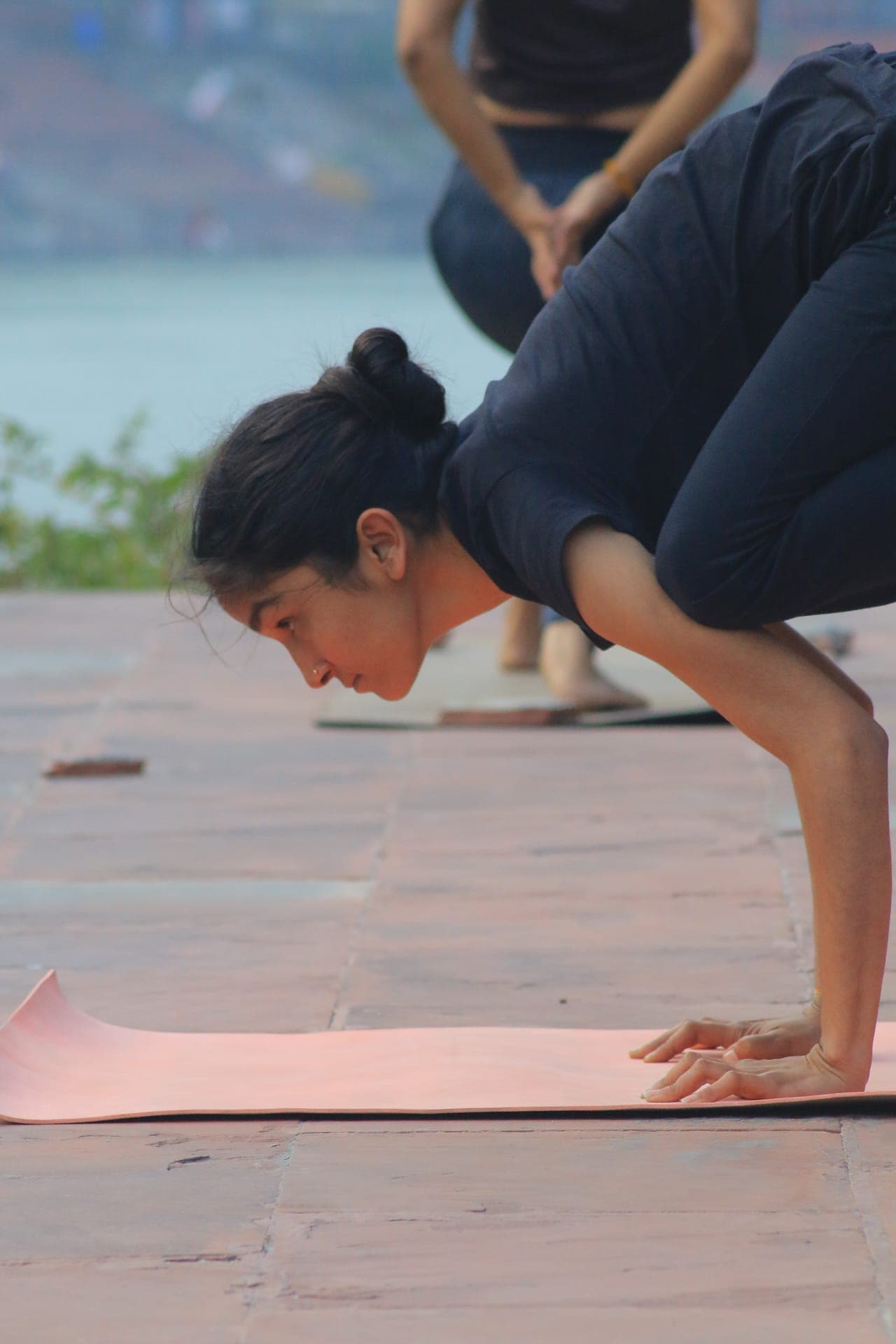
These two poses, which appear repeatedly in Vinyasa sequences, build upper body and core strength essential for a healthy metabolism. A single Vinyasa class may include 20 to 40 Chaturanga transitions, making it an extraordinarily effective strength-building exercise over time.

Boat Pose (Navasana)

The ultimate core strengthener. Holding Boat Pose for 30 seconds engages the rectus abdominis, obliques, hip flexors, and deep core stabilizers. Variations including Boat to Low Boat transitions and bicycle movements increase the challenge and calorie burn.

Bridge Pose and Wheel Pose (Setu Bandhasana and Urdhva Dhanurasana)

These backbends strengthen the entire posterior chain, including glutes, hamstrings, and spinal muscles. Strong glutes are the largest muscle group in the body and a powerful engine for calorie burning. Bridge Pose is accessible to beginners, while Wheel Pose provides a more advanced challenge.

Twisted Chair Pose (Parivrtta Utkatasana)

Combining the leg engagement of Chair Pose with a deep spinal twist, this pose stimulates the digestive organs, strengthens the legs and core, and generates significant heat. Twisting poses are traditionally credited with aiding detoxification, and while the science on detox is complex, the physical demands of these poses are undeniable.

How Often Should You Practice Yoga for Weight Loss?

Consistency is far more important than intensity when it comes to yoga for weight loss. Here are evidence-based guidelines.

Minimum Effective Dose

Three sessions per week of 45 to 60 minutes each is the minimum to see meaningful weight loss results. This provides enough training stimulus for muscle building and metabolic improvement while allowing adequate recovery.

Optimal Frequency

Five to six sessions per week is the sweet spot. This aligns with the traditional Ashtanga practice schedule and provides maximum metabolic benefit. At this frequency, include a mix of vigorous practices (Vinyasa, Power) and restorative sessions (Yin, gentle Hatha) to prevent burnout and overuse injuries.

A Sample Weekly Schedule

  • Monday: Vinyasa Flow (60 min) - moderate to vigorous
  • Tuesday: Power Yoga (60 min) - vigorous
  • Wednesday: Hatha Yoga (60 min) - moderate, focus on alignment
  • Thursday: Ashtanga Primary Series (90 min) - vigorous
  • Friday: Vinyasa Flow (60 min) - moderate to vigorous
  • Saturday: Yin Yoga or Restorative (60 min) - gentle, recovery
  • Sunday: Rest day or gentle walking

Combining Yoga with Diet for Weight Loss

No amount of yoga can overcome a poor diet. Here is how to align your nutrition with your practice for maximum results.

The Yogic Approach to Eating

Traditional yoga philosophy divides food into three categories: sattvic (pure, life-giving), rajasic (stimulating, agitating), and tamasic (heavy, dulling). A sattvic diet emphasizes fresh fruits and vegetables, whole grains, legumes, nuts, seeds, and natural sweeteners. This aligns remarkably well with modern nutritional science for weight management.

Practical Dietary Guidelines

  • Eat whole, unprocessed foods as the foundation of your diet
  • Prioritize protein from lentils, beans, paneer, yogurt, and nuts to support muscle building
  • Include healthy fats from ghee, coconut oil, avocado, and nuts
  • Minimize refined sugar and refined flour
  • Eat your largest meal at lunch when digestion is strongest (Ayurvedic principle supported by circadian rhythm research)
  • Avoid eating within two hours of practice
  • Stay well hydrated but avoid excessive water during meals

Calorie Awareness Without Obsession

For weight loss, you need a calorie deficit. Yoga naturally supports this by reducing stress eating, improving food awareness, and building muscle that burns more calories at rest. Rather than rigid calorie counting, focus on eating when genuinely hungry, stopping when satisfied, and choosing nutrient-dense foods that keep you full longer.

Realistic Expectations: How Much Weight Can You Lose?

Setting realistic expectations prevents discouragement and supports sustainable progress.

First Month

With consistent practice (five times per week) and mindful eating, expect to lose 1 to 3 kilograms in the first month. You may also notice significant changes in body composition, improved muscle tone, reduced bloating, and better posture that make you look leaner even before the scale moves significantly.

Three to Six Months

This is where yoga's metabolic benefits compound. Consistent practitioners typically lose 5 to 10 kilograms over six months while gaining noticeable muscle definition. More importantly, the mindfulness and lifestyle changes that yoga cultivates make this weight loss more sustainable than crash diets or extreme exercise programs.

Long-Term Transformation

The most profound changes come with sustained practice over one to two years. Your relationship with food, your body composition, your stress response, and your overall health undergo a deep transformation. Many long-term practitioners report that maintaining a healthy weight becomes effortless because their habits, cravings, and relationship with their body have fundamentally changed.

What Research Shows

A study published in the Journal of Alternative and Complementary Medicine found that regular yoga practice was associated with less weight gain over a 10-year period compared to non-practitioners. Another study in the journal Preventive Medicine found that yoga practitioners lost an average of 2.5 kilograms over four years while non-practitioners gained an average of 6 kilograms. The evidence consistently shows that yoga is more effective for long-term weight management than short-term weight loss.

Common Mistakes to Avoid

  • Only doing gentle yoga: If weight loss is your goal, you need vigorous styles at least three times per week. Yin and restorative yoga are valuable for recovery but insufficient for significant calorie burning.
  • Skipping strength-building poses: Holding challenging poses builds the muscle that drives long-term metabolic improvement. Do not rush through Warriors, planks, and balances.
  • Compensating with food: Vigorous yoga makes you hungry. Be mindful about refueling with nutritious foods rather than treating your practice as permission to overeat.
  • Expecting instant results: Yoga transforms your body gradually but deeply. If you want quick dramatic weight loss, yoga alone may not be the fastest path. But if you want sustainable, healthy weight management, yoga is one of the best tools available.
  • Comparing yourself to others: Every body is different. Focus on your own progress, energy levels, and how you feel rather than comparing your weight loss to someone else's.

Deepening Your Yoga for Weight Loss Practice

If you are serious about using yoga for weight loss, consider an immersive experience that accelerates your results. Practicing yoga in Rishikesh, surrounded by nature and removed from daily temptations, creates ideal conditions for physical transformation.

At Swaastik Yog School, our students frequently report significant weight loss during their training, not because we focus on weight loss but because the combination of daily vigorous practice, clean vegetarian food, fresh mountain air, early bedtimes, and freedom from work stress creates the perfect environment for the body to find its natural healthy weight.

Whether you join us for daily classes or commit to a full 200-hour teacher training program, the immersive Rishikesh experience provides a powerful reset for your body, metabolism, and relationship with food and exercise.

Ready to transform your body and your practice? Contact us to learn more about our programs and start your journey toward sustainable health and vitality through the ancient science of yoga.

Ready to Start Your Yoga Journey?

Join our Yoga Alliance certified teacher training programs in Rishikesh and learn from experienced instructors in the birthplace of yoga.

Related Articles

8 Yoga Poses for Anxiety and Stress Relief

8 Yoga Poses for Anxiety and Stress Relief

Combat anxiety and stress with these calming yoga poses. Learn breathing techniques and mindfulness practices for mental wellness.

Read More
10 Health Benefits of Meditation and How to Focus on Mindfulness

10 Health Benefits of Meditation and How to Focus on Mindfulness

Discover the top 10 health benefits of meditation and learn practical tips on how to focus on mindfulness for reduced stress and better mental health.

Read More
Bhastrika Pranayama: Benefits, Steps & Precautions

Bhastrika Pranayama: Benefits, Steps & Precautions

Boost your energy and respiratory health with Bhastrika Pranayama (Bellows Breath). Step-by-step instructions and therapeutic benefits explained.

Read More