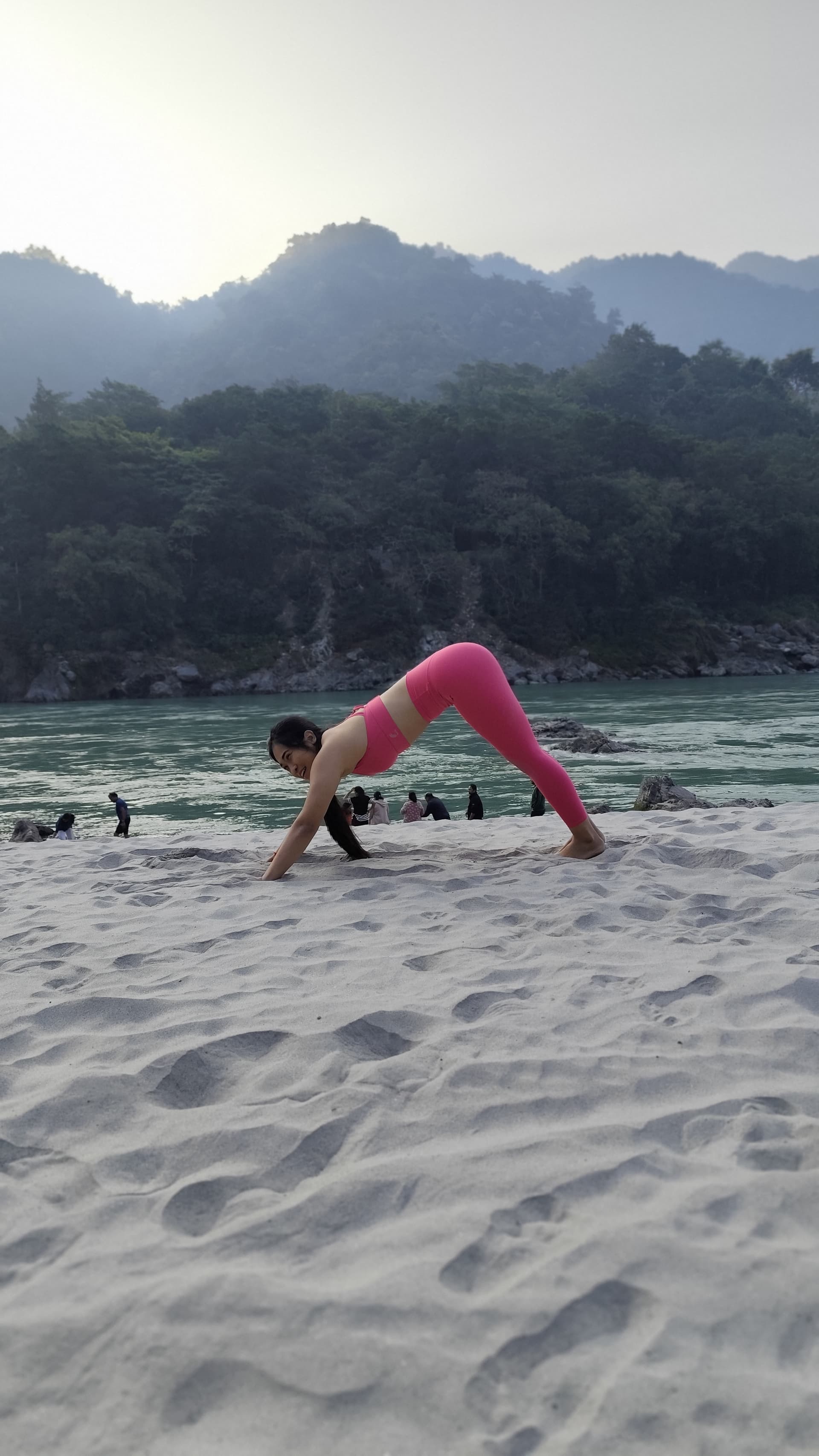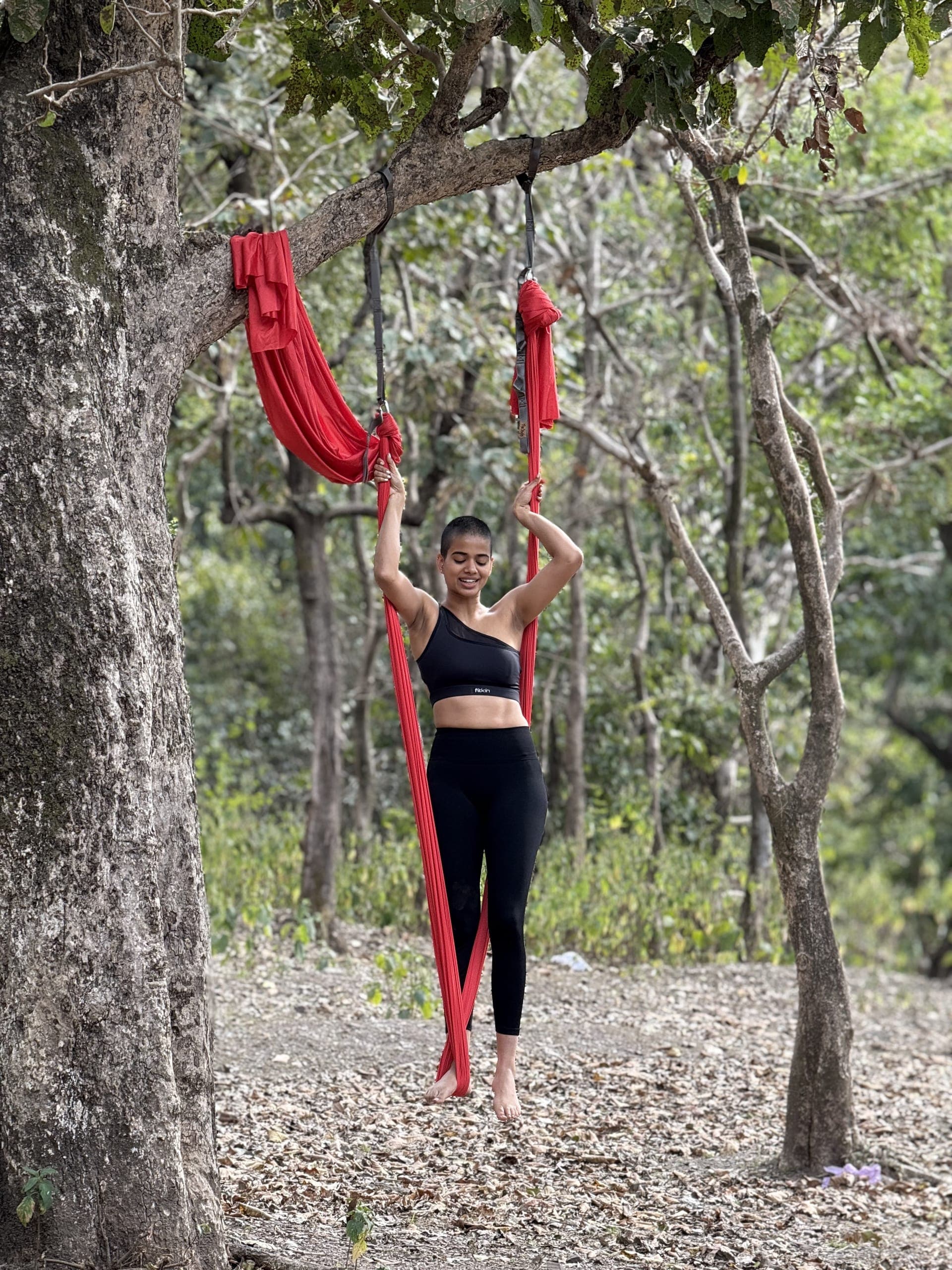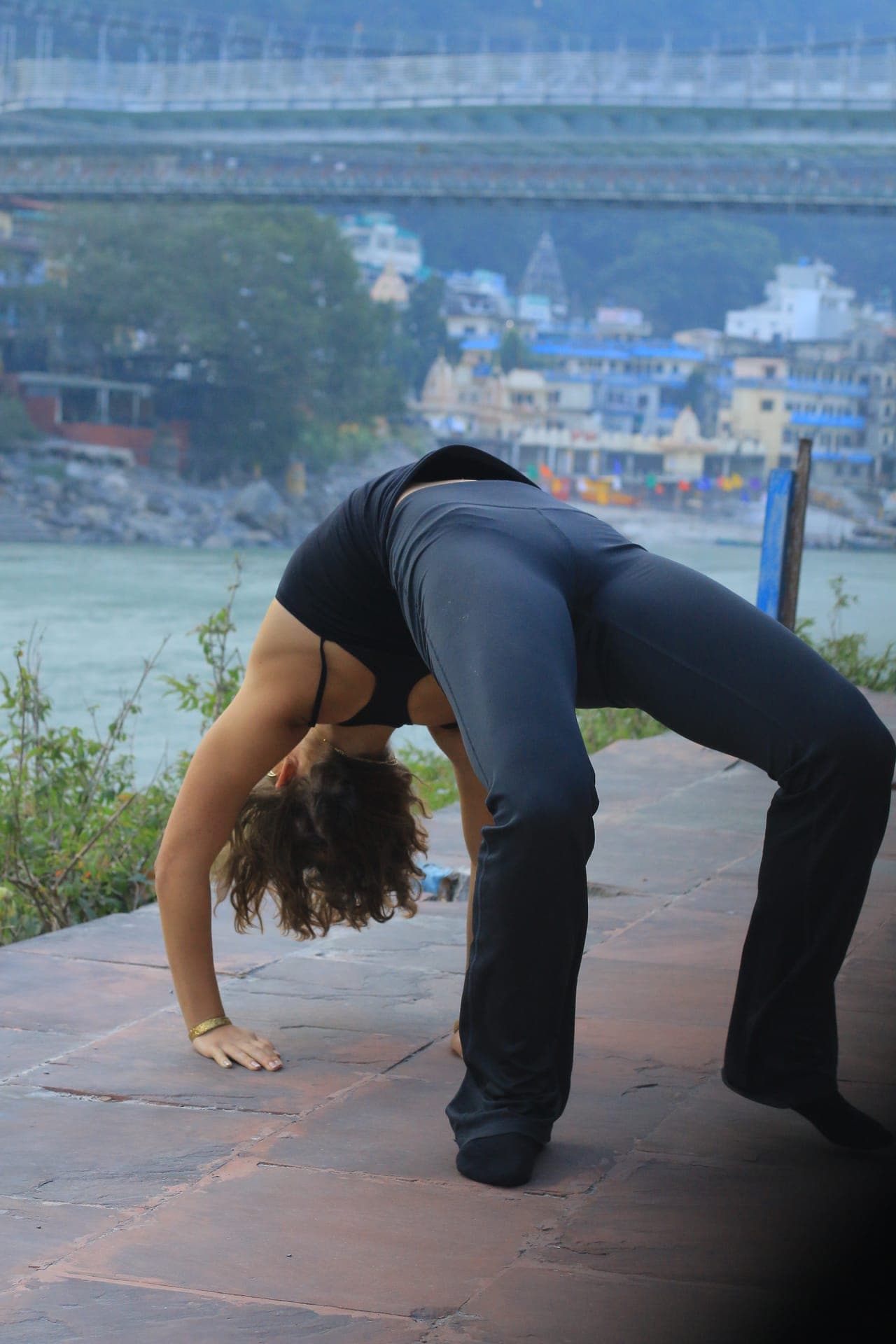
For American yoga students, traveling to India for teacher training is more than a cost-saving decision — it is the closest you can get to studying yoga in its source culture, under teachers whose lineages trace back hundreds of years. This guide is built for US students considering yoga teacher training in India: visa logistics, flight routes, money, time zones, and the practical questions that come up before booking.
Why American Students Choose India
A 200-hour residential YTT in the United States typically costs between $3,500 and $7,500. The same depth of training in Rishikesh runs from $400 at Swaastik Yog School — and that price includes accommodation, three meals a day for the duration, study materials, and certification. Beyond the cost, American students consistently report that training in India delivers something domestic programs cannot: immersion in the culture that birthed yoga, free from the schedules and distractions of American life.
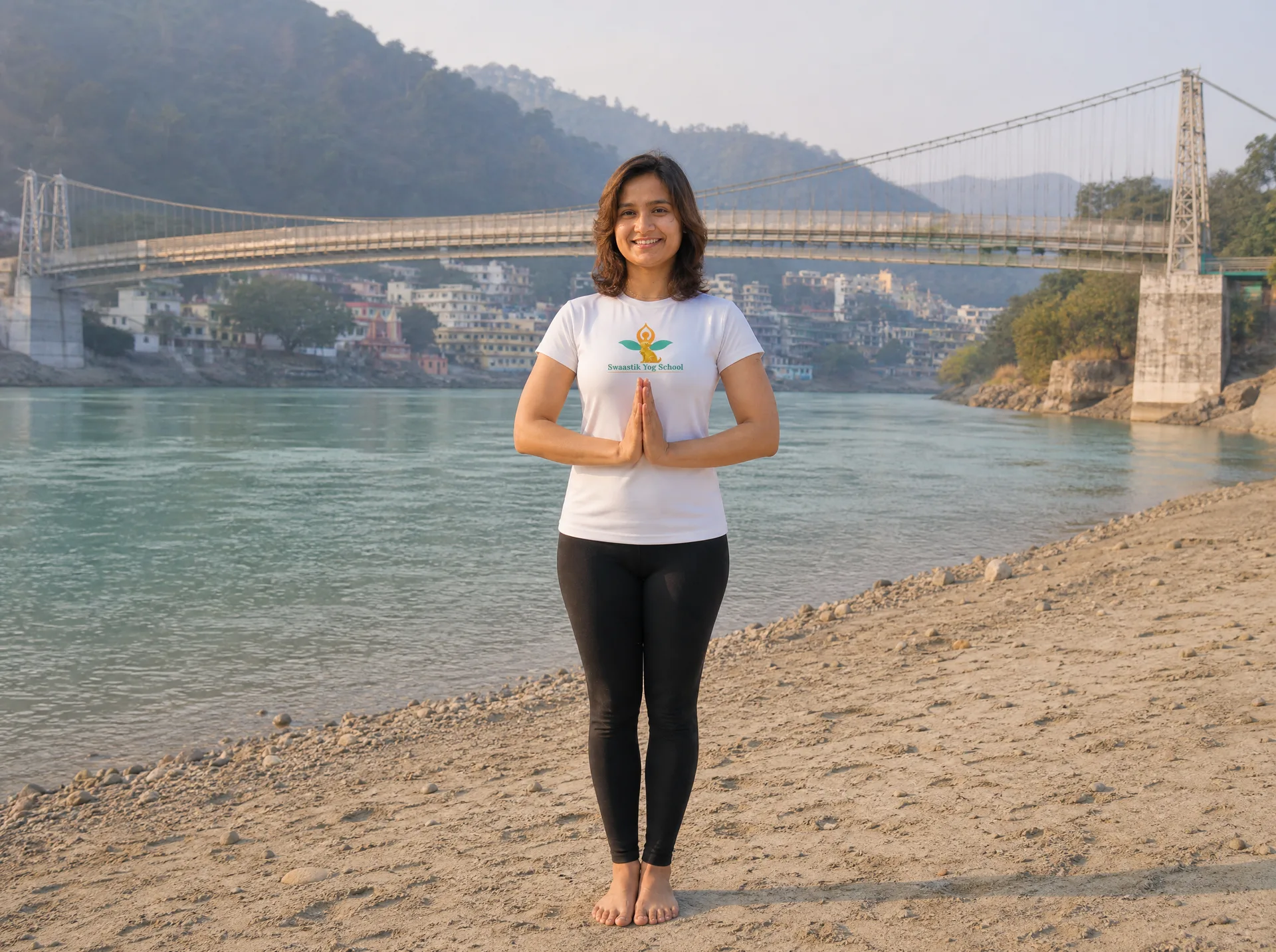
Indian Visa Requirements for US Citizens (2026)
US passport holders apply for an Indian e-Tourist Visa online. The process is straightforward.
- Apply at:
indianvisaonline.gov.in/evisa. Use the official site only — many third-party sites charge inflated fees for the same government service. - Visa types relevant for YTT: 30-day single entry ($25), 1-year multiple entry ($40), 5-year multiple entry ($80). For a 200-hour course (24 days), 30-day suffices. The 1-year is excellent if you plan future trips.
- Processing time: 3 to 5 business days standard. Apply at least 2 weeks before departure.
- Required documents: Passport valid 6 months beyond your return date with 2 blank pages, a recent passport-style photo (white background, JPEG), a clear photo of your passport bio page.
- The ETA: Approval comes by email as an Electronic Travel Authorization. Print it and present at the Indian airport.
Flights from the United States to Rishikesh
Delhi (DEL) is the standard arrival airport. Major US gateways with options to Delhi include New York (JFK, EWR), Chicago (ORD), San Francisco (SFO), Los Angeles (LAX), and Washington (IAD).
Routes and Flight Times from the US
- From the East Coast (NYC, Boston, DC): Direct flights via Air India and United Airlines run 14 to 15 hours. Expect to pay $900 to $1,400 round trip outside peak season.
- From the Midwest (Chicago): Air India operates ORD-DEL direct (around 15 hours), $950 to $1,500.
- From the West Coast (SFO, LAX, SEA): Direct service is rarer. Most routings go via Tokyo, Hong Kong, Frankfurt, or Doha. Total travel time 18 to 22 hours including layover. Pricing $1,000 to $1,700.
- Best-value carriers: Emirates, Qatar Airways, Lufthansa, and Air India consistently offer competitive fares with one stop. Book 8 to 12 weeks ahead for best prices.
From Delhi to Rishikesh
- Pre-arranged airport taxi: 5 to 6 hours, around $55 to $90. The most popular option for first-time visitors. We coordinate this for our students; the driver greets you at arrivals with a name placard.
- Domestic flight to Dehradun (DED): 50 minutes, $50 to $100 one-way (IndiGo, Air India, SpiceJet). From DED, a 1-hour taxi to Rishikesh.
- Train (Shatabdi Express to Haridwar): 4 to 5 hours, $10 to $20 in chair car class, then 30-minute taxi.
Most American students take the pre-arranged taxi after a long flight. It is comfortable, predictable, and lets you decompress.

Money: USD, INR, and Realistic Costs
USD to INR currently trades at roughly $1 = ₹84 (subject to change). Outside your course fees and flights, plan around these on-the-ground costs.
- Daily personal spending: $10 to $20 for cafés, snacks, auto-rickshaws, laundry, and small purchases.
- Course-end tips and gratuities: $30 to $50 across teachers and ashram staff (entirely optional).
- Excursions and treatments: Ayurvedic massage $20 to $30. Day trip into the Himalayas $25 to $45.
- Souvenirs: $75 to $200 covers excellent yoga clothing, books, malas, and incense.
Cards and cash: Most US debit cards work at Indian ATMs (Visa, Mastercard, Discover). Inform your bank of travel dates beforehand. Bring some USD cash ($200 to $300) as a buffer; you can exchange at the airport on arrival or in Rishikesh's exchange offices. Avoid carrying large amounts.
Time Zones and Calling Home
India Standard Time (IST) is 9.5 hours ahead of US Eastern Time, 10.5 ahead of Central, 11.5 ahead of Mountain, and 12.5 ahead of Pacific Time (offsets shift by an hour during US daylight saving).
- For East Coast family calls: Your evening (after dinner, around 8 to 10 PM IST) is roughly 10:30 AM to 12:30 PM ET — perfect to catch family during their morning.
- For West Coast family: Lunch break (1 to 2 PM IST) corresponds to roughly 12:30 to 1:30 AM PT — not great. Try late evening IST (10 PM IST = 9:30 AM PT) instead.
- WhatsApp and FaceTime over Wi-Fi: Both work well. Wi-Fi is provided at the school but is not always reliable — manage expectations.
For reliable mobile, buy an Airtel or Jio prepaid SIM in Delhi airport on arrival ($4 to $7 for 28 days with abundant data). Your US carrier's roaming is typically expensive in India.
Best Time for American Students
Most US students travel during their employer's PTO windows. Here is when each season works best.
- October to mid-November: Ideal weather (22 to 28°C / 72 to 82°F days, cool evenings). Aligns with American Thanksgiving for some — combine YTT with extended leave for a 5-week trip.
- February to April: Excellent. Spring break and Easter often align well. Avoid late March if you do not want to be caught up in Holi (the color festival is wild fun for some, overwhelming for others).
- December to January: Cold mornings (40 to 55°F), warm afternoons. Quieter and more reflective. Suits people escaping American holiday season pressure.
- May to June: Hot (90 to 100°F). Discounted rates. For heat-tolerant students.
- July to September: Monsoon. Most schools pause. Avoid.
What to Pack from the US
- Layers: Mornings are cool October through April. Bring a light fleece, beanie, and warm socks.
- Modest clothing: Rishikesh is a sacred town. Cover shoulders and knees outside of class — t-shirts and longer shorts work well.
- Yoga apparel: 2 to 3 sets of leggings and supportive tops. Yoga clothing in the US tends to be of high quality; bring your favorites and supplement with cheaper Rishikesh finds.
- Toiletries you depend on: Specific dental floss, sunscreen brands, and skincare are easier to bring than to source. Tampons can be hard to find — pack what you need.
- Universal travel adapter: India uses Type C and D plugs (different from US Type A and B). A universal adapter is essential.
- OTC medications: Bring ibuprofen, antihistamines, oral rehydration sachets, and a doctor-prescribed antibiotic for travelers' diarrhea (Cipro or azithromycin commonly).
- Copy of essential documents: Make digital and printed copies of your passport, visa, insurance card, and emergency contacts. Email yourself the digital copies as a backup.
- Travel insurance: Mandatory. Get comprehensive coverage including medical evacuation. Companies like World Nomads, IMG Global, or Allianz offer plans suited to American travelers.
Health and CDC Recommendations
The CDC's India page is the authoritative reference for US travelers. Routine recommendations as of 2026 typically include hepatitis A, typhoid, and tetanus. Some travelers add hepatitis B, Japanese encephalitis (for longer trips), and rabies (if you plan rural travel). Visit a travel clinic at least 6 weeks before departure.
Indian water is not potable for most foreigners. Drink only bottled or filtered water. We provide ample filtered water at the ashram. Eat fresh, hot, vegetarian food at established restaurants and you will likely stay healthy.
Cultural Adaptation for Americans
- No alcohol or meat in Rishikesh. The town is dry. Vegetarian-only food. Plan accordingly if you've never gone four weeks without meat — most students adapt within a few days and feel better for it.
- Dress modestly outside class. Showing too much skin draws unwelcome attention. Loose pants or longer shorts and t-shirts work universally.
- "Indian time" is real. Things often run 15 to 30 minutes late. Bring patience.
- Tipping: 10 percent at restaurants is generous. Round up auto-rickshaw fares. Tip porters $1 to $2.
- Power outages happen. Don't be alarmed by occasional 5 to 30 minute power cuts. Bring a portable phone battery.
After You Return: Teaching in the US
Your 200-hour certificate from a Yoga Alliance Registered School (RYS) qualifies you to register as RYT-200 with Yoga Alliance — the standard credential American studios require. Registration is $50 plus a $65 annual fee.
US yoga teaching pays $40 to $120 per class depending on city and studio. Major markets like New York, Los Angeles, and the Bay Area pay top rates but are saturated. Many alumni find better income and lifestyle teaching in mid-sized cities, building corporate wellness programs, or running their own retreats. The 300-hour qualification (RYT-500) opens advanced teaching and retreat-leading roles, often paid significantly more.
Ready to Plan Your Trip?
If yoga teacher training in India is in your near future, start by picking your course. The 200-hour TTC is the standard. The 100-hour course is a shorter immersion if you can't take a full month away. The 300-hour TTC is for existing RYT-200 graduates ready to advance. See all options side-by-side on the course comparison page.
Tens of thousands of American yoga students have completed teacher training in India. Most return home with more than a certificate — they return with a deeper relationship to themselves and the practice. The cost of your trip will be among the best educational investments you ever make.