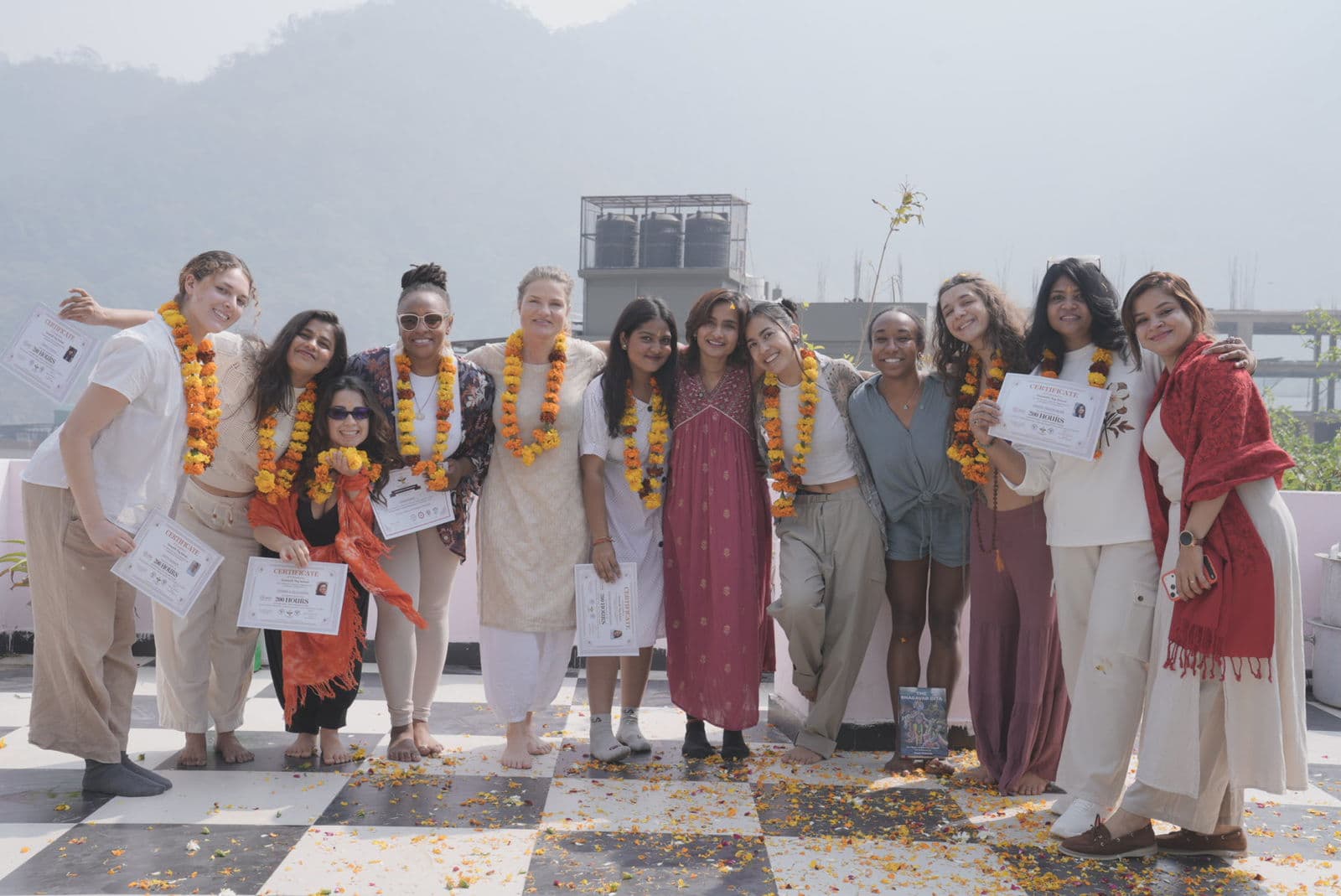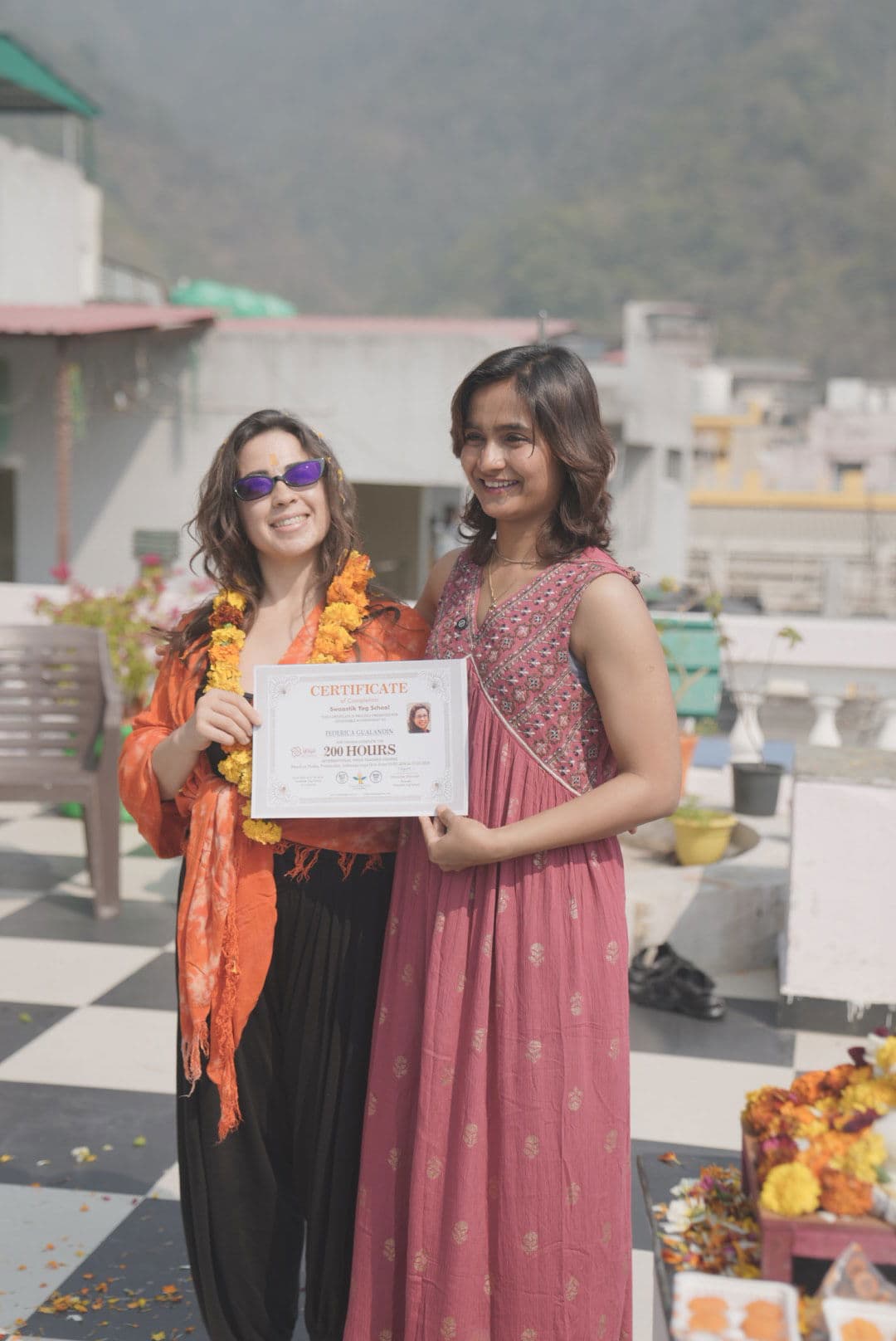
Here is a truth that every experienced yoga teacher knows but few say out loud: yoga teacher training for beginners is not only possible, it is often where the most powerful transformations happen. If you are reading this with a voice in your head saying you are not flexible enough, not experienced enough, or not ready, you are exactly the person this guide is written for. At Swaastik Yog School in Rishikesh, some of our most successful graduates arrived as complete beginners, and they went on to become some of the most authentic, compassionate teachers we have ever trained.
Can Beginners Really Do Yoga Teacher Training?
Absolutely. This is one of the most common questions we receive, and the answer is unequivocal. Yoga teacher training for beginners is not only accepted at most reputable schools — it is welcomed. Here is why.
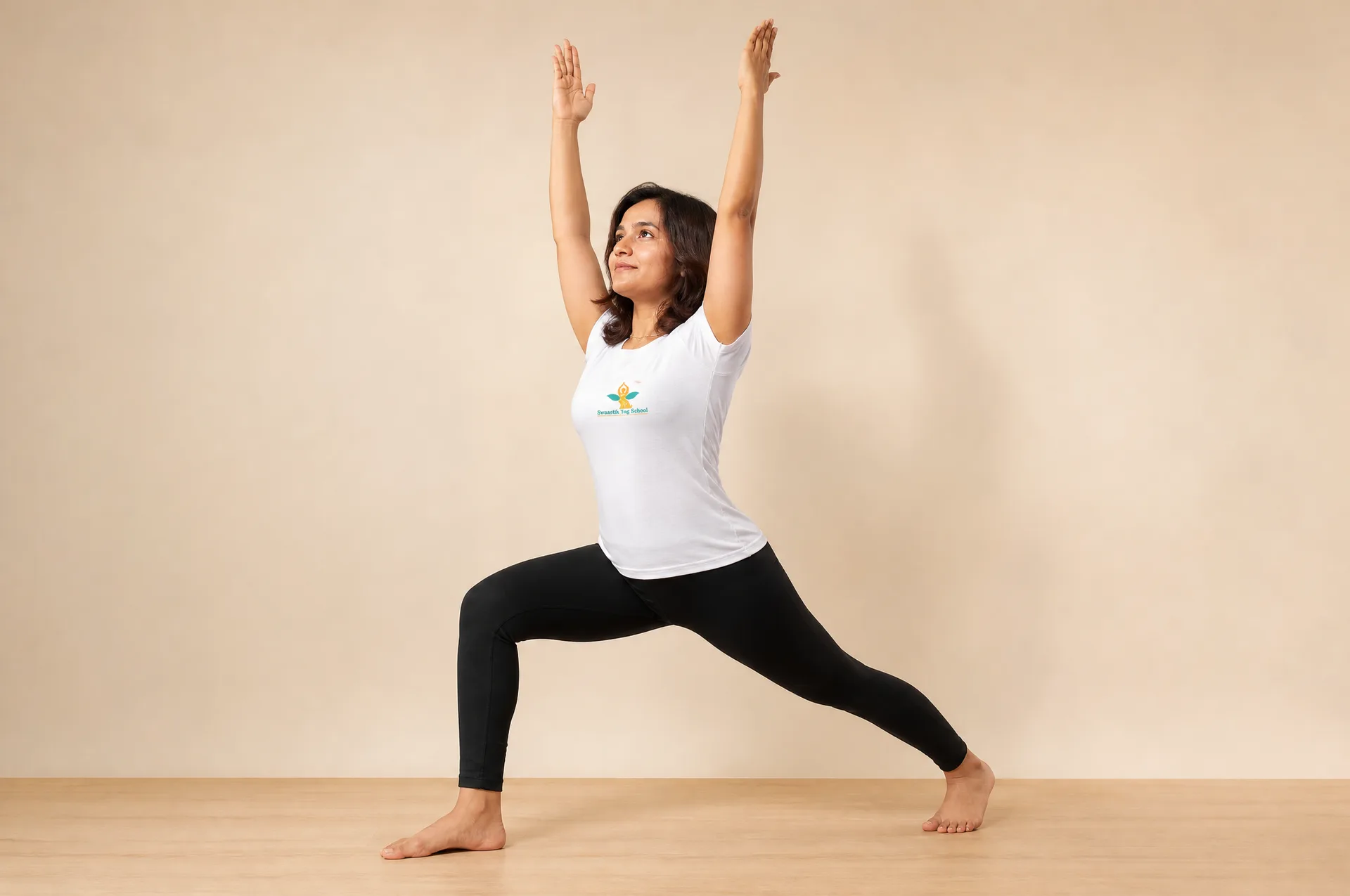
YTT Is Designed as Education, Not Performance
Teacher training is fundamentally an educational program. You are there to learn, not to demonstrate mastery. The entire purpose of a 200-hour certification is to take someone from wherever they are and build a comprehensive foundation. This means the curriculum assumes you are starting from the beginning — covering every asana in detail, teaching you alignment from scratch, explaining anatomy in accessible language, and building your teaching skills step by step.
Beginners Often Make Better Teachers
This is counterintuitive but consistently true. Students who arrive with years of advanced practice sometimes struggle to teach beginners because they have forgotten what it feels like to not understand a pose. They have internalized alignment cues so deeply that they cannot articulate them simply. Beginners, by contrast, remember every struggle, every confusion, every small victory. This gives them extraordinary empathy and the ability to meet their future students exactly where they are.
The Yoga Sutras Do Not Mention Handstands
Yoga is not about touching your toes or holding a headstand for five minutes. The Yoga Sutras of Patanjali, the foundational text of yoga philosophy, define yoga as the cessation of the fluctuations of the mind. Physical practice is one tool among many. A teacher training that emphasizes this holistic understanding over physical performance is the right training for everyone, and especially for beginners.
Common Fears About Yoga Teacher Training (and the Reality)
Let us address the specific anxieties that hold beginners back.
"I Am Not Flexible Enough"
Reality: Flexibility is a result of consistent practice, not a prerequisite for it. You will become significantly more flexible during your training. Every pose has modifications, and good teachers provide them generously. You do not need to touch your toes to start — you need the willingness to reach for them.
"I Cannot Do Arm Balances or Inversions"
Reality: Neither can most people at the start of training. Advanced poses are taught progressively with preparatory exercises and props. Many teachers never include arm balances in their regular classes anyway. Your ability to teach a safe, well-sequenced beginners class is infinitely more valuable than your ability to hold Crow Pose.
"I Am Not Fit Enough"
Reality: YTT is physically demanding, but it is designed to build your capacity over the course of the program. You will be sore, you will be tired, and you will be stronger by the end than you have ever been. A reasonable level of general fitness — the ability to walk for an hour, climb stairs without distress, and sit on the floor — is sufficient.
"I Do Not Know Any Sanskrit"
Reality: Sanskrit terminology is taught throughout the training. By the end, you will know the Sanskrit names for dozens of poses, the key philosophical terms, and basic mantra pronunciation. Nobody expects you to arrive speaking a 3,000-year-old language.
"I Am Too Old"
Reality: We have had students in their 20s and students in their 60s complete training successfully. Yoga meets you where you are. Age brings wisdom, life experience, and a depth of perspective that enriches the entire group. If your doctor approves you for physical activity, you can do YTT.
"Everyone Else Will Be Advanced"
Reality: Most cohorts are a mix of complete beginners, intermediate practitioners, and a few advanced students. Schools that offer yoga teacher training for beginners explicitly design their curricula to serve this range. You will not be alone.
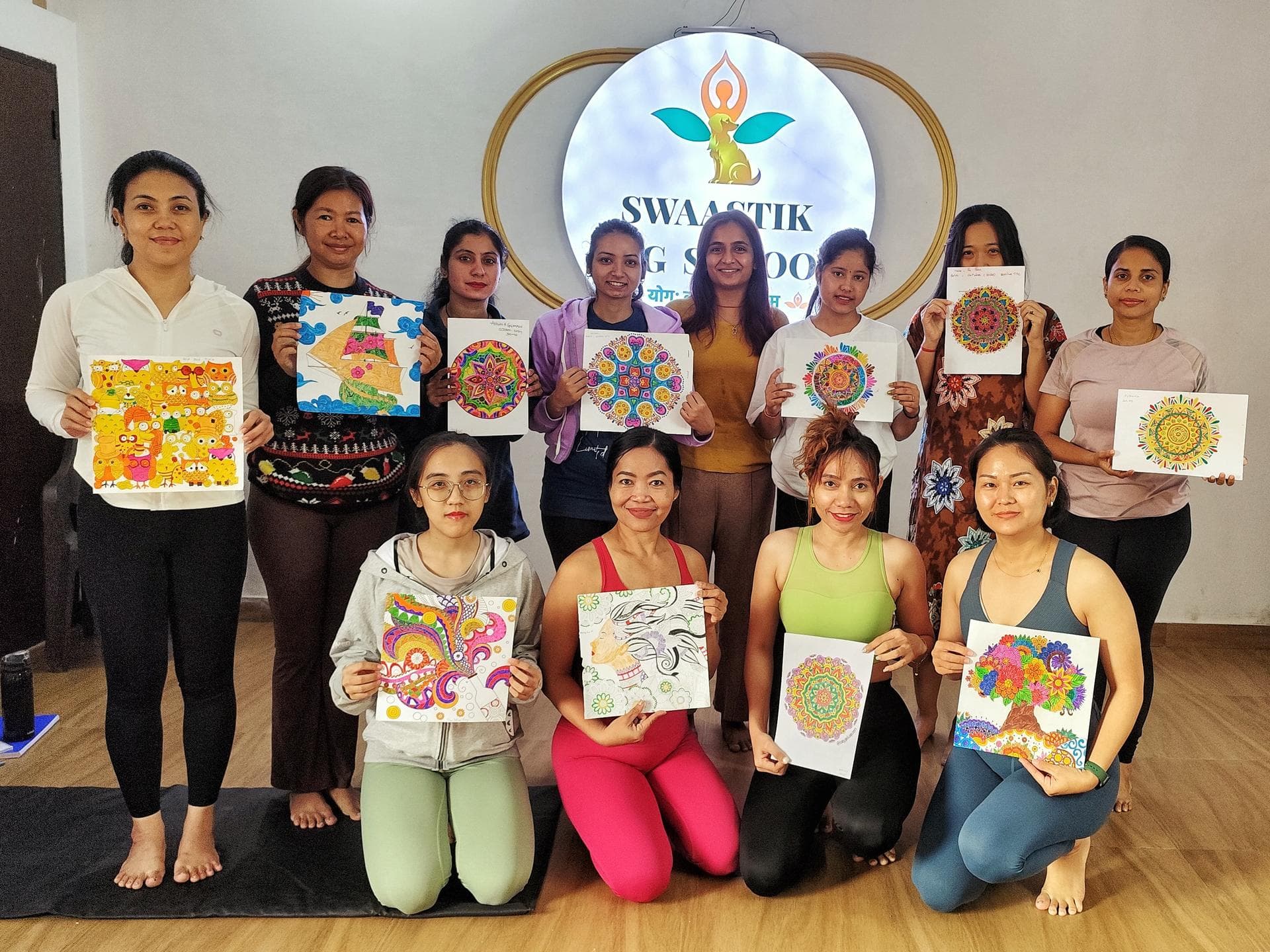
How to Prepare for Yoga Teacher Training as a Beginner
While you do not need to be advanced, some preparation will make your experience smoother and more enjoyable.
Physical Preparation (2 to 3 Months Before)
- Start a regular yoga practice: Aim for three to four sessions per week, even 30-minute sessions at home using YouTube or an app. This builds baseline familiarity with common poses and helps your body adapt.
- Build core strength: A strong core protects your lower back during intensive practice. Simple planks, boat pose, and leg lifts three times per week make a meaningful difference.
- Work on hip flexibility: Tight hips are the biggest physical challenge for most beginners. Daily hip openers like pigeon pose, butterfly pose, and low lunges prepare you well.
- Strengthen your wrists: You will be doing many push-up-like movements. Wrist circles, plank holds, and gentle stretches prevent strain.
- Practice sitting on the floor: Cross-legged seated positions feature prominently in meditation and lectures. If sitting on the floor is uncomfortable, practice building up your tolerance over weeks.
Mental Preparation
- Read one foundational text: Light on Yoga by B.K.S. Iyengar, The Heart of Yoga by T.K.V. Desikachar, or a simplified version of the Yoga Sutras will give you helpful context without overwhelming you.
- Start a meditation practice: Even five minutes daily. Sitting with yourself in silence is a skill that training will demand, and it is much easier if you have some experience.
- Set an intention: Why are you doing this? To become a teacher? To deepen your practice? To heal? To challenge yourself? Clarity of purpose carries you through difficult days.
- Release expectations: Do not arrive expecting to look like Instagram yoga. Arrive expecting to learn, to grow, and to be surprised by your own capacity.
Practical Preparation
- Adjust your sleep schedule: Start waking up at 5:30 AM two weeks before training. The early morning schedule is one of the biggest adjustments.
- Reduce caffeine gradually: Many schools serve only herbal tea. Going cold turkey on coffee during an already intense experience compounds the difficulty.
- Pack smart: Comfortable, stretchy clothing in layers. A good yoga mat if you prefer your own. A refillable water bottle. A journal for processing your experience.
Choosing the Right Program for Beginners
Not all programs are equally beginner-friendly. Here is how to choose wisely.
100-Hour YTT: The Ideal Starting Point
If the idea of a full 200-hour training feels overwhelming, consider starting with a 100-hour yoga teacher training. Running 10 to 14 days, it provides a solid foundation in asana, pranayama, meditation, and basic philosophy without the full intensity of a longer program. Many students complete 100 hours first, then return for the 200-hour certification with confidence and familiarity.
200-Hour YTT: The Standard Path
The 200-hour program is the most popular choice and is absolutely accessible to beginners. Look for programs that explicitly state they welcome all levels and emphasize teaching methodology alongside physical practice. At Swaastik Yog School, our 200-hour curriculum is carefully paced to ensure beginners build skills progressively without being left behind.
What to Look for in a Beginner-Friendly School
- Explicit welcome for all levels in the program description
- Small class sizes (under 20 students) so teachers can give individual attention
- Experienced teachers who have trained beginners specifically
- Props availability: Blocks, straps, bolsters, and blankets allow modification of every pose
- Progressive curriculum: Poses and concepts build week by week rather than assuming existing knowledge
- Supportive reviews: Read what past beginners have said about their experience
What Beginners Learn During Yoga Teacher Training
Here is the scope of what you will know by the end of a well-structured program.
Asana (Physical Postures)
- 70 to 100 poses including standing, seated, prone, supine, and inverted postures
- Proper alignment for each pose and common misalignments to watch for
- Modifications for different body types and ability levels
- How to use props effectively
- Sequencing principles for building safe, effective classes
Pranayama (Breathing Techniques)
- Ujjayi, Nadi Shodhana, Kapalabhati, Bhastrika, and Bhramari
- When and how to use each technique in a class setting
- Contraindications and safety considerations
Meditation
- Guided meditation techniques
- Mantra meditation and japa
- Yoga Nidra (yogic sleep)
- How to lead meditation for groups
Anatomy and Physiology
- Musculoskeletal system as it relates to yoga
- Joint mechanics and range of motion
- Common injuries and their prevention
- Contraindications for specific conditions
Philosophy
- Patanjali's Yoga Sutras and the Eight Limbs of Yoga
- The Bhagavad Gita's core teachings
- Chakra system and energy body
- Ethics of teaching
Teaching Methodology
- How to plan and sequence a class
- Verbal cuing and demonstration techniques
- Hands-on adjustments (with consent)
- Managing different levels in one class
- Building confidence as a new teacher
The Beginner's Advantage
We want to leave you with this thought: being a beginner is not a disadvantage in yoga teacher training. It is a gift. You arrive without bad habits to unlearn, without rigid ideas about how things should be done, and with a capacity for wonder that more experienced practitioners sometimes lose. You learn proper alignment from the start rather than having to correct years of misalignment. You absorb philosophy with fresh ears. And you develop into a teacher who never forgets what it feels like to be new.
The yoga tradition has a word for this: beginner's mind, or shoshin. It is the state of openness, eagerness, and lack of preconceptions that the Zen master Shunryu Suzuki described when he said, "In the beginner's mind there are many possibilities, but in the expert's mind there are few." Bring your beginner's mind to Rishikesh, and you will be amazed at what unfolds.
Start Your Journey
If this guide has quieted some of your doubts, that is exactly what we intended. Yoga teacher training for beginners is real, it is accessible, and it might be the most important thing you do this year. Whether you choose the 100-hour foundational program or dive into the full 200-hour certification, Swaastik Yog School in Rishikesh is a place where beginners are not just welcome — they are celebrated.
Take the first step. Contact us to discuss which program is right for your level, ask any questions, or reserve your spot. The only prerequisite is the courage to begin.