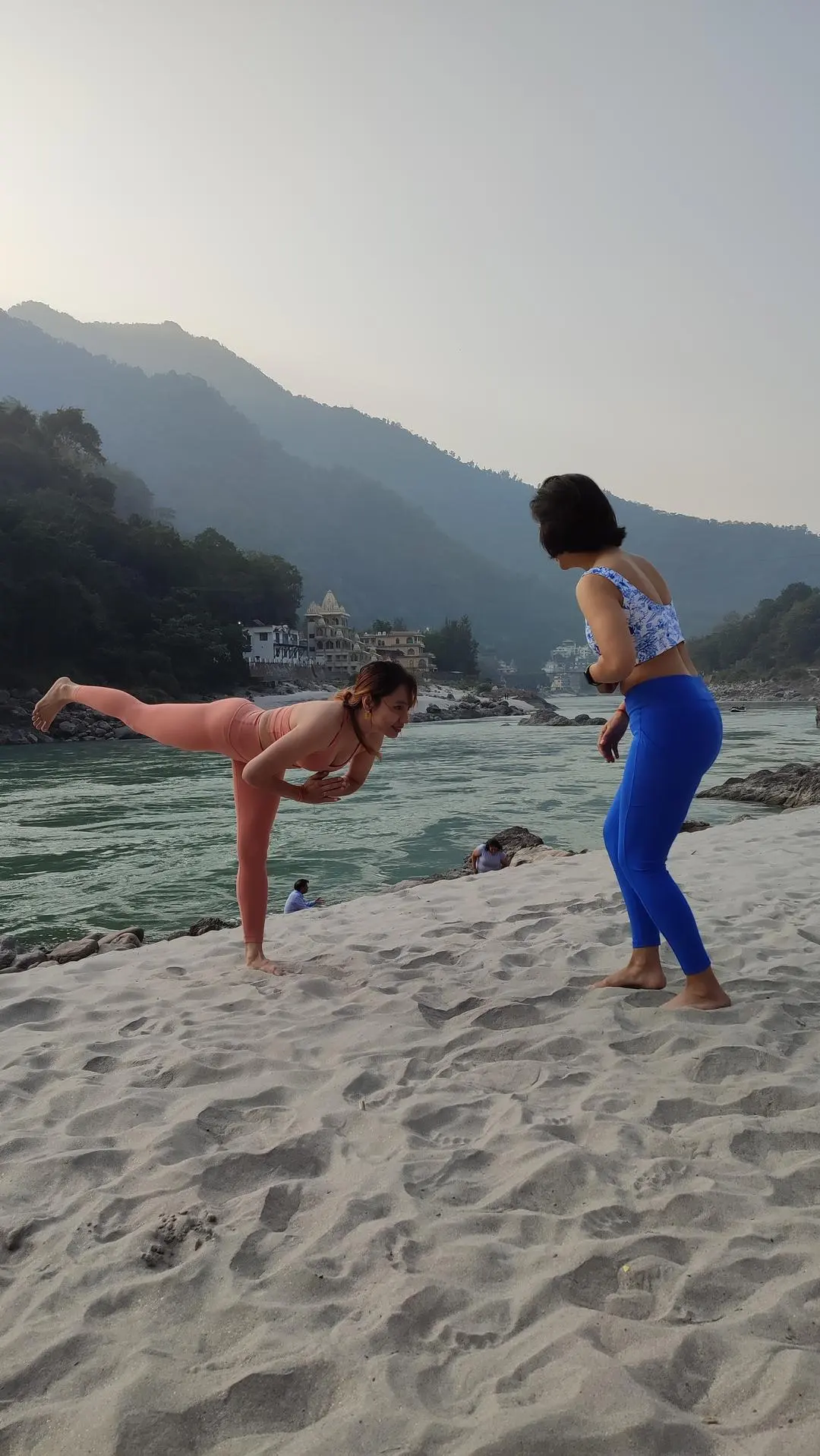
Experience the complete week-long transformative yoga retreat in Rishikesh, India — seven days of daily Hatha yoga, pranayama, deep meditation, Himalayan excursions, Ganga Aarti ceremonies, comfortable residential accommodation, and three sattvic meals daily, from just $250. Our 7-day retreat is designed for anyone seeking a profound personal reset, whether you are a complete beginner or an experienced practitioner ready to go deeper in the birthplace of yoga.
What is the 7-Day Yoga Retreat in Rishikesh?
The 7-Day Yoga Retreat at Swaastik Yog School is a complete week-long, all-levels immersion in Rishikesh, India — our most popular retreat for a full reset. Each day blends morning and evening yoga, pranayama, guided meditation, sound healing and Himalayan nature excursions, with comfortable accommodation and three daily sattvic meals included. No prior experience is needed. The all-inclusive price starts at $250 USD on double-sharing.
- Duration
- 7 days / 6 nights
- Price (all-inclusive)
- From $250 USD (double sharing)
- Suitable for
- All levels — beginners welcome
- Includes
- Yoga, meditation, meals, stay & excursions
- Location
- Tapovan, Rishikesh, India
时长
7天 / 6晚
价格
$250(双人间)
适合人群
所有水平
证书
参与
关于静修
我们在瑞诗凯诗的7天瑜伽静修是为追求真正蜕变的人提供的完整沉浸体验。这个静修给您整整一周时间脱离日常生活,深入瑜伽练习,探索瑞诗凯诗的灵性核心,真正体验瑜伽生活方式。结构化练习、文化探索和个人时间的完美平衡,带来身心灵的深刻转变。
可以期待什么
在7天里,您将参与每日瑜伽体式(哈他和流瑜伽)、冥想和调息练习。通过3次冰浴挑战自我,增强心理韧性和身体活力。通过3次精心策划的游览体验瑞诗凯诗的魅力,包括难忘的恒河祈祷仪式、寺庙参观和喜马拉雅山脚自然漫步。
这个静修不仅仅是假期——它是一个重置、反思的真正机会,让您带着新的视角、更深的练习和持久的回忆回家。
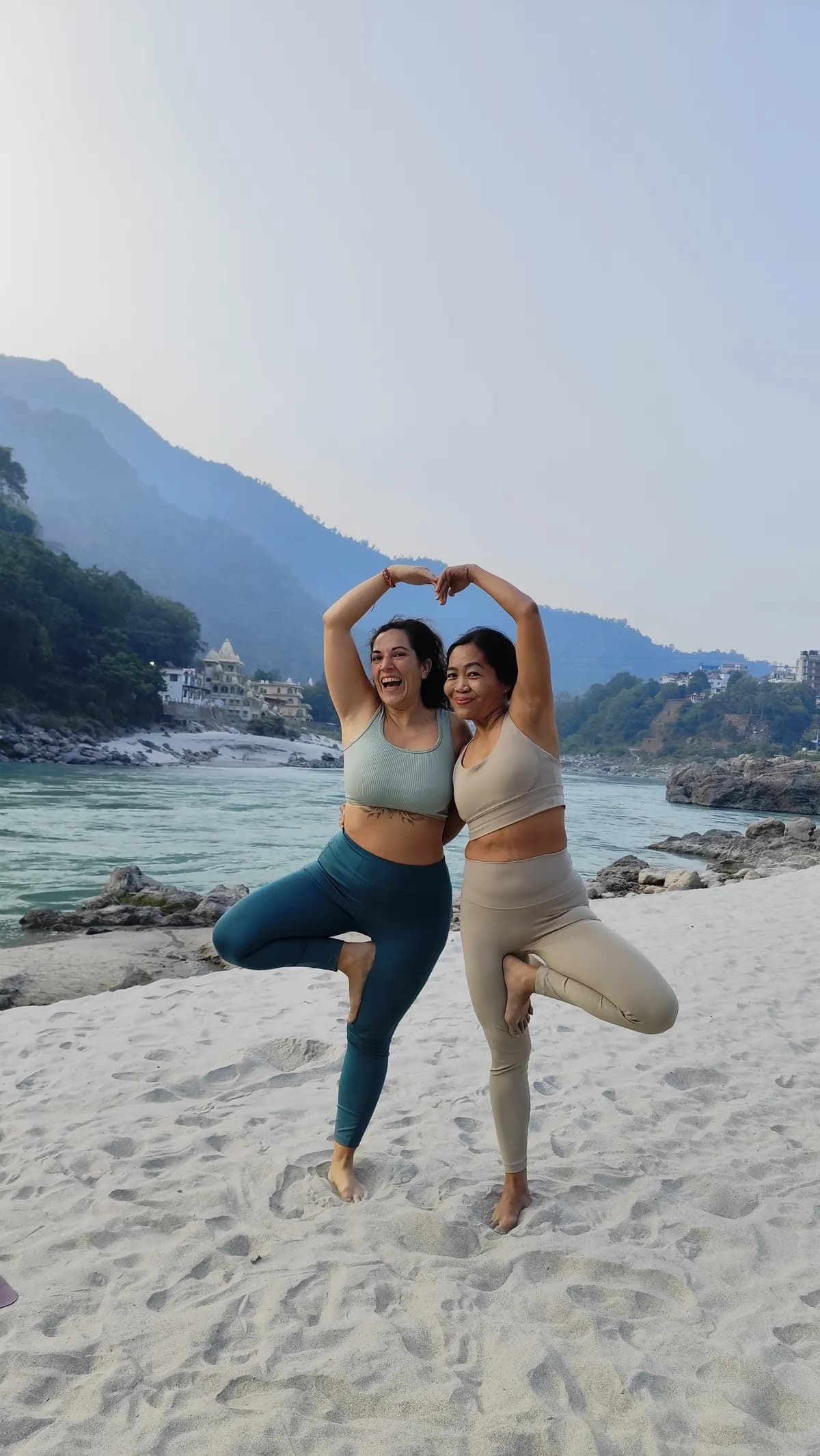
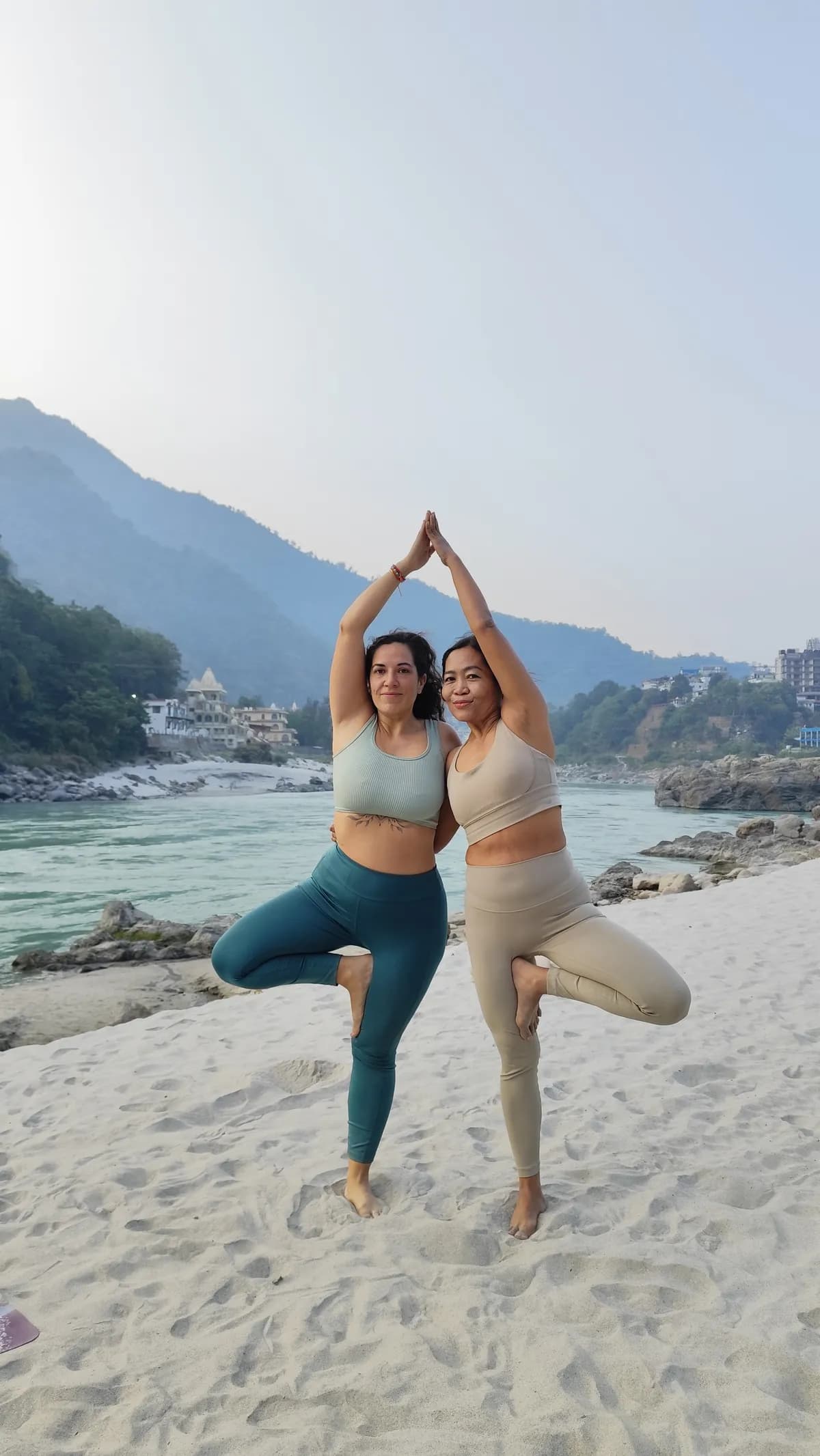
静修体验
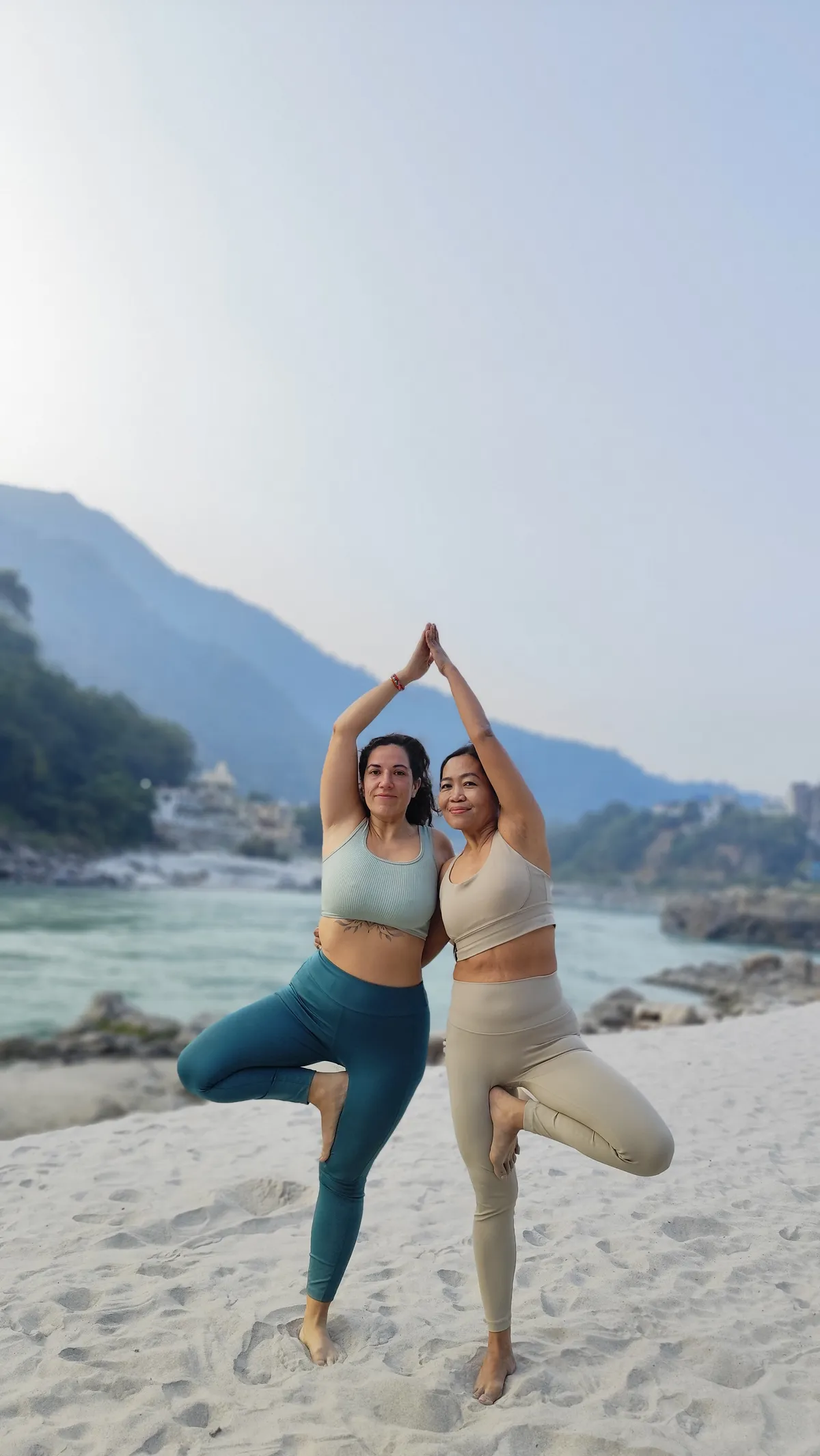
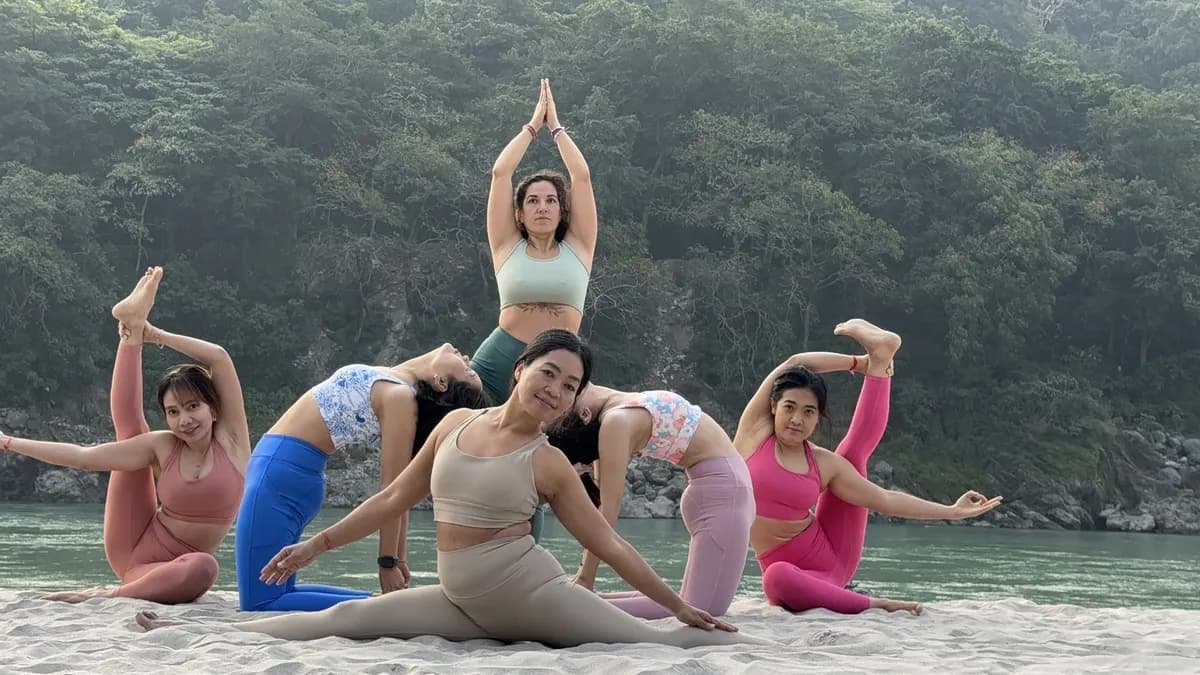
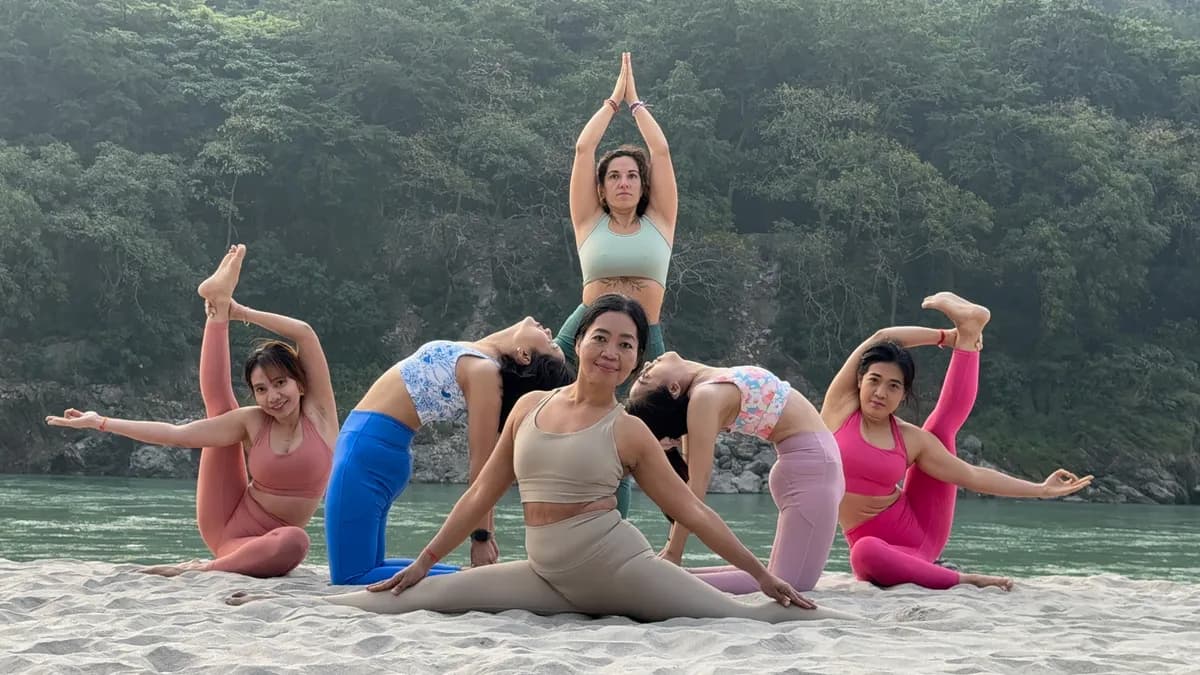
包含游览

恒河祈祷仪式
在神圣的恒河边体验神奇的晚祷仪式,伴随油灯、唱诵和灵性能量。
寺庙探索
参观瑞诗凯诗周边的古老寺庙和圣地,了解印度教哲学和灵性传统。
喜马拉雅自然漫步
在喜马拉雅山脚徒步,与自然连接,体验这个地区的宁静之美。
包含内容
- ✓7天 / 6晚共享住宿
- ✓每日7餐新鲜素食 + 下午茶
- ✓瑜伽用品(垫子、砖块、绑带)
- ✓3次冰浴体验
- ✓3次半日游览(含恒河祈祷仪式)
- ✓免费Wi-Fi & 宁静氛围
- ✓结业参与证书
*空调房间需额外付费。
每日安排
条款与条件
- •所有课程必须出席
- •严禁肉类、鱼类、蛋类、酒类、烟草和毒品
- •校园内禁止吸烟和饮酒
- •课程费和预订金不可退还
- •紧急情况下,学员可参加其他期次
Where You'll Stay — Our New Tapovan Campus
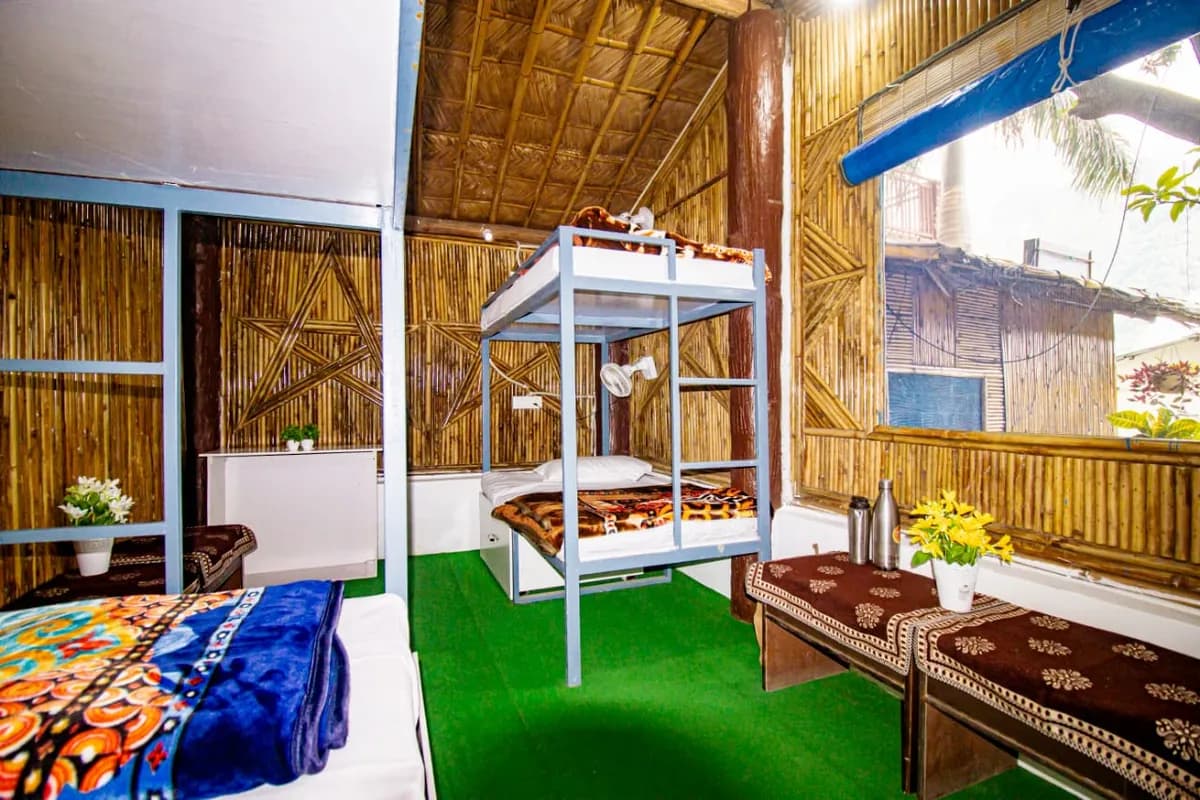
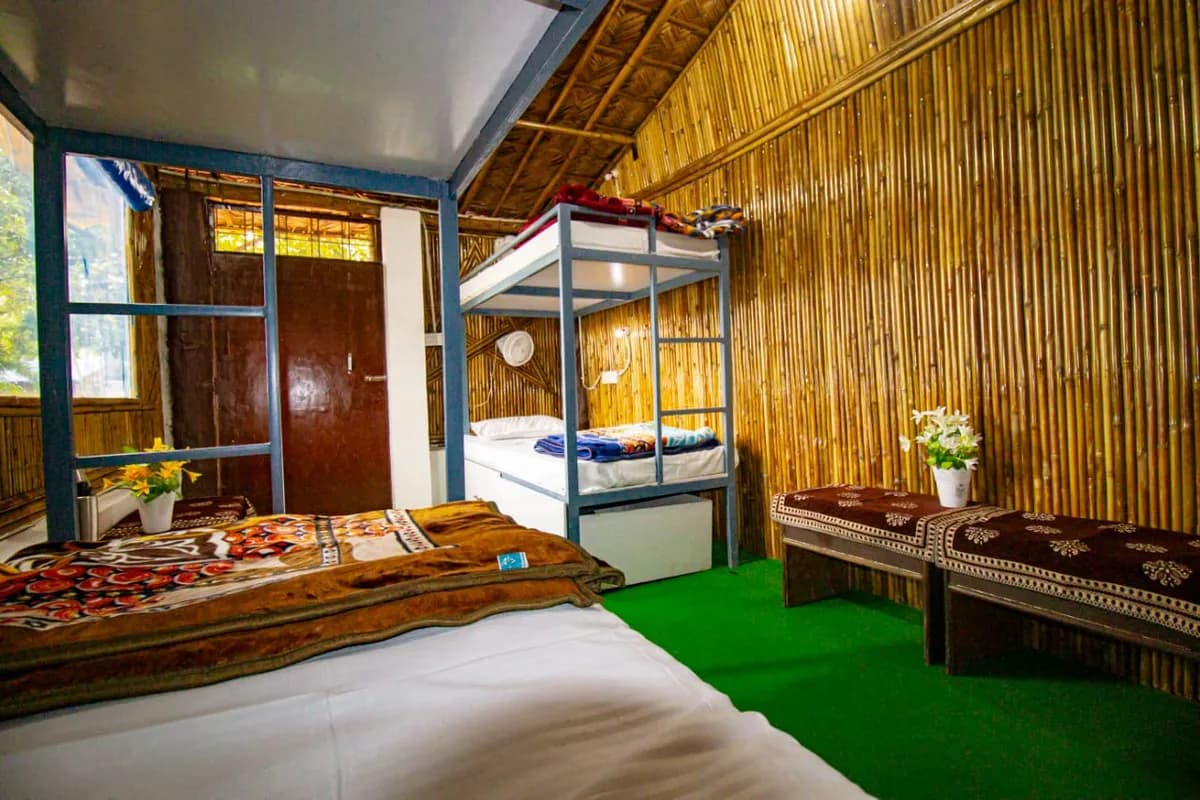
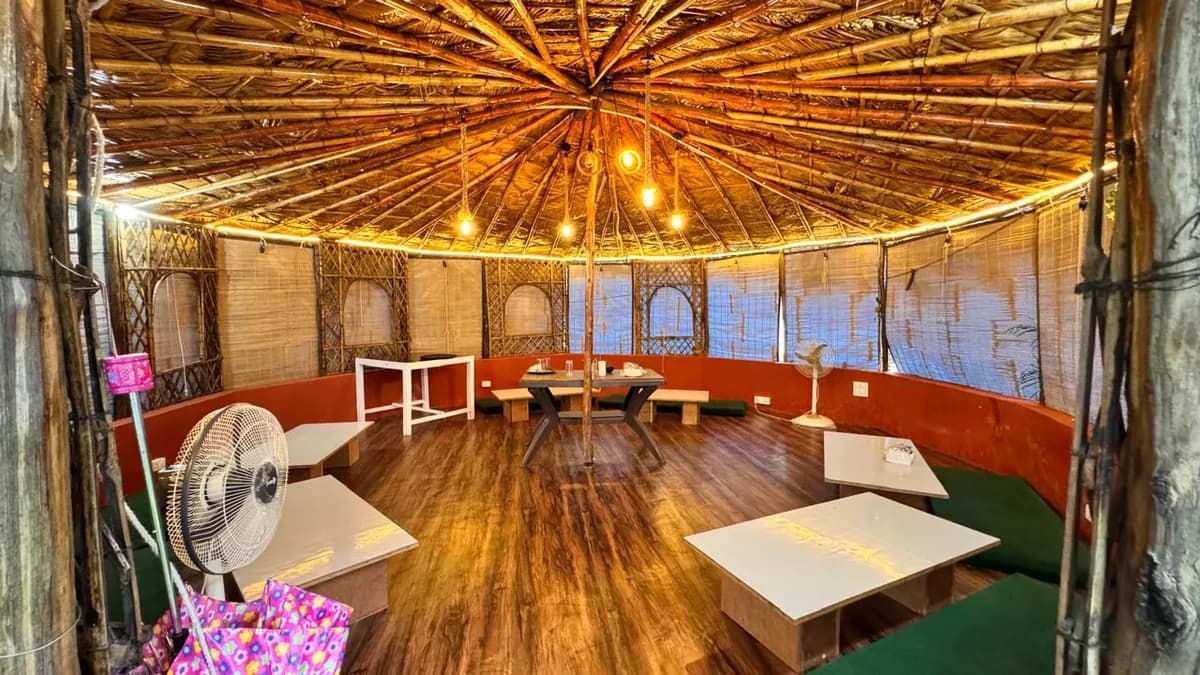
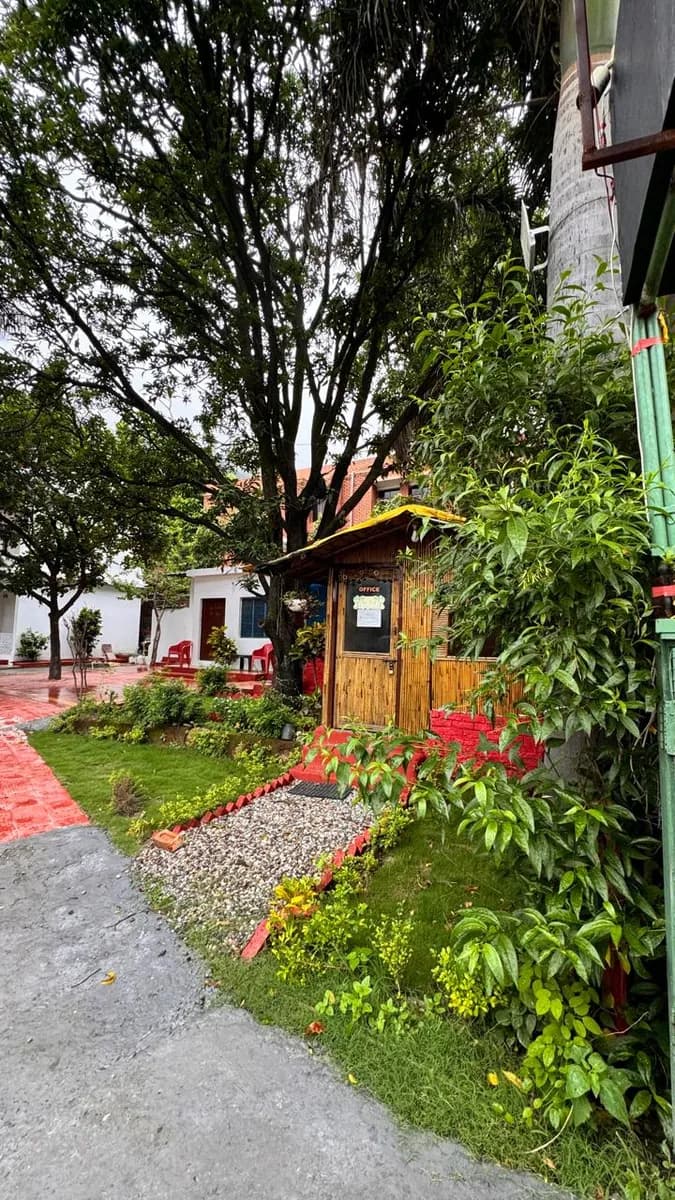
Here is exactly where you will stay during your retreat — our peaceful residential campus set among gardens and forest in Tapovan, Rishikesh, just a short walk from the Ganga. Choose a friendly dorm, a twin-shared room, or a private room, all with attached bathrooms and daily housekeeping.
Dormitory
Budget-friendly bamboo-cottage dorms with comfortable single & bunk beds — the most social way to stay.
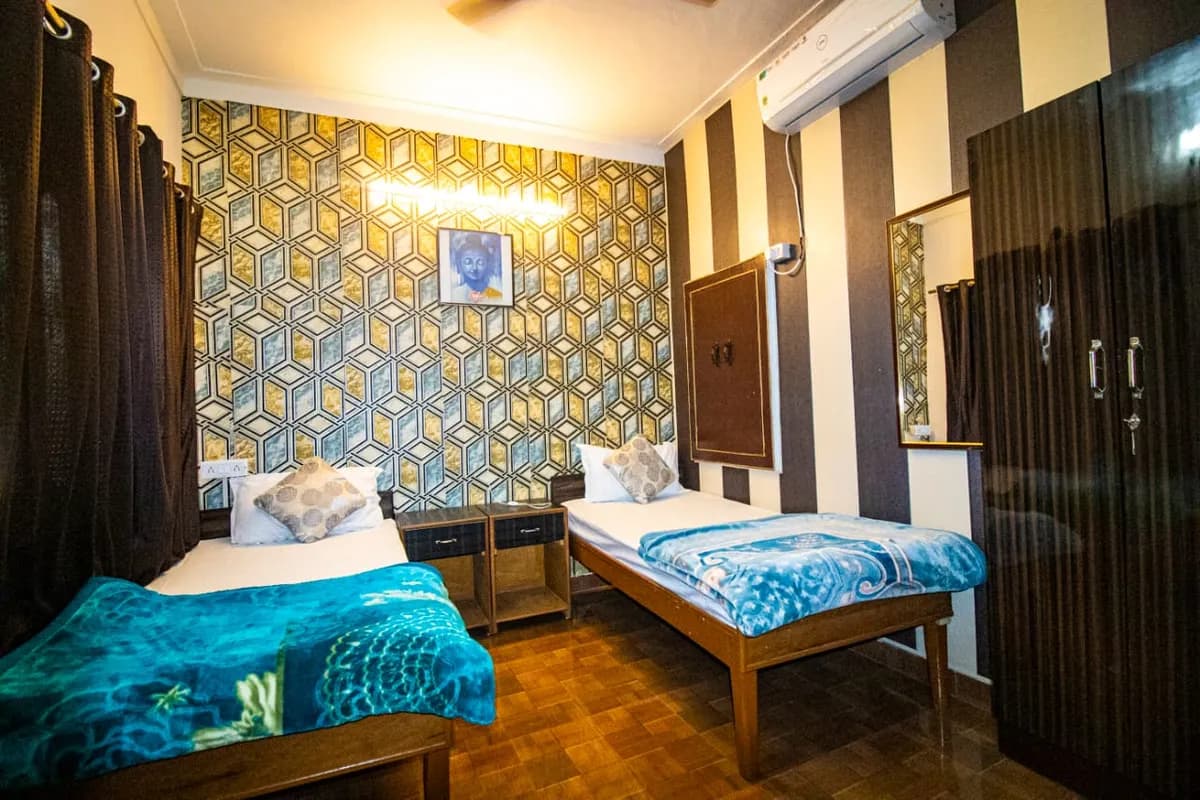
Twin-Shared Room
Bright twin rooms with two single beds, feature walls and en-suite bathroom — share with a fellow trainee.

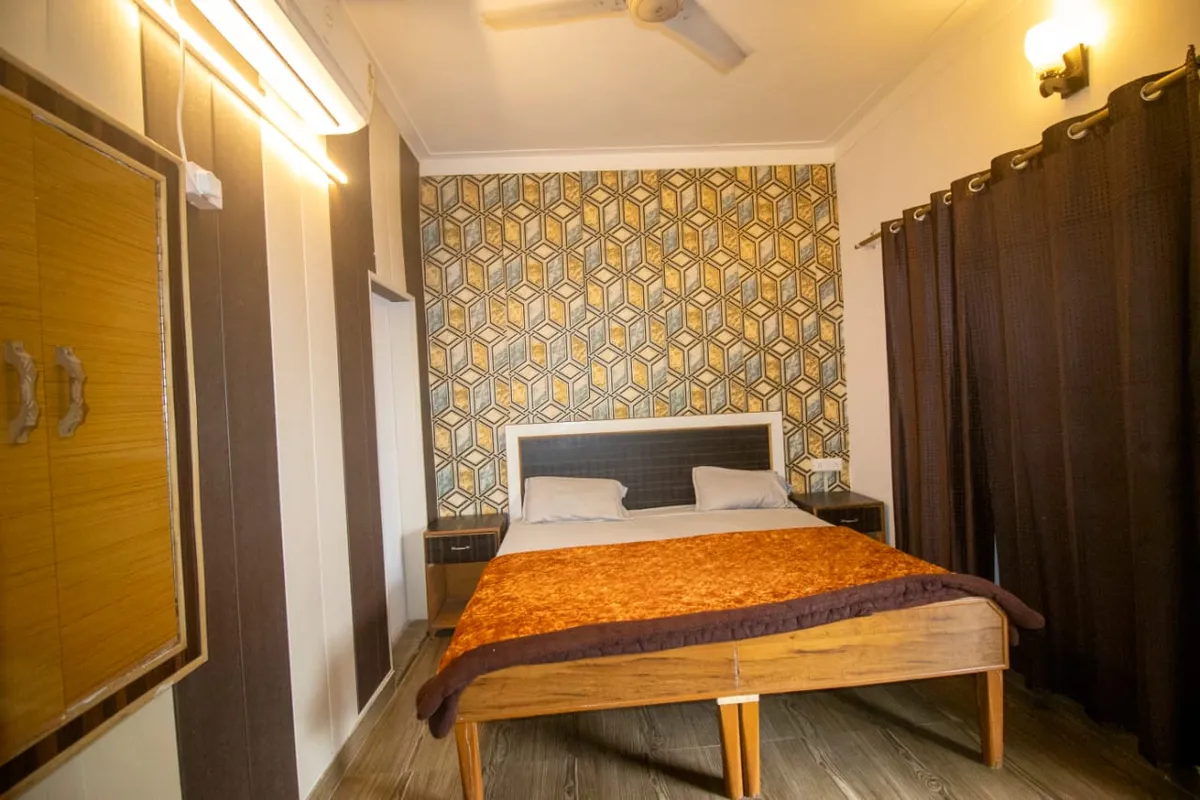
Private Room
Your own private room with a double bed, air-conditioning and attached bathroom for total quiet and rest.

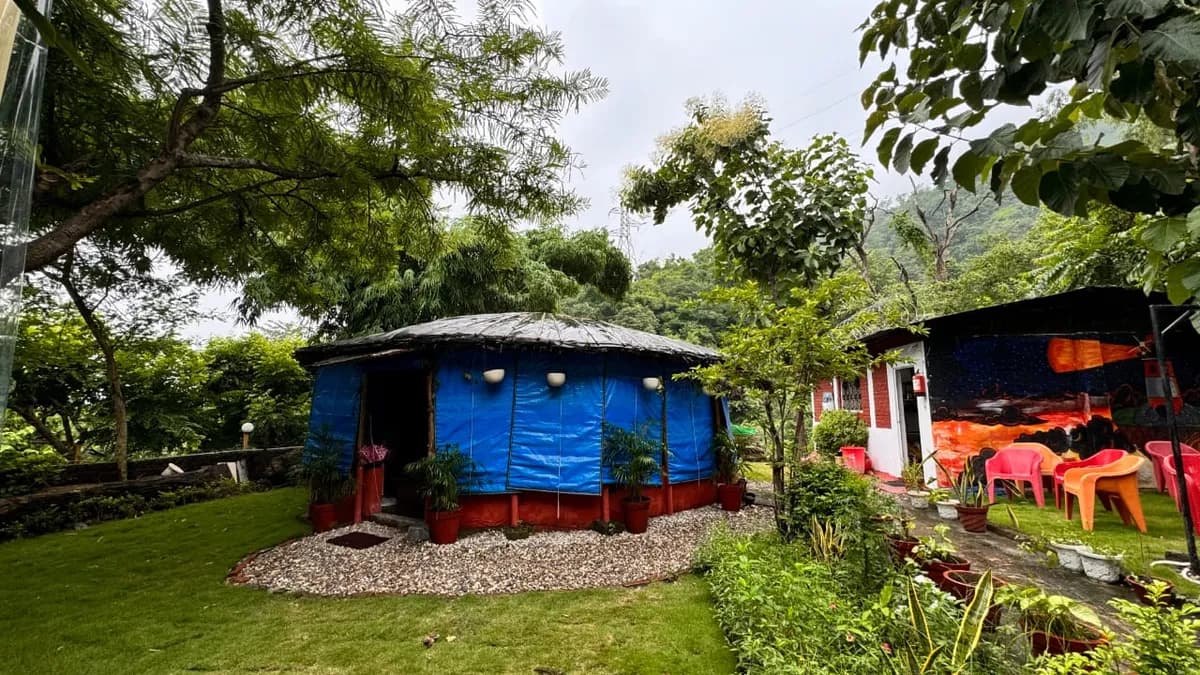
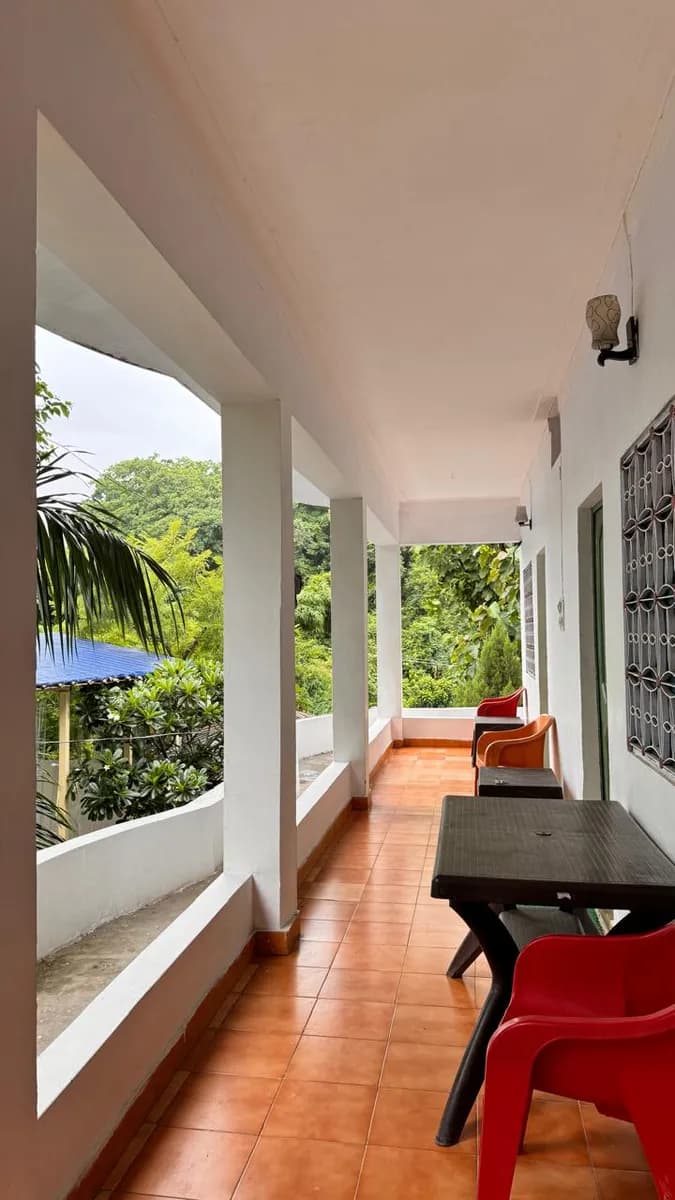
Gardens & Outdoor Space
Green gardens, forest-view balconies and a bamboo hall for meditation, study and simply relaxing between classes.
Why Seven Days Makes the Difference

A 7-day retreat is widely considered the minimum length for a genuine transformation. The first couple of days are naturally spent unwinding from the pace of everyday life — the mind settles, the body releases tension it has been holding for months, and you begin to feel present in a new way. By the middle of the week, a real rhythm has taken hold: morning practice feels natural rather than effortful, the breath comes more easily, and meditation deepens noticeably. The final days consolidate everything, giving you time to integrate what you have learned rather than rushing off before the benefits can take root.
Short retreats of one or two days can be restorative, but they rarely allow the nervous system enough time to fully down-regulate. With seven days, most participants notice a genuine shift in the quality of their sleep, a reduction in background anxiety, and a new relationship with stillness. These are not quick fixes — they are the beginnings of lasting change that you carry home.
Seven days also gives enough time to explore multiple dimensions of the practice: asana (posture), pranayama (breathwork), dharana (concentration), dhyana (meditation), yoga philosophy, and satsang. Rather than touching each lightly, you spend enough time with each that the connections between them become clear. The week does not feel rushed, and yet by the end you will have covered more ground than months of regular drop-in classes at home.
The Rhythm of a Retreat Day

Retreat life in Rishikesh follows the natural arc of the day rather than the clock on your phone. Mornings begin before the heat arrives and while the Ganga is still wrapped in mist — the ideal conditions for pranayama and meditation, when the mind is fresh and the air carries a particular clarity found only at altitude near a river. A morning asana session follows, with time to practice slowly and receive individual guidance.
Afternoons are typically softer. There is time for a sattvic lunch, rest, self-study, or a walk along the ghats. Some afternoons include a theory session or a guided excursion. The slower mid-day pace is intentional: rest and integration are as important to a retreat as the active practice sessions, and without them the nervous system does not fully recalibrate.
Evenings bring the day full circle with a gentle practice or meditation, followed by the famous Ganga Aarti ceremony on the riverbank — a fire ritual performed at dusk that has drawn seekers from around the world for generations. The chanting, the flames, the sound of the river at night: it is one of those experiences that stays with you long after you return home.
Between sessions there is genuine free time. A retreat is not a performance programme with back-to-back activities. You are encouraged to journal, rest, read, or simply sit by the river. This spaciousness is part of what makes a week-long retreat different from a week of yoga workshops.
Why Rishikesh for Your Retreat

Rishikesh has been called the Yoga Capital of the World, and the title is earned. Nestled in the foothills of the Himalayas where the Ganga descends from the mountains onto the plains, the town has drawn sages, teachers, and seekers for thousands of years. The spiritual atmosphere here is not manufactured for tourists — it is woven into the landscape itself. The sound of temple bells, the smell of incense, the sight of ash-covered sadhus meditating beside a river that has been revered since the Vedic age: all of it creates an environment where turning inward feels completely natural.
The climate adds to this. At roughly 340 metres above sea level, Rishikesh is noticeably cooler and cleaner than the plains. The air coming down from the Himalayan snowfields carries an energy that practitioners often describe as prana-rich — and while that may sound poetic, there is something genuinely different about breathing mountain air beside a fast-flowing river compared with practicing in an urban studio.
Beyond the spiritual geography, Rishikesh offers remarkable beauty for excursions and reflection: forested walking trails above the town, the iconic suspension bridges over the river, ancient temples tucked into the hillside, and the chance to witness how yoga is lived as a daily practice by the communities that have preserved these traditions for centuries.
Coming to Rishikesh is not essential to practicing yoga — but it is profoundly helpful. The environment does a large part of the work. Students consistently report that their practice deepens faster here than at home, not because the instruction is more intense, but because every element of the surroundings — the silence, the river, the mountains, the community of fellow seekers — supports the inward journey.
Who This Retreat Is For
- ✓Complete beginners who want a safe, supported first immersion in yoga and meditation without feeling overwhelmed.
- ✓Regular practitioners who have plateaued and want dedicated time, expert guidance, and the energy of a group setting to break through.
- ✓Anyone going through a period of transition — career change, relationship shift, burnout recovery — who needs genuine space to reflect.
- ✓Travellers to India who want to engage with the country's spiritual traditions authentically rather than superficially.
- ✓Those who have tried drop-in classes but never felt the cumulative benefit of sustained daily practice.
- ✓People who are curious about yoga philosophy and want more than a physical workout — the teachings of Patanjali, the Bhagavad Gita, and the classical texts are brought to life here in the place where they were practised.
What to Bring
- ✓Comfortable, breathable yoga clothing — loose cotton or linen is ideal in the Indian climate.
- ✓A light, long-sleeved layer for early morning sessions when the air from the river can be cool.
- ✓A personal yoga mat if you have one, though mats are available on-site.
- ✓A refillable water bottle — staying hydrated is especially important during yoga practice in a warm climate.
- ✓A journal or notebook for reflections, philosophy notes, and personal insights.
- ✓An open mind and a willingness to step back from screens, news, and the ordinary demands of your day — this is perhaps the most important thing you can bring.
- ✓Sun protection for outdoor excursions: sunscreen, a hat, and sunglasses.
- ✓Any personal medications, as well as a basic first-aid kit for minor needs.
Retreat Moments & Student Stories
Real retreat days by the Ganga — tap to watch.
Ready for Your Week-Long Transformation in Rishikesh?
Batches start the 10th of every month. From $250 all-inclusive — yoga, meditation, meals, stay & excursions.
不确定哪门课程适合你?
我们让比较变得简单。在同一个页面并排查看所有师资培训、静修与课程——包含最新开课日期、价格和房型选择。
- 按月份筛选
- 按预算筛选
- 按房型筛选
Related Courses & Guides
Explore more to plan your yoga journey with Swaastik Yog School.
Have Questions? Get in Touch!
Whether you're interested in our teacher training courses, retreats, or drop-in classes, we're here to help guide your yoga journey. Fill out the form or chat with us directly on WhatsApp.