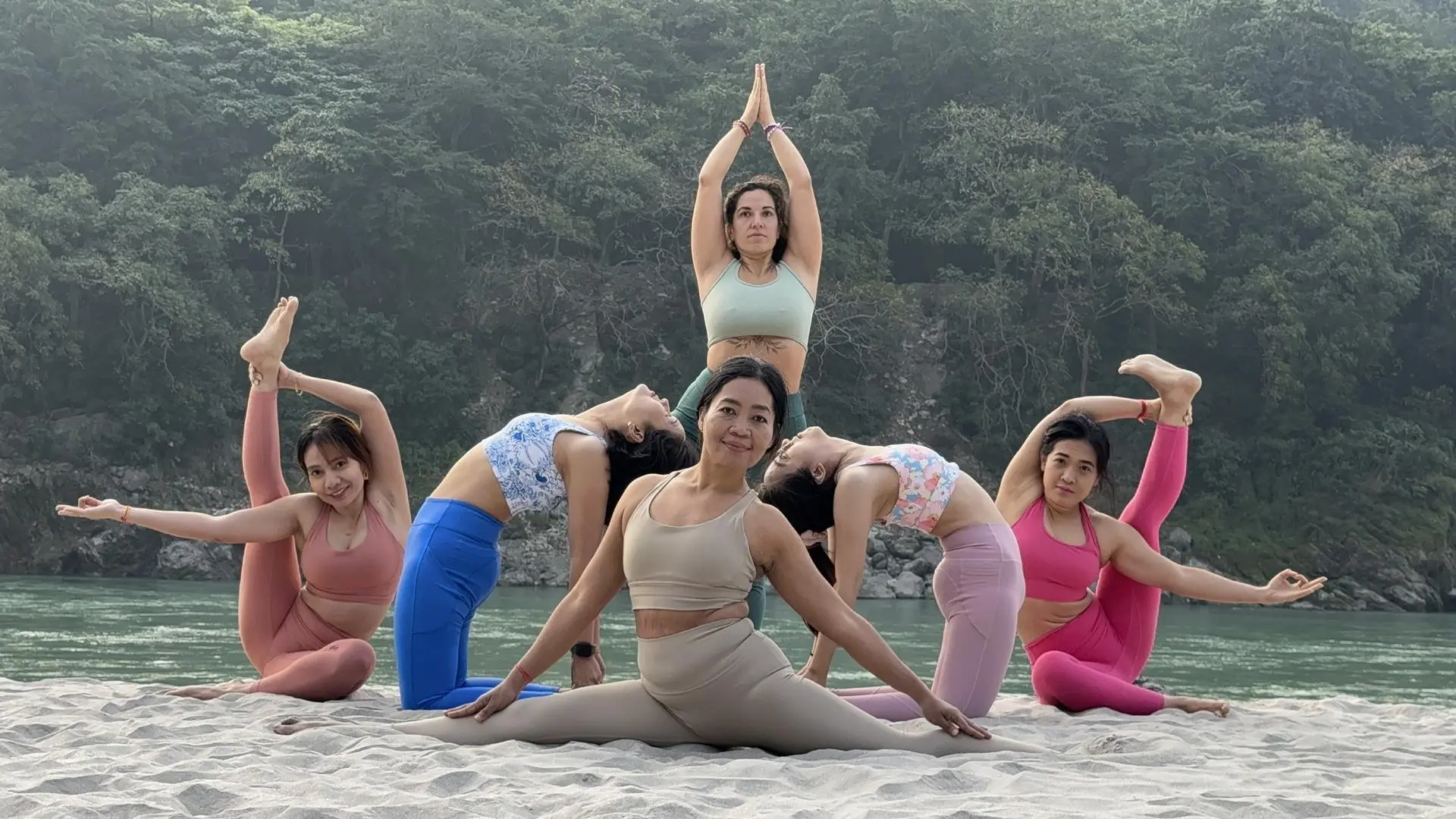
Our 5-day residential yoga and meditation retreat in Rishikesh, India offers an extended immersion for those ready to deepen their practice beyond a weekend. Five full days of daily Hatha yoga, pranayama, meditation sessions, Ganga excursions, comfortable accommodation, and nourishing sattvic meals are all included from just $200. Perfect for intermediate practitioners, yoga enthusiasts, and travellers seeking a genuine wellness reset in the yoga capital of the world.
What is the 5-Day Yoga Retreat in Rishikesh?
The 5-Day Yoga Retreat at Swaastik Yog School is a short, all-levels wellness immersion in Rishikesh, India — no prior experience or teaching ambition required. Each day blends morning and evening yoga, pranayama, guided meditation, sound healing and Himalayan nature excursions, with comfortable accommodation and three daily sattvic meals included. It is an ideal reset for travellers and busy professionals who want the depth of Rishikesh in under a week. The all-inclusive price starts at $200 USD on double-sharing.
- Duration
- 5 days / 4 nights
- Price (all-inclusive)
- From $200 USD (double sharing)
- Suitable for
- All levels — beginners welcome
- Includes
- Yoga, meditation, meals, stay & excursions
- Location
- Tapovan, Rishikesh, India
기간
5일 / 4박
가격
$200 (2인실)
대상
모든 레벨
수료증
참가
리트릿 소개
리시케시에서의 5일 요가 리트릿은 요가와 명상의 변화하는 세계로의 연장 몰입을 제공합니다. 수련을 더 깊이 하고 리시케시와 히말라야가 제공하는 것을 더 많이 경험하고 싶은 분들에게 이상적입니다. 충분한 시간이 있어 성찰, 탐험, 수련을 통해 진정으로 외부 세계에서 벗어나 자신과 다시 연결할 수 있습니다.
기대할 수 있는 것
5일간 매일 요가 아사나, 가이드 명상, 프라나야마 기법을 수련합니다. 신체적, 정신적 회복력을 위한 활기찬 아이스 바스 2회, 리시케시의 영적 명소를 탐험하는 문화 견학 2회를 경험하고, 정성스럽게 준비된 건강한 채식 식사를 즐길 수 있습니다. 이 리트릿은 체계적인 수련과 개인적인 성찰이나 탐험을 위한 자유 시간 사이의 완벽한 균형을 이룹니다.
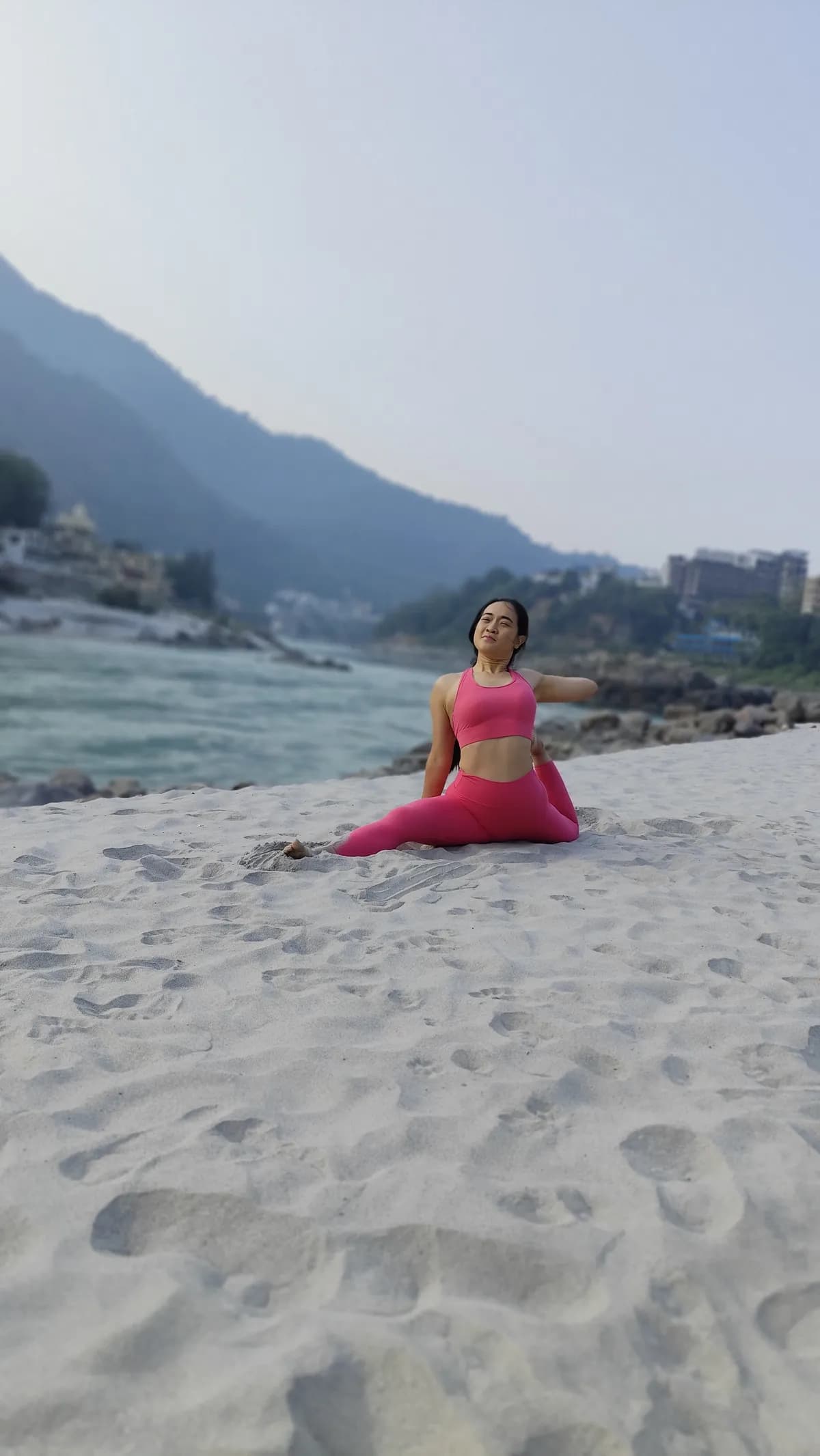
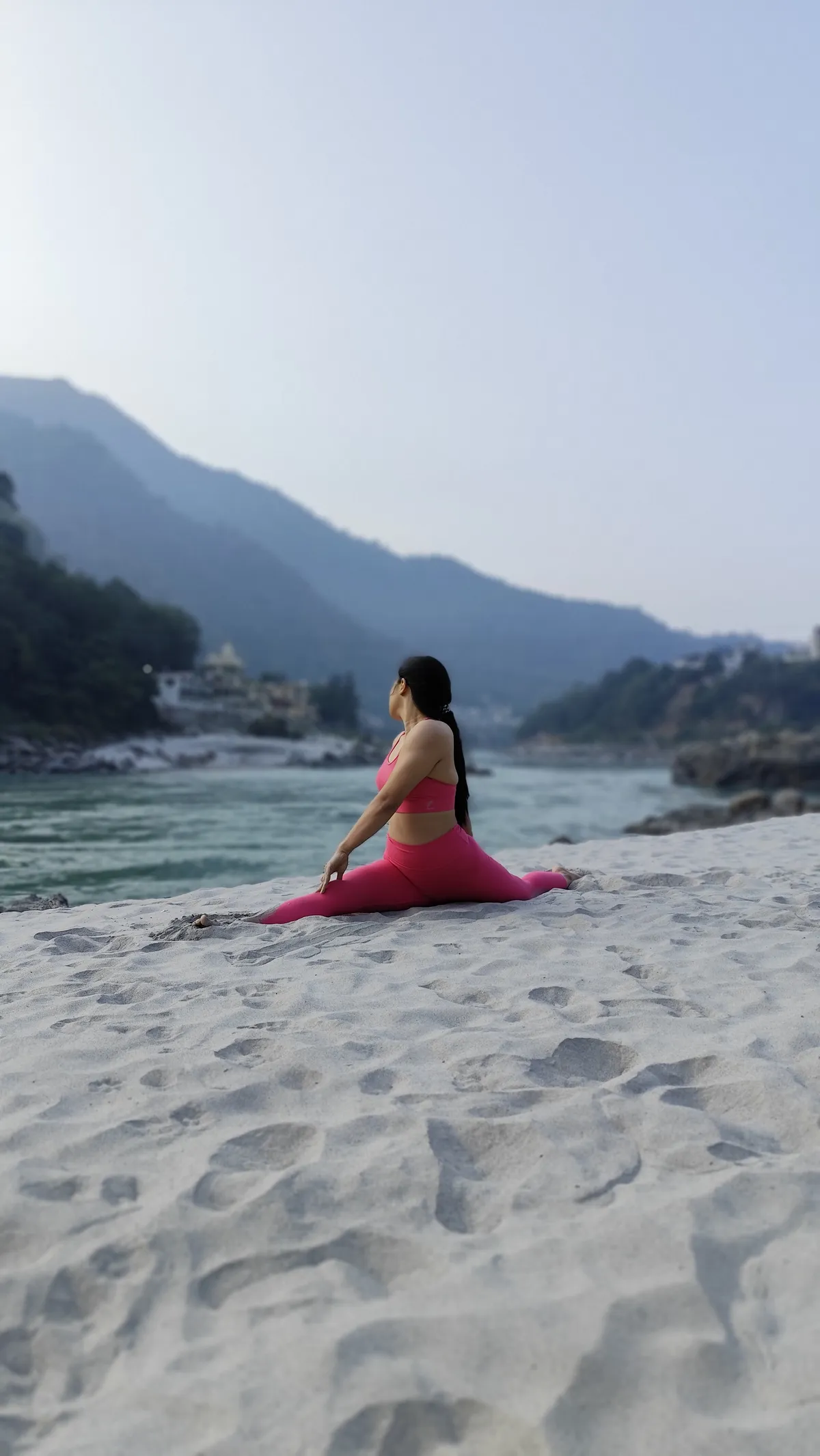
리트릿 하이라이트
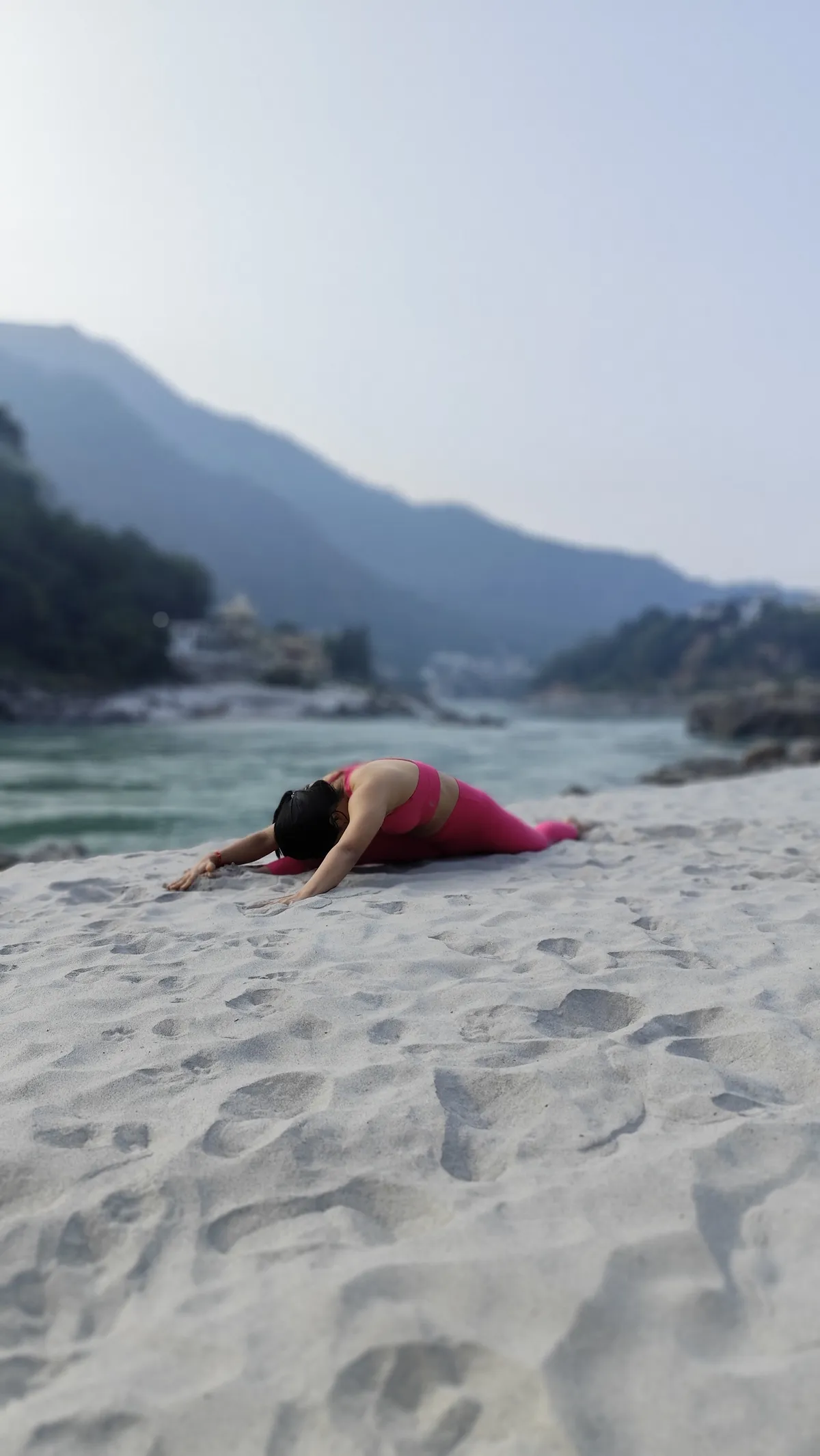
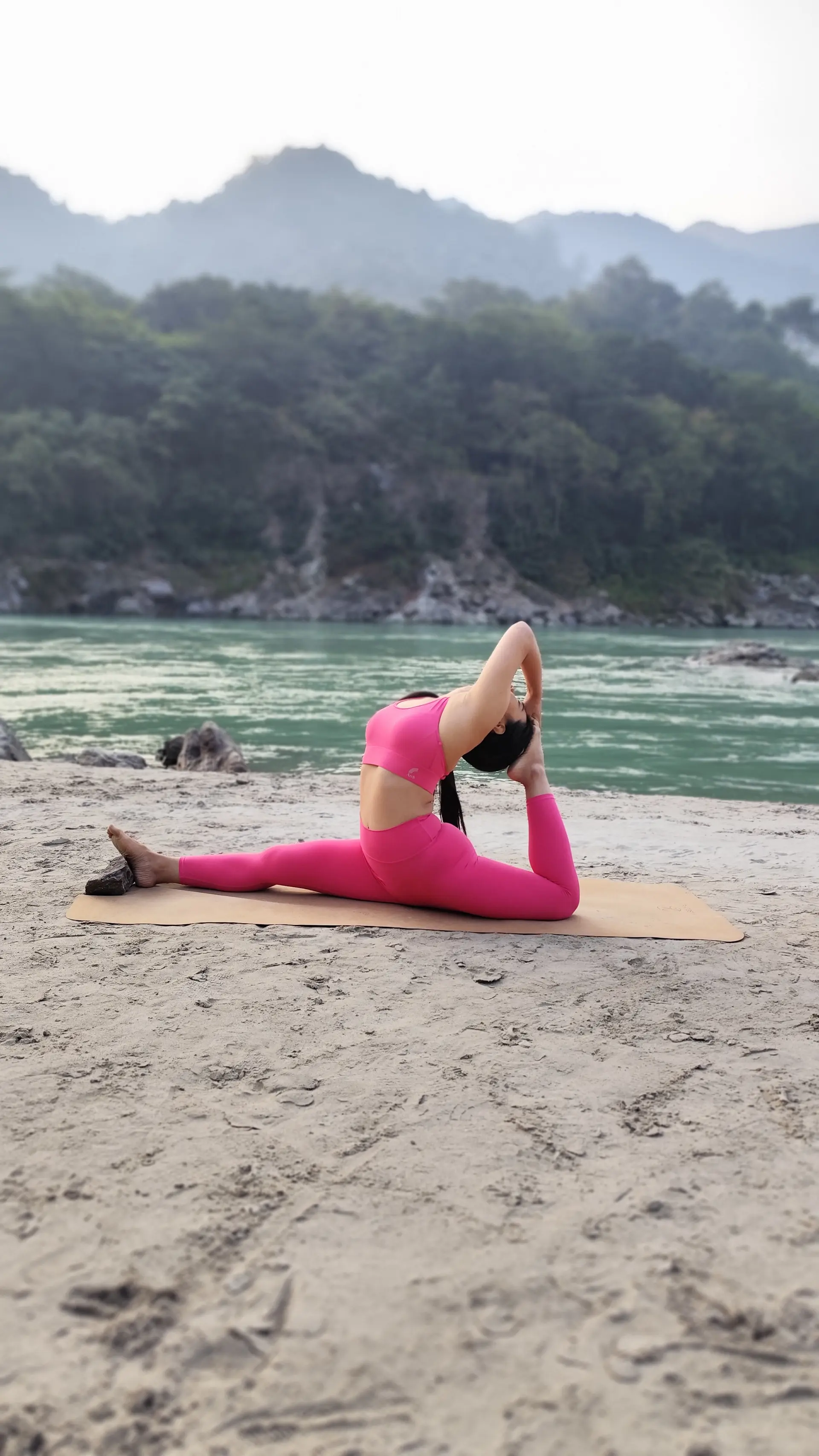
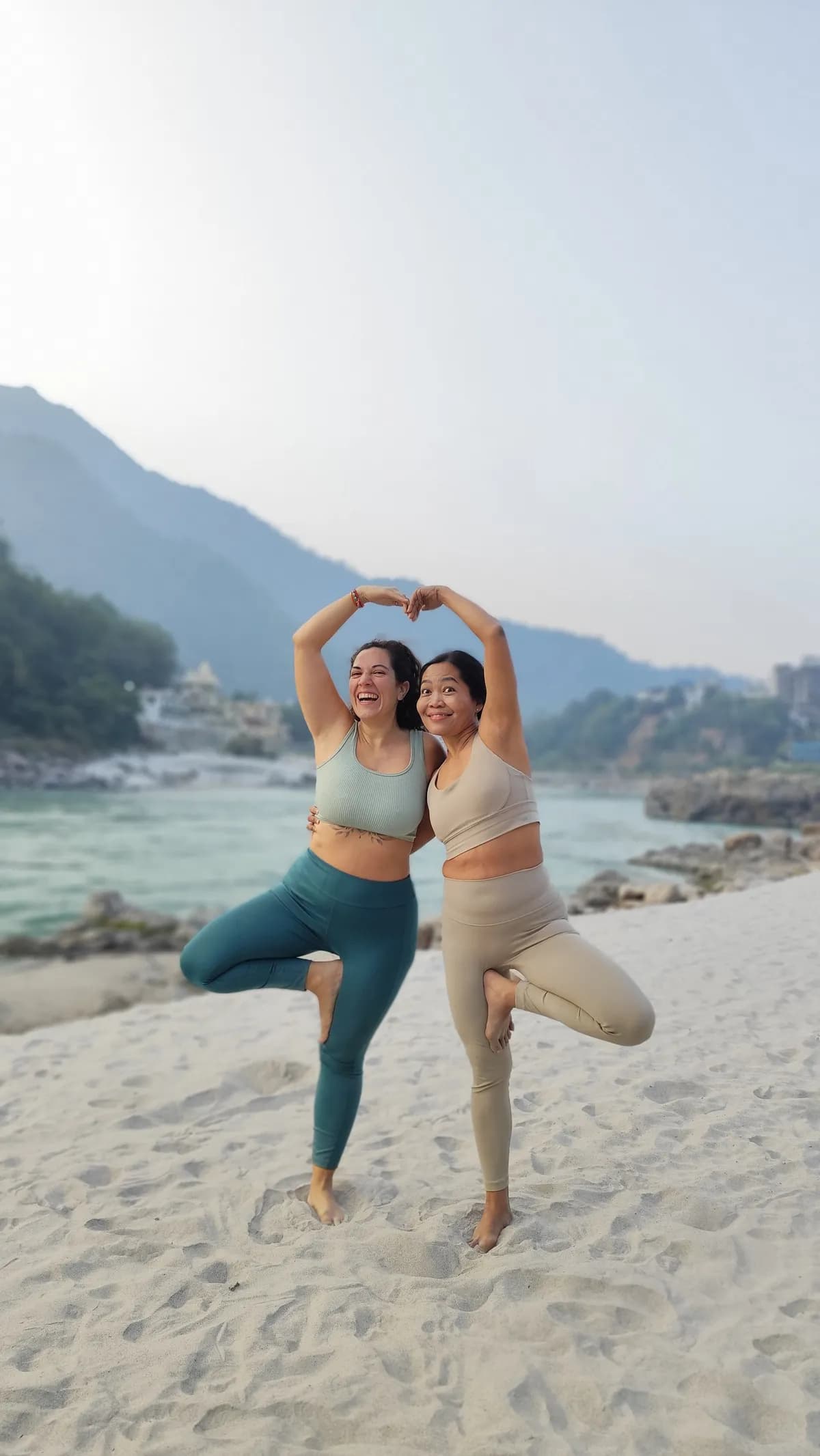
포함 사항
- ✓5일 / 4박 공용 숙소
- ✓매일 신선한 채식 식사 5끼 + 오후 차
- ✓요가 용품 (매트, 블록, 스트랩)
- ✓아이스 바스 2회
- ✓반나절 견학 2회
- ✓무료 Wi-Fi & 평화로운 분위기
- ✓수료시 참가 수료증
*에어컨 객실은 추가 비용으로 이용 가능합니다.
일일 일정
이용 약관
- •모든 수업 참석은 의무입니다
- •육류, 생선, 계란, 주류, 담배 및 약물은 엄격히 금지됩니다
- •학교 구내에서 흡연 및 음주는 허용되지 않습니다
- •수강료 및 예약금은 환불되지 않습니다
- •긴급 상황 발생 시 다른 일정으로 참여 가능합니다
Where You'll Stay — Our New Tapovan Campus
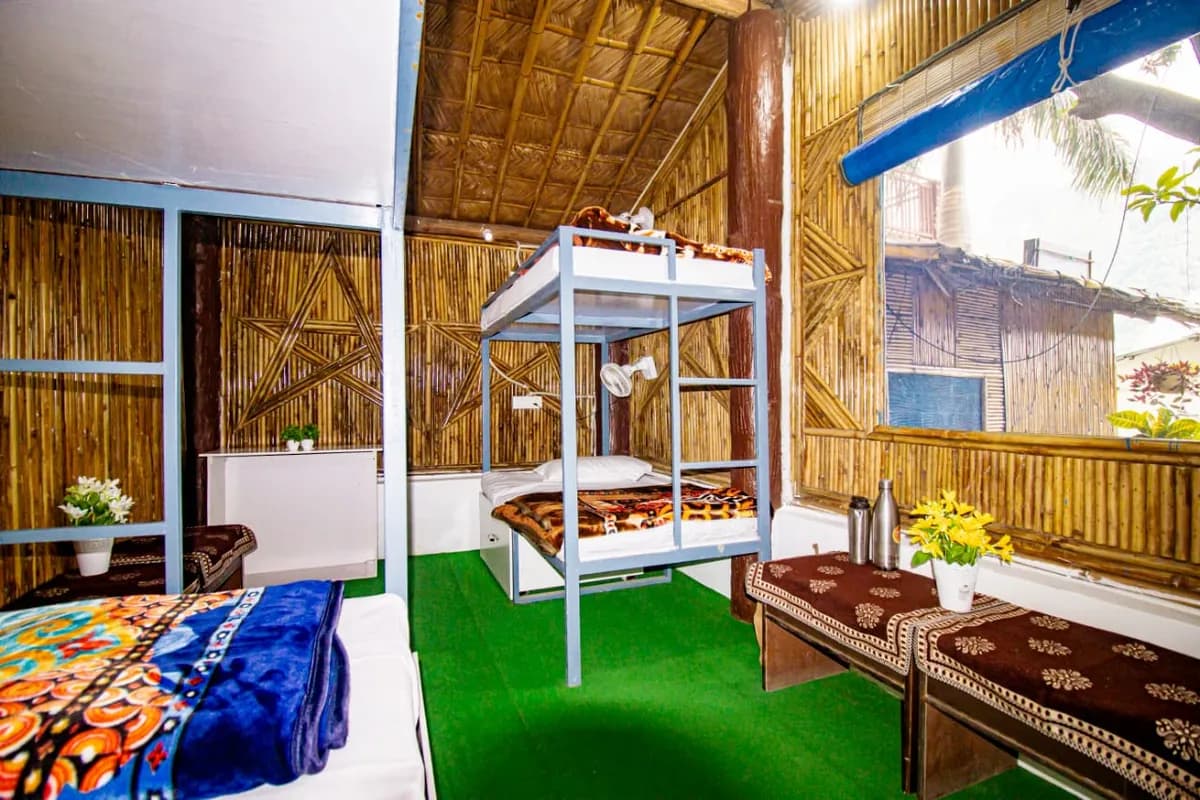
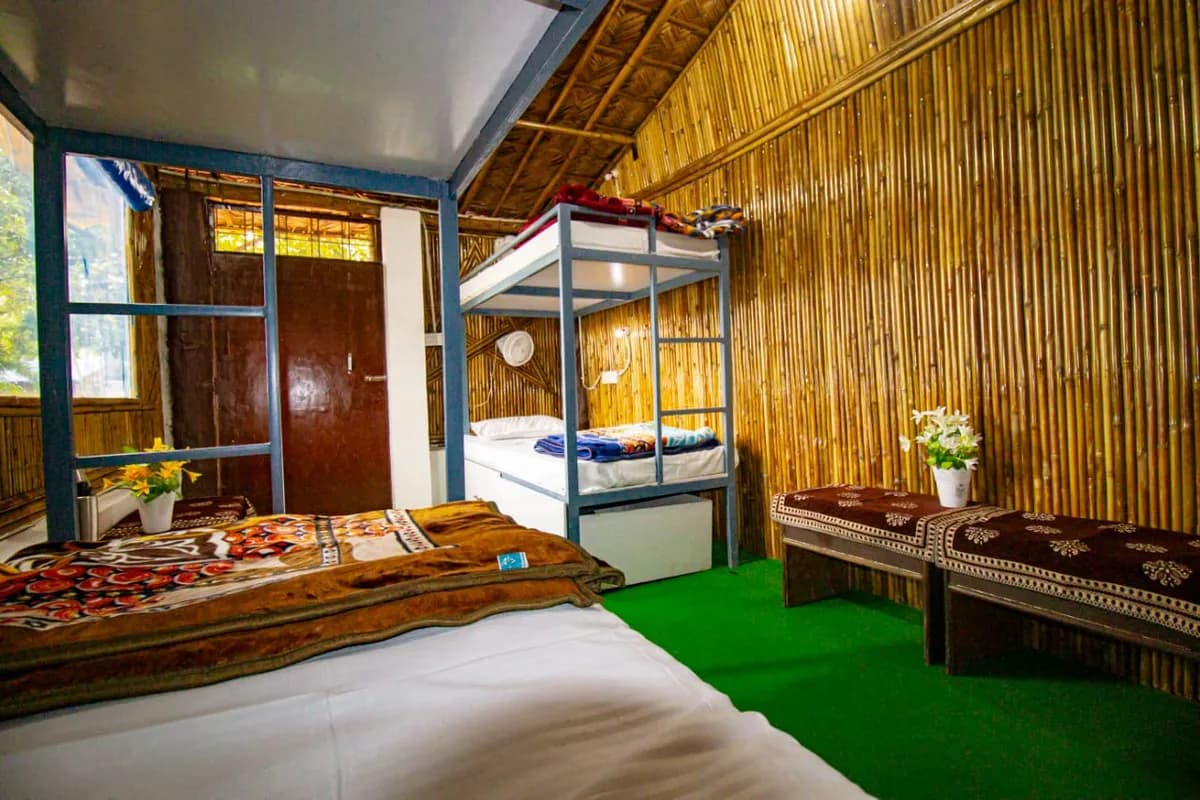
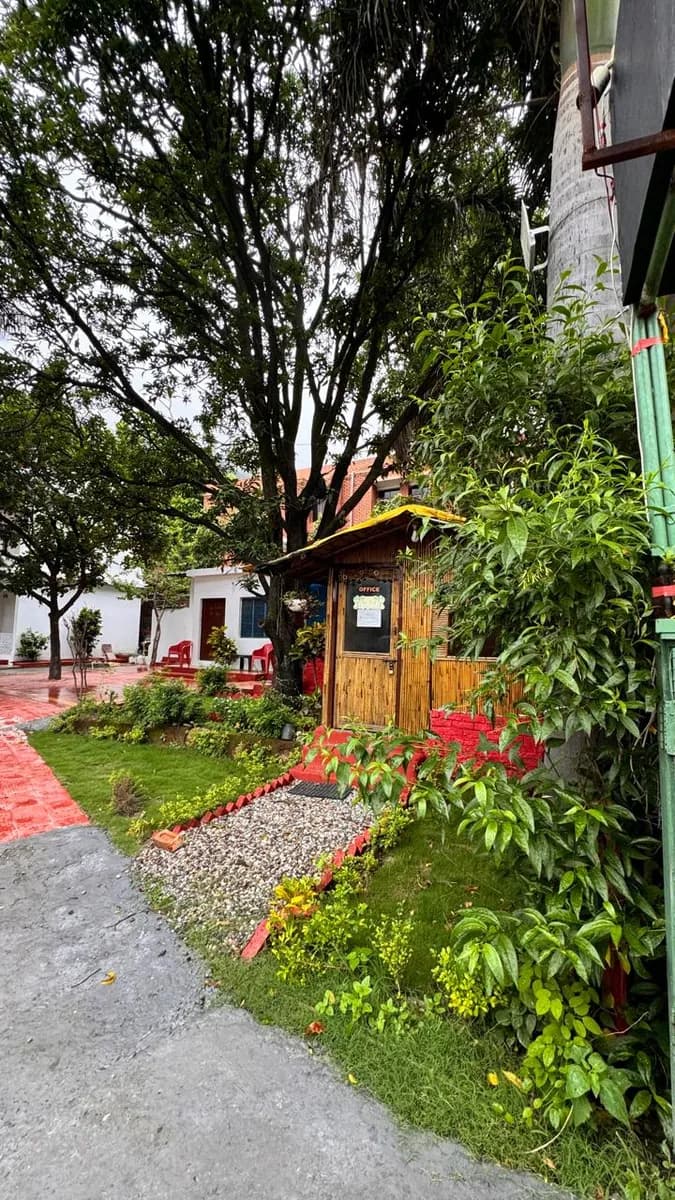
Here is exactly where you will stay during your retreat — our peaceful residential campus set among gardens and forest in Tapovan, Rishikesh, just a short walk from the Ganga. Choose a friendly dorm, a twin-shared room, or a private room, all with attached bathrooms and daily housekeeping.
Dormitory
Budget-friendly bamboo-cottage dorms with comfortable single & bunk beds — the most social way to stay.
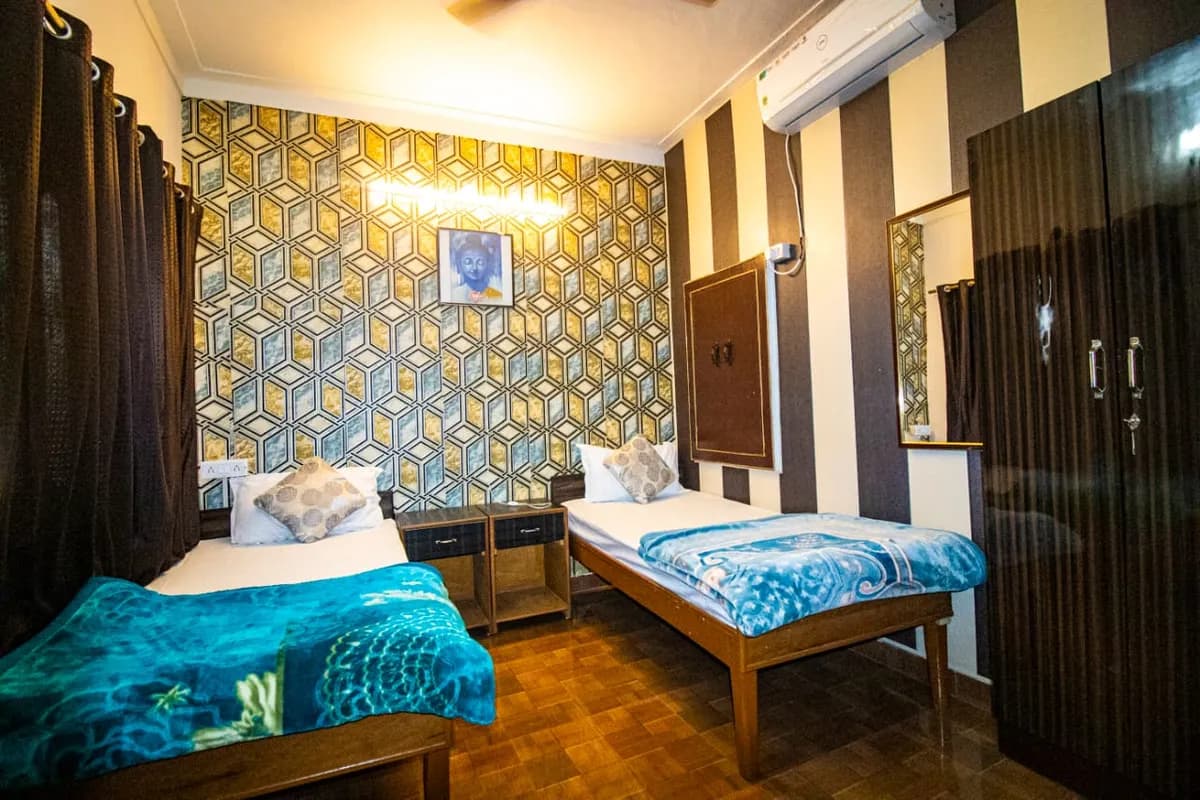
Twin-Shared Room
Bright twin rooms with two single beds, feature walls and en-suite bathroom — share with a fellow trainee.

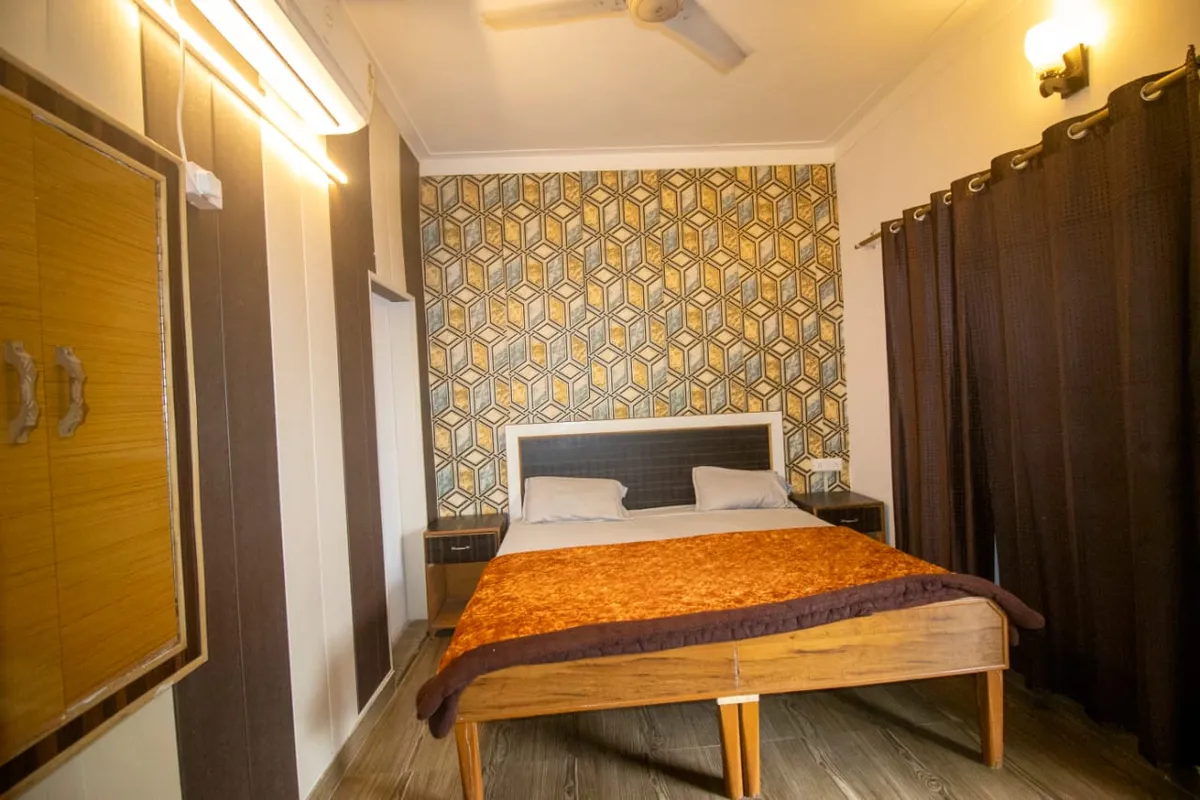
Private Room
Your own private room with a double bed, air-conditioning and attached bathroom for total quiet and rest.

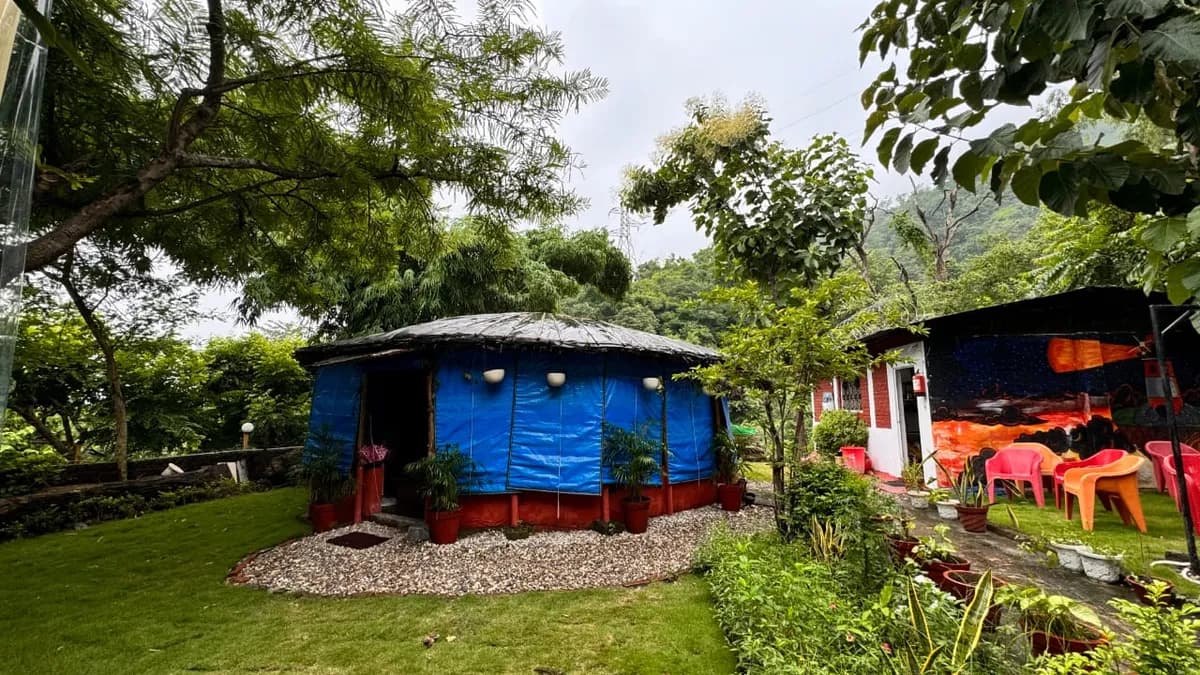
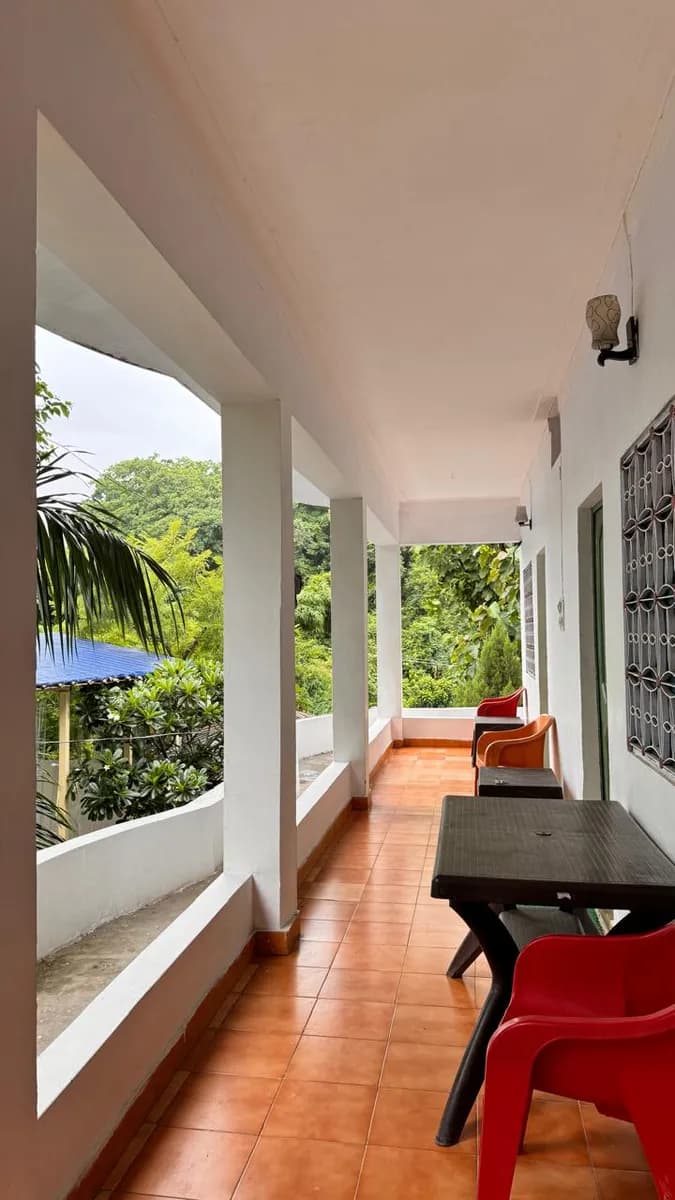
Gardens & Outdoor Space
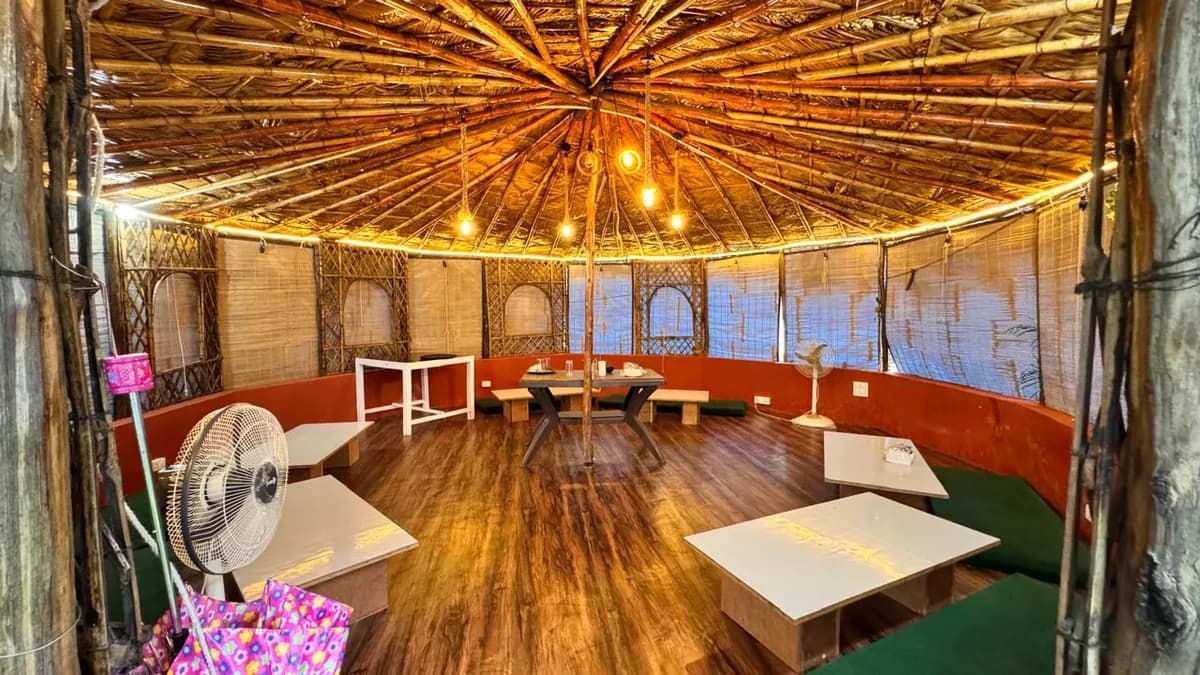
Green gardens, forest-view balconies and a bamboo hall for meditation, study and simply relaxing between classes.
Why Five Days? The Case for a Mid-Length Retreat

A weekend yoga retreat can introduce you to the practice, but two days rarely allow enough time to fully decompress, reset your nervous system, and absorb new techniques. A full week or longer suits those who can carve out significant leave. A 5-day retreat sits in a sweet spot: long enough to experience a genuine shift, short enough to fit into a working professional's annual leave.
Research on habit formation suggests it takes roughly three to five days of consistent repetition for a new pattern — a morning pranayama routine, a seated meditation, a mindful approach to meals — to begin feeling natural rather than effortful. By day three of a 5-day immersion, most participants notice that the early-morning practice no longer feels like a discipline imposed from outside; it starts to feel like something they want. That internal shift is difficult to manufacture in 48 hours.
Five days also gives the body time to release accumulated tension. The first day or two can feel unfamiliar — earlier mornings, quieter evenings, simpler food. By the midpoint, the body begins to welcome the rhythm. By the final day, what felt like a structured schedule feels like a natural flow. This is the arc that makes a 5-day retreat meaningfully different from a weekend workshop or a single drop-in class.
For those who have never done a residential retreat before, five days is also a practical trial: it answers the question of whether a longer teacher training or extended retreat is the right next step, without requiring a month-long commitment upfront.
The General Rhythm of a Retreat Day
Every yoga retreat has its own precise timetable, but nearly all well-designed residential retreats follow a recognisable arc that has been refined over decades. Understanding that arc helps first-time participants arrive with realistic expectations and settle in quickly.
Morning Practice
Retreat mornings typically begin before sunrise, when the atmosphere is naturally still and the mind is closest to a meditative state. A short session of pranayama (breathwork) usually precedes the physical asana practice, warming the internal body and steadying attention before movement begins. Morning yoga sessions tend to be the most energising of the day — the body is rested, digestion is not yet active, and the quality of focus at that hour is hard to replicate later.
Midday Rest and Integration
After the morning session and breakfast, retreats typically offer a quieter midday block. This is intentional: integration time allows what was practised on the mat to settle into the nervous system. Some participants read, journal, or walk; others simply rest. This unhurried quality is one of the things that distinguishes a residential retreat from a yoga studio class — there is nowhere to rush to.
Afternoon Activity
Afternoons on a retreat often include a second, lighter yoga or workshop session, cultural excursions, or self-study time. In Rishikesh, the Ganges and the surrounding hills offer natural opportunities for mindful walks, temple visits, and time spent simply observing the river — activities that carry their own contemplative value without needing to be formalised as "practice."
Evening Wind-Down
Evenings on a yoga retreat are typically quieter than you may be accustomed to at home. A short evening session — restorative yoga, guided meditation, or yoga nidra — helps the body transition from activity to rest. Lights-out is earlier than most people's usual bedtime, which is part of the design: quality sleep is considered an essential component of the practice, not a concession to tiredness.
Pranayama, Meditation, and the Inner Work

Many people come to a yoga retreat expecting to spend most of their time in physical postures. In practice, a well-structured retreat devotes significant time to pranayama (yogic breathing) and meditation — and this is often where the most lasting changes occur.
Pranayama means the regulation of the life-force through breath. Techniques such as Nadi Shodhana (alternate-nostril breathing), Kapalabhati (skull-shining breath), and Bhramari (humming bee breath) work directly with the autonomic nervous system. Regular pranayama practice is associated with reduced anxiety, improved focus, and a calmer baseline response to stress. A 5-day retreat is enough time to learn several techniques properly and begin to feel their effects.
Meditation is often the most challenging element for newcomers — not because it is complicated, but because modern life offers so few opportunities to practise simply sitting with the mind. Early sessions on a retreat can feel frustrating; the mind wanders constantly, and that feels like failure. Experienced teachers gently explain that noticing the wandering mind and returning attention to the breath is the practice itself. By day three or four, most participants report that the sitting becomes noticeably easier — not because thoughts have stopped, but because the relationship with them has changed.
Yoga nidra — yogic sleep or conscious relaxation — is a third inner practice that many retreat participants encounter for the first time. Practised lying down in savasana, it guides awareness systematically through the body and then through different states of consciousness. Even a single 30-minute session can produce a quality of rest that feels deeper than an ordinary nap. Over five days, the cumulative effect is significant.
What to Bring to Your Retreat
Packing thoughtfully for a yoga retreat means prioritising comfort, simplicity, and practicality. You do not need specialised equipment; most retreat centres provide yoga mats and props. The following list is general guidance for any 5-day residential yoga retreat in northern India.
Clothing
- ✓Comfortable, breathable yoga wear for practice sessions
- ✓Loose, modest clothing for outside the yoga shala (leggings and sleeveless tops may feel out of place in Rishikesh's temple areas)
- ✓A warm layer or shawl for early-morning and evening sessions, especially outside the summer months
- ✓Light footwear you can slip on and off easily — shoes are removed at the shala entrance
Practical Essentials
- ✓A reusable water bottle (staying hydrated is important, especially in the first two days as the body adjusts)
- ✓A personal journal for reflections, insights, and noting down techniques you want to keep
- ✓Sunscreen and a sun hat for outdoor walks and Ganga excursions
- ✓Any personal medications you require, plus a small basic first-aid kit
Mindset Preparation
- ✓Willingness to keep phone use to a minimum — a digital detox, even partial, significantly deepens the retreat experience
- ✓Openness to an early schedule — the most valuable sessions happen at dawn
- ✓No fixed expectations about what the practice "should" feel like — every body and every day is different
- ✓Basic yoga experience is helpful but not required for most general retreats
Rishikesh: Why This Place Matters

Rishikesh sits at the foothills of the Himalayas in Uttarakhand, northern India, where the Ganges descends from the mountains onto the plains. It has been a centre of yogic and Vedantic study for centuries, drawing students, teachers, and seekers from across the world. The city's association with yoga intensified in the twentieth century — the arrival of Maharishi Mahesh Yogi, the establishment of Swami Sivananda's Divine Life Society ashram, and later the famous Beatles visit in 1968 all placed Rishikesh on the global map as a place where yoga is practised seriously and taught authentically.
The setting itself supports practice in ways that are difficult to quantify but easy to feel. The sound of the river — audible from most parts of the city — has a quality of continuous, unhurried presence that is unlike urban white noise. The surrounding forests and hills invite early-morning walks that feel naturally contemplative. The altitude (approximately 370 metres above sea level at the town centre, rising steeply in the hills behind) means the air is noticeably cleaner than in the plains cities to the south.
Beyond the physical environment, the cultural context matters. Rishikesh remains a city where yoga and spiritual practice are woven into daily life rather than being a boutique offering. Temples line the ghats; the Ganga Aarti ceremony at dusk is a genuine devotional ritual, not a tourist show; most restaurants serve vegetarian food as a matter of principle rather than trend. For someone arriving from a secular, fast-paced environment, this ambient seriousness about practice — visible in the early-morning bathers, the sadhus on the ghats, the ashrams with their posted schedules — provides a context that makes it easier to take your own practice seriously.
The yoga school's location in Rishikesh means participants benefit from this atmosphere throughout the retreat — not just inside the shala, but during excursions to the Ganges, temple visits, and the quiet moments between sessions.
Who This Retreat Is For
A 5-day yoga retreat is well suited to a wide range of people. Here are some of the situations where participants most often say the timing was exactly right.
The Experienced Practitioner Seeking Depth
If you have been practising yoga regularly for a year or more but your sessions happen between work meetings and family commitments, a retreat offers something a weekly class cannot: sustained immersion. Five days of twice-daily practice, without the interruptions of ordinary life, can advance your understanding more than months of sporadic studio attendance.
The Curious Beginner
Five days is enough time for a complete beginner to learn the foundational postures, understand the connection between breath and movement, and experience meditation without feeling rushed. The residential format means there is support available throughout, not just during class hours. Many participants who arrive as beginners leave with a home practice they actually maintain.
The Burned-Out Professional
Chronic stress, poor sleep, and the feeling of operating permanently at capacity are perhaps the most common reasons people search for a yoga retreat. A 5-day immersion addresses these directly: the absence of a to-do list, the regulated sleep schedule, the sattvic diet, and the pranayama practice combine to give the nervous system a rest that a long weekend at a spa hotel rarely achieves.
The Pre-Training Candidate
If you are considering enrolling in a 200-hour yoga teacher training course but are not yet sure whether a month-long commitment is realistic, a 5-day retreat is an ideal diagnostic. It introduces you to the teaching style, the school's approach, and the experience of living and breathing yoga for an extended period — all essential information before making a larger investment of time and money.
Retreat Moments & Student Stories
Real retreat days by the Ganga — tap to watch.
Ready for Your 5-Day Immersion in Rishikesh?
Batches start the 5th of every month. From $200 all-inclusive — yoga, meditation, meals & stay.
어떤 과정이 맞을지 고민되시나요?
비교가 쉬워졌습니다. 모든 교사 과정, 리트릿, 클래스를 한 페이지에서 나란히 확인하세요 — 최신 시작일, 가격, 객실 옵션까지.
- 월별 필터
- 예산별 필터
- 객실 유형별 필터
Related Courses & Guides
Explore more to plan your yoga journey with Swaastik Yog School.
Have Questions? Get in Touch!
Whether you're interested in our teacher training courses, retreats, or drop-in classes, we're here to help guide your yoga journey. Fill out the form or chat with us directly on WhatsApp.