If you are considering becoming a yoga teacher, one of the biggest questions you will face is: is Yoga Alliance certification worth it? With hundreds of teacher training programs available worldwide and the investment of time and money being significant, it is a fair question. In this guide, we break down exactly what Yoga Alliance is, how their certification levels work, the real pros and cons, and whether you need it to build a successful yoga teaching career.
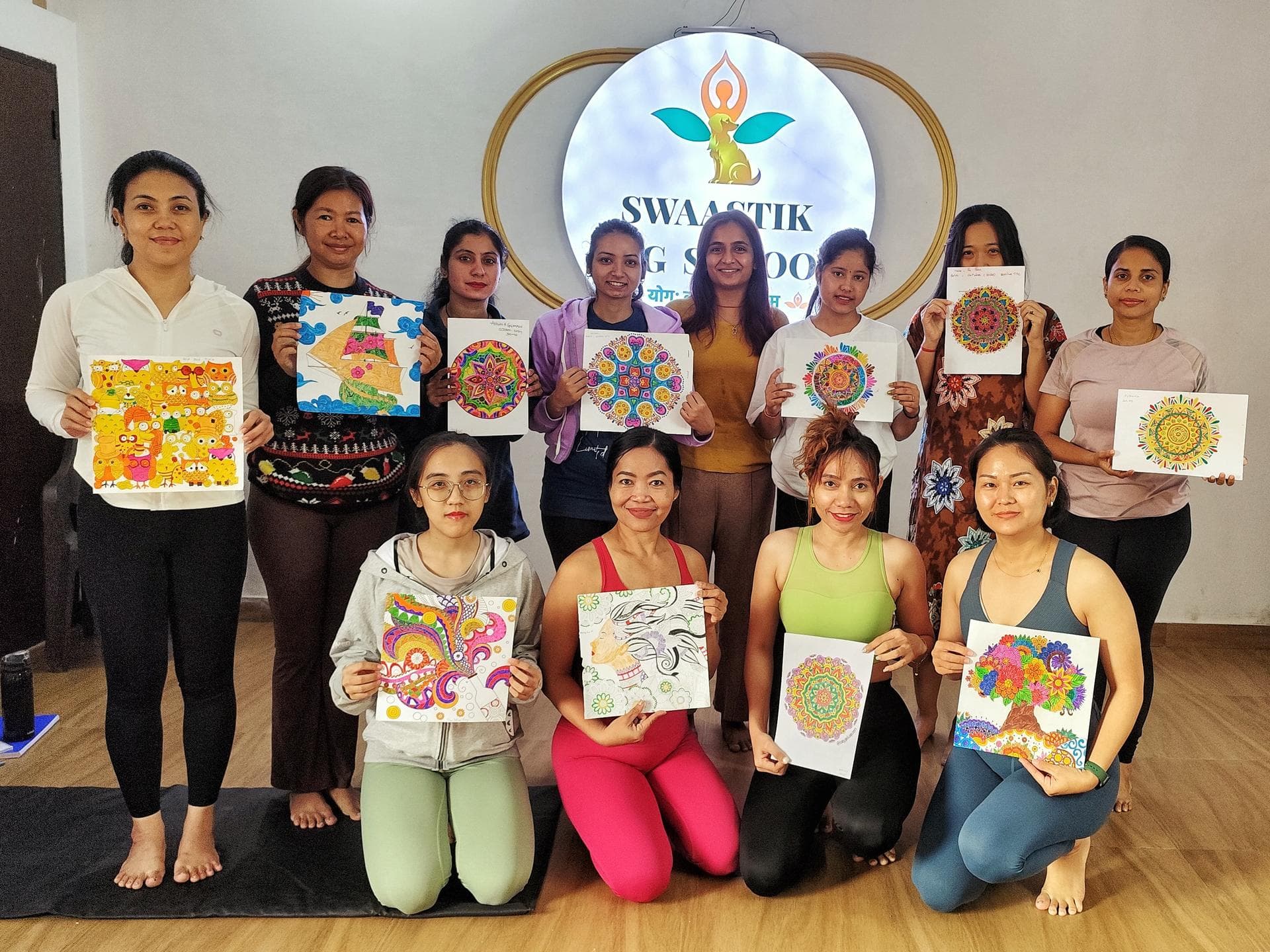
At Swaastik Yog School in Rishikesh, India, we have trained hundreds of yoga teachers from around the world. We have seen firsthand how certification decisions shape careers, so we are sharing an honest, experience-based perspective.
What Is Yoga Alliance?
Yoga Alliance is a nonprofit organization founded in 1999 and based in the United States. It serves as the largest international registry for yoga teachers and yoga schools. Yoga Alliance does not directly certify teachers or accredit schools in the traditional academic sense. Instead, it maintains a voluntary registry where schools and teachers can list themselves if they meet certain standards.
Key Terms You Should Know
- RYS (Registered Yoga School): A yoga school that has registered with Yoga Alliance and meets their curriculum and hour requirements
- RYT (Registered Yoga Teacher): A teacher who has completed training at an RYS and registered with Yoga Alliance
- E-RYT (Experienced Registered Yoga Teacher): A teacher with additional teaching hours and experience beyond the basic RYT designation
- YACEP (Yoga Alliance Continuing Education Provider): A provider approved to offer continuing education credits
Yoga Alliance Certification Levels Explained: RYT-200, RYT-300, and RYT-500
RYT-200: The Foundation
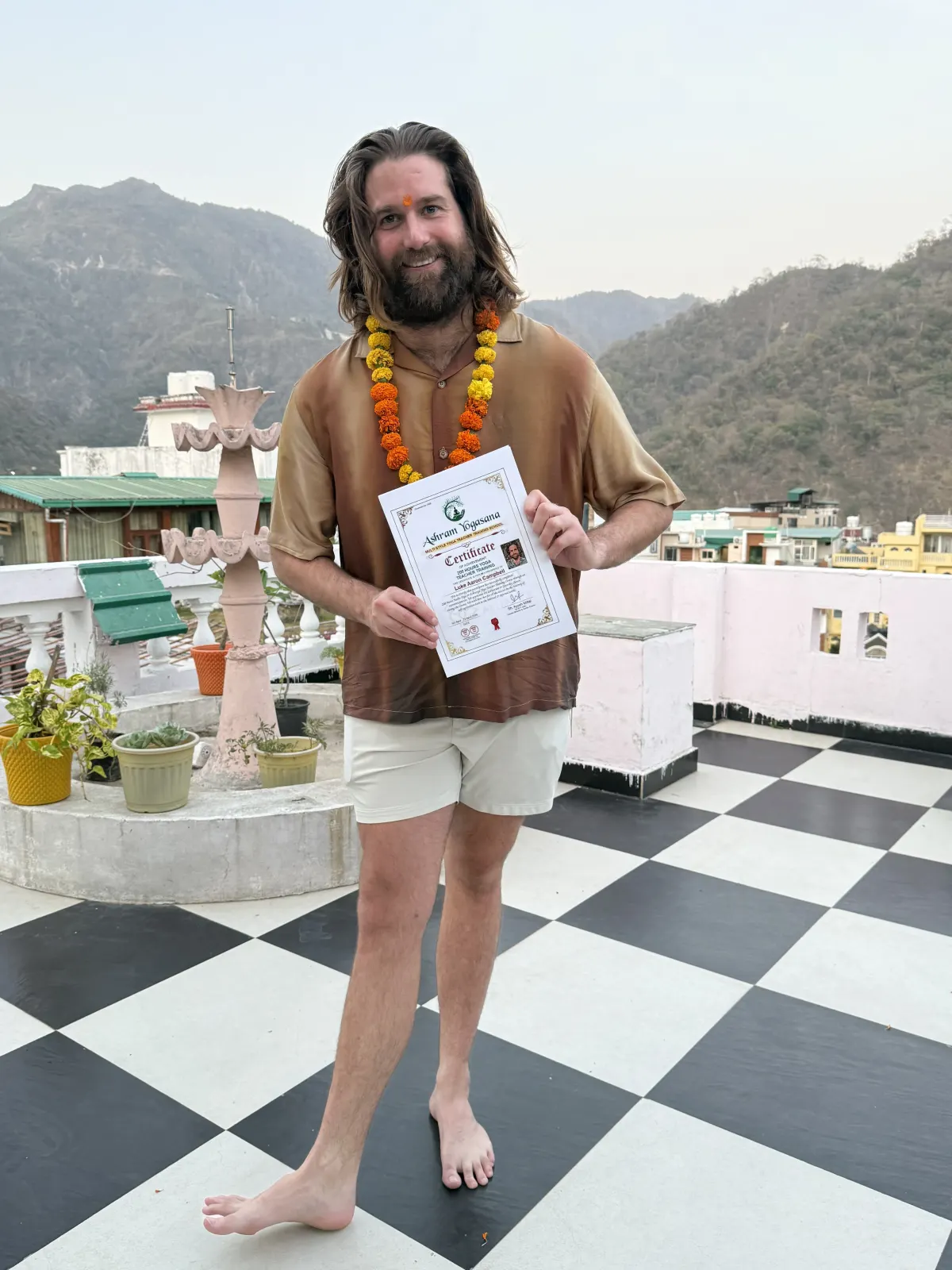
The RYT-200 is the entry-level credential and the most widely recognized yoga teaching certification in the world. To earn it, you must complete a minimum of 200 hours of training at a Registered Yoga School (RYS 200). The curriculum must include:
- Techniques, training, and practice: Minimum 100 hours covering asana, pranayama, and other yoga techniques
- Anatomy and physiology: Minimum 20 hours
- Yoga philosophy, lifestyle, and ethics: Minimum 25 hours
- Teaching methodology: Minimum 15 hours
- Practicum: Minimum 10 hours of practice teaching
Our 200-Hour Yoga Teacher Training in Rishikesh covers all of these requirements and more, with a curriculum rooted in traditional Hatha and Ashtanga yoga taught by experienced Indian teachers.
RYT-300: The Advanced Training
The RYT-300 is an additional 300 hours of advanced training that builds on your RYT-200 foundation. It dives deeper into advanced asana, yoga therapy, specialized populations, advanced anatomy, and teaching skills. You must already hold RYT-200 to enroll in a 300-hour program.
RYT-500: The Complete Credential
The RYT-500 represents the completion of 500 total training hours (200 + 300). This is considered the gold standard for serious yoga teachers. Many studio owners, retreat centers, and international employers prefer or require a 500-hour certification for lead teacher positions. Swaastik Yog School offers a comprehensive 500-Hour Yoga Teacher Training for those ready to pursue this advanced credential.
The Pros: Why Yoga Alliance Certification Is Worth It
1. International Recognition
Yoga Alliance is recognized in over 100 countries. If you plan to teach internationally, having RYT credentials on your resume immediately communicates a baseline level of training that studios and employers understand. Whether you want to teach in Bali, Berlin, or Brooklyn, the RYT designation opens doors.
2. Credibility and Trust
For new yoga teachers, credibility is everything. Students want to know their teacher has been properly trained. An RYT credential, listed on the Yoga Alliance directory, provides that verification. It is particularly valuable when you are just starting out and do not yet have years of teaching experience to point to.
3. Employment Requirements
Many yoga studios, gyms, fitness chains, and retreat centers require Yoga Alliance registration as a minimum qualification for hiring. This is especially true for:
- Large studio chains (CorePower Yoga, YogaWorks)
- Gym yoga programs (Equinox, Virgin Active, Fitness First)
- Destination resorts and wellness retreats
- Yoga festival teaching positions
- Online platforms that verify teacher credentials
4. Insurance and Legal Coverage
In many countries, particularly the US, UK, and Australia, yoga teacher liability insurance providers require Yoga Alliance registration or equivalent accreditation. Without it, you may not be able to get insured, which could prevent you from teaching at certain venues or running your own classes.
5. Continuing Education Framework
Yoga Alliance requires registered teachers to complete continuing education hours to maintain their registration. This framework encourages ongoing learning and skill development, which benefits both teachers and their students.
6. Directory Listing and Visibility
Registered teachers appear in the Yoga Alliance online directory, which prospective students and employers use to find qualified teachers. This serves as a basic marketing tool, especially in the early stages of your career.
The Cons: Legitimate Criticisms of Yoga Alliance
1. It Is a Registry, Not an Accreditation
Yoga Alliance does not accredit schools in the way that universities are accredited by government bodies. They set minimum standards, but the depth and quality of training can vary enormously between registered schools. A 200-hour training at one school may be rigorous and life-changing, while another may barely meet the minimum requirements.
2. Ongoing Fees
Maintaining your Yoga Alliance registration costs money:
- Initial registration fee: USD 50
- Annual renewal fee: USD 65 per year for RYT-200
- School registration: USD 240 per year for RYS
While these fees are not enormous, they add up over time, and some teachers question whether they get sufficient value in return.
3. Minimum Standards Can Be Low
Critics argue that 200 hours is not enough to produce competent yoga teachers. Many experienced teachers believe a minimum of 500 hours, combined with years of personal practice, is needed. The 200-hour designation can create a false sense of readiness in new graduates.
4. No Teaching Assessment
Yoga Alliance does not independently assess or test teachers. Once you complete your hours at a registered school and that school signs off, you can register. There is no external exam, teaching evaluation, or practical assessment.
5. It Is Not the Only Path
Many highly respected yoga teachers and schools operate entirely outside the Yoga Alliance system. Traditions like Iyengar Yoga, Sivananda Yoga, and Bihar School of Yoga have their own rigorous certification processes that are internationally recognized within their communities.
Alternatives to Yoga Alliance Certification
While Yoga Alliance is the most widely recognized, it is not the only credentialing option:
- Iyengar Yoga Certification: One of the most rigorous in the world, requiring years of study and multiple assessments
- Sivananda Yoga Teachers Training: Offered at Sivananda ashrams worldwide with their own internationally recognized diploma
- British Wheel of Yoga (BWY): The governing body for yoga in the UK, offering their own teacher training pathway
- Yoga Australia: The peak body for yoga in Australia with their own registration standards
- International Association of Yoga Therapists (IAYT): For those specializing in yoga therapy
Is Yoga Alliance Certification Worth It for YOU?
You Should Definitely Get It If:
- You plan to teach at studios, gyms, or retreat centers that require it
- You want to teach internationally and need a widely recognized credential
- You need liability insurance that requires a recognized certification
- You are building your brand and want the credibility boost of a recognized designation
- You are starting from zero and need a structured training framework
You Might Skip It If:
- You are training within a specific tradition (Iyengar, Sivananda) that has its own recognized certification
- You have no plans to teach professionally and are practicing for personal growth
- You are an experienced teacher with an established reputation and student base
Our Honest Recommendation
For most aspiring yoga teachers, especially those planning to teach professionally, Yoga Alliance certification is worth it. It is the most widely accepted credential in the global yoga industry, and it removes barriers to employment, insurance, and international teaching. However, the certification itself is only as good as the school where you train.
The most important decision is not whether to get certified, but where to train. Choose a school with experienced teachers, a comprehensive curriculum, small class sizes, and a genuine commitment to the tradition of yoga. A 200-hour training at a serious school in Rishikesh, the birthplace of yoga, will give you far more depth and authenticity than a weekend program that technically meets the minimum hour requirements.
At Swaastik Yog School, our 200-Hour YTT and 500-Hour YTT programs are registered with Yoga Alliance and designed to go well beyond minimum standards. We focus on building confident, knowledgeable teachers who understand both the ancient roots and modern applications of yoga.
Start Your Certified Yoga Teaching Journey
Whether you are a complete beginner or an experienced practitioner ready to share yoga with the world, we are here to help you take the next step. Our programs in Rishikesh combine authentic training with Yoga Alliance registration, giving you the best of both worlds: deep traditional knowledge and internationally recognized credentials.
Contact Swaastik Yog School to learn about upcoming training dates, curriculum details, and enrollment options. Your teaching career starts with a single decision. Make it count.