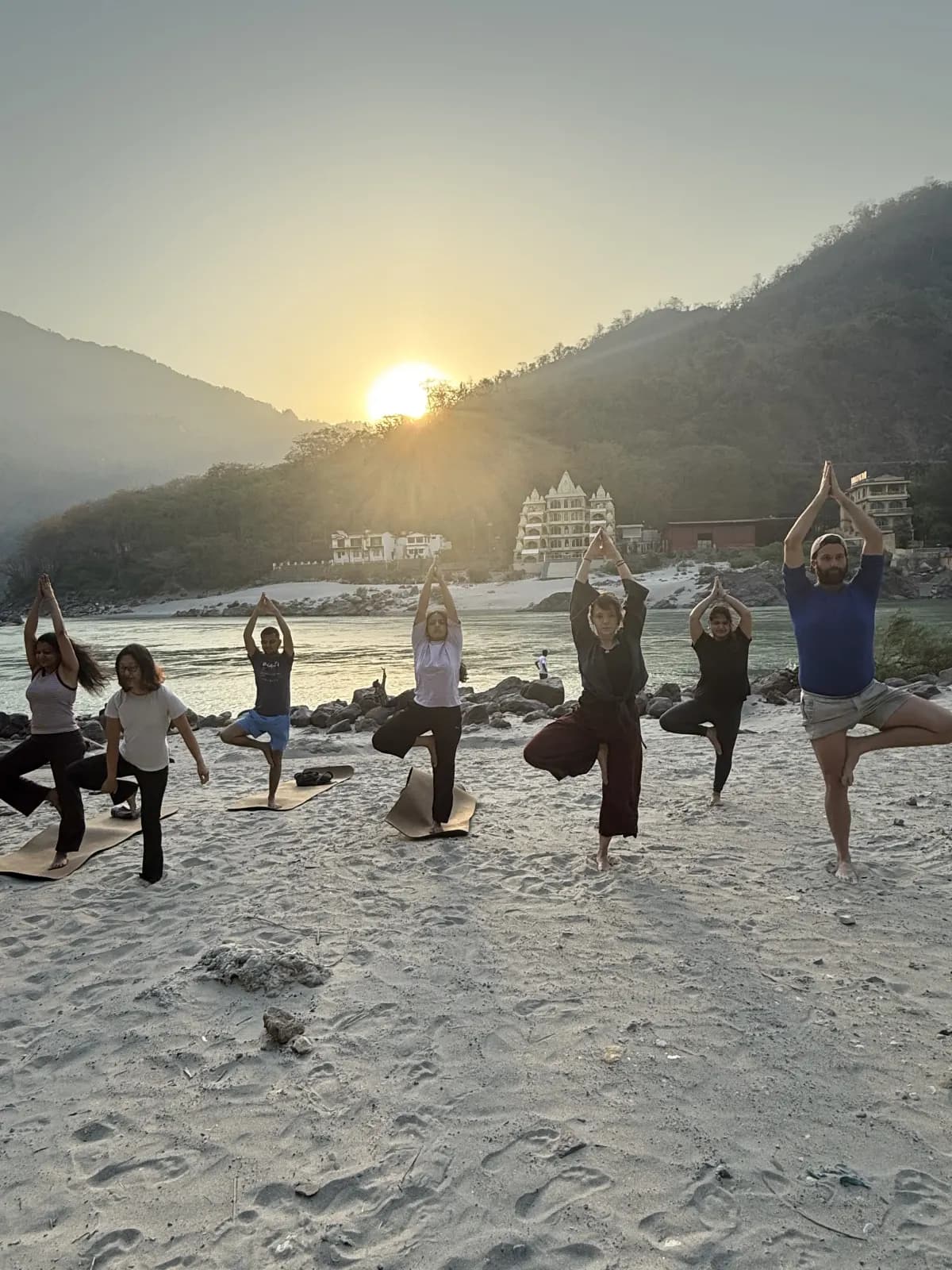
Kurz gesagt: Welches Yoga-Retreat in Rishikesh passt zu dir?
An unserer Schule in Tapovan, Rishikesh, kostet ein Yoga-Retreat $100 für 3 Tage, $200 für 5 Tage oder $250 für 7 Tage. Im Preis enthalten sind jeweils ein Doppelzimmer, drei vegetarische Mahlzeiten am Tag, vier angeleitete Einheiten täglich (Reinigung und Atemarbeit, Meditation, Hatha Vinyasa und Ashtanga Vinyasa), Eisbäder und Halbtagesausflüge. Wähle 3 Tage zum Reinschnuppern, 5 Tage, um in einen Rhythmus zu finden, und 7 Tage, wenn du die ganze Woche samt abendlicher Ganga Aarti erleben möchtest.
Das beste Yoga-Retreat in Rishikesh ist das, das zu deiner Zeit, deinem Budget und deinen Wünschen für die Woche passt. Eine gute Entscheidung beginnt mit klaren Fakten.
Deshalb stellt dir dieser Guide unsere drei Retreats direkt nebeneinander vor: mit Preis, Tagesablauf und der Liste aller Leistungen. Danach hilft er dir bei der Frage, ob ein Retreat das Richtige für dich ist – oder ob eine Yogalehrerausbildung besser passen würde.
3-, 5- und 7-Tage-Retreats im Vergleich
Hier findest du alles in einer Tabelle. Alle drei Retreats folgen demselben Tagesablauf. Unterschiedlich sind nur die Anzahl der Tage, die Zahl der Ausflüge und Eisbäder – und der Preis.
| 3-Tage-Retreat | 5-Tage-Retreat | 7-Tage-Retreat | |
|---|---|---|---|
| Dauer | 3 Tage / 2 Nächte | 5 Tage / 4 Nächte | 7 Tage / 6 Nächte |
| Preis (USD) | $100 | $200 | $250 |
| Preis bei Online-Zahlung (INR) | ₹8,500 | ₹17,000 | ₹21,000 |
| Kosten pro Tag | ca. $33 | $40 | ca. $36 |
| Zimmer | Geteilt (Doppelbelegung) | Geteilt (Doppelbelegung) | Geteilt (Doppelbelegung) |
| Verpflegung | 3 vegetarische Mahlzeiten am Tag + Nachmittagstee | 3 vegetarische Mahlzeiten am Tag + Nachmittagstee | 3 vegetarische Mahlzeiten am Tag + Nachmittagstee |
| Angeleitete Einheiten | 4 pro Tag | 4 pro Tag | 4 pro Tag |
| Eisbäder | 1 | 2 | 3 |
| Halbtagesausflüge | 1 | 2 | 3, inklusive Ganga Aarti |
| Veröffentlichte Termine | 1.–3. jedes Monats | 5.–9. jedes Monats | 10.–16. jedes Monats |
| Zertifikat | Teilnahmebescheinigung | Teilnahmebescheinigung | Teilnahmebescheinigung |
| Ideal für | Ein erstes Reinschnuppern oder einen Stopp auf einer längeren Indienreise | Einen echten Neustart innerhalb einer Urlaubswoche | Die ganze Woche. Die zwei zusätzlichen Tage kosten nur $50 mehr als das 5-Tage-Retreat |
Eines überrascht viele: Das 7-Tage-Retreat kostet nur $50 mehr als das 5-Tage-Retreat. Dafür bekommst du zwei zusätzliche Tage, ein weiteres Eisbad und einen weiteren Ausflug. Außerdem ist das 7-Tage-Retreat dasjenige, bei dem die abendliche Ganga Aarti ausdrücklich als Ausflug aufgeführt ist. Wenn du die Zeit hast, ist es das bessere Angebot.
Falls die veröffentlichten Termine nicht zu deiner Reise passen, schreib unserem Team vor der Buchung. Sag uns, in welcher Woche du in Rishikesh bist, und wir bestätigen dir einen passenden Starttag.
Was ist in jedem Retreat enthalten?
Alle drei Retreats bieten dieselben Grundleistungen. Für nichts davon zahlst du extra:
- Dein Zimmer auf unserem Campus in Tapovan, das du dir mit einem anderen Gast teilst.
- Drei frische vegetarische Mahlzeiten am Tag plus Nachmittagstee.
- Vier angeleitete Einheiten am Tag: Shatkarma (yogische Reinigung) mit Pranayama, Meditation, Hatha Vinyasa Flow und Ashtanga Vinyasa.
- Yoga-Material: Matte, Blöcke und Gurt.
- Eisbäder und Halbtagesausflüge (die Anzahl hängt von der Länge deines Retreats ab).
- WLAN und ein ruhiger Ort zum Entspannen.
- Eine Teilnahmebescheinigung zum Abschluss.
Nicht enthalten sind: Flüge, dein Visum, Transfers ab Dehradun oder Delhi, Wäscheservice und persönliche Ausgaben. Klimatisierte Zimmer und ein Upgrade auf ein Einzelzimmer gibt es gegen Aufpreis. Frag unser Team vor der Buchung nach dem aktuellen Preis.
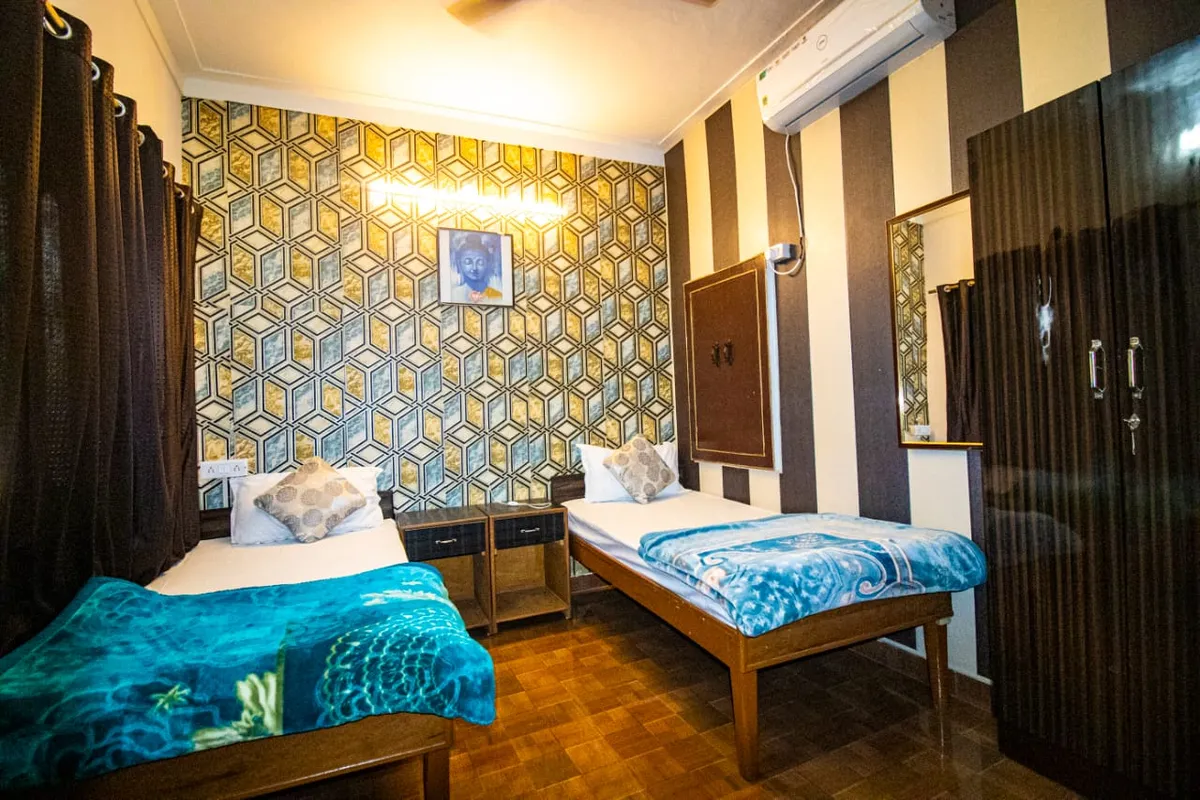
Du möchtest unsere Zimmerkategorien genauer vergleichen? Lies unseren Guide zu Schlafsaal, Doppelzimmer und Einzelzimmer im Vergleich.
Wie sieht ein Retreat-Tag aus?
Ein Retreat-Tag beginnt um 6:00 Uhr und endet mit Nachtruhe um 21:00 Uhr. Du hast vier angeleitete Einheiten, drei Mahlzeiten und mittags einen langen freien Block. Das ist der Tagesablauf von unseren Retreat-Seiten.
| Uhrzeit | Einheit | Was du konkret machst |
|---|---|---|
| 06:00 Uhr | Morgenglocke | Aufstehen, frisch machen, ein Glas Wasser. Noch kein Frühstück. |
| 06:30 Uhr | Shatkarma & Pranayama | Yogische Reinigungsübungen und Atemtechniken. |
| 07:30 Uhr | Meditation | Angeleitete Meditation im Sitzen. Anfänger lernen alles Schritt für Schritt. |
| 08:30 Uhr | Hatha Vinyasa Flow | Ruhige Haltungen, verbunden mit dem Atem. |
| 10:00 Uhr | Frühstück | Deine erste Mahlzeit, nach der Morgenpraxis. |
| 11:00 – 13:00 Uhr | Freizeit / Ausflüge | Ausruhen, zum Fluss spazieren oder an einem Halbtagesausflug teilnehmen. |
| 13:00 Uhr | Mittagessen | Frische vegetarische Küche, gekocht in unserer eigenen Küche. |
| 16:00 Uhr | Ashtanga Vinyasa | Eine dynamischere Nachmittagspraxis. |
| 17:30 Uhr | Teepause | Nachmittagstee und Zeit für Gespräche. |
| 19:00 Uhr | Abendessen | Beim 7-Tage-Retreat sind manche Abende für die Ganga Aarti reserviert. |
| 21:00 Uhr | Nachtruhe | Früh schlafen, damit du um 6:00 Uhr fit bist. |
Der Morgen: Praxis auf nüchternen Magen
Die ersten dreieinhalb Stunden sind das Herzstück des Tages. Du praktizierst vor dem Frühstück, ganz traditionell. Der Ort ist noch still, die Shala ebenso.
Shatkarma bedeutet Reinigung. Dazu können Techniken wie Jala Neti gehören (die Nasenspülung mit Salzwasser). Falls dir das seltsam vorkommt: keine Sorge. Unsere Lehrerinnen und Lehrer zeigen dir jeden Schritt, und nichts wird erzwungen.
Die Tagesmitte: echte Erholung
Von 11:00 bis 16:00 Uhr gibt es Mittagessen und viel freie Zeit. Das ist Absicht. Ein Retreat ist kein Bootcamp. Schlaf, lies oder setz dich an den Ganges. An Ausflugstagen brechen wir in dieser Zeit auf.
Nachmittag und Abend: erst bewegen, dann zur Ruhe kommen
Ashtanga Vinyasa um 16:00 Uhr ist die aktivste Stunde des Tages. Wenn du neu bist, übst du die leichtere Variante jeder Haltung. Nach Tee und Abendessen klingt der Tag aus. Um 21:00 Uhr gehen die Lichter aus.