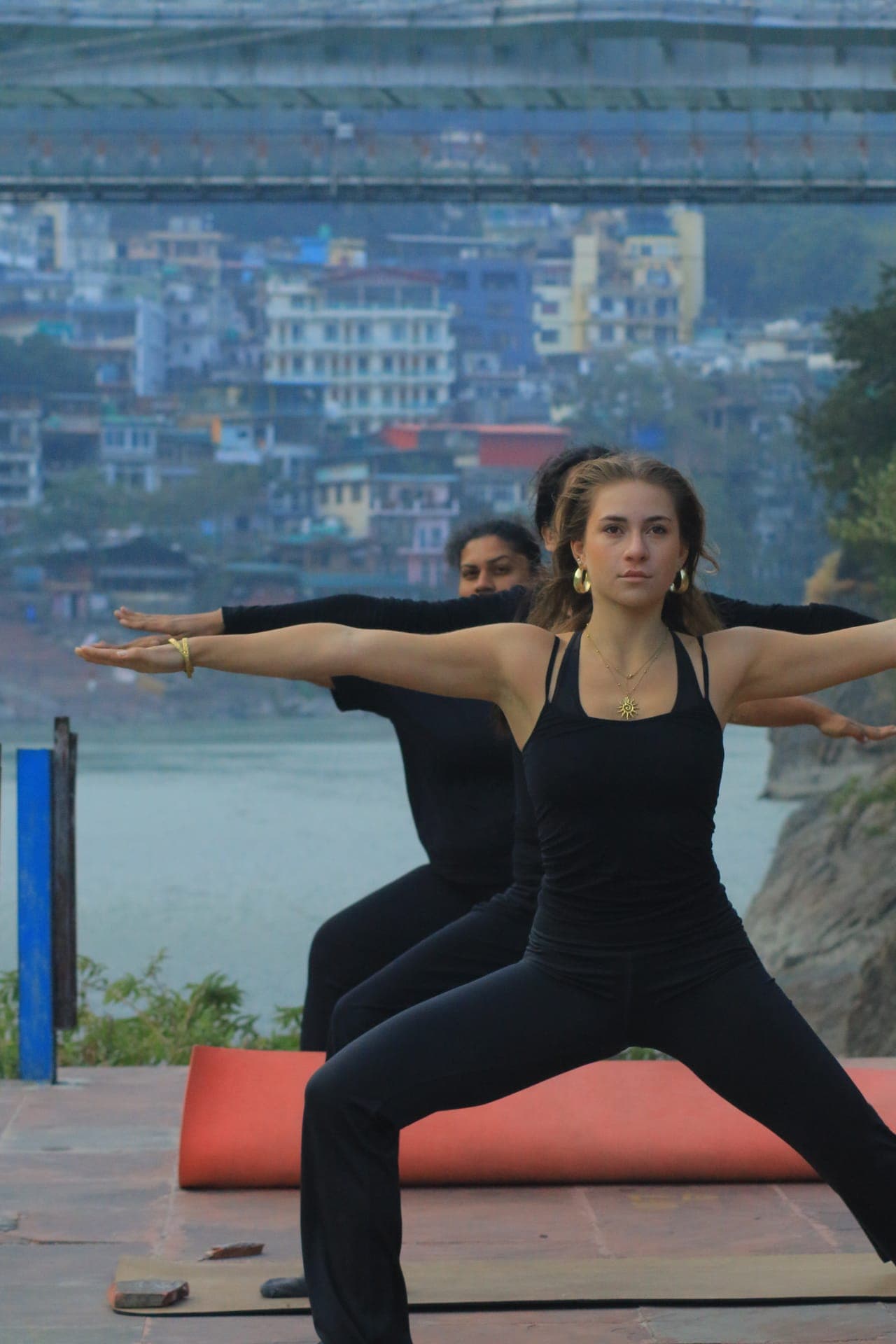
If you have ever felt that your yoga practice is all about movement, heat, and effort, yin yoga benefits might be exactly the missing piece you need. Yin yoga is a slow, meditative style of practice where poses are held for three to five minutes or longer, targeting the deep connective tissues, fascia, and joints rather than the muscles. At Swaastik Yog School in Rishikesh, we integrate yin yoga into our training programs because we believe a complete practitioner understands both the active and the still, the yang and the yin.
In this complete guide, we explore what yin yoga is, how it differs from other yoga styles, its wide-ranging physical and mental benefits, who it is best suited for, sample poses you can begin practicing today, and important contraindications to be aware of.
What Is Yin Yoga and Why Does It Matter?
Yin yoga was popularized in the West by Paul Grilley and Sarah Powers in the late 1990s, though its roots draw from Taoist philosophy and traditional Chinese medicine. Unlike vinyasa, ashtanga, or power yoga, which engage the muscles through dynamic movement and repetition, yin yoga asks you to relax the muscles completely and allow gravity to do the work. The focus shifts from muscular effort to passive stretching of the deeper layers of the body.
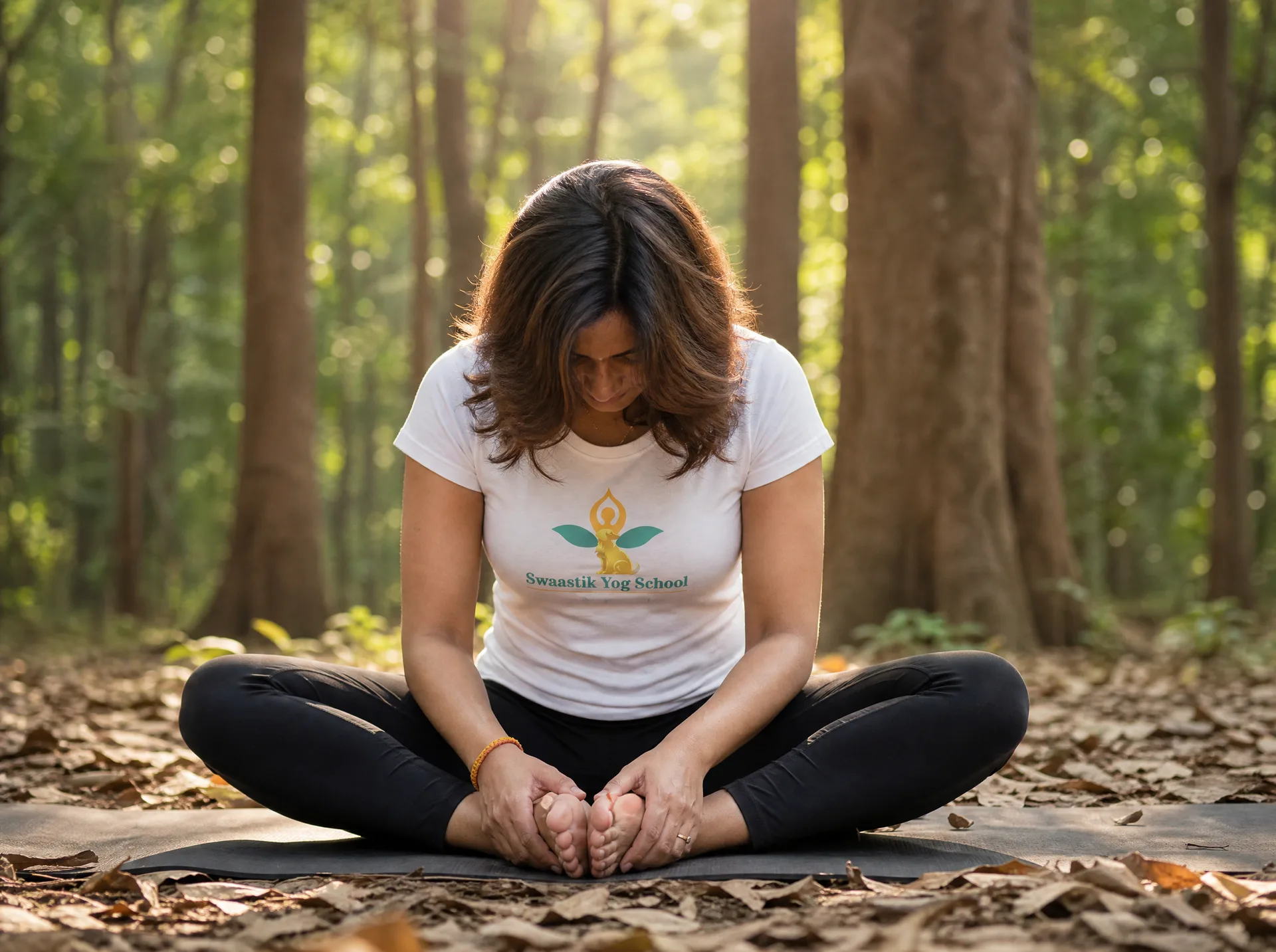
In the Taoist framework, yin represents the still, cool, receptive, and internal qualities of nature, while yang represents the active, warm, dynamic, and external. Most modern yoga classes are yang in nature. They build heat, challenge the muscles, and move quickly. Yin yoga provides the necessary counterbalance. It is cool, slow, introspective, and deeply nourishing.
This distinction matters because our connective tissues, which include ligaments, tendons, fascia, and joint capsules, do not respond well to rhythmic, muscular loading. They need sustained, moderate stress over time to become healthier, more hydrated, and more resilient. That is precisely what yin yoga provides.
How Yin Yoga Differs from Yang Styles
Understanding how yin yoga differs from yang-oriented practices helps you appreciate why both belong in a balanced yoga lifestyle.
Hold Duration
In a vinyasa or ashtanga class, poses are typically held for five breaths or less. In yin yoga, each pose is held for a minimum of three minutes, often extending to five, seven, or even ten minutes. This extended duration allows the stress to bypass the muscles, which relax after about ninety seconds, and reach the deeper connective tissues.
Muscular Engagement
Yang styles deliberately engage muscles for strength and stability. Yin yoga deliberately releases muscular engagement. You are encouraged to find your appropriate edge, the point where you feel a moderate stretch without sharp pain, and then soften everything. No gripping, no effort, just surrender.
Pace and Temperature
Yang practices generate internal heat through movement. Yin yoga is practiced at room temperature or even slightly cool environments. The pace is extremely slow. A full ninety-minute yin class might include only eight to twelve poses.
Target Tissues
While yang yoga primarily targets muscles, yin yoga targets fascia, ligaments, tendons, and the joint capsules. These tissues are dense and avascular, meaning they have limited blood supply and require sustained pressure to change and adapt.
Mental Quality
Yang practices often cultivate focus, determination, and physical discipline. Yin yoga cultivates patience, acceptance, surrender, and the ability to sit with discomfort without reacting. Many practitioners find yin yoga far more mentally challenging than any vigorous flow class because there is nowhere to hide from your thoughts.
The Complete Yin Yoga Benefits for Body and Mind
The yin yoga benefits extend far beyond simple flexibility. Research and clinical experience point to a wide range of physical, mental, and emotional advantages.
Deep Flexibility and Range of Motion
Yin yoga is one of the most effective practices for improving flexibility, particularly in areas that resist change in dynamic practices, such as the hips, pelvis, and lower spine. The sustained holds gradually lengthen the fascia and connective tissue, creating lasting changes in range of motion that short-duration stretches cannot achieve.
Studies have shown that fascial tissue requires at least 90 to 120 seconds of sustained load before it begins to undergo plastic deformation, the type of change that results in lasting length. Yin holds of three to five minutes ensure this threshold is consistently met.
Fascia Health and Hydration
Fascia is the web of connective tissue that surrounds every muscle, organ, bone, and nerve in your body. When fascia becomes dehydrated or adhered, it restricts movement, causes pain, and creates compensatory patterns throughout the body. Yin yoga compresses and then releases fascial tissue, creating a sponge-like effect that draws fresh fluid, nutrients, and oxygen into these tissues.
Joint Maintenance and Injury Prevention
Joints that are not regularly moved through their full range of motion gradually lose mobility. Yin yoga gently stresses the joint capsules, maintaining their health and preventing the stiffness that comes with age and sedentary lifestyles. For athletes and physically active individuals, yin yoga serves as essential joint maintenance that complements their high-impact training.
Nervous System Regulation
The slow pace and long holds of yin yoga activate the parasympathetic nervous system, the body's rest-and-digest mode. Regular yin practice has been shown to reduce cortisol levels, lower heart rate, and decrease blood pressure. For people living with chronic stress, anxiety, or sympathetic nervous system dominance, the calming effects of yin yoga can be profound.
Mental Calm and Emotional Processing
Sitting still in a pose for several minutes with nothing to do but breathe creates a container for emotional processing. Practitioners frequently report that yin yoga brings up stored emotions, memories, and sensations, particularly in deep hip openers. This is consistent with the somatic therapy understanding that the body stores unresolved experiences in its tissues. Yin yoga creates a safe space for these to surface and release.
Improved Sleep Quality
Because yin yoga powerfully downregulates the nervous system, practicing in the evening can significantly improve sleep onset and sleep quality. A study published in the Journal of Alternative and Complementary Medicine found that participants who practiced yin-style yoga before bed reported a 34% improvement in sleep quality scores over eight weeks.
Enhanced Meditation Preparation
If sitting still for meditation feels impossible, yin yoga can serve as a bridge. The practice trains the mind to observe sensations without reacting, to tolerate discomfort, and to maintain present-moment awareness. These are exactly the skills needed for seated meditation. Many meditation traditions in Rishikesh, including those taught at our school, use yin-style postures as preparation for extended meditation sessions.