If you are researching where to study yoga in Rishikesh, one neighborhood name keeps coming up again and again: Tapovan. This small area on the eastern bank of the Ganges has become the undisputed center of Tapovan Rishikesh yoga culture, home to the highest concentration of yoga schools, health-conscious cafes, and international yoga students anywhere in the city. At Swaastik Yog School, we are proud to call Tapovan home, and in this guide, we share everything you need to know about this remarkable neighborhood before you arrive.
Whether you are planning a teacher training course, a yoga retreat, or simply want to spend a few weeks immersed in daily practice, understanding Tapovan's character, layout, and community will help you get the most out of your Rishikesh experience.
Where Is Tapovan in Rishikesh?
Tapovan is located on the eastern bank of the Ganges River, upstream (north) from the famous Laxman Jhula suspension bridge. It sits at the point where the river valley begins to narrow, with the Himalayan foothills rising steeply on both sides. The name Tapovan means "forest of austerities" in Sanskrit, referring to its ancient history as a place where sages performed tapas, or spiritual practices of self-discipline.
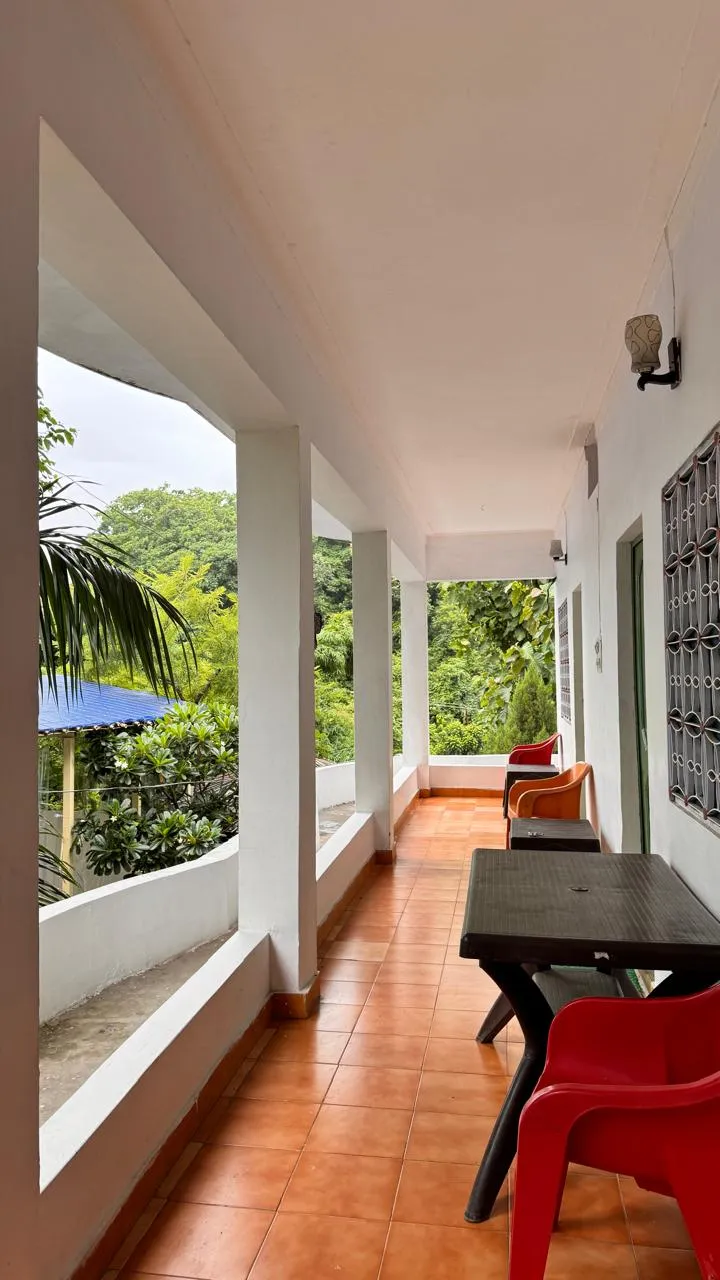
Geographically, Tapovan occupies a relatively small area, roughly a kilometer of road running parallel to the river plus several lanes branching off toward the hillside. Despite its compact size, it packs an extraordinary density of yoga-related businesses and services.
From Tapovan, you can walk to Laxman Jhula in about 15 minutes, to Ram Jhula in about 30 minutes, and to the main Rishikesh town in about 45 minutes. Most yoga students find that once they settle into Tapovan, they rarely need to leave. Everything is within walking distance.
Why Yoga Schools Cluster in Tapovan
The concentration of Tapovan Rishikesh yoga schools is not accidental. Several factors make this area uniquely suited to yoga education.
Proximity to the Ganges
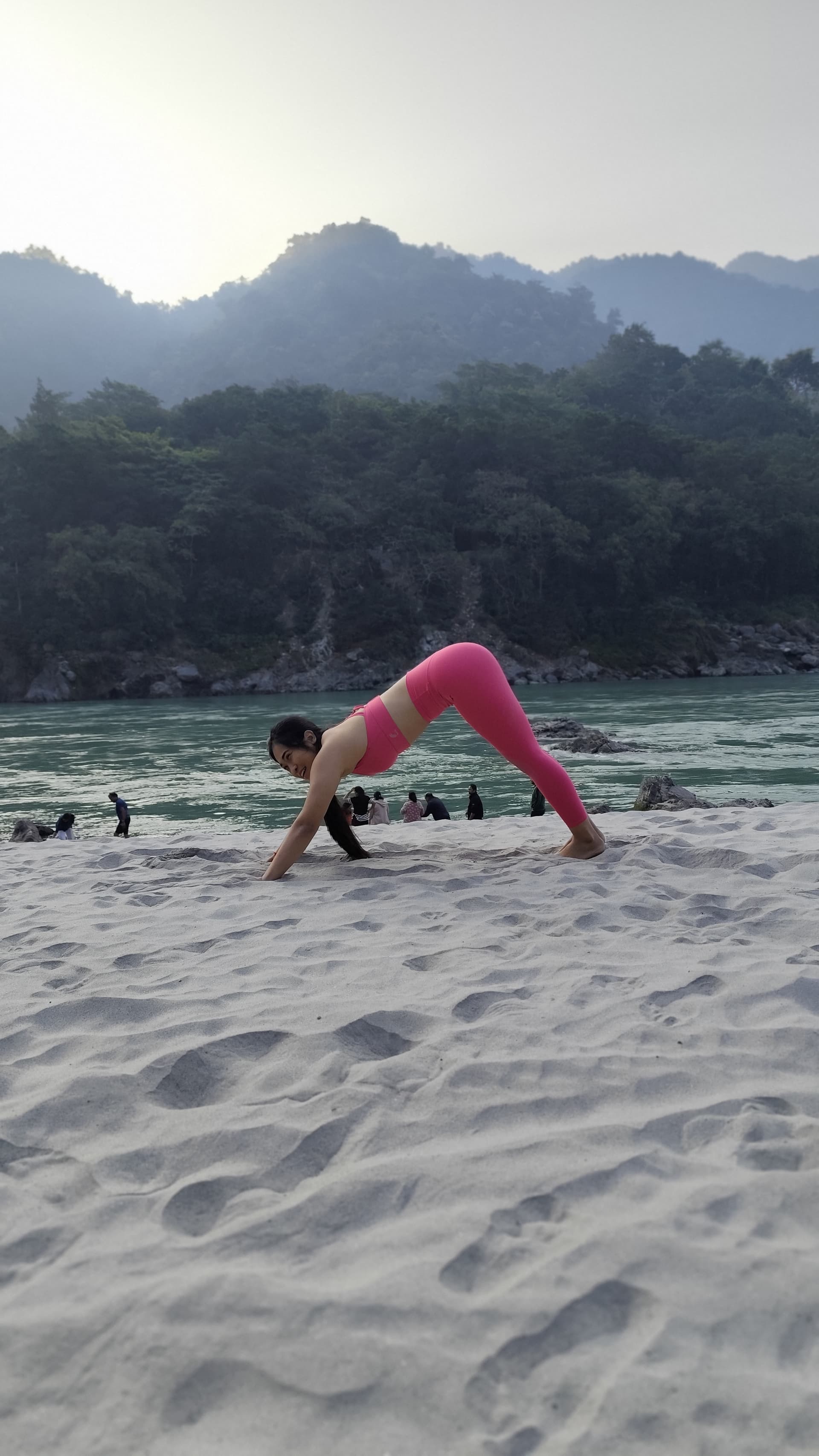
Tapovan sits directly on the riverbank, and many yoga shalas and rooftop practice spaces offer unobstructed views of the Ganges. Practicing sun salutations while watching the river flow through the Himalayan valley is an experience that connects you to something ancient and profound. The sound of the river provides natural white noise that deepens meditation and relaxation.
Elevation and Air Quality
Tapovan sits slightly higher than the main Rishikesh town, benefiting from cleaner air and cooler temperatures. The surrounding hills are covered in forest, and the area feels distinctly more natural and peaceful than the more developed parts of Rishikesh downstream.
Spiritual Energy
Locals and long-term practitioners consistently describe Tapovan as having a particular spiritual quality. Whether you attribute this to the area's ancient history of yogic practice, its position between the Ganges and the mountains, or simply the collective intention of the hundreds of practitioners who gather here daily, the atmosphere is palpably different from the busier parts of Rishikesh.
Practical Infrastructure
Over the past two decades, Tapovan has developed excellent infrastructure for yoga students. The roads are relatively well-maintained, there are reliable internet connections, ATMs and small shops provide daily necessities, and the range of accommodation options covers every budget. This practical foundation allows students to focus entirely on their practice without logistical headaches.
Community Effect
Perhaps the most powerful factor is the community itself. When dozens of yoga schools and hundreds of students cluster in one small area, a self-reinforcing ecosystem develops. Teachers attract students, students support cafes and shops, which in turn attract more businesses, creating an ever-richer environment for yoga practice. Walking through Tapovan, you are surrounded by people carrying yoga mats, discussing philosophy over chai, and living the yoga lifestyle. This immersion accelerates your own transformation.
Food and Cafes in Tapovan
Rishikesh is a strictly vegetarian city (no meat, fish, or eggs are sold within city limits), and Tapovan takes healthy eating to another level. The cafe scene here rivals any wellness-focused neighborhood in Bali or Byron Bay.
What to Expect
Tapovan cafes cater specifically to yoga students and health-conscious travelers. Menus feature fresh juices and smoothie bowls, Ayurvedic meals, whole-grain breads and porridges, sprouted salads, protein-packed lentil dishes, and traditional Indian thalis. Many cafes offer filtered or purified water, clearly labeled allergen information, and options for raw, vegan, and gluten-free diets.
Popular Cafes and Restaurants
The cafe scene in Tapovan changes regularly as new establishments open and others evolve, but you will find no shortage of excellent options. German Bakery locations serve European-style baked goods and coffee. Several rooftop restaurants offer Ganges views with your meal. Traditional Indian restaurants provide authentic dals, sabzis, and rotis at very affordable prices. Israeli, Korean, and Italian-influenced kitchens reflect the diverse international community.
Eating on a Budget
You can eat very well in Tapovan without spending much. A traditional Indian thali costs INR 100 to 200. Cafe meals with international flavors run INR 200 to 400. Fresh fruit juices are INR 80 to 150. If you are on a teacher training program, meals are typically included in your course fee, making budgeting even easier.

.jpg&w=1920&q=75)