
Formation de Professeur de Yoga 200 Heures à Rishikesh, Inde
Devenez un professeur certifié Yoga Alliance avec notre formation résidentielle complète. Maîtrisez le Hatha & Ashtanga traditionnel dans la capitale mondiale du yoga.
Our 200 Hour Yoga Teacher Training in Rishikesh, India is a Yoga Alliance certified RYT-200 program that qualifies you to teach yoga professionally worldwide. Over 24 immersive days in the yoga capital of the world, you will master Hatha, Vinyasa, and Ashtanga yoga styles alongside pranayama, meditation, anatomy, and teaching methodology — making this the ideal choice for dedicated practitioners and career changers ready to become confident, registered yoga teachers.
What is the 200 Hour Yoga Teacher Training in India?
The 200 Hour Yoga Teacher Training (YTT) at Swaastik Yog School is a 22-day, Yoga Alliance–certified residential course held in Rishikesh, India — the world capital of yoga. On completion you earn the internationally recognised RYT-200 credential, which qualifies you to teach yoga professionally across the USA, UK, Europe, Australia and 70+ other countries. The all-inclusive fee starts at $440 USD and covers accommodation, three daily sattvic meals, course materials, and certification. Trainings run twice monthly with small batches of 15–20 students.
- Duration
- 22 days / 21 nights
- Certification
- RYT-200 (Yoga Alliance)
- Styles taught
- Hatha, Vinyasa & Ashtanga
- Location
- Tapovan, Rishikesh, India
- Fees (all-inclusive)
- From $440 USD
- Next batch
- 5–26 oct. octobre 2026
- Batch start dates
- 5th & 15th monthly
What Makes the Best 200-Hour Yoga Teacher Training in Rishikesh?
Choosing where to earn your RYT-200 is a serious decision. Here is what sets our 200 Hour Yoga Teacher Training in Rishikesh, India apart — and what to look for in any reputable school.
Yoga Alliance Registered School (RYS 200)
The single most important credential is accreditation. Swaastik Yog School is a Yoga Alliance Registered School (RYS 200), which means our curriculum, contact hours, and teaching standards meet an internationally recognised benchmark. On graduating you can register directly as an RYT-200 and teach in 70+ countries worldwide.
Experienced, Certified Lead Trainers
The best training comes from genuinely qualified teachers. Our programme is led by Mayuri Shewale, an experienced E-RYT 500 (Experienced Registered Yoga Teacher) who has guided hundreds of students through their teacher training journey, supported by a faculty specialising in philosophy, anatomy, and meditation.
Small Batch Sizes & Personal Attention
A 200-hour course only works if your teachers can actually see you practise. We deliberately keep our batches small, so every trainee receives hands-on alignment feedback and ample supervised teaching practice rather than getting lost in a crowded hall.
A Trusted International Community
We have welcomed students from over 60 countries to study yoga in its birthplace. Training alongside a genuinely international cohort — in Tapovan, Rishikesh, the yoga capital of the world — is part of what makes the experience authentic and the connections lasting.
In short: the best 200-hour yoga teacher training in Rishikesh combines Yoga Alliance accreditation, experienced certified trainers, small supervised batches, and an authentic setting — the four standards we hold ourselves to on every course.
Pourquoi Choisir Notre Formation de Professeur de Yoga 200 Heures à Rishikesh ?
Immergez-vous dans la sagesse ancienne du yoga avec notre formation de professeur de yoga multi-styles de 200 heures à Rishikesh, en Inde. Ce cours intensif est conçu pour les débutants et les praticiens intermédiaires qui souhaitent approfondir leur pratique et devenir des professeurs de yoga certifiés. Apprenez le Hatha traditionnel, le Vinyasa dynamique et le yoga Ashtanga structuré auprès d'instructeurs expérimentés dans un cadre d'ashram paisible.
Notre programme comprend la pratique des asanas, le pranayama, la méditation, la philosophie, l'anatomie et la méthodologie d'enseignement. À la fin du cours, vous obtiendrez une certification Yoga Alliance, ouvrant les portes d'une carrière mondiale d'enseignement du yoga. Inscrivez-vous maintenant et commencez votre voyage vers la transformation !
L'école Swaastik Yog est une école de yoga enregistrée (RYS) reconnue aux États-Unis avec des certifications pour RYT200, RYS300 et RYS500. Nos professeurs expérimentés ont inspiré des milliers d'étudiants à transformer leur vie et à s'établir comme des enseignants inspirants dans le monde entier.
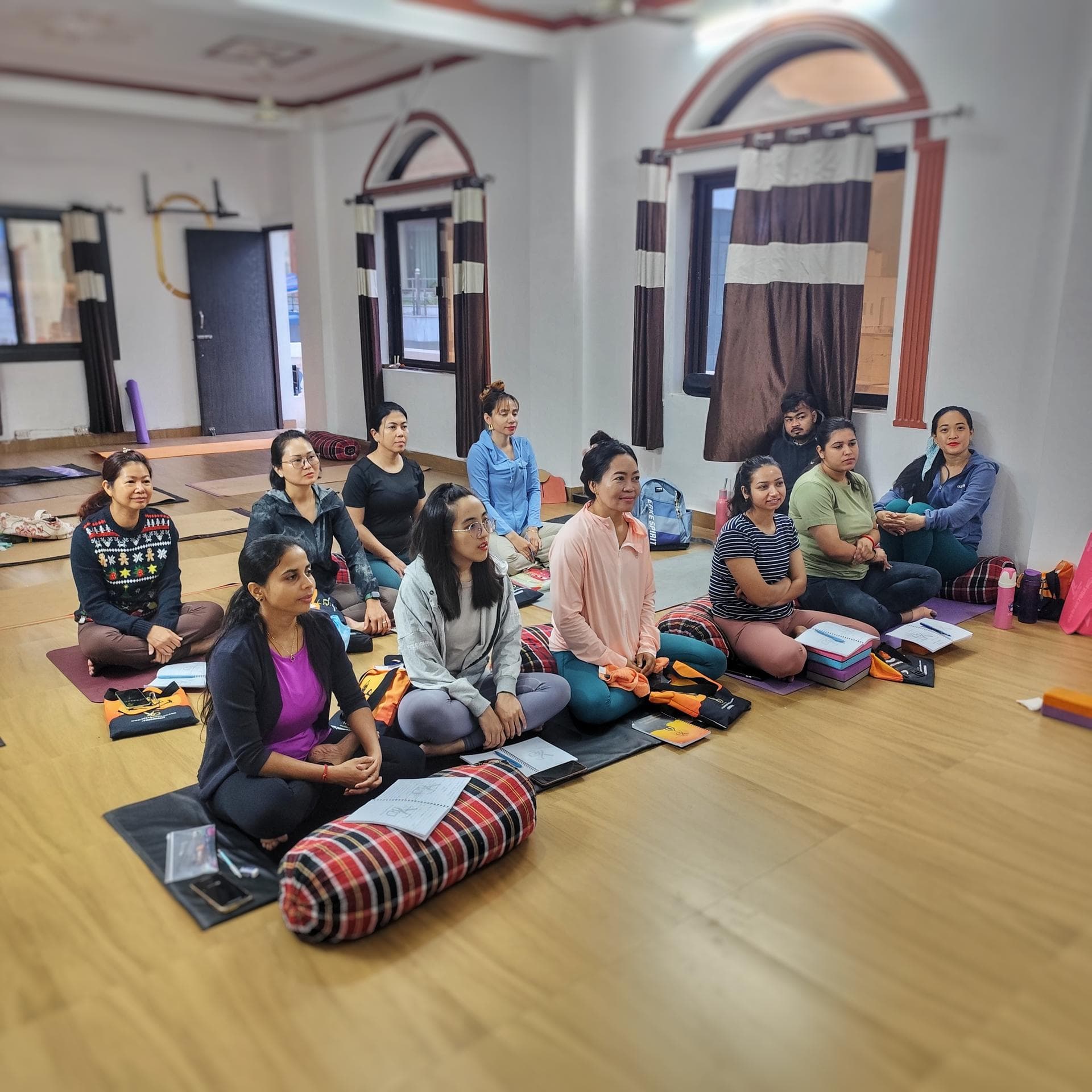
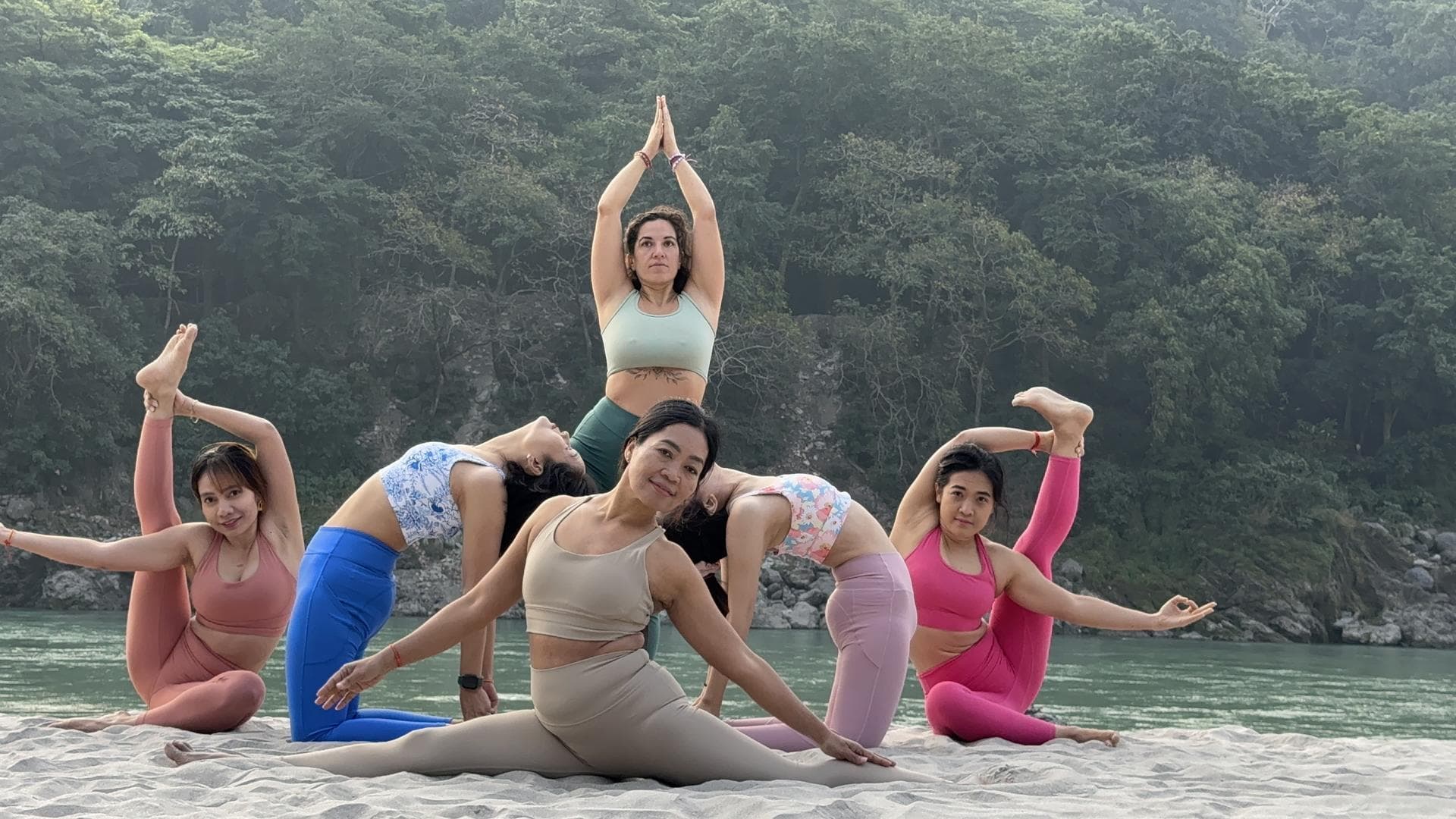
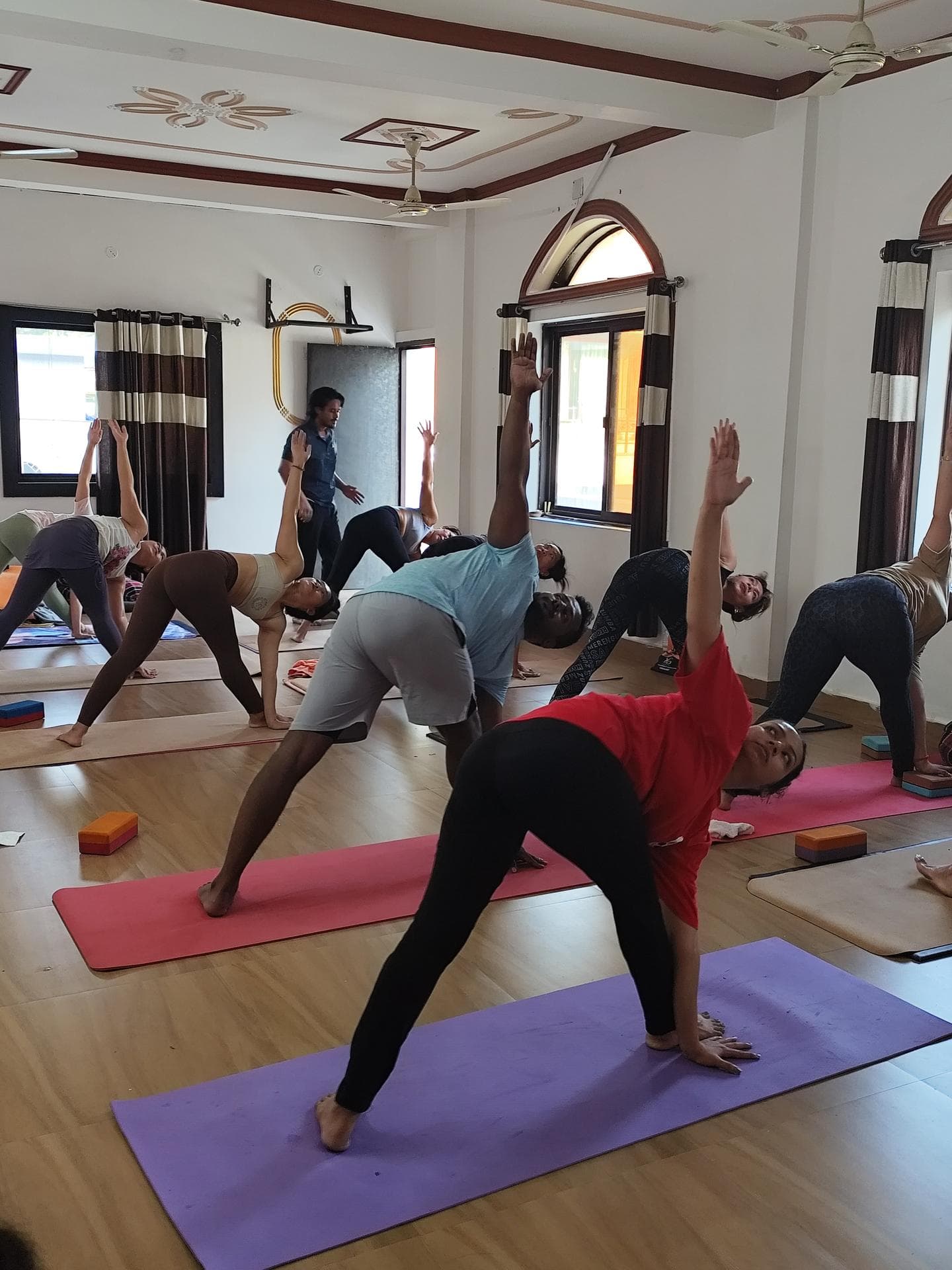
Life at Our 200-Hour TTC
Real classes and rituals from the course — tap to watch.
Points Forts et Avantages du Cours
Transformez votre pratique et devenez un professeur de yoga confiant et certifié
Certification Yoga Alliance RYT-200 reconnue mondialement
Formation multi-styles complète (Hatha & Ashtanga)
Petites tailles de classes (maximum 15-20 étudiants)
Professeurs certifiés E-RYT 500 expérimentés avec plus de 15 ans d'expérience
Situé à Tapovan, Rishikesh - la capitale mondiale du yoga
Forfait tout compris avec hébergement et repas sattviques
Excursions le week-end pour explorer Rishikesh
Soutien communautaire et conseils à vie
Manuel de cours et matériel d'étude inclus
Expérience de bain de glace et activités de bien-être holistiques
Prochaines Dates et Frais
| Dates | Dortoir | Chambre Partagée | Chambre Privée | Action |
|---|---|---|---|---|
octobre 2026 5–26 oct. | $440 | $880 | $1,100 | Réserver Maintenant |
octobre 2026 15 oct. – 5 nov. | $440 | $880 | $1,100 | Réserver Maintenant |
novembre 2026 5–26 nov. | $440 | $880 | $1,100 | Réserver Maintenant |
novembre 2026 15 nov. – 6 déc. | $440 | $880 | $1,100 | Réserver Maintenant |
décembre 2026 5–26 déc. | $440 | $880 | $1,100 | Réserver Maintenant |
décembre 2026 15 déc. – 5 janv. | $440 | $880 | $1,100 | Réserver Maintenant |
janvier 2027 5–26 janv. | $440 | $880 | $1,100 | Réserver Maintenant |
janvier 2027 15 janv. – 5 févr. | $440 | $880 | $1,100 | Réserver Maintenant |
février 2027 5–26 févr. | $440 | $880 | $1,100 | Réserver Maintenant |
février 2027 15 févr. – 8 mars | $440 | $880 | $1,100 | Réserver Maintenant |
mars 2027 5–26 mars | $440 | $880 | $1,100 | Réserver Maintenant |
mars 2027 15 mars – 5 avr. | $440 | $880 | $1,100 | Réserver Maintenant |
avril 2027 5–26 avr. | $440 | $880 | $1,100 | Réserver Maintenant |
avril 2027 15 avr. – 6 mai | $440 | $880 | $1,100 | Réserver Maintenant |
mai 2027 5–26 mai | $440 | $880 | $1,100 | Réserver Maintenant |
mai 2027 15 mai – 5 juin | $440 | $880 | $1,100 | Réserver Maintenant |
juin 2027 5–26 juin | $440 | $880 | $1,100 | Réserver Maintenant |
juin 2027 15 juin – 6 juil. | $440 | $880 | $1,100 | Réserver Maintenant |
juillet 2027 5–26 juil. | $440 | $880 | $1,100 | Réserver Maintenant |
juillet 2027 15 juil. – 5 août | $440 | $880 | $1,100 | Réserver Maintenant |
août 2027 5–26 août | $440 | $880 | $1,100 | Réserver Maintenant |
août 2027 15 août – 5 sept. | $440 | $880 | $1,100 | Réserver Maintenant |
septembre 2027 5–26 sept. | $440 | $880 | $1,100 | Réserver Maintenant |
septembre 2027 15 sept. – 6 oct. | $440 | $880 | $1,100 | Réserver Maintenant |
Accréditation Reconnue Mondialement
Après avoir réussi notre programme de formation de professeur de yoga de 200 heures, vous recevrez la prestigieuse certification Yoga Alliance RYT-200. Ce titre reconnu internationalement valide vos connaissances et compétences en tant qu'instructeur de yoga, vous permettant d'enseigner le yoga partout dans le monde.
L'école Swaastik Yog est une école de yoga enregistrée (RYS) reconnue aux États-Unis certifiée pour RYT200, RYS300 et RYS500. Nous sommes également une école de yoga pour enfants enregistrée (RCYS) et un fournisseur de formation continue Yoga Alliance (YACEP).

Programme Complet
Apprentissage structuré pour un enseignement efficace - mélange équilibré de théorie et de séances pratiques
Shatkarma (Techniques de Nettoyage)
- •Neti : Jal neti, Rubber neti
- •Vaman dhauti
- •Nauli
- •Kapalbhati
- •Trataka (Concentration intense à la lumière d'une bougie)
Pranayama (Techniques de Respiration)
- •Science de la posture assise
- •Respiration abdominale
- •Respiration thoracique
- •Respiration yogique
- •Nadi Shodhan Pranayam, Anulom Vilom, Ujjayi, Bhastrika, Shitali, Shitkari, Bhamari Pranayam
Postures de Yoga (Asanas)
- •Salutation au soleil Hatha yoga (surya namaskar) avec respiration appropriée
- •25 postures de Hatha yoga avec alignement et tenue
- •Salutation au soleil Ashtanga vinyasa A et B
- •Série primaire debout Ashtanga
- •Alignement et ajustement de chaque posture
- •Contre-pose, shavasana et précautions
Méditation
- •Importance de la méditation dans la vie quotidienne
- •Postures pour la méditation assise
- •Pratiques de méditation de 2 à 5 minutes
- •Méditation mantra
- •Méditation Trataka
Anatomie et Physiologie du Yoga
- •Introduction aux différents systèmes du corps humain (Respiratoire, Digestif)
- •Effet du yoga sur le système respiratoire et digestif
- •Activation des organes par les postures de yoga
- •Chakras et leur place dans le corps humain
- •Panch tatva (Cinq éléments)
- •Effet de la canalisation de l'énergie sur les muscles et les systèmes corporels
Philosophie du Yoga
- •Histoire du yoga et anciennes écoles de yoga
- •Yoga sutras de Patanjali
- •8 membres du yoga Ashtanga – Yama, Niyama, Asana, Pranayama, Pratyahara, Dhyana, Dharna, Samadhi
- •Éthique du yoga et mode de vie yogique
Ayurveda
- •Signification de la science ayurvédique
- •Doshas du corps humain – kapha, vatta, pitta
- •Analyse du caractère humain à travers chaque dosha
- •Plans alimentaires ayurvédiques pour équilibrer les doshas
Mudras & Chant de Mantras
- •Hasta Mudras : Jnana mudra, Chin mudra, Yoni mudra, Bhairava mudra, Hridaya mudra
- •Mantra de salutation au soleil Hatha yoga – noms du soleil pour chaque posture
- •Chant Om, Mantra Gayatri, Mantra Guru
- •Mantra Ashtanga yog, Mantra du matin
A Deep Dive Into Each Subject Area
A Yoga Alliance 200-hour curriculum spans eight core subject areas. Here is what you can expect to explore in each one during your training at Swaastik Yog School.
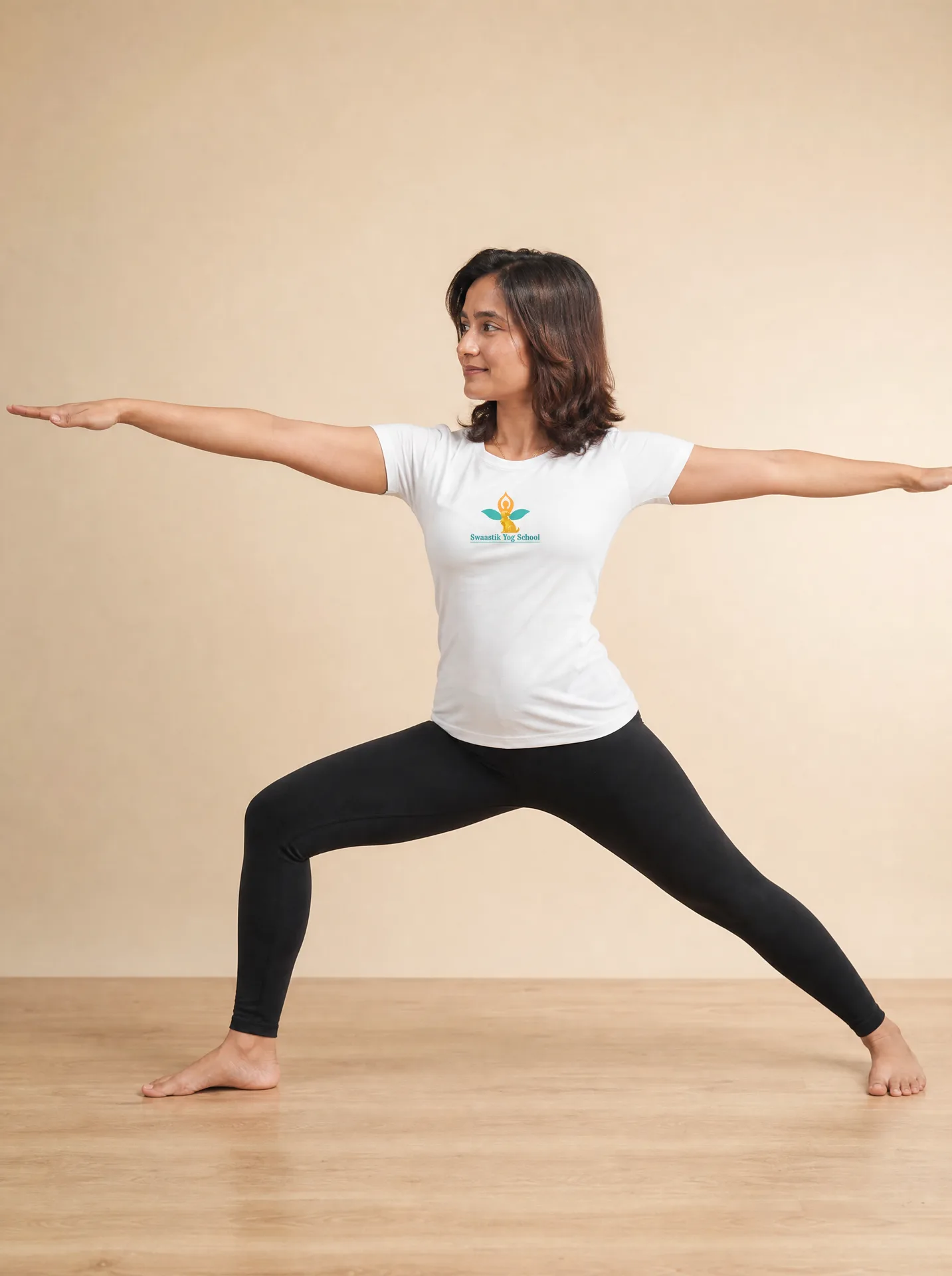
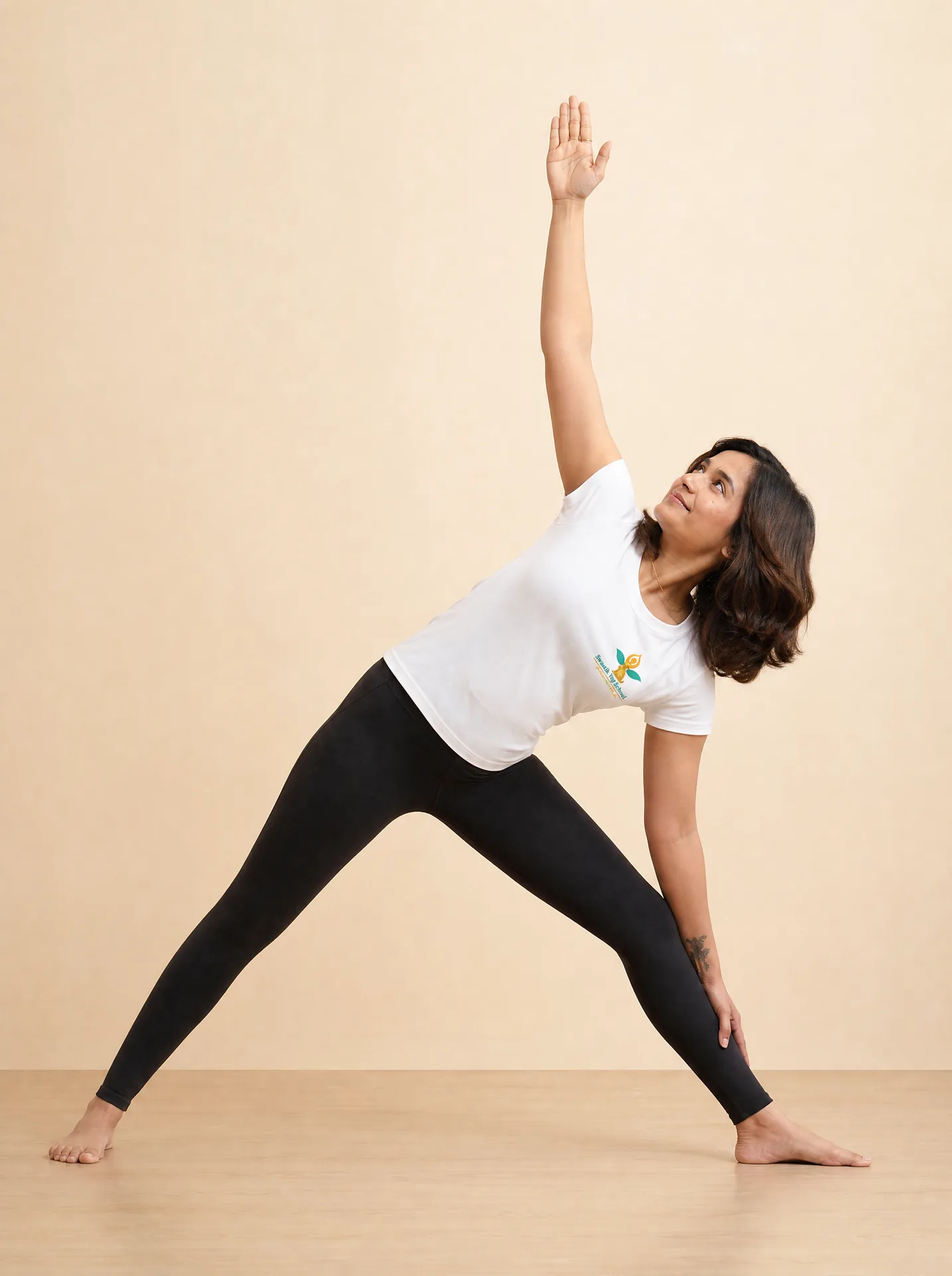
Asana Practice & Alignment
You will study classical Hatha postures, dynamic Vinyasa sequences, and the structured Ashtanga Primary Series side by side. Each asana is examined from three angles: correct skeletal alignment, safe muscular engagement, and the energetic intention behind the pose. You will learn to enter and exit postures safely, use props to support different bodies, and progressively build strength, flexibility, and balance throughout the training. By the final week, you will be able to teach a full class independently and give clear, anatomically informed adjustments.
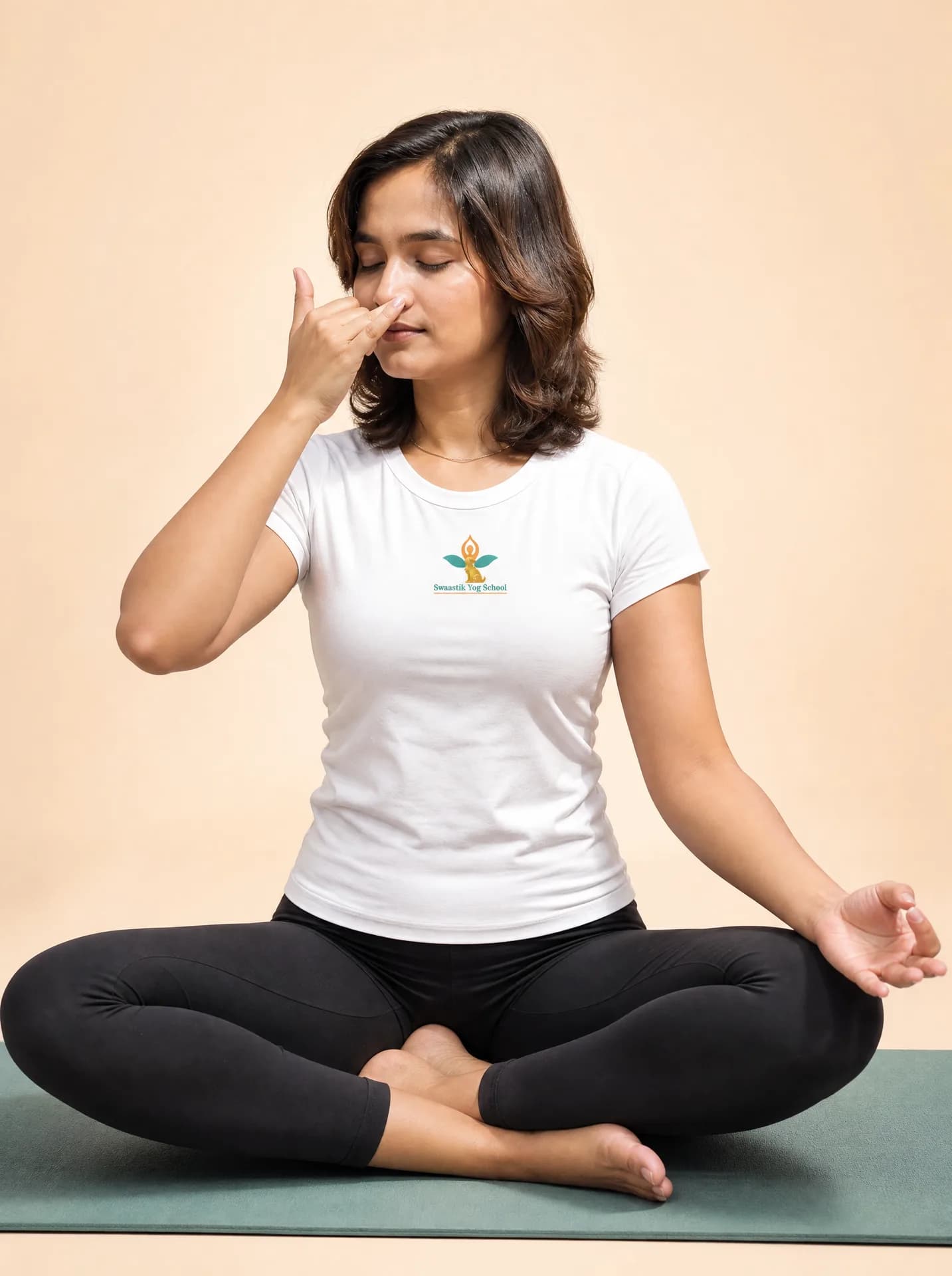
Pranayama — The Science of Breath
Pranayama is far more than breathing exercises. You will study the pranic body (pranamaya kosha), the five vayus (energy currents), and how breath links the physical and subtle dimensions of practice. Techniques covered include Nadi Shodhana (alternate-nostril breathing), Kapalabhati, Bhastrika, Ujjayi, Sitali, Sitkari, Bhramari, and Kumbhaka (breath retention). You will learn how each technique affects the nervous system and when — and when not — to introduce them in a class setting, including contraindications for students with specific health conditions.
Yoga Philosophy & the Yoga Sutras of Patanjali
Philosophy sessions explore the foundational texts that underpin all yoga traditions. You will study the Eight Limbs of Yoga (Ashtanga) as codified by Patanjali, examining how each limb — from the ethical guidelines of yama and niyama through to the meditative states of dharana, dhyana, and samadhi — applies to daily life and teaching practice. Classes also introduce the Bhagavad Gita, the Samkhya model of consciousness, and key concepts such as prakriti, purusha, the five kleshas (afflictions), and the nature of the mind (chitta). Understanding these frameworks allows you to speak about yoga authentically rather than reduce it to physical exercise.

Anatomy & Physiology for Yoga Teachers
You do not need a medical background to succeed in this module, but you will finish it with a working knowledge of the musculoskeletal system that makes you a safer, more confident teacher. Topics include the structure of major joints (hips, shoulders, spine, knees), how muscles lengthen and contract during asana, the role of fascia and connective tissue, common yoga-related injuries and how to prevent them, and an introduction to the nervous system's role in stress, relaxation, and the parasympathetic response to yoga practice. Functional anatomy — understanding what is actually happening in a body during a pose — replaces memorisation of abstract diagrams.
Teaching Methodology & Practicum
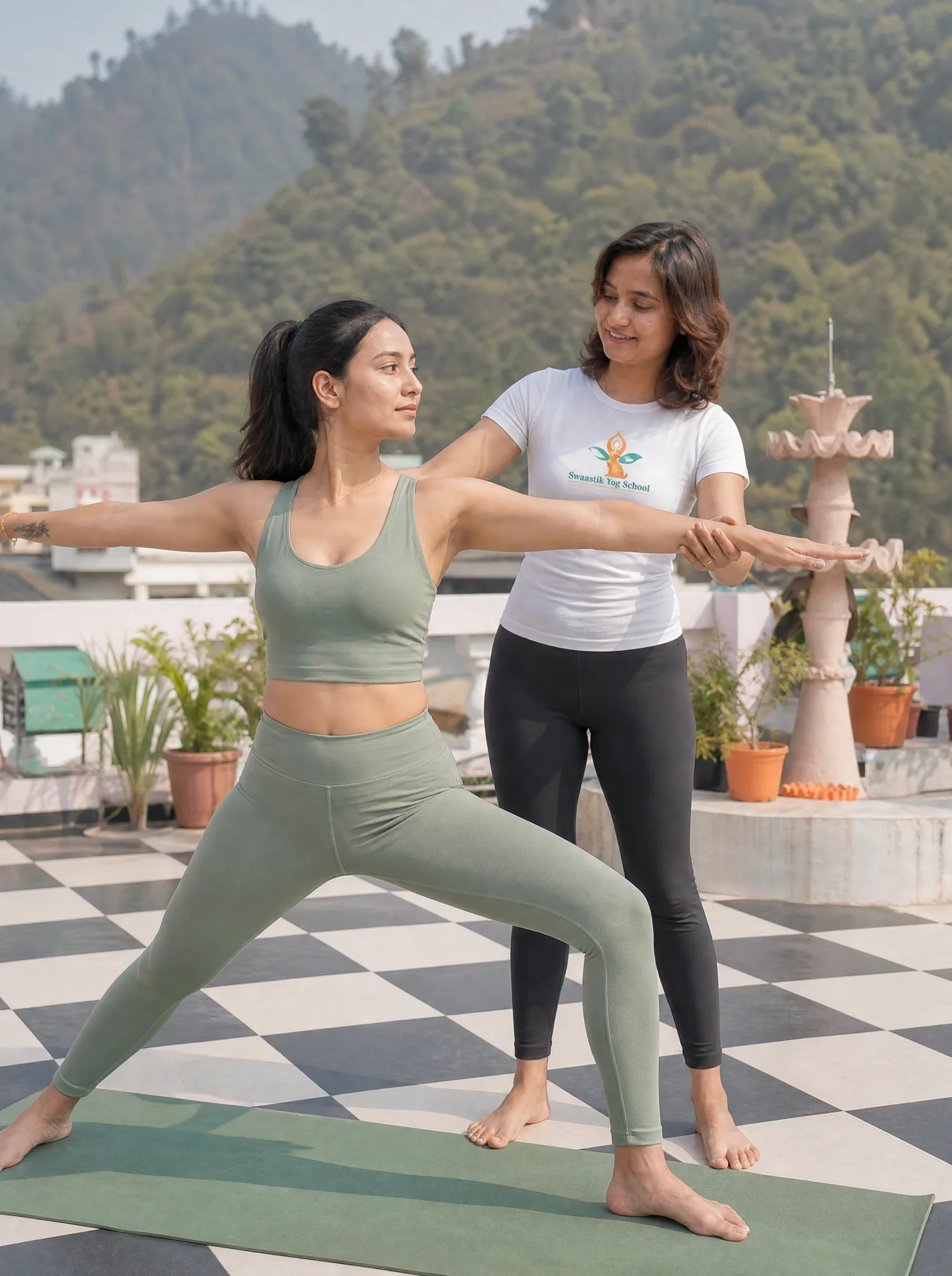
Knowing how to practise yoga and knowing how to teach it are two different skills. Teaching methodology sessions focus on sequencing principles (how to build a class from warm-up to peak pose to cool-down), the art of cueing (verbal, visual, and tactile), voice and tone, class management, working with mixed-ability groups, and how to adapt postures for students with injuries or limited mobility. You will lead teaching practice sessions from the first week, receiving structured feedback from teachers and peers. By graduation you will have logged sufficient practice hours to approach your first paid class with genuine confidence.
Meditation & Yoga Nidra
Morning and evening meditation sessions are integral to the daily rhythm of training, not an optional add-on. You will be introduced to several classical techniques: trataka (candle-gazing), mantra meditation, body-scan awareness, breath-anchored mindfulness, and the deeply restorative practice of Yoga Nidra. You will learn the neuroscience behind why these methods reduce cortisol, improve sleep, and build focused attention — useful background knowledge when students ask why they should meditate. You will also practise guiding short meditations yourself, which transfers directly into your ability to hold space for a class.
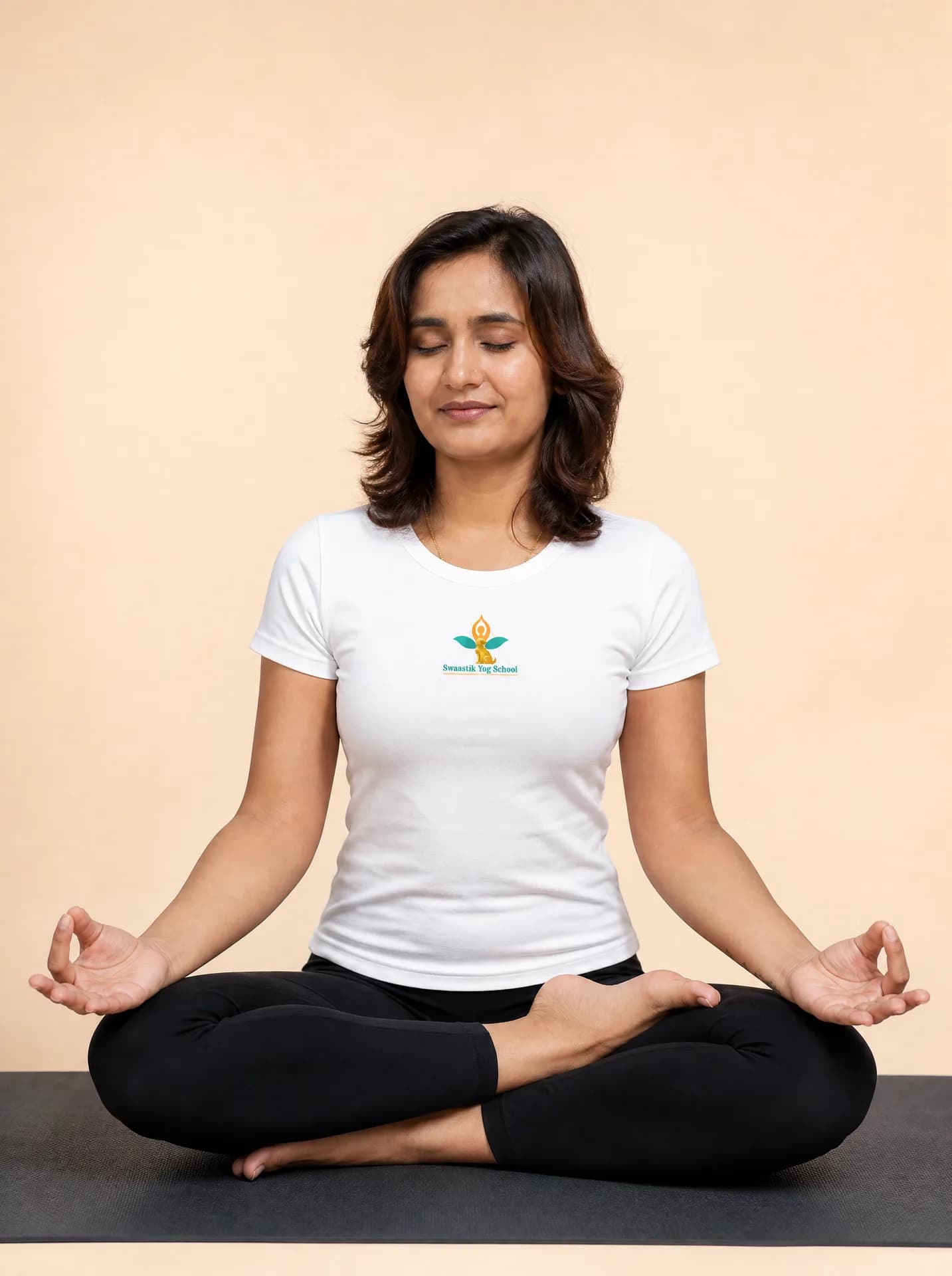
Mudras, Bandhas & Shatkarma
Mudras (energetic hand gestures) and bandhas (internal muscular locks) are subtle but powerful tools that regulate prana flow and deepen both asana and pranayama practice. You will study the principal mudras used in seated meditation and during postures, understand how Mula Bandha, Uddiyana Bandha, and Jalandhara Bandha work physiologically and energetically, and learn when it is appropriate to introduce them in a class. Shatkarma — the six classical cleansing practices of Hatha Yoga — is studied both theoretically and, where relevant, experientially, giving you a rounded picture of the traditional Hatha system beyond postures and breathwork.
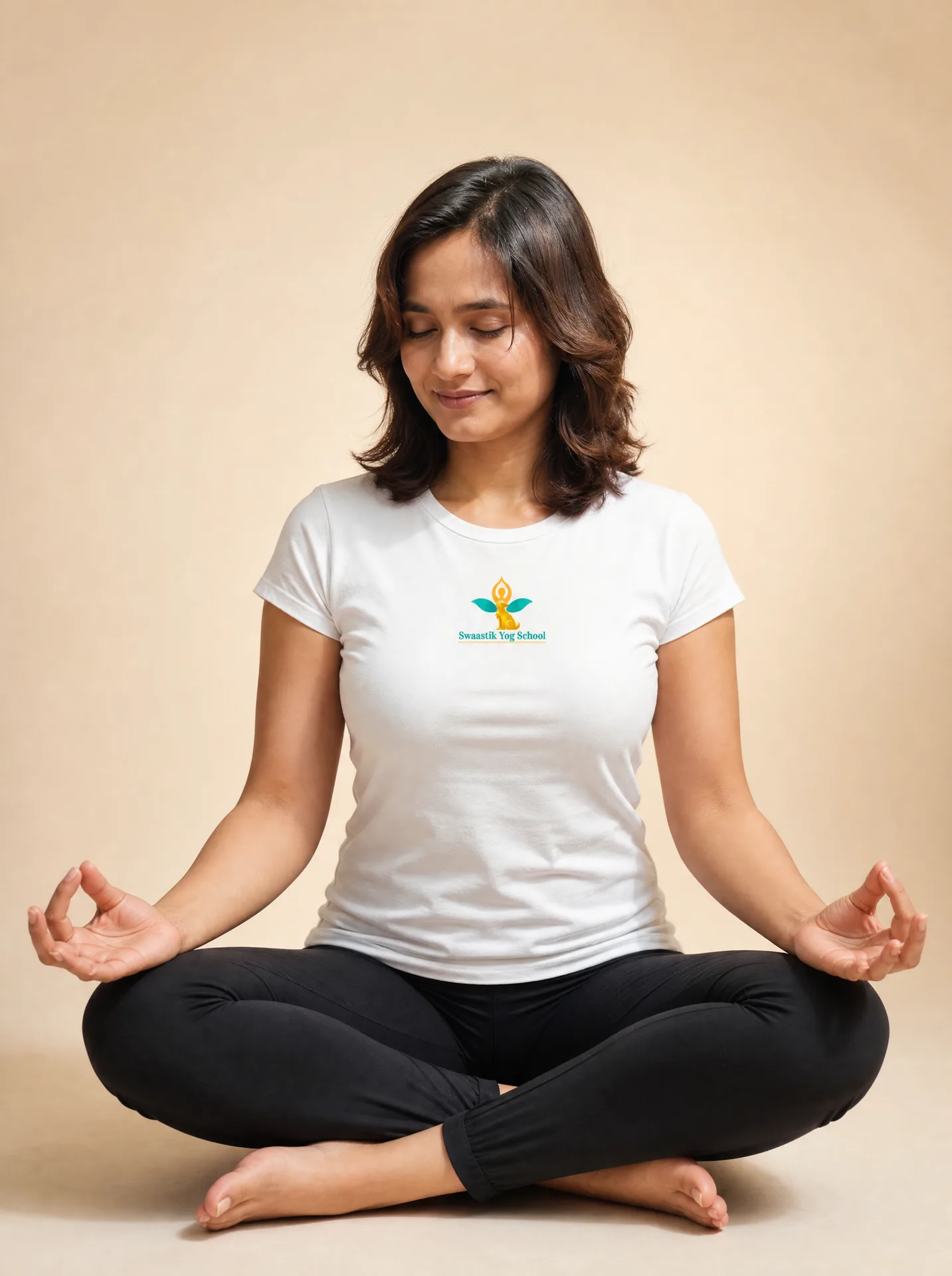
Ayurveda & Yogic Lifestyle
Ayurveda — India's traditional system of health — is yoga's sister science and the lens through which diet, sleep, seasonal routine, and daily habits are understood. You will learn the three doshas (Vata, Pitta, Kapha), how to identify your own constitution, and how sattvic (pure, balanced) nutrition supports a sustained yoga practice. This is not prescriptive meal planning; it is a framework for understanding how lifestyle choices affect energy, mood, and the capacity to learn and teach. Many graduates find that Ayurvedic principles change how they structure their personal practice long after the training ends.
Who This Course Is For
This training welcomes students at a wide range of life stages and experience levels. Here are the profiles we most often see — and who thrives here.
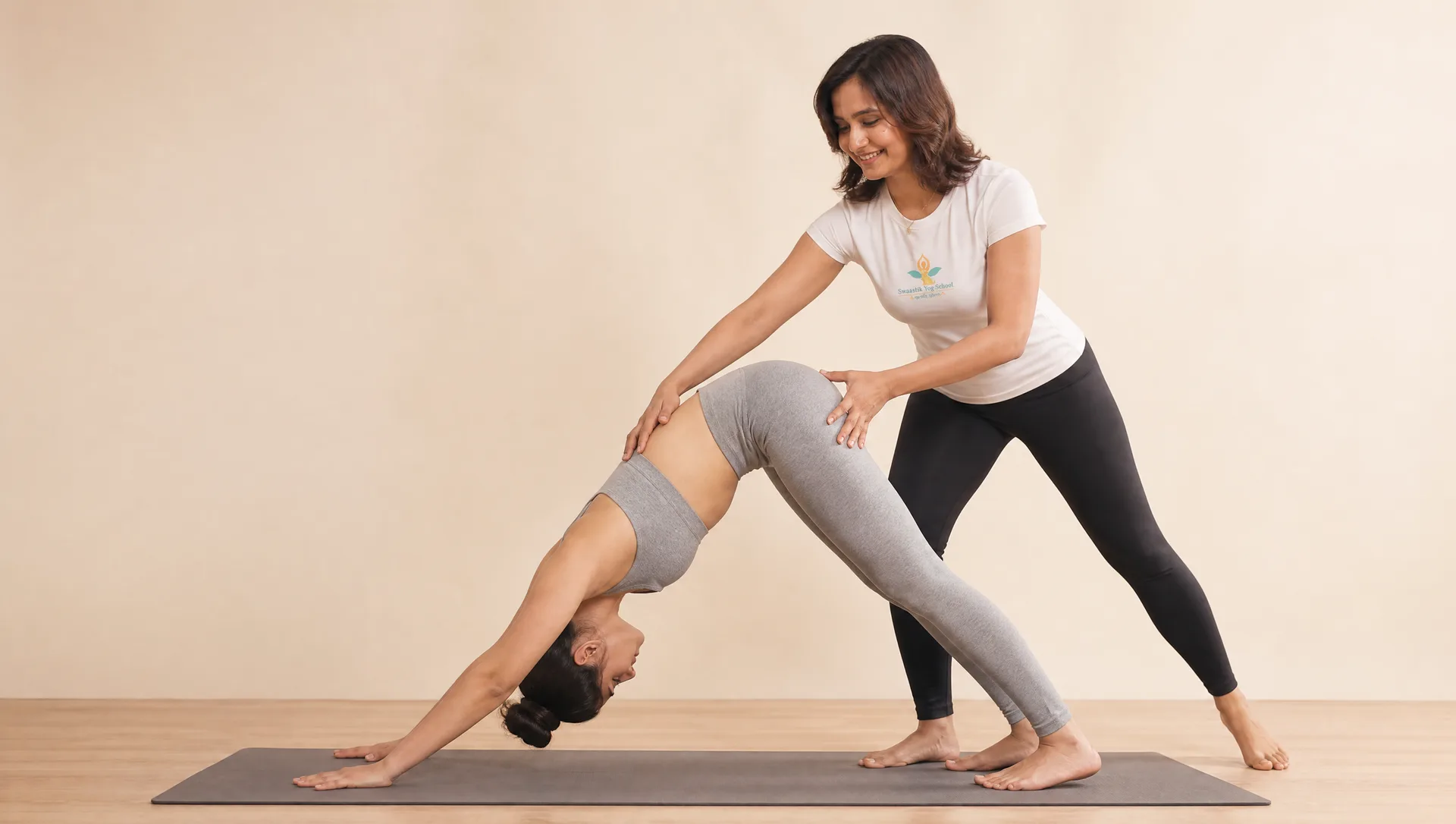
Dedicated Practitioners Ready to Teach
If you have been practising yoga regularly for at least a year and feel a pull toward sharing the practice, this training gives you the technical knowledge, teaching hours, and confidence to step in front of a class. Prior teaching experience is not required — only genuine commitment.
Career Changers & Those Seeking Purpose
Many students arrive at a crossroads — tired of a career that feels misaligned and drawn toward a vocation centred on wellbeing. The 24-day residential format provides the immersion needed to make a genuine pivot, and the Yoga Alliance credential opens doors to studios, retreats, and wellness resorts worldwide.
Experienced Practitioners Who Want Depth
Years of practice can leave unanswered questions about anatomy, philosophy, or pranayama theory. This training fills those gaps systematically. Many graduates say they leave understanding their own practice far better than they understood it when they arrived, even if they already held informal teaching roles.
Wellness Professionals Expanding Their Scope
Physiotherapists, personal trainers, massage therapists, nurses, and mental health practitioners frequently join to integrate yoga's tools into their existing work. The anatomy and philosophy content is particularly valued by those who already have a clinical or movement background.
Seekers of Personal Transformation
Not everyone who joins intends to teach professionally. Some students come seeking a structured period of self-inquiry, away from the noise of daily life. The residential setting, daily meditation, and philosophical study create conditions for genuine inner change that a drop-in class simply cannot replicate.
International Students Drawn to Rishikesh
Rishikesh is where many of the most respected yoga lineages were formalised and where the Ganga flows out of the Himalayas. Studying here — rather than in a city studio — means learning yoga in the cultural and geographical context it emerged from, which adds a dimension of authenticity no curriculum document can capture.
Prerequisites: You should be practising yoga regularly and be comfortable with a range of basic postures. You do not need to be advanced — openness to learning and physical and mental commitment to 22 days of full immersion are the real requirements.
What to Expect from Residential Training
A residential yoga teacher training is unlike any other educational experience. Here is an honest picture of what daily life looks like and why the live-in format accelerates learning.
Full Immersion Accelerates Progress
When you live, eat, practise, and study alongside your fellow trainees, learning happens continuously — not just during formal class hours. Conversations at brunch about a philosophy class, adjustments you give a peer during evening practice, and late-evening discussions about the sutras all contribute to your development as a teacher. The 200 hours stipulated by Yoga Alliance are a minimum; the lived hours of a residential training carry you well beyond that benchmark.
A Structured but Sustainable Daily Rhythm
Days begin early — sunrise in the foothills of the Himalayas is something most students describe as transformative in itself. Morning practice is followed by brunch, academic sessions, a short rest period, afternoon asana or practicum, and evening meditation or philosophy. This rhythm mirrors the sattvic lifestyle that yoga philosophy recommends: rising with the sun, practising consistently, studying with attention, and resting fully. Many graduates report that the daily schedule becomes one of the most valuable things they take home with them.
Sattvic Meals & Physical Nourishment
Included meals are prepared according to Ayurvedic and yogic dietary principles: fresh, vegetarian, and designed to support sustained energy and a calm mind rather than stimulate or agitate. Eating communally is itself part of the training — it slows mealtimes down and makes you more aware of food as fuel for practice rather than entertainment.
Community & Lifelong Connections
Training alongside people from different countries who share the same intention creates bonds that consistently outlast the course itself. The international cohort is one of the most frequently mentioned highlights in graduate feedback. Your fellow trainees become practice partners, accountability contacts, and collaborators in the years after certification.
Rishikesh as a Living Classroom
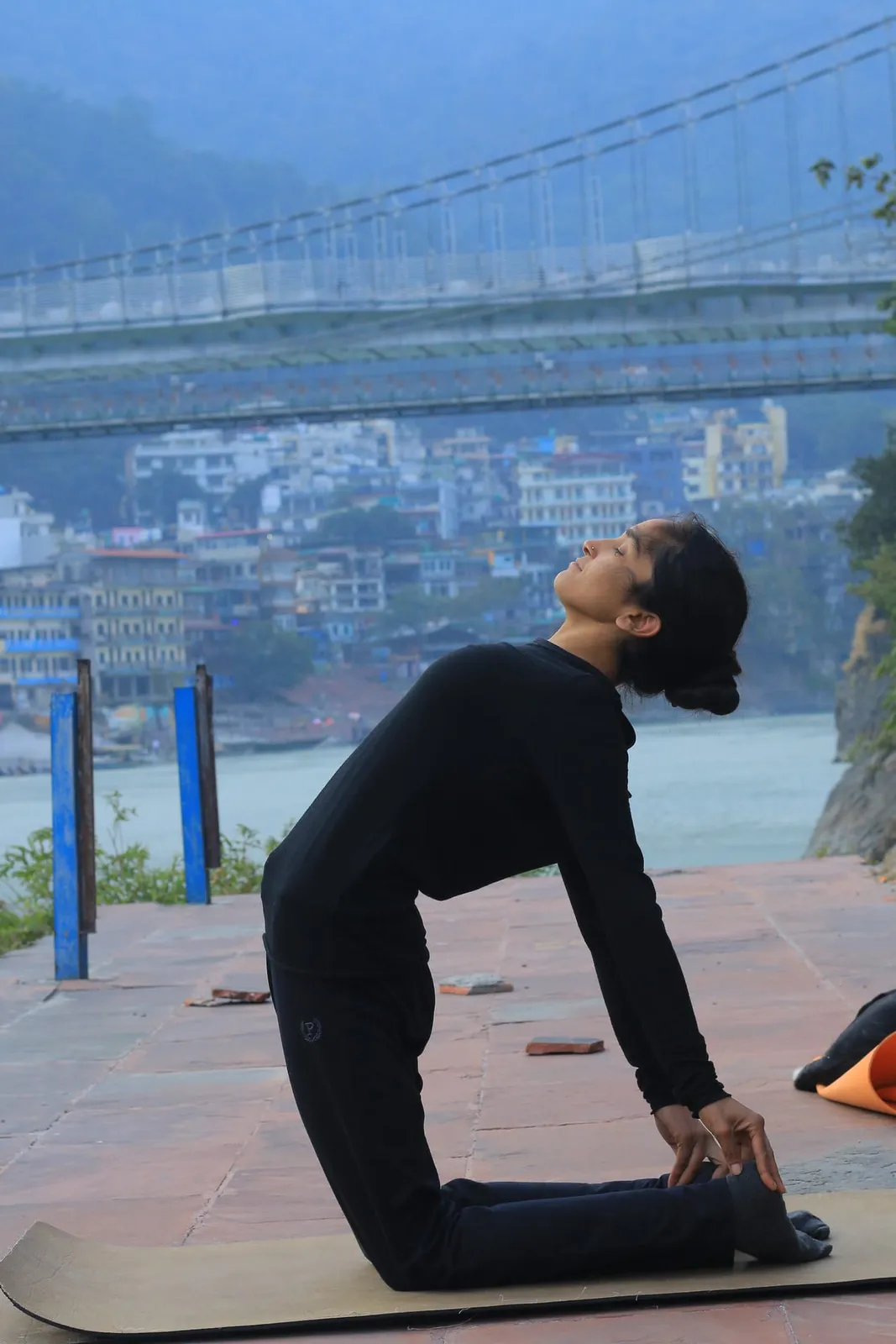
Rishikesh sits at the point where the Ganga leaves the Himalayan foothills and enters the plains — a geography that has drawn seekers, scholars, and yoga masters for centuries. Studying here means that the rivers, temples, ghats, and surrounding forests become part of your education. Weekend free time for Ganga walks, visits to ashrams, or simply sitting with the river connects your classroom learning to a living tradition in a way no urban training can replicate.
Honest Challenges — and How to Prepare
Immersive training is demanding. Physical fatigue in the first week is normal as your body adapts to daily practice. Philosophy and anatomy sessions require focused attention. There will be days when teaching practicum feels uncomfortable. This is expected and is part of the growth process. Arriving with a regular personal practice, some familiarity with basic yoga terminology, and a willingness to be a beginner in aspects outside your comfort zone will set you up for a rewarding experience.
Your Path to Yoga Alliance Certification (RYT-200)
Understanding what the Yoga Alliance credential actually means — and the steps involved in earning it — removes much of the uncertainty prospective students feel before they apply.
What Is a Yoga Alliance RYT-200?
The Registered Yoga Teacher 200 (RYT-200) is the globally recognised entry-level professional credential for yoga teachers. It is awarded by Yoga Alliance, a US-based non-profit that sets curriculum standards for teacher training programmes. Studios, retreat centres, and wellness resorts around the world use RYT status as a baseline hiring requirement. Having the credential signals to employers and students that your training met a defined standard of breadth and rigour.
The credential is earned in two stages: first by completing a course at a Yoga Alliance-registered school (an RYS, or Registered Yoga School), and then by registering yourself as an individual teacher on the Yoga Alliance website. Both steps are required — the certificate from your school is the evidence; the registration is the official record.
What Swaastik Yog School Provides
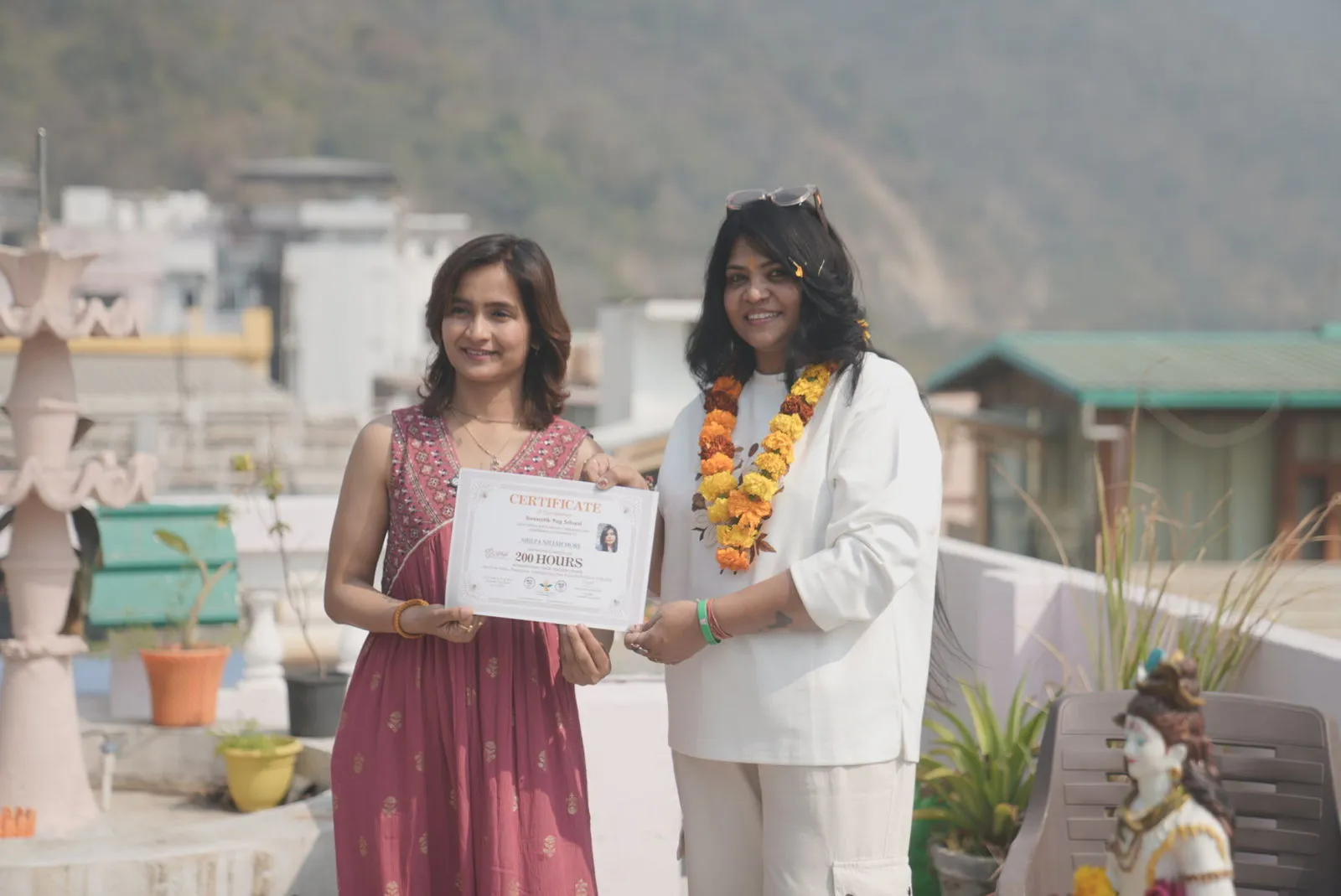
As a Yoga Alliance-registered school, we issue you a course completion certificate upon successfully finishing the programme. This certificate contains the information Yoga Alliance requires to process your individual registration: the school's RYS number, your training hours broken down by subject area, and the dates of your training.
Our teaching staff will guide you through the Yoga Alliance online registration process, which you complete yourself directly on the Yoga Alliance website. Once approved, your name appears in the public Yoga Alliance teacher directory, which many studios use when vetting applicants.
Step 1: Complete the Training
Attend all required sessions, pass the practical and written assessments, and log your teaching practice hours.
Step 2: Receive Your Certificate
We issue your school completion certificate, which serves as the official record of your training for Yoga Alliance registration.
Step 3: Register with Yoga Alliance
Create your individual account on the Yoga Alliance website, submit your certificate details, and pay the registration fee (set by Yoga Alliance). You are then listed as an RYT-200.
What Can You Do With an RYT-200?
Meet Your Teachers
Your learning outcomes depend as much on who teaches you as on what the curriculum covers. Here are the lead teachers who guide the 200-hour programme.
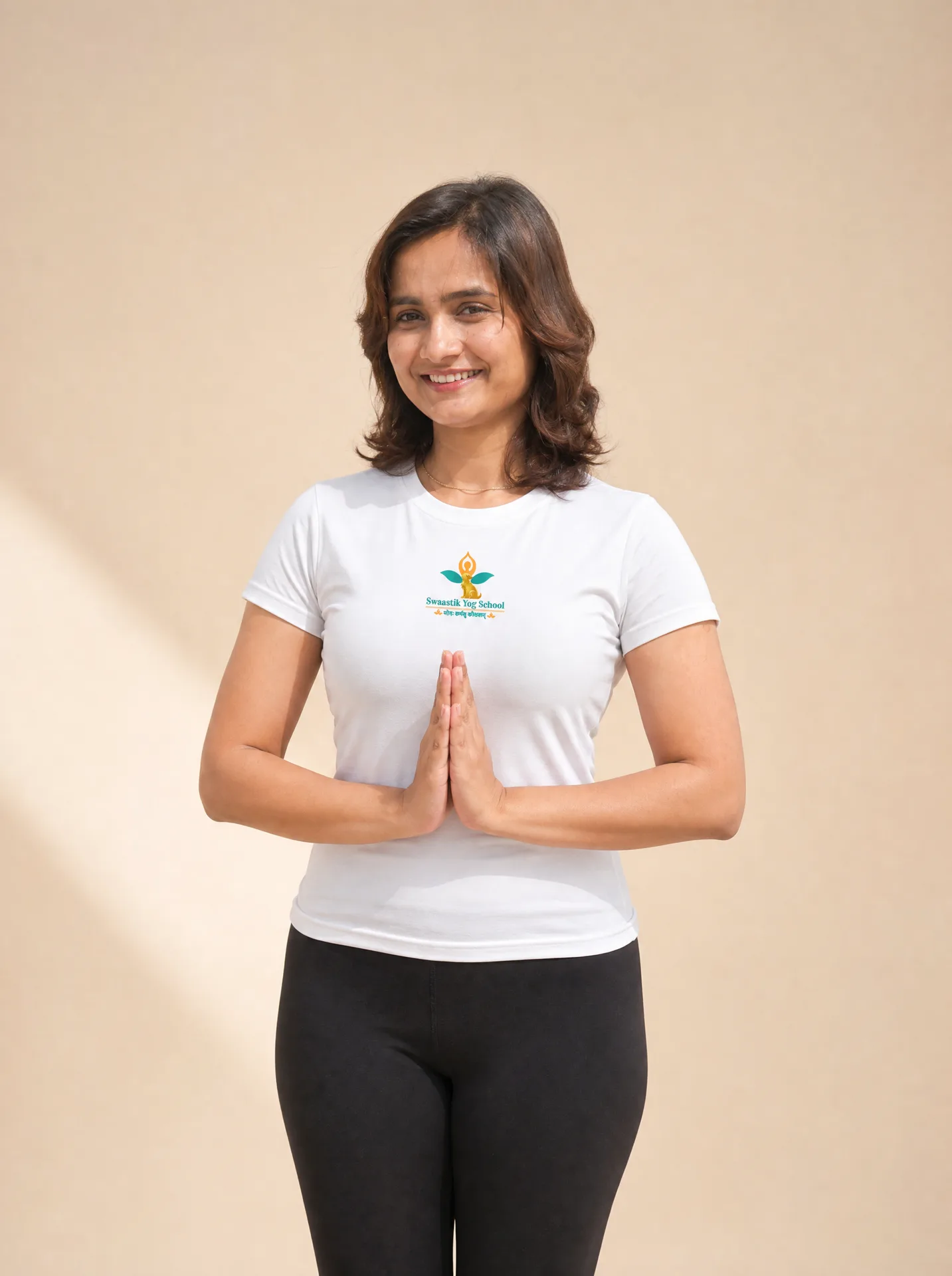
Mayuri Shewale
Founder & Lead Yoga Teacher
15 years of teaching experience. Mayuri has guided hundreds of students through their yoga teacher training journeys, bringing a precise understanding of alignment and a warm, encouraging teaching presence to every session.
Areas of expertise
Rahul Badoni
Co-Founder & Philosophy Teacher
12 years of teaching experience. Rahul brings rigorous academic depth to Yoga philosophy, Sanskrit, and the Bhagavad Gita, making ancient texts genuinely accessible to modern students from all backgrounds.
Areas of expertise
Priya Sharma
Aerial Yoga Specialist
Priya specialises in the aerial and restorative dimensions of yoga practice, bringing a nuanced understanding of inversions and the use of props to support students of all abilities. Her sessions introduce trainees to a wider vocabulary of movement and restoration.
Areas of expertise
Swami Anand
Meditation Master
Swami Anand guides the meditation, Yoga Nidra, and Vedanta sessions. His background in spiritual counselling and the non-dual teachings of Vedanta gives students the conceptual grounding to understand why meditation works — not just how to sit still.
Areas of expertise
Emploi du Temps Quotidien
Les horaires et repas mentionnés dans l'emploi du temps sont sujets à changement en fonction des conditions saisonnières, des politiques de l'école et des exigences spécifiques du cours.
Hatha Yoga
Pratique matinale avec alignement approprié
Pranayama / Shatkarma
Techniques de respiration et de nettoyage
Petit-déjeuner
Repas végétarien sattvique
Alignement / Anatomie
Théorie sur la mécanique corporelle
Ashtanga Yoga
Pratique dynamique et série primaire
Déjeuner
Repas principal de la journée
Étude Personnelle / Repos
Pratique personnelle et relaxation
Cours de Yoga Avancé
Pratique de l'après-midi et variations
Méditation
Pratique de méditation du soir
Repos
Temps personnel avant le dîner
Chant de Mantras
Séance de chant sacré
Dîner
Repas sattvique du soir
Vivez le Style de Vie Yogique avec Confort
Faites l'expérience d'une vie confortable et de repas nourrissants conçus pour soutenir votre voyage de yoga dans l'environnement serein de Rishikesh
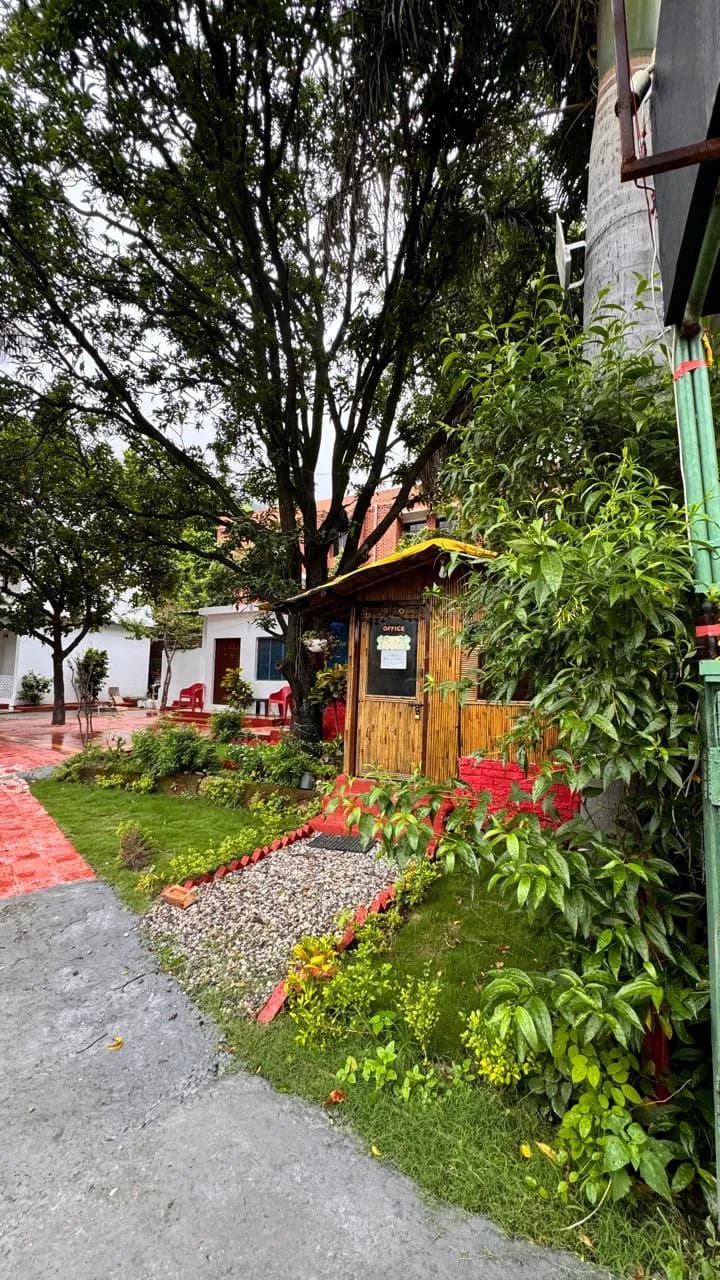
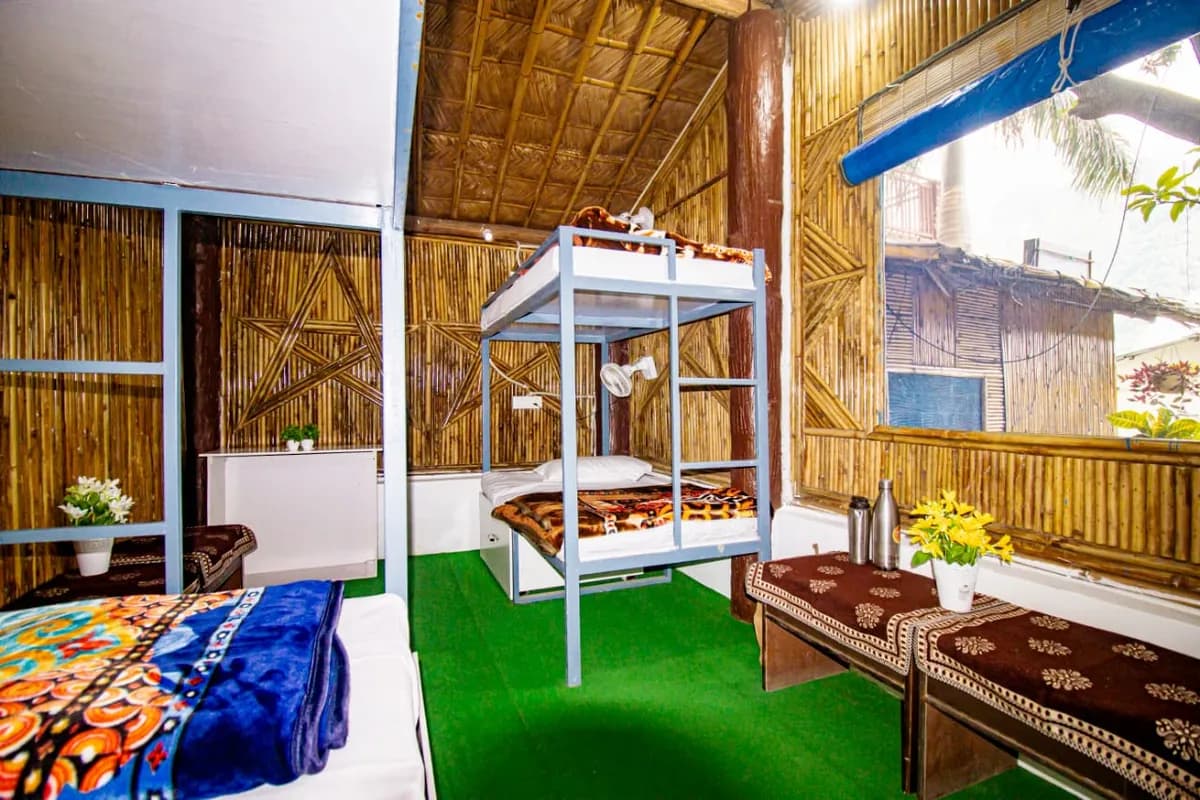
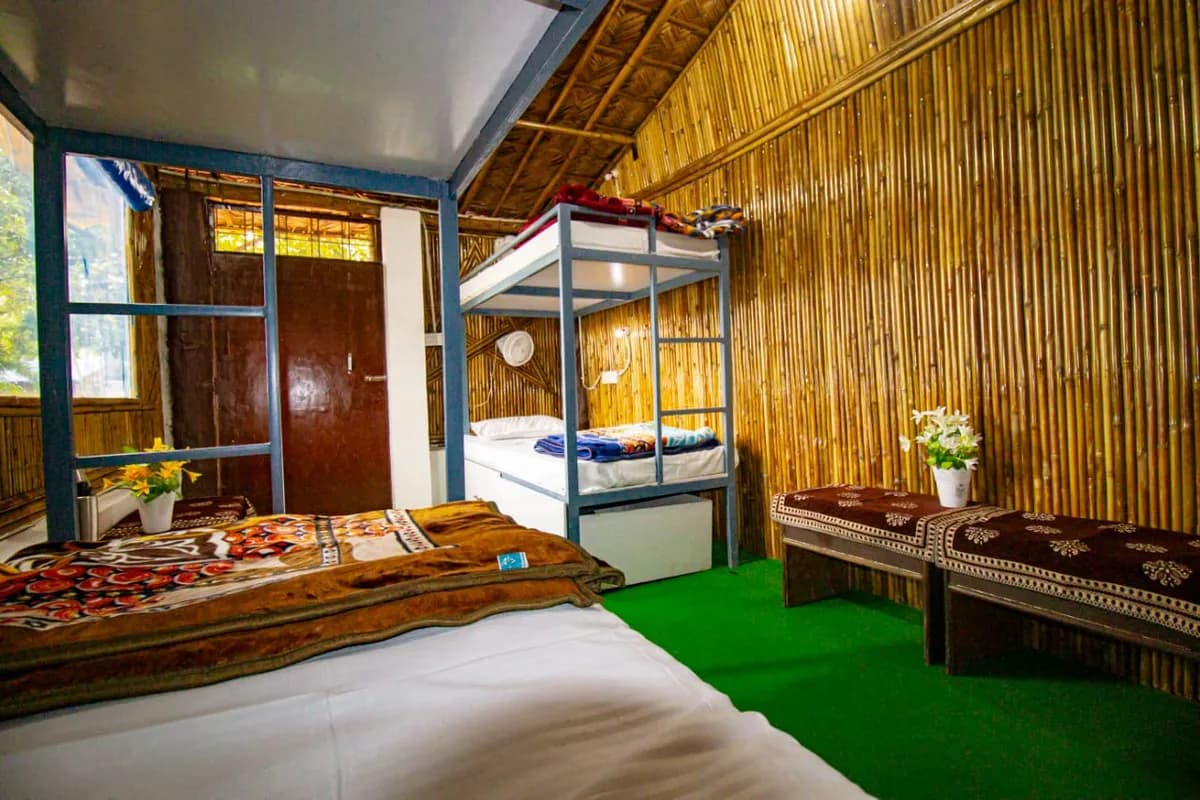
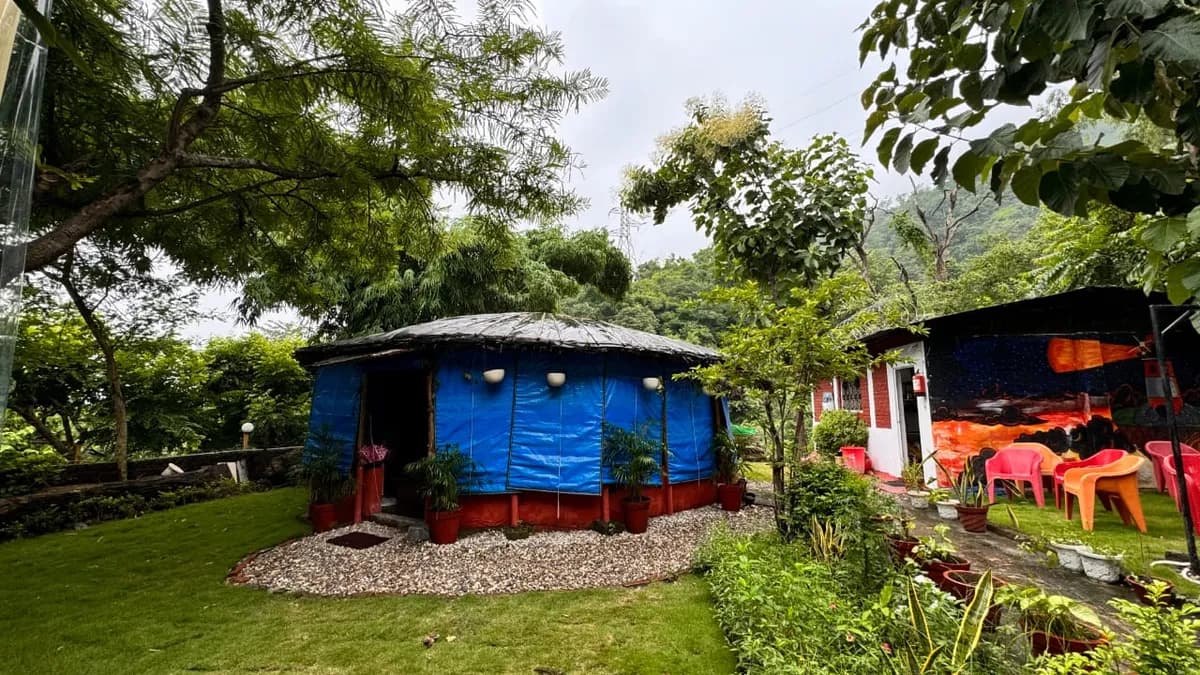
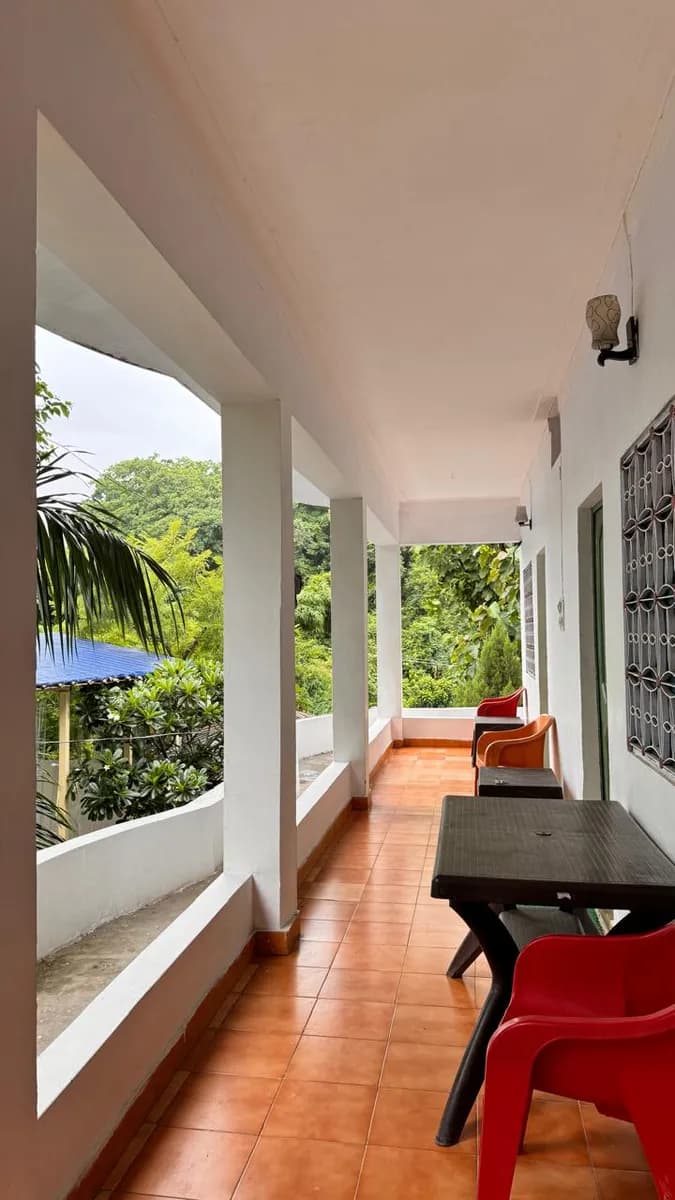
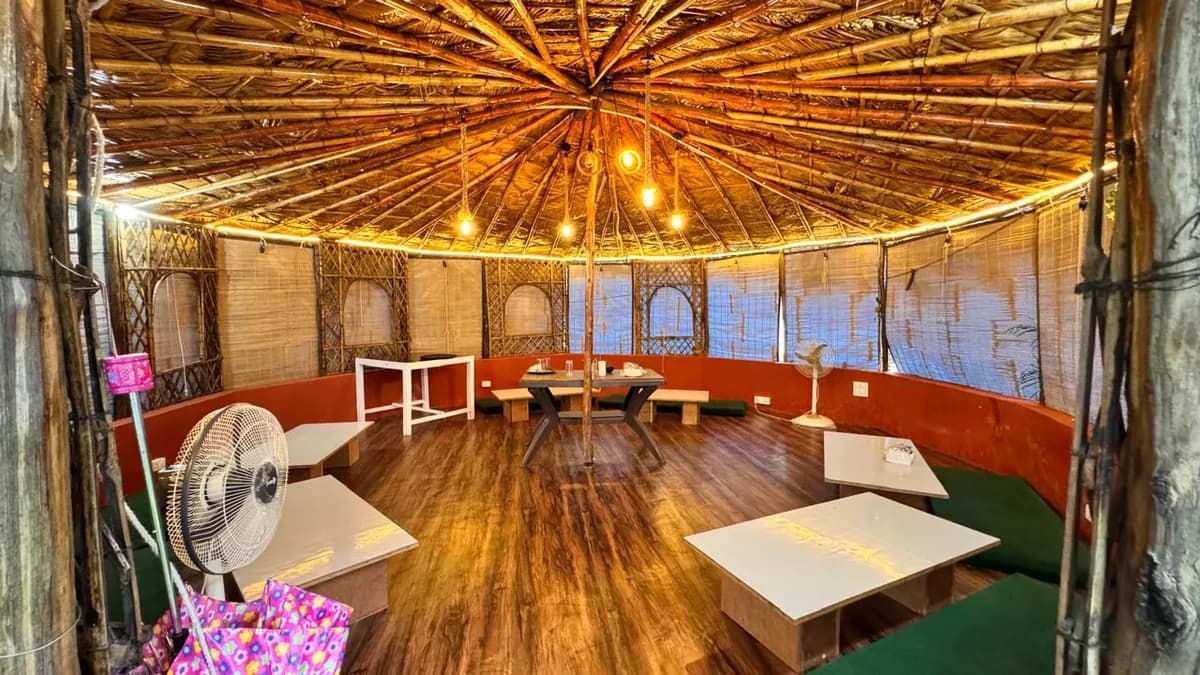
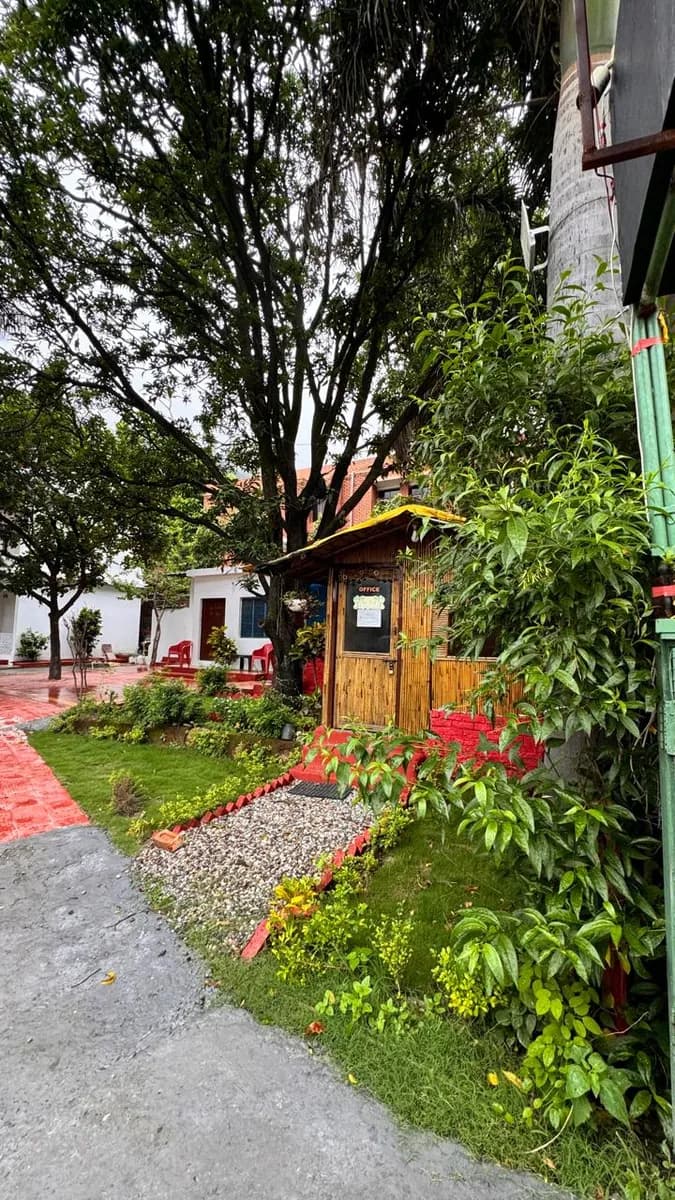
Here is exactly where you will stay during your training — our peaceful residential campus set among gardens and forest in Tapovan, Rishikesh, just a short walk from the Ganga. Choose the room type that suits you: a friendly shared dormitory, a twin-shared room, or a private room, all with attached bathrooms and daily housekeeping.
Dormitory
Budget-friendly bamboo-cottage dorms with comfortable single & bunk beds — the most social way to stay.
Twin-Shared Room
Bright twin rooms with two single beds, feature walls and en-suite bathroom — share with a fellow trainee.


Private Room
Your own private room with a double bed, air-conditioning and attached bathroom for total quiet and rest.


Gardens & Outdoor Space
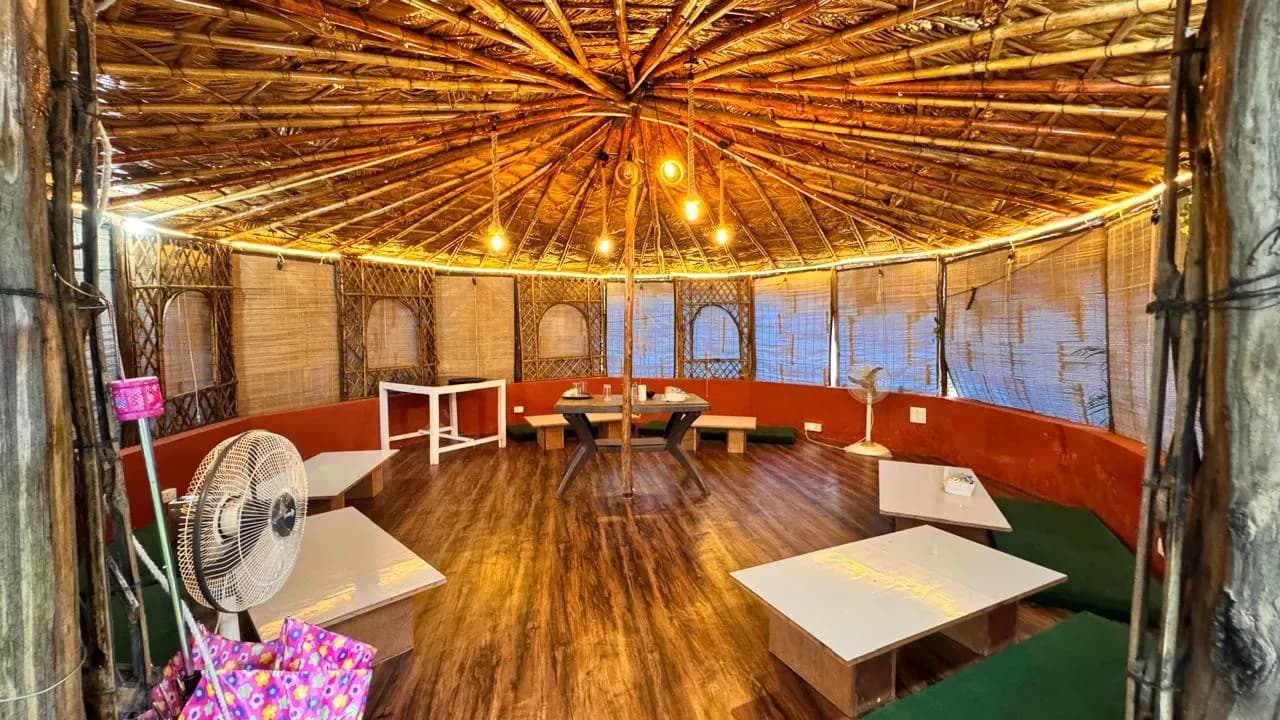
Green gardens, forest-view balconies and a bamboo hall for meditation, study and simply relaxing between classes.
Options d'Hébergement
Dortoirs
Idéal pour les voyageurs soucieux de leur budget. Espaces propres, spacieux et bien ventilés avec une literie confortable et des installations partagées.
Chambres Partagées
Connectez-vous avec des personnes partageant les mêmes idées dans nos chambres pour 2-3 personnes, conçues pour encourager la camaraderie tout en assurant l'espace personnel et le confort.
Chambres Privées
Pour ceux qui recherchent la solitude, nos chambres privées offrent une retraite tranquille avec plus d'intimité pour une introspection et un repos plus profonds.
Repas Nourrissants
Nous servons trois repas végétariens sattviques sains par jour, préparés avec des ingrédients frais et de saison.
- Petit-déjeuner : Repas sattvique léger pour dynamiser votre matinée
- Déjeuner : Repas nutritif principal avec variété
- Dîner : Repas léger le soir pour une meilleure digestion
- Thés à base de plantes et eau filtrée RO tout au long de la journée
Le régime sattvique s'aligne sur les principes yogiques, mettant l'accent sur la pureté, la simplicité et l'équilibre.
Inclusions et Exigences du Cours
Ce qui est inclus
Tout ce dont vous avez besoin pour une expérience de formation complète
- Programme de formation de professeur de yoga de 200 heures
- Certification Yoga Alliance RYT-200 à la fin
- Cours de yoga quotidiens, ateliers et conférences
- Instructeurs de yoga expérimentés et certifiés
- Hébergement partagé dans des chambres confortables avec salle de bain attenante
- Trois délicieux et nutritifs repas végétariens sattviques par jour
- Thés à base de plantes rafraîchissants
- Eau potable filtrée RO
- Tapis de yoga à utiliser pendant le cours
- Manuel de cours et matériel d'étude
- Accès à la bibliothèque et aux ressources de l'école
- Wi-Fi gratuit
- Excursions le week-end pour explorer la beauté naturelle et les sites spirituels de Rishikesh
- Séances de chant de mantras et de méditation
- Expérience de bain de glace
- 15 jours d'enseignement de groupe en ligne gratuit après le cours
Non Inclus
Coûts supplémentaires à considérer
- •Hébergement privé (Chambres simples disponibles moyennant un coût supplémentaire)
- •Transferts aéroportuaires et autres transports
- •Dépenses personnelles (souvenirs, lessive, activités supplémentaires)
- •Frais médicaux engagés pendant le cours
- •Cours ou ateliers supplémentaires en dehors du programme du cours
Exigences
- →Forme Physique : Raisonnablement bonne santé physique pour participer aux pratiques quotidiennes de yoga
- →Esprit Ouvert : Volonté d'apprendre, de grandir et d'embrasser de nouvelles expériences
- →Engagement : Dévouement à assister à tous les cours et à remplir les exigences du cours
- →Respect : Respect du code de conduite de l'école et du mode de vie yogique
- →Tenue Blanche : Apportez une tenue blanche pour la cérémonie de remise des diplômes
- →Équipement de Yoga : Vêtements de yoga confortables (leggings/pantalons de yoga et hauts de soutien)
- →Articles Personnels : Serviette de bain, articles de toilette, médicaments ou suppléments nécessaires
Ce Que Disent Nos Etudiants
Student Stories on Instagram
Unfiltered student experiences — tap to watch.
FAQ TTC 200 Heures
Ai-je besoin d'une expérience préalable en yoga ?
La nourriture est-elle végétalienne ?
Le transfert aéroport est-il inclus ?
Quelle est la taille du groupe ?
Puis-je rester des jours supplémentaires ?
Politique de Remboursement
Politique Générale
Les frais de cours et le montant de la réservation sont non remboursables.
Exceptions
- Situations d'Urgence : En cas d'urgences réelles (par exemple, maladie grave, urgence familiale, refus de visa), nous pouvons envisager d'offrir l'option de transférer votre inscription à un futur programme. Cela sera évalué au cas par cas et nécessite des documents justificatifs.
- Annulation Après l'Adhésion : Si un étudiant annule le cours après qu'il a déjà commencé, aucun remboursement ne sera émis.
Notes Importantes
- Nous vous encourageons vivement à considérer attentivement votre engagement envers le programme avant de vous inscrire.
- L'assurance voyage est fortement recommandée pour couvrir tout événement inattendu qui pourrait vous obliger à annuler votre participation.
- Si vous avez des questions ou des préoccupations concernant notre politique de remboursement, n'hésitez pas à nous contacter avant de vous inscrire.
Notre Engagement envers la Flexibilité
Bien que nous maintenions une politique de remboursement stricte, nous nous engageons à travailler avec les étudiants confrontés à de véritables difficultés. Nous ferons de notre mieux pour trouver une solution appropriée, comme transférer votre inscription à un futur programme, chaque fois que possible.
Vous ne savez pas quel cours choisir ?
Nous avons simplifié la comparaison. Découvrez toutes les formations de professeurs, retraites et cours côte à côte — dates de début, tarifs et options de chambre réunis sur une seule page.
- Filtrer par mois
- Filtrer par budget
- Filtrer par type de chambre
Related Courses & Guides
Explore more to plan your yoga journey with Swaastik Yog School.
Loved by Students Worldwide

Gurupreet Singh
5 months ago
I recently completed my training at Swastik Yoga School in Rishikesh and had a really positive experience. As a beginner, I learned Hatha, Ashtanga, and even Aerial yoga in a very supportive environment. My teachers, Mayuri and Rahul, were knowledgeable, patient, and truly dedicated. I’ve already started seeing positive changes in my body, flexibility, and overall strength. The school is also great for a multicultural experience, with students coming from all around the world, which made learning even more enriching. Grateful for the journey and highly recommend it to anyone starting or deepening their yoga practice.

florencia Mancini
7 months ago
I had a beautiful experience doing my 200hs TTC course with Mayouri. Because the group was small, she was able to give personal attention to each student, correcting our postures, alignment, and technique in a very detailed way. She is demanding in the best sense — she truly wants you to grow, learn properly, and become confident in your practice and teaching. The practices were well structured, deep, and meaningful. I felt supported and challenged at the same time, which helped me improve a lot. We also had the opportunity to try some acro-yoga, kundalini yoga and aereal. That was super fun too! The place was also amazing. The yoga shala with the sun shining in middle of winter was delicious. Also the terrace where we practiced too was beautiful, peaceful and perfect for yoga. It was a lovely space to share meals together, connect and relax too. Location in middle of Tapovan close to everything too which is really practical. What I appreciated the most was the atmosphere. It felt like a small family. There was warmth, respect and genuine care between everyone. I’m very grateful for this experience and I highly recommend Mayouri’s TTC to anyone who wants serious training in a supportive and loving environment.
Reviews sourced from Google
Prêt à Commencer Votre Voyage d'Enseignement du Yoga ?
Rejoignez notre prochaine formation de professeur de yoga de 200 heures et transformez votre pratique et votre vie dans la capitale mondiale du yoga
Have Questions? Get in Touch!
Whether you're interested in our teacher training courses, retreats, or drop-in classes, we're here to help guide your yoga journey. Fill out the form or chat with us directly on WhatsApp.