Back to Blog
Training

Yoga Teacher Training Packing List for India 2026

Rahul Badoni
Share this post:
Yoga Teacher Training Packing List for India 2026

The essential packing list for yoga teacher training in India. What to bring, what NOT to bring, and Rishikesh-specific tips for international students.

You have booked your yoga teacher training in India, the excitement is building, and now comes the practical question every student faces: what do I actually pack? Getting your yoga teacher training packing list right can mean the difference between a smooth, focused training experience and weeks of unnecessary stress over forgotten essentials. Having welcomed students from over 40 countries to our programs at Swaastik Yog School in Rishikesh, we have compiled the definitive packing guide based on years of real student feedback and the specific conditions of training in India.

Essential Yoga Clothing for Your Teacher Training

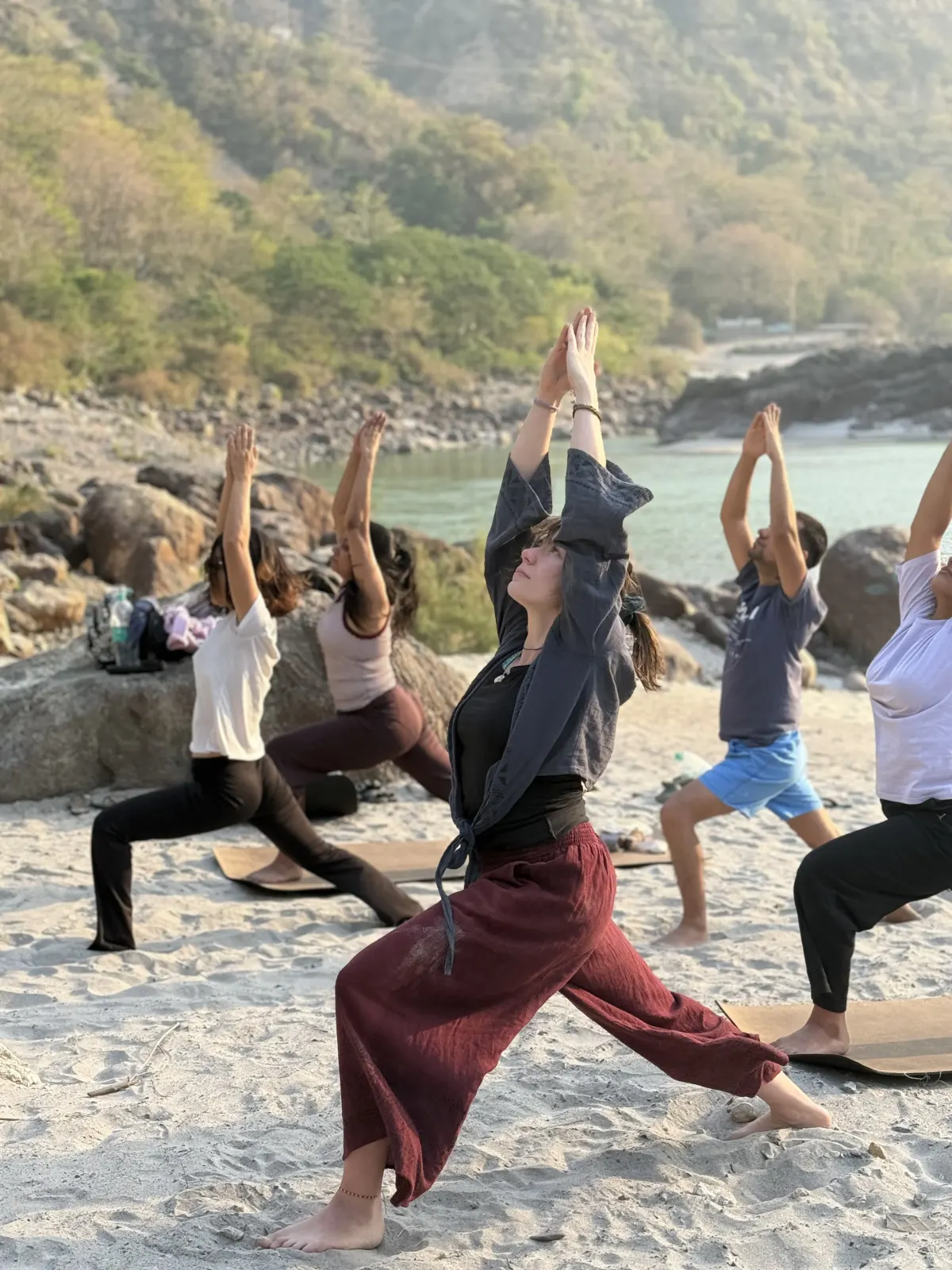
You will be practicing yoga for four to six hours per day during your training. Your clothing needs to be comfortable, breathable, and allow a full range of movement. Here is what we recommend bringing.
For Women

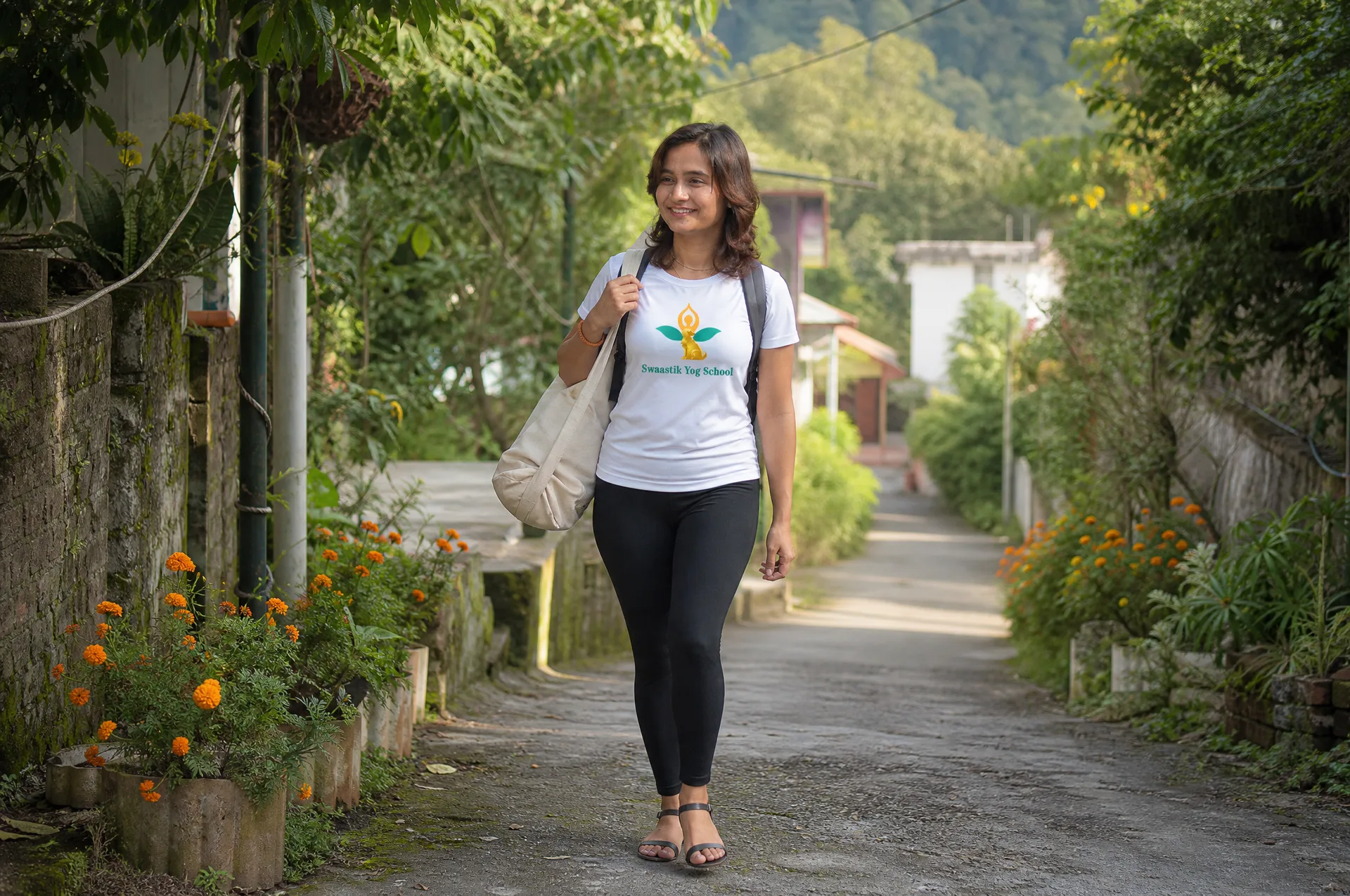
  • 4-5 pairs of yoga leggings or comfortable pants: Moisture-wicking fabric is ideal. Avoid pure cotton for practice as it gets heavy with sweat and dries slowly in humid weather.
  • 5-6 fitted tops or tank tops: Choose tops that stay in place during inversions. Loose shirts ride up during Downward Dog and Shoulderstand, which is distracting.
  • 2-3 sports bras: Supportive and comfortable for extended practice sessions.
  • A light shawl or wrap: Essential for meditation sessions, pranayama, and philosophy classes where you are sitting still and may feel cold, especially during early morning sessions near the Ganges.
  • Modest clothing for outside the school: Rishikesh is a spiritual town. When visiting temples, walking along Ram Jhula, or exploring markets, wear clothing that covers shoulders and knees. Loose salwar kameez or long skirts work beautifully and can be purchased cheaply in local markets.

For Men

  • 4-5 pairs of comfortable shorts or track pants: Shorts should be mid-thigh length or longer, as very short shorts can be distracting during partner work and adjustments.
  • 5-6 t-shirts or tank tops: Breathable, quick-dry fabrics are best.
  • A light long-sleeve layer: For early morning meditation and cooler evenings.
  • Modest casual clothing: Long pants and shirts with sleeves for temple visits and walking around town.

Footwear

  • Comfortable sandals or flip-flops: You will remove shoes frequently. Easy slip-on footwear is practical for moving between yoga hall, dining area, and accommodation.
  • One pair of walking shoes: For weekend excursions, waterfall hikes to Neer Garh, and walks to Laxman Jhula or Tapovan.
  • Rubber-soled sandals for monsoon season: If training between July and September, waterproof footwear with grip is essential as paths become slippery.

Yoga Practice Essentials for Your Packing List

Most yoga schools in Rishikesh, including Swaastik Yog School, provide yoga mats. However, there are practice items you should bring from home.

Bring These

  • A thin travel yoga mat or mat topper: If you are particular about hygiene, a personal mat topper placed over the school mat gives you a familiar practice surface. Manduka eKO SuperLite and Liforme Travel Mat are popular choices.
  • A small yoga towel: Useful for wiping sweat and placing over mats during hot sessions.
  • A journal and pens: You will learn an enormous amount of anatomy, philosophy, and teaching methodology. A dedicated notebook is invaluable for taking notes during lectures and reflecting on your experience.
  • A reusable water bottle: Staying hydrated is critical. A 1-liter insulated bottle keeps water cool throughout long practice days. Bring a bottle with a filter if you prefer extra water purification.

Optional but Helpful

  • Meditation cushion (zafu): If you have a favorite cushion, bring it. Otherwise, blankets and bolsters are provided.
  • Yoga strap: Useful for tight hamstrings and shoulder work. These can also be purchased inexpensively in Rishikesh.
  • Resistance bands: Lightweight and useful for supplementary strength work.

Personal Care and Toiletries

Pack light here because most personal care items are available in Rishikesh at very affordable prices. Focus on items that are specific to your needs.

  • Sunscreen (SPF 50+): The Himalayan sun is intense, especially during rooftop sessions and outdoor excursions.
  • Insect repellent: Mosquitoes are present, particularly during monsoon months and around dusk near the river. DEET-based repellents or natural alternatives like citronella oil work well.
  • Personal hygiene products: Bring enough of any specific products you rely on (particular brands of shampoo, feminine hygiene products, contact lens solution) for your entire stay. While alternatives exist locally, finding your exact brand may be difficult.
  • Hand sanitizer: Useful for before meals and when traveling.
  • Microfiber towels (2): Quick-drying and compact. One for bathing, one for yoga practice.
  • Nail clippers and grooming kit: You will be practicing barefoot daily. Keep toenails trimmed for comfort and to avoid snagging on mats.


Electronics and Technology

Keep electronics minimal. Your training is an opportunity to disconnect and go inward. That said, certain items are essential.

Must-Have Electronics

  • Smartphone: For communication, ride-hailing apps (Ola, Uber), maps, and occasional photos. Download offline maps of Rishikesh before arriving.
  • Universal power adapter: India uses Type C, D, and M plugs (230V, 50Hz). Bring a universal adapter with USB ports.
  • Portable power bank: Power cuts happen occasionally in Rishikesh. A 10,000-20,000 mAh power bank keeps your phone charged.
  • Earphones or earbuds: For guided meditations, online anatomy study, or simply unwinding with music in your room.

Consider Bringing

  • Laptop or tablet: Useful for anatomy study, journaling, and staying connected. Not essential but helpful for longer training programs.
  • Kindle or e-reader: Load it with recommended reading: the Yoga Sutras of Patanjali, Bhagavad Gita, Hatha Yoga Pradipika, and Light on Yoga by B.K.S. Iyengar.
  • Small camera: Rishikesh is extraordinarily photogenic. The Ganges at sunrise, the temples, the monkeys on rooftops — you will want to capture these moments.

Important Documents: Your Yoga Teacher Training Packing List Essentials

This section of your yoga teacher training packing list is non-negotiable. Missing a document can derail your entire trip.

  • Valid passport: Must be valid for at least 6 months beyond your intended stay in India. Carry two photocopies and store a digital scan in your email and cloud storage.
  • Indian visa: Most nationalities require an e-Visa or tourist visa. Apply well in advance (at least 4-6 weeks). The e-Visa can be obtained online at indianvisaonline.gov.in. Print the approval letter.
  • Training confirmation letter: Your enrollment confirmation from the yoga school. Some immigration officers may ask about the purpose of your visit.
  • Travel insurance documents: Comprehensive travel insurance covering medical emergencies, evacuation, and trip cancellation is strongly recommended. Print the policy summary and emergency contact numbers.
  • Passport-size photos (4-6): Needed for Yoga Alliance registration, local SIM card purchase, and other administrative purposes.
  • International driving license: Only if you plan to rent a scooter or car (not recommended for first-time visitors to India).
  • Vaccination records: While no vaccinations are mandatory for entry to India, consult your doctor about Hepatitis A, Typhoid, and Tetanus boosters.

Medicines and First Aid

India has excellent pharmacies, and most medications are available over the counter at a fraction of Western prices. However, bring a personal medical kit for immediate needs.

  • Prescription medications: Bring your full supply plus a doctor's note. Do not rely on finding your specific medication in India.
  • Anti-diarrheal medication: Stomach adjustment is extremely common for international visitors. Bring Imodium or equivalent.
  • Electrolyte sachets (ORS): Essential for rehydration if you experience stomach issues.
  • Activated charcoal tablets: Useful for mild food-related stomach discomfort.
  • Pain relievers: Ibuprofen or paracetamol for muscle soreness and headaches.
  • Antihistamines: For allergic reactions or insect bites.
  • Band-aids and antiseptic cream: For minor cuts and blisters.
  • Probiotics: Start taking these two weeks before arrival to prepare your gut.
  • Any personal supplements: Vitamins, magnesium for muscle recovery, or whatever you regularly take.

Rishikesh-Specific Packing Tips

Rishikesh has a unique climate and culture that demands specific preparation. These tips come directly from years of hosting international students.

Weather Preparation by Season

  • October to February (Cool/Cold season): Mornings can drop to 5-10 degrees Celsius. Bring a warm fleece jacket, thermal base layer for early practice, warm socks, and a beanie or headband. Layering is key.
  • March to June (Hot season): Temperatures reach 35-40 degrees Celsius. Pack light, breathable clothing, a wide-brimmed hat, and extra sunscreen. Cotton becomes preferable for non-practice hours.
  • July to September (Monsoon): Heavy rainfall is daily. Pack a compact rain jacket, waterproof sandals, quick-dry clothing, and plastic bags for protecting electronics and documents from moisture.

Cultural Considerations

Rishikesh is a sacred city. Alcohol and non-vegetarian food are not available (and not permitted) in the main town area. The dress code is conservative by Western standards. Covering shoulders and knees when outside the yoga school shows respect for local customs and will earn you warmth from the community. This is especially important when visiting Triveni Ghat for the evening Ganga Aarti ceremony.

What NOT to Bring

Packing too much is the most common mistake. Your room will have limited storage, and you will likely want to buy things locally. Leave these at home.

  • A full-size yoga mat: Bulky and unnecessary. School mats are provided, and travel mats are available locally.
  • Excessive clothing: Laundry services are cheap and fast in Rishikesh (same-day or next-day return). Pack for one week and rotate.
  • Heavy books: Use an e-reader. Physical books add significant weight.
  • Expensive jewelry: Leave valuables at home. Rishikesh is safe, but simplicity is part of the experience.
  • Hair dryers or straighteners: Most accommodations do not have compatible outlets, and the voltage difference can damage electronics. Embrace the natural look.
  • Expectations of luxury: This is not a resort vacation. Training is intensive, accommodations are clean but simple, and the experience is about inner transformation, not external comfort.

Money and Budget Essentials

  • Cash in Indian Rupees: Many shops and vendors in Rishikesh are cash-only. ATMs are available near Laxman Jhula and Ram Jhula but can occasionally run out of cash.
  • An international debit or credit card: Visa and Mastercard are widely accepted at larger stores. Notify your bank of travel to India beforehand.
  • A secure money belt or pouch: Keep your passport, extra cash, and cards secure, especially during excursions.
  • Budget approximately INR 500-1,000 per day for personal expenses (extra meals, chai, shopping, excursions) beyond your training fees.

Final Packing Checklist

Use this quick reference as your final yoga teacher training packing list check before zipping your bag:

  • Passport (valid 6+ months) and visa printout
  • Travel insurance documents
  • Training confirmation letter
  • Passport photos (4-6)
  • 4-5 sets of yoga practice clothing
  • Modest casual clothing for town
  • Light jacket or fleece (season-dependent)
  • Rain jacket (monsoon season)
  • Sandals, walking shoes, and rubber-soled footwear
  • Travel yoga mat or topper
  • Journal and pens
  • Reusable water bottle
  • Sunscreen, insect repellent, personal hygiene products
  • Universal power adapter and power bank
  • Phone with offline maps downloaded
  • Medical kit with prescriptions and first-aid basics
  • Cash in Indian Rupees and international card
  • An open mind and a willingness to transform

Ready to Begin Your Training?

Now that your bags are packed, the only thing left is to arrive. At Swaastik Yog School in Rishikesh, we provide everything you need for a transformative 200-Hour Yoga Teacher Training experience: accommodation, three sattvic meals daily, all course materials, and a community of fellow seekers from around the world. If you have any questions about what to bring or what to expect, our team is always happy to help.

Contact us today with any packing questions or to reserve your spot in our next training. We look forward to welcoming you to Rishikesh.

Ready to Start Your Yoga Journey?

Join our Yoga Alliance certified teacher training programs in Rishikesh and learn from experienced instructors in the birthplace of yoga.

Related Articles

200-Hour Yoga Teacher Training in Goa

200-Hour Yoga Teacher Training in Goa

Everything you need to know about 200-hour yoga teacher training in Goa, including costs, best schools, and what to expect during your training.

Read More
Best 100-Hour Yoga Teacher Training in Rishikesh

Best 100-Hour Yoga Teacher Training in Rishikesh

Complete guide to choosing the best 100-hour yoga teacher training in Rishikesh. Compare schools, costs, and certification options.

Read More
Best Yoga School in Rishikesh for Authentic Training & Certification

Best Yoga School in Rishikesh for Authentic Training & Certification

How to choose the best yoga school in Rishikesh for authentic training. Key factors, certifications, and questions to ask before enrolling.

Read More