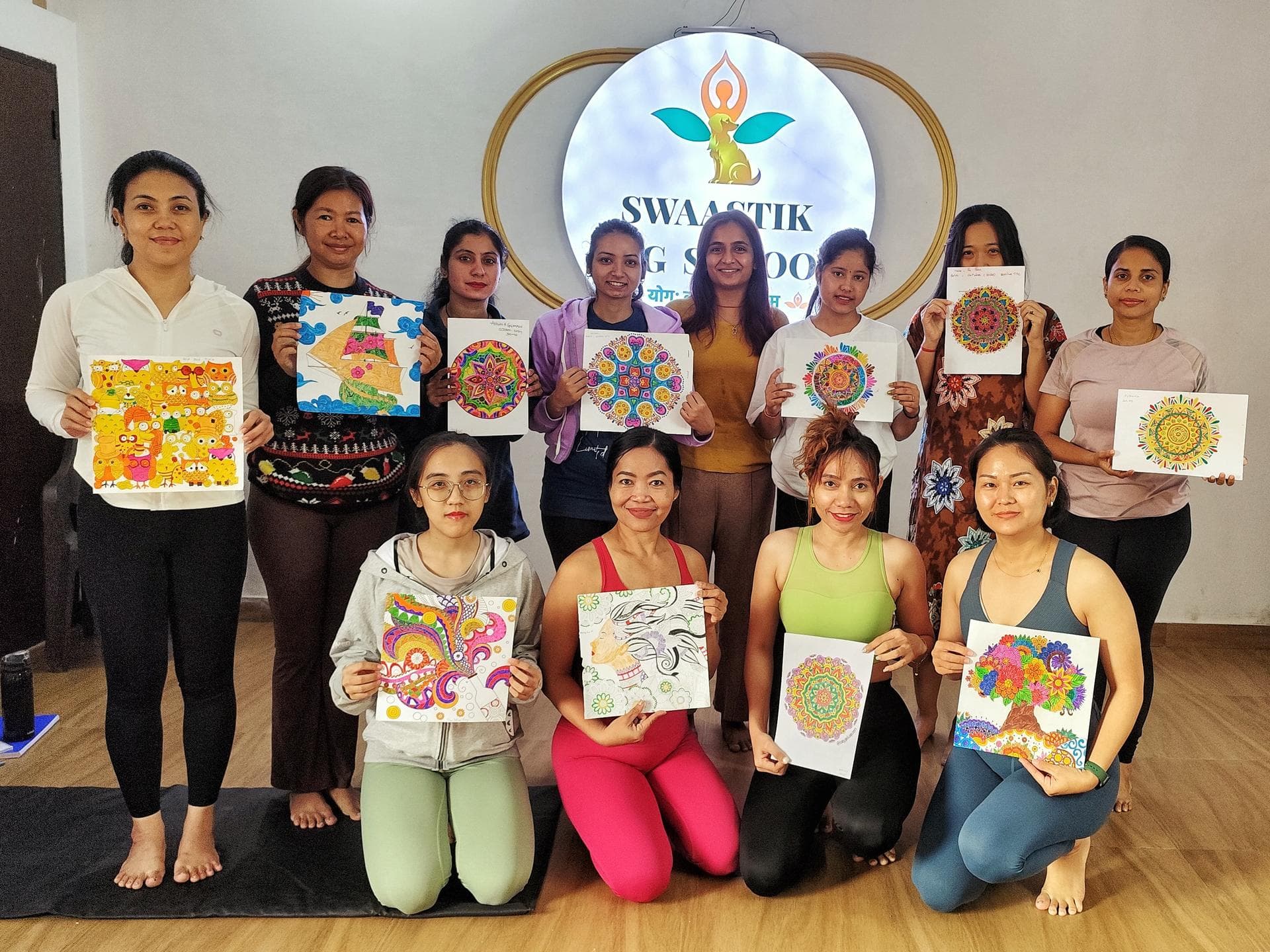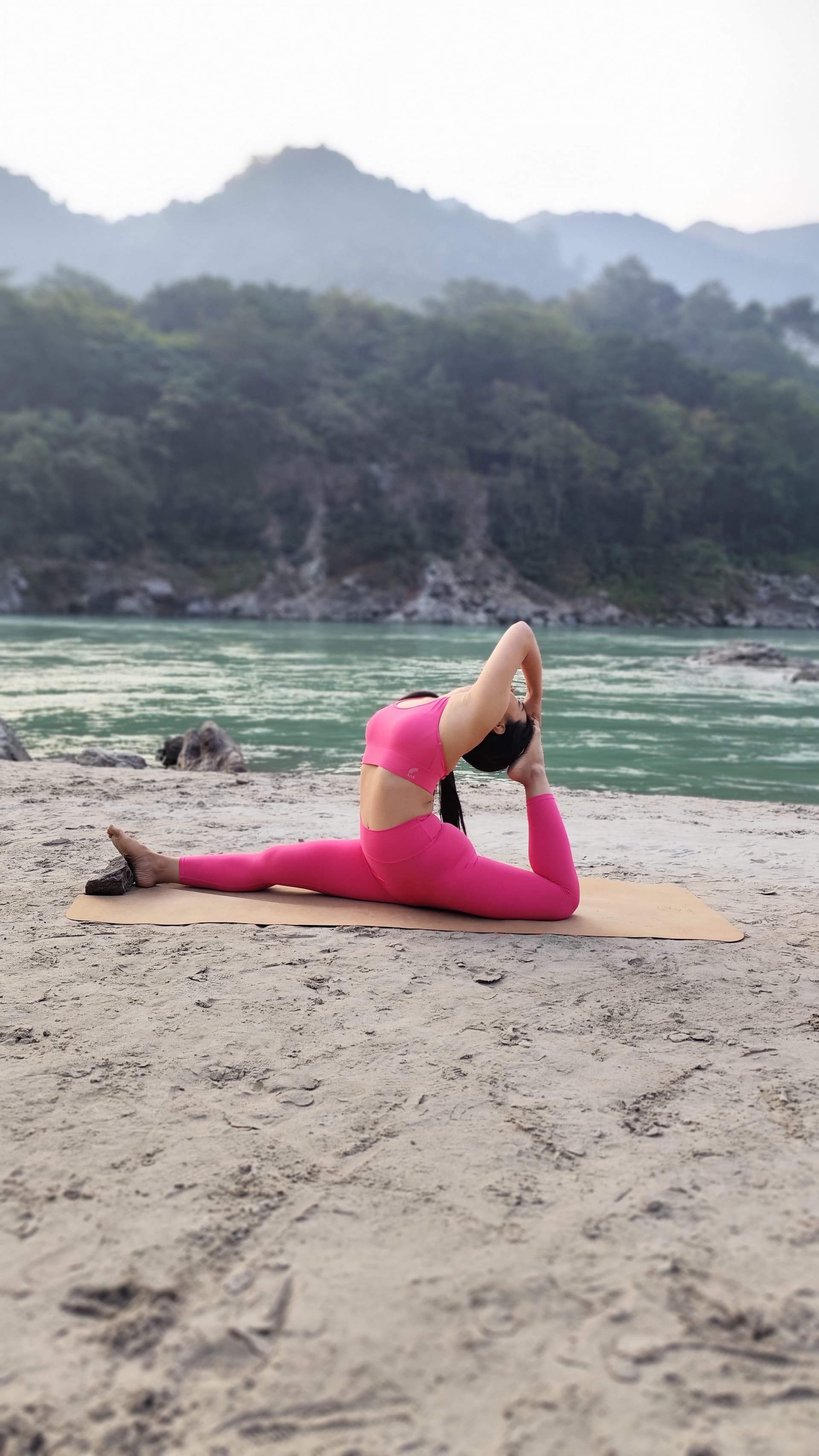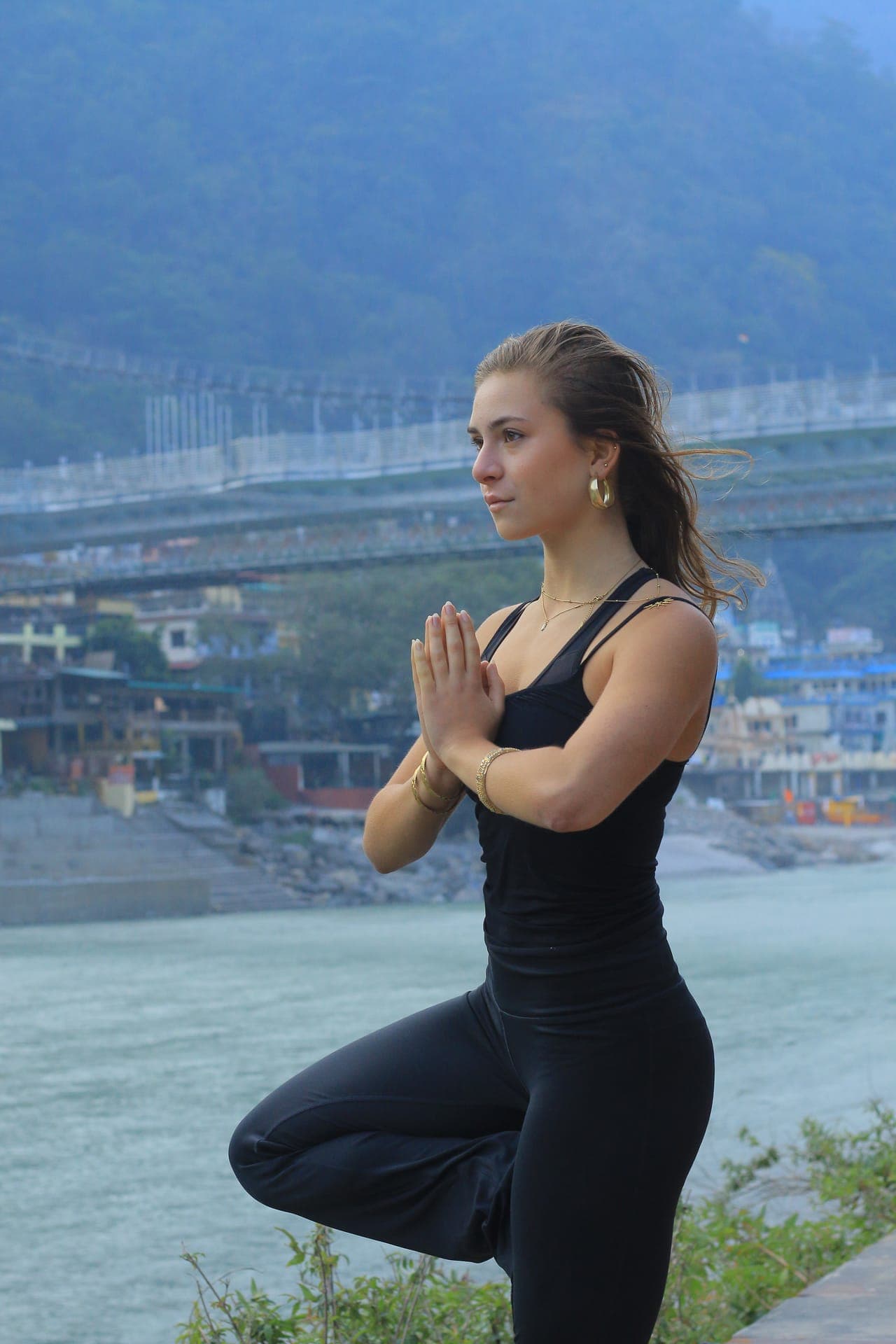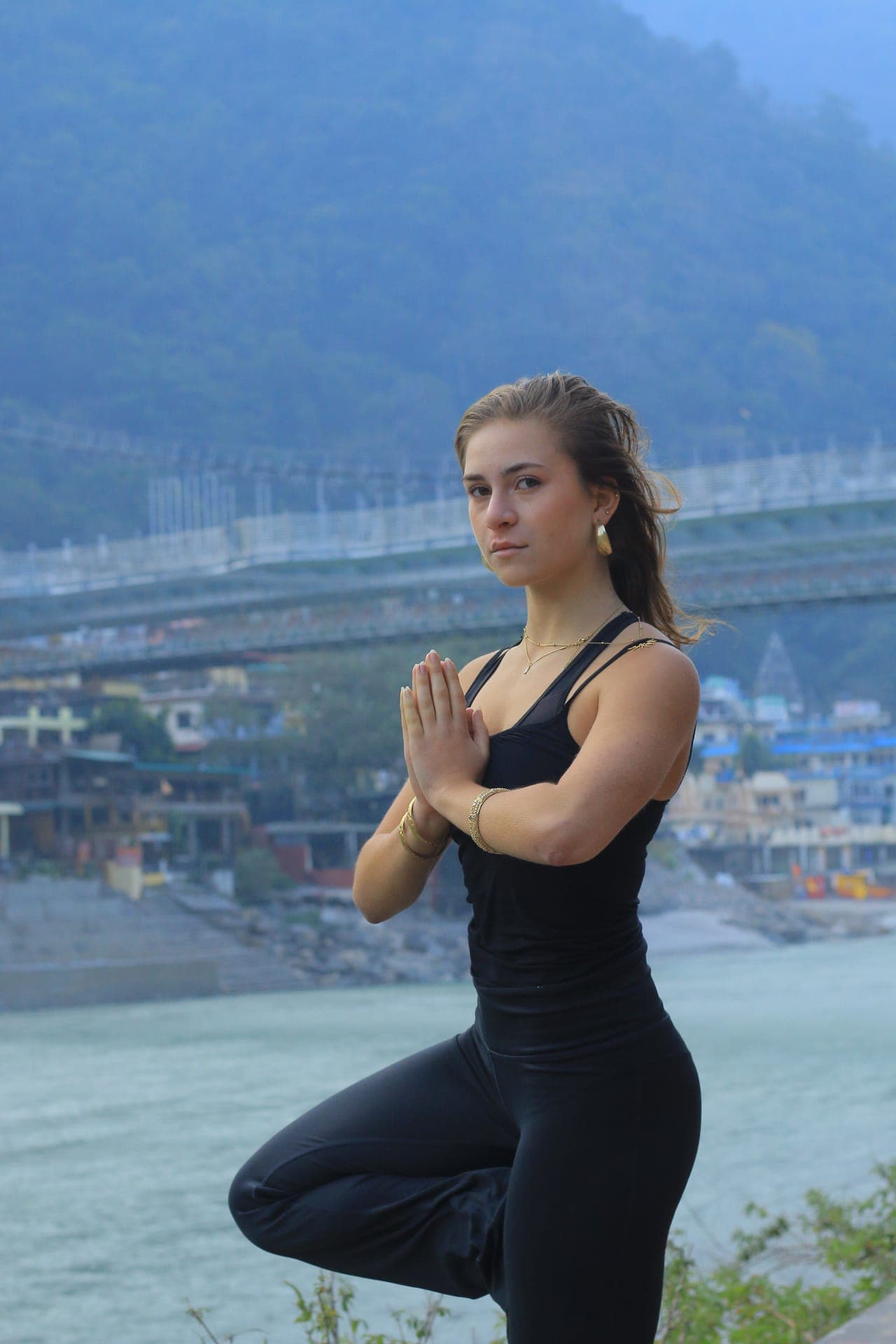
In a world that moves faster every year, chronic stress has become a public health crisis. The World Health Organization calls it the "health epidemic of the 21st century," linking it to heart disease, depression, immune dysfunction, and digestive disorders. Yet there is a practice that has been scientifically proven to reduce cortisol, calm the nervous system, and restore balance to both body and mind: yoga for stress relief. At Swaastik Yog School in Rishikesh, we see the transformation daily as students arrive wound tight with tension and leave with a calm they had forgotten was possible.
This guide offers practical yoga for stress relief techniques you can begin using today, including specific poses, breathing exercises, and meditation practices, along with the science that explains why they work.
The Science Behind Yoga for Stress Relief
Understanding how yoga combats stress at a physiological level helps explain why it is so much more effective than simply "relaxing."
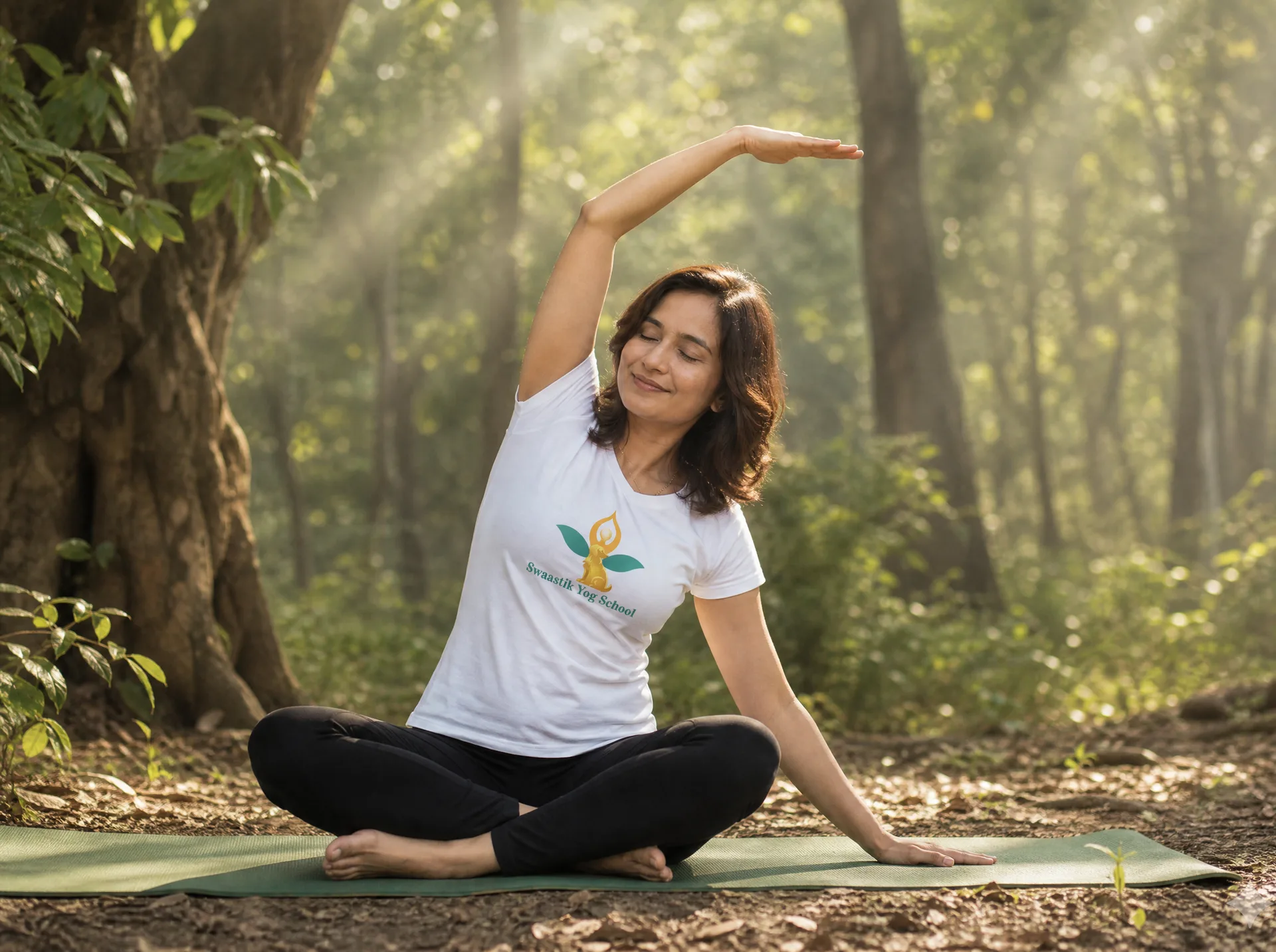
Yoga and the Nervous System
Stress activates the sympathetic nervous system, your fight-or-flight response. This triggers a cascade of hormonal changes: cortisol and adrenaline flood the body, heart rate increases, digestion slows, and muscles tense. This response was designed for short-term survival situations, but modern life keeps many people locked in this state chronically.
Yoga activates the parasympathetic nervous system, the rest-and-digest response, through specific mechanisms:
- Slow, controlled breathing stimulates the vagus nerve, directly triggering relaxation
- Forward folds and inversions lower blood pressure and heart rate
- Sustained holds in restorative poses teach the nervous system that it is safe to release tension
- Mindful attention interrupts the rumination cycle that perpetuates anxiety
Yoga and Cortisol
A landmark study published in Psychoneuroendocrinology found that regular yoga practitioners had significantly lower baseline cortisol levels compared to non-practitioners. Another study from Boston University showed that yoga increased levels of GABA (gamma-aminobutyric acid), a neurotransmitter that promotes calm and whose deficiency is associated with anxiety and depression.
Research from the University of California demonstrated that just 12 minutes of daily yoga meditation for eight weeks led to measurable changes in 68 genes related to immune function and stress response. The body literally rewrites its stress programming through consistent yoga practice.
Top 10 Yoga Poses for Stress Relief
These poses are specifically chosen for their calming effect on the nervous system. Practice them in sequence for a complete stress-relief session, or choose individual poses throughout your day when tension builds.
1. Child's Pose (Balasana)
The quintessential resting pose. By folding inward, you create a sense of safety and containment that signals your nervous system to relax. The gentle pressure on the forehead stimulates the vagus nerve.
How to practice: Kneel on the floor, bring your big toes together, and separate your knees hip-width apart. Fold forward, extending your arms in front of you or alongside your body. Rest your forehead on the mat. Breathe deeply for 1-3 minutes.
2. Legs Up the Wall (Viparita Karani)
This gentle inversion reverses the effects of gravity on the circulatory system, lowers blood pressure, and creates an immediate sense of calm. It is one of the most accessible and effective yoga poses for stress relief.
How to practice: Sit sideways against a wall. Swing your legs up as you lie back. Adjust your distance from the wall so your legs are comfortable. Rest your arms by your sides, palms up. Stay for 5-15 minutes.
3. Standing Forward Fold (Uttanasana)
Forward folds are inherently calming. They compress the abdomen, stimulate the vagus nerve, and create a sense of turning inward. The head-below-heart position promotes blood flow to the brain.
How to practice: Stand with feet hip-width apart. Hinge at the hips and fold forward, letting your head hang heavy. Bend your knees generously if your hamstrings are tight. Hold opposite elbows and gently sway. Hold for 1-2 minutes.
4. Cat-Cow Flow (Marjaryasana-Bitilasana)
This rhythmic, breath-synchronized movement massages the spine, releases tension from the neck and back, and helps synchronize breath with movement, which is deeply calming.
How to practice: Begin on hands and knees. Inhale, drop your belly, lift your tailbone and chest (Cow). Exhale, round your spine, tuck your chin and tailbone (Cat). Flow between these positions for 2-3 minutes, letting breath lead the movement.
5. Bridge Pose (Setu Bandhasana)
Bridge pose opens the chest and heart space, counteracting the hunched, protective posture that stress creates. It also strengthens the back body, which provides a sense of groundedness and support.
How to practice: Lie on your back with knees bent, feet flat on the floor, hip-width apart. Press into your feet and lift your hips. Clasp your hands beneath you and roll your shoulders under. Hold for 30-60 seconds, breathing deeply.
6. Reclined Bound Angle Pose (Supta Baddha Konasana)
This deeply restorative pose opens the hips, chest, and groin, areas where stress tension commonly accumulates. Supported with bolsters or pillows, it can be held for extended periods for maximum relaxation.
How to practice: Lie on your back. Bring the soles of your feet together and let your knees fall open to the sides. Place pillows or blocks under your knees for support. Rest your arms out to the sides. Stay for 3-10 minutes.
7. Seated Forward Bend (Paschimottanasana)
This calming forward fold stretches the entire back body and massages the abdominal organs. The inward-folding nature of the pose encourages introspection and mental quieting.
How to practice: Sit with legs extended straight ahead. Inhale to lengthen your spine. Exhale and fold forward from the hips, reaching for your feet or shins. Do not force the stretch; let gravity do the work over 2-3 minutes.
8. Corpse Pose (Savasana)
Often called the hardest pose in yoga because it requires complete surrender, Savasana teaches the body and mind to release all effort. It is where the benefits of your practice integrate into your system.
How to practice: Lie flat on your back. Separate your feet wider than your hips. Let your arms rest at your sides, palms facing up. Close your eyes and systematically relax every part of your body. Stay for 5-15 minutes minimum.
9. Supine Spinal Twist (Supta Matsyendrasana)
Twists release tension from the spine and massage the internal organs. The supine version is gentle enough for any level and particularly effective at releasing accumulated stress from the lower back and hips.
How to practice: Lie on your back. Hug your right knee into your chest, then guide it across your body to the left. Extend your right arm out to the side. Turn your head to the right. Hold for 1-2 minutes per side.
10. Extended Puppy Pose (Uttana Shishosana)
A cross between Child's Pose and Downward Dog, this heart-opening pose stretches the spine and shoulders while maintaining a grounding connection with the earth through the knees.
How to practice: Start on all fours. Walk your hands forward while keeping your hips over your knees. Lower your chest toward the floor and rest your forehead on the mat. Stretch your arms forward and hold for 1-2 minutes.