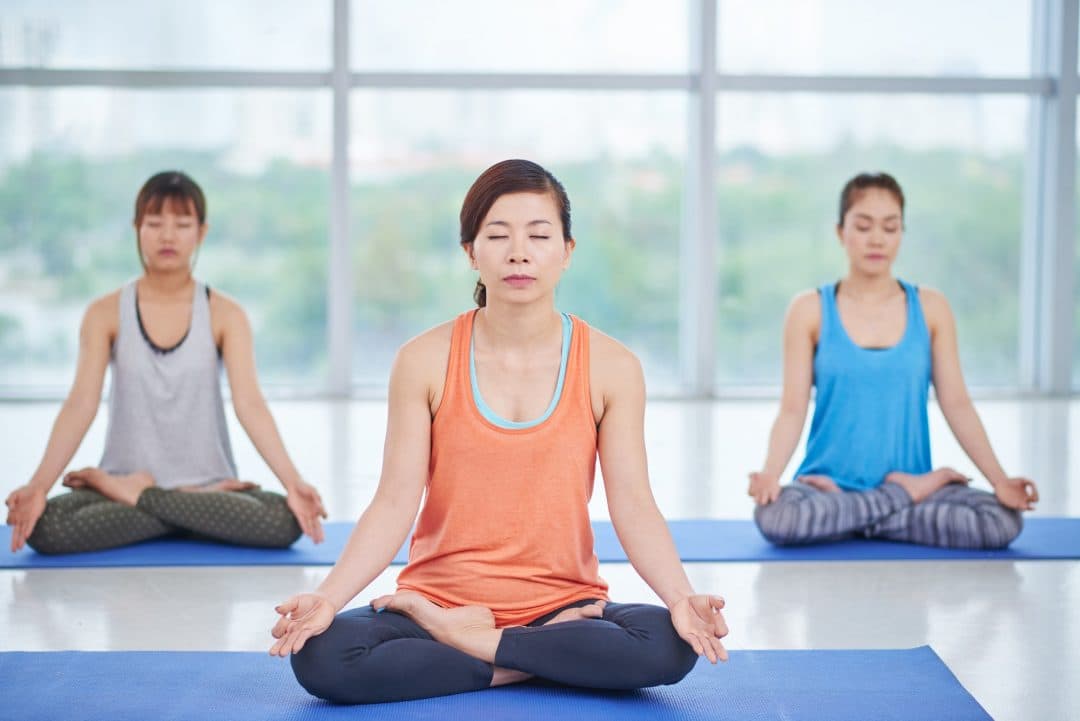
インド・リシケシでの200時間ヨガ指導者養成
包括的な合宿トレーニングでヨガアライアンス認定講師になりましょう。「世界ヨガの首都」で伝統的なハタ&アシュタンガをマスター。
Our 200 Hour Yoga Teacher Training in Rishikesh, India is a Yoga Alliance certified RYT-200 program that qualifies you to teach yoga professionally worldwide. Over 24 immersive days in the yoga capital of the world, you will master Hatha, Vinyasa, and Ashtanga yoga styles alongside pranayama, meditation, anatomy, and teaching methodology — making this the ideal choice for dedicated practitioners and career changers ready to become confident, registered yoga teachers.
What is the 200 Hour Yoga Teacher Training in India?
The 200 Hour Yoga Teacher Training (YTT) at Swaastik Yog School is a 24-day, Yoga Alliance–certified residential course held in Rishikesh, India — the world capital of yoga. On completion you earn the internationally recognised RYT-200 credential, which qualifies you to teach yoga professionally across the USA, UK, Europe, Australia and 70+ other countries. The all-inclusive fee starts at $440 USD and covers accommodation, three daily sattvic meals, course materials, and certification. Trainings run twice monthly with small batches of 15–20 students.
- Duration
- 24 days / 23 nights
- Certification
- RYT-200 (Yoga Alliance)
- Styles taught
- Hatha, Vinyasa & Ashtanga
- Location
- Tapovan, Rishikesh, India
- Fees (all-inclusive)
- From $440 USD
- Next batch
- 5–27 9月 2026年9月
- Batch start dates
- 5th & 15th monthly
What Makes the Best 200-Hour Yoga Teacher Training in Rishikesh?
Choosing where to earn your RYT-200 is a serious decision. Here is what sets our 200 Hour Yoga Teacher Training in Rishikesh, India apart — and what to look for in any reputable school.
Yoga Alliance Registered School (RYS 200)
The single most important credential is accreditation. Swaastik Yog School is a Yoga Alliance Registered School (RYS 200), which means our curriculum, contact hours, and teaching standards meet an internationally recognised benchmark. On graduating you can register directly as an RYT-200 and teach in 70+ countries worldwide.
Experienced, Certified Lead Trainers
The best training comes from genuinely qualified teachers. Our programme is led by Mayuri Shewale, an experienced E-RYT 500 (Experienced Registered Yoga Teacher) who has guided hundreds of students through their teacher training journey, supported by a faculty specialising in philosophy, anatomy, and meditation.
Small Batch Sizes & Personal Attention
A 200-hour course only works if your teachers can actually see you practise. We deliberately keep our batches small, so every trainee receives hands-on alignment feedback and ample supervised teaching practice rather than getting lost in a crowded hall.
A Trusted International Community
We have welcomed students from over 60 countries to study yoga in its birthplace. Training alongside a genuinely international cohort — in Tapovan, Rishikesh, the yoga capital of the world — is part of what makes the experience authentic and the connections lasting.
In short: the best 200-hour yoga teacher training in Rishikesh combines Yoga Alliance accreditation, experienced certified trainers, small supervised batches, and an authentic setting — the four standards we hold ourselves to on every course.
なぜリシケシでの200時間ヨガ指導者養成を選ぶのか?
インド・リシケシでの200時間マルチスタイル・ヨガ指導者養成で、ヨガの古代の知恵に浸りましょう。この集中コースは、練習を深め、認定ヨガ講師になりたい初心者および中級者を対象としています。静かなアシュラム環境で、経験豊富なインストラクターから伝統的なハタ、ダイナミックなヴィンヤサ、構造化されたアシュタンガヨガを学びます。
カリキュラムには、アーサナの実践、プラナヤマ、瞑想、哲学、解剖学、指導法が含まれています。コース終了時には、ヨガアライアンス認定を取得し、世界的なヨガ指導者としてのキャリアへの扉が開かれます。今すぐ登録して、変容への旅を始めましょう!
Swaastik Yog Schoolは、RYT200、RYS300、RYS500の認定を持つ、米国全米ヨガアライアンス認定校(RYS)です。私たちの経験豊富な講師陣は、何千人もの生徒にインスピレーションを与え、人生を変え、世界中で活躍する講師として確立させてきました。
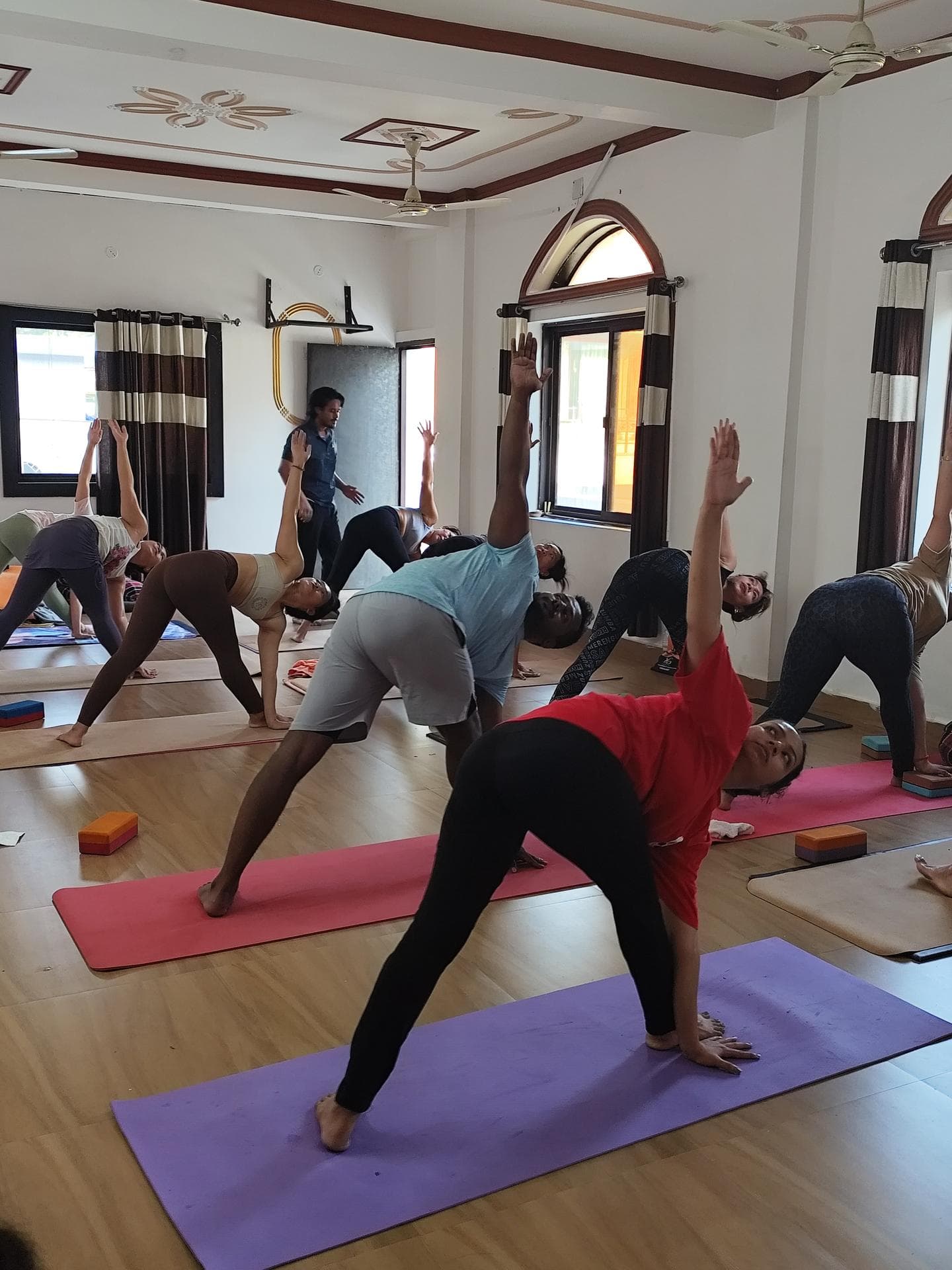
Life at Our 200-Hour TTC
Real classes and rituals from the course — tap to watch.
コースのハイライトとメリット
練習を変容させ、自信に満ちた認定ヨガ講師になる
世界的に認められたヨガアライアンス RYT-200 認定
包括的なマルチスタイル・トレーニング(ハタ&アシュタンガ)
少人数制クラス(最大15-20名)
指導歴15年以上の経験豊富なE-RYT 500認定講師
世界ヨガの首都・リシケシのタポバンに位置
宿泊とサトヴィックな食事が含まれたオールインクルーシブパッケージ
リシケシを探索する週末のエクスカーション
生涯にわたるコミュニティサポートとガイダンス
コースマニュアルと教材込み
アイスバス体験とホリスティック・ウェルネス・アクティビティ
Upcoming Dates & Fees
| Dates | Dormitory | Shared Room | Private Room | Action |
|---|---|---|---|---|
2026年9月 5–27 9月 | $440 | $880 | $1,100 | 予約する |
2026年9月 15 9月 – 7 10月 | $440 | $880 | $1,100 | 予約する |
2026年10月 5–27 10月 | $440 | $880 | $1,100 | 予約する |
2026年10月 15 10月 – 6 11月 | $440 | $880 | $1,100 | 予約する |
2026年11月 5–27 11月 | $440 | $880 | $1,100 | 予約する |
2026年11月 15 11月 – 7 12月 | $440 | $880 | $1,100 | 予約する |
2026年12月 5–27 12月 | $440 | $880 | $1,100 | 予約する |
2026年12月 15 12月 – 6 1月 | $440 | $880 | $1,100 | 予約する |
2027年1月 5–27 1月 | $440 | $880 | $1,100 | 予約する |
2027年1月 15 1月 – 6 2月 | $440 | $880 | $1,100 | 予約する |
2027年2月 5–27 2月 | $440 | $880 | $1,100 | 予約する |
2027年2月 15 2月 – 9 3月 | $440 | $880 | $1,100 | 予約する |
2027年3月 5–27 3月 | $440 | $880 | $1,100 | 予約する |
2027年3月 15 3月 – 6 4月 | $440 | $880 | $1,100 | 予約する |
2027年4月 5–27 4月 | $440 | $880 | $1,100 | 予約する |
2027年4月 15 4月 – 7 5月 | $440 | $880 | $1,100 | 予約する |
2027年5月 5–27 5月 | $440 | $880 | $1,100 | 予約する |
2027年5月 15 5月 – 6 6月 | $440 | $880 | $1,100 | 予約する |
2027年6月 5–27 6月 | $440 | $880 | $1,100 | 予約する |
2027年6月 15 6月 – 7 7月 | $440 | $880 | $1,100 | 予約する |
2027年7月 5–27 7月 | $440 | $880 | $1,100 | 予約する |
2027年7月 15 7月 – 6 8月 | $440 | $880 | $1,100 | 予約する |
2027年8月 5–27 8月 | $440 | $880 | $1,100 | 予約する |
2027年8月 15 8月 – 6 9月 | $440 | $880 | $1,100 | 予約する |
Globally Recognized Accreditation
Upon successful completion of our 200-hour Yoga Teacher Training program, you will receive the prestigious Yoga Alliance RYT-200 certification. This internationally recognized credential validates your knowledge and skills as a yoga instructor, allowing you to teach yoga anywhere in the world.
Swaastik Yog School is a USA-recognized Registered Yoga School (RYS) certified for RYT200, RYS300, and RYS500. We are also a Registered Children Yoga School (RCYS) and a Yoga Alliance Continuing Education Provider (YACEP).
包括的なカリキュラム
効果的な指導のための構造化された学習 - 理論と実践のバランスの取れた組み合わせ
シャットカルマ(浄化法)
- •ネティ:ジャラネティ、ラバーネティ
- •ヴァマン・ダウティ
- •ナウリ
- •カパラバティ
- •トラタカ(ろうそくの炎への集中)
プラナヤマ(呼吸法)
- •座法の科学
- •腹式呼吸
- •胸式呼吸
- •ヨガ呼吸
- •ナディ・ショーダナ、アヌロム・ヴィロム、ウジャイ、バストリカ、シータリー、シートカリー、ブラマリ・プラナヤマ
ヨガポーズ(アーサナ)
- •適切な呼吸を伴うハタヨガ太陽礼拝(スーリヤ・ナマスカール)
- •アライメントと保持を伴う25のハタヨガポーズ
- •アシュタンガ・ヴィンヤサ太陽礼拝AとB
- •アシュタンガ・プライマリーシリーズ(立位)
- •全ポーズのアライメントとアジャストメント
- •カウンターポーズ、シャヴァーサナと注意点
瞑想
- •日常生活における瞑想の重要性
- •座禅の姿勢
- •2〜5分の瞑想実践
- •マントラ瞑想
- •トラタカ瞑想
ヨガ解剖生理学
- •人体の各システム(呼吸器、消化器)の紹介
- •ヨガの呼吸器系・消化器系への効果
- •ヨガのポーズによる内臓の活性化
- •チャクラと体内での位置
- •パンチャ・タットヴァ(五大元素)
- •筋肉や身体システムへのエネルギーチャネリングの効果
ヨガ哲学
- •ヨガの歴史と古代ヨガスクール
- •パタンジャリ・ヨガ・スートラ
- •アシュタンガヨガの八支則(ヤマ、ニヤマ、アーサナ、プラナヤマ、プラティヤハラ、ダーラナ、ディヤーナ、サマディ)
- •ヨガの倫理とヨガ的ライフスタイル
アーユルヴェーダ
- •アーユルヴェーダ科学の意味
- •人体のドーシャ(カパ、ヴァータ、ピッタ)
- •各ドーシャによる性格分析
- •ドーシャのバランスを整えるアーユルヴェーダの食事プラン
ムドラとマントラ・チャンティング
- •手のムドラ:ニャーナ・ムドラ、チン・ムドラ、ヨニ・ムドラ、バイラヴァ・ムドラ、フリダヤ・ムドラ
- •ハタヨガ太陽礼拝マントラ(各ポーズの太陽の名前)
- •オーム・チャンティング、ガヤトリー・マントラ、グル・マントラ
- •アシュタンガヨガ・マントラ、モーニング・マントラ
A Deep Dive Into Each Subject Area
A Yoga Alliance 200-hour curriculum spans eight core subject areas. Here is what you can expect to explore in each one during your training at Swaastik Yog School.
Asana Practice & Alignment
You will study classical Hatha postures, dynamic Vinyasa sequences, and the structured Ashtanga Primary Series side by side. Each asana is examined from three angles: correct skeletal alignment, safe muscular engagement, and the energetic intention behind the pose. You will learn to enter and exit postures safely, use props to support different bodies, and progressively build strength, flexibility, and balance throughout the training. By the final week, you will be able to teach a full class independently and give clear, anatomically informed adjustments.
Pranayama — The Science of Breath
Pranayama is far more than breathing exercises. You will study the pranic body (pranamaya kosha), the five vayus (energy currents), and how breath links the physical and subtle dimensions of practice. Techniques covered include Nadi Shodhana (alternate-nostril breathing), Kapalabhati, Bhastrika, Ujjayi, Sitali, Sitkari, Bhramari, and Kumbhaka (breath retention). You will learn how each technique affects the nervous system and when — and when not — to introduce them in a class setting, including contraindications for students with specific health conditions.
Yoga Philosophy & the Yoga Sutras of Patanjali
Philosophy sessions explore the foundational texts that underpin all yoga traditions. You will study the Eight Limbs of Yoga (Ashtanga) as codified by Patanjali, examining how each limb — from the ethical guidelines of yama and niyama through to the meditative states of dharana, dhyana, and samadhi — applies to daily life and teaching practice. Classes also introduce the Bhagavad Gita, the Samkhya model of consciousness, and key concepts such as prakriti, purusha, the five kleshas (afflictions), and the nature of the mind (chitta). Understanding these frameworks allows you to speak about yoga authentically rather than reduce it to physical exercise.
Anatomy & Physiology for Yoga Teachers
You do not need a medical background to succeed in this module, but you will finish it with a working knowledge of the musculoskeletal system that makes you a safer, more confident teacher. Topics include the structure of major joints (hips, shoulders, spine, knees), how muscles lengthen and contract during asana, the role of fascia and connective tissue, common yoga-related injuries and how to prevent them, and an introduction to the nervous system's role in stress, relaxation, and the parasympathetic response to yoga practice. Functional anatomy — understanding what is actually happening in a body during a pose — replaces memorisation of abstract diagrams.
Teaching Methodology & Practicum
Knowing how to practise yoga and knowing how to teach it are two different skills. Teaching methodology sessions focus on sequencing principles (how to build a class from warm-up to peak pose to cool-down), the art of cueing (verbal, visual, and tactile), voice and tone, class management, working with mixed-ability groups, and how to adapt postures for students with injuries or limited mobility. You will lead teaching practice sessions from the first week, receiving structured feedback from teachers and peers. By graduation you will have logged sufficient practice hours to approach your first paid class with genuine confidence.
Meditation & Yoga Nidra
Morning and evening meditation sessions are integral to the daily rhythm of training, not an optional add-on. You will be introduced to several classical techniques: trataka (candle-gazing), mantra meditation, body-scan awareness, breath-anchored mindfulness, and the deeply restorative practice of Yoga Nidra. You will learn the neuroscience behind why these methods reduce cortisol, improve sleep, and build focused attention — useful background knowledge when students ask why they should meditate. You will also practise guiding short meditations yourself, which transfers directly into your ability to hold space for a class.
Mudras, Bandhas & Shatkarma
Mudras (energetic hand gestures) and bandhas (internal muscular locks) are subtle but powerful tools that regulate prana flow and deepen both asana and pranayama practice. You will study the principal mudras used in seated meditation and during postures, understand how Mula Bandha, Uddiyana Bandha, and Jalandhara Bandha work physiologically and energetically, and learn when it is appropriate to introduce them in a class. Shatkarma — the six classical cleansing practices of Hatha Yoga — is studied both theoretically and, where relevant, experientially, giving you a rounded picture of the traditional Hatha system beyond postures and breathwork.
Ayurveda & Yogic Lifestyle
Ayurveda — India's traditional system of health — is yoga's sister science and the lens through which diet, sleep, seasonal routine, and daily habits are understood. You will learn the three doshas (Vata, Pitta, Kapha), how to identify your own constitution, and how sattvic (pure, balanced) nutrition supports a sustained yoga practice. This is not prescriptive meal planning; it is a framework for understanding how lifestyle choices affect energy, mood, and the capacity to learn and teach. Many graduates find that Ayurvedic principles change how they structure their personal practice long after the training ends.
Who This Course Is For
This training welcomes students at a wide range of life stages and experience levels. Here are the profiles we most often see — and who thrives here.
Dedicated Practitioners Ready to Teach
If you have been practising yoga regularly for at least a year and feel a pull toward sharing the practice, this training gives you the technical knowledge, teaching hours, and confidence to step in front of a class. Prior teaching experience is not required — only genuine commitment.
Career Changers & Those Seeking Purpose
Many students arrive at a crossroads — tired of a career that feels misaligned and drawn toward a vocation centred on wellbeing. The 24-day residential format provides the immersion needed to make a genuine pivot, and the Yoga Alliance credential opens doors to studios, retreats, and wellness resorts worldwide.
Experienced Practitioners Who Want Depth
Years of practice can leave unanswered questions about anatomy, philosophy, or pranayama theory. This training fills those gaps systematically. Many graduates say they leave understanding their own practice far better than they understood it when they arrived, even if they already held informal teaching roles.
Wellness Professionals Expanding Their Scope
Physiotherapists, personal trainers, massage therapists, nurses, and mental health practitioners frequently join to integrate yoga's tools into their existing work. The anatomy and philosophy content is particularly valued by those who already have a clinical or movement background.
Seekers of Personal Transformation
Not everyone who joins intends to teach professionally. Some students come seeking a structured period of self-inquiry, away from the noise of daily life. The residential setting, daily meditation, and philosophical study create conditions for genuine inner change that a drop-in class simply cannot replicate.
International Students Drawn to Rishikesh
Rishikesh is where many of the most respected yoga lineages were formalised and where the Ganga flows out of the Himalayas. Studying here — rather than in a city studio — means learning yoga in the cultural and geographical context it emerged from, which adds a dimension of authenticity no curriculum document can capture.
Prerequisites: You should be practising yoga regularly and be comfortable with a range of basic postures. You do not need to be advanced — openness to learning and physical and mental commitment to 24 days of full immersion are the real requirements.
What to Expect from Residential Training
A residential yoga teacher training is unlike any other educational experience. Here is an honest picture of what daily life looks like and why the live-in format accelerates learning.
Full Immersion Accelerates Progress
When you live, eat, practise, and study alongside your fellow trainees, learning happens continuously — not just during formal class hours. Conversations at brunch about a philosophy class, adjustments you give a peer during evening practice, and late-evening discussions about the sutras all contribute to your development as a teacher. The 200 hours stipulated by Yoga Alliance are a minimum; the lived hours of a residential training carry you well beyond that benchmark.
A Structured but Sustainable Daily Rhythm
Days begin early — sunrise in the foothills of the Himalayas is something most students describe as transformative in itself. Morning practice is followed by brunch, academic sessions, a short rest period, afternoon asana or practicum, and evening meditation or philosophy. This rhythm mirrors the sattvic lifestyle that yoga philosophy recommends: rising with the sun, practising consistently, studying with attention, and resting fully. Many graduates report that the daily schedule becomes one of the most valuable things they take home with them.
Sattvic Meals & Physical Nourishment
Included meals are prepared according to Ayurvedic and yogic dietary principles: fresh, vegetarian, and designed to support sustained energy and a calm mind rather than stimulate or agitate. Eating communally is itself part of the training — it slows mealtimes down and makes you more aware of food as fuel for practice rather than entertainment.
Community & Lifelong Connections
Training alongside people from different countries who share the same intention creates bonds that consistently outlast the course itself. The international cohort is one of the most frequently mentioned highlights in graduate feedback. Your fellow trainees become practice partners, accountability contacts, and collaborators in the years after certification.
Rishikesh as a Living Classroom
Rishikesh sits at the point where the Ganga leaves the Himalayan foothills and enters the plains — a geography that has drawn seekers, scholars, and yoga masters for centuries. Studying here means that the rivers, temples, ghats, and surrounding forests become part of your education. Weekend free time for Ganga walks, visits to ashrams, or simply sitting with the river connects your classroom learning to a living tradition in a way no urban training can replicate.
Honest Challenges — and How to Prepare
Immersive training is demanding. Physical fatigue in the first week is normal as your body adapts to daily practice. Philosophy and anatomy sessions require focused attention. There will be days when teaching practicum feels uncomfortable. This is expected and is part of the growth process. Arriving with a regular personal practice, some familiarity with basic yoga terminology, and a willingness to be a beginner in aspects outside your comfort zone will set you up for a rewarding experience.
Your Path to Yoga Alliance Certification (RYT-200)
Understanding what the Yoga Alliance credential actually means — and the steps involved in earning it — removes much of the uncertainty prospective students feel before they apply.
What Is a Yoga Alliance RYT-200?
The Registered Yoga Teacher 200 (RYT-200) is the globally recognised entry-level professional credential for yoga teachers. It is awarded by Yoga Alliance, a US-based non-profit that sets curriculum standards for teacher training programmes. Studios, retreat centres, and wellness resorts around the world use RYT status as a baseline hiring requirement. Having the credential signals to employers and students that your training met a defined standard of breadth and rigour.
The credential is earned in two stages: first by completing a course at a Yoga Alliance-registered school (an RYS, or Registered Yoga School), and then by registering yourself as an individual teacher on the Yoga Alliance website. Both steps are required — the certificate from your school is the evidence; the registration is the official record.
What Swaastik Yog School Provides
As a Yoga Alliance-registered school, we issue you a course completion certificate upon successfully finishing the programme. This certificate contains the information Yoga Alliance requires to process your individual registration: the school's RYS number, your training hours broken down by subject area, and the dates of your training.
Our teaching staff will guide you through the Yoga Alliance online registration process, which you complete yourself directly on the Yoga Alliance website. Once approved, your name appears in the public Yoga Alliance teacher directory, which many studios use when vetting applicants.
Step 1: Complete the Training
Attend all required sessions, pass the practical and written assessments, and log your teaching practice hours.
Step 2: Receive Your Certificate
We issue your school completion certificate, which serves as the official record of your training for Yoga Alliance registration.
Step 3: Register with Yoga Alliance
Create your individual account on the Yoga Alliance website, submit your certificate details, and pay the registration fee (set by Yoga Alliance). You are then listed as an RYT-200.
What Can You Do With an RYT-200?
Meet Your Teachers
Your learning outcomes depend as much on who teaches you as on what the curriculum covers. Here are the lead teachers who guide the 200-hour programme.
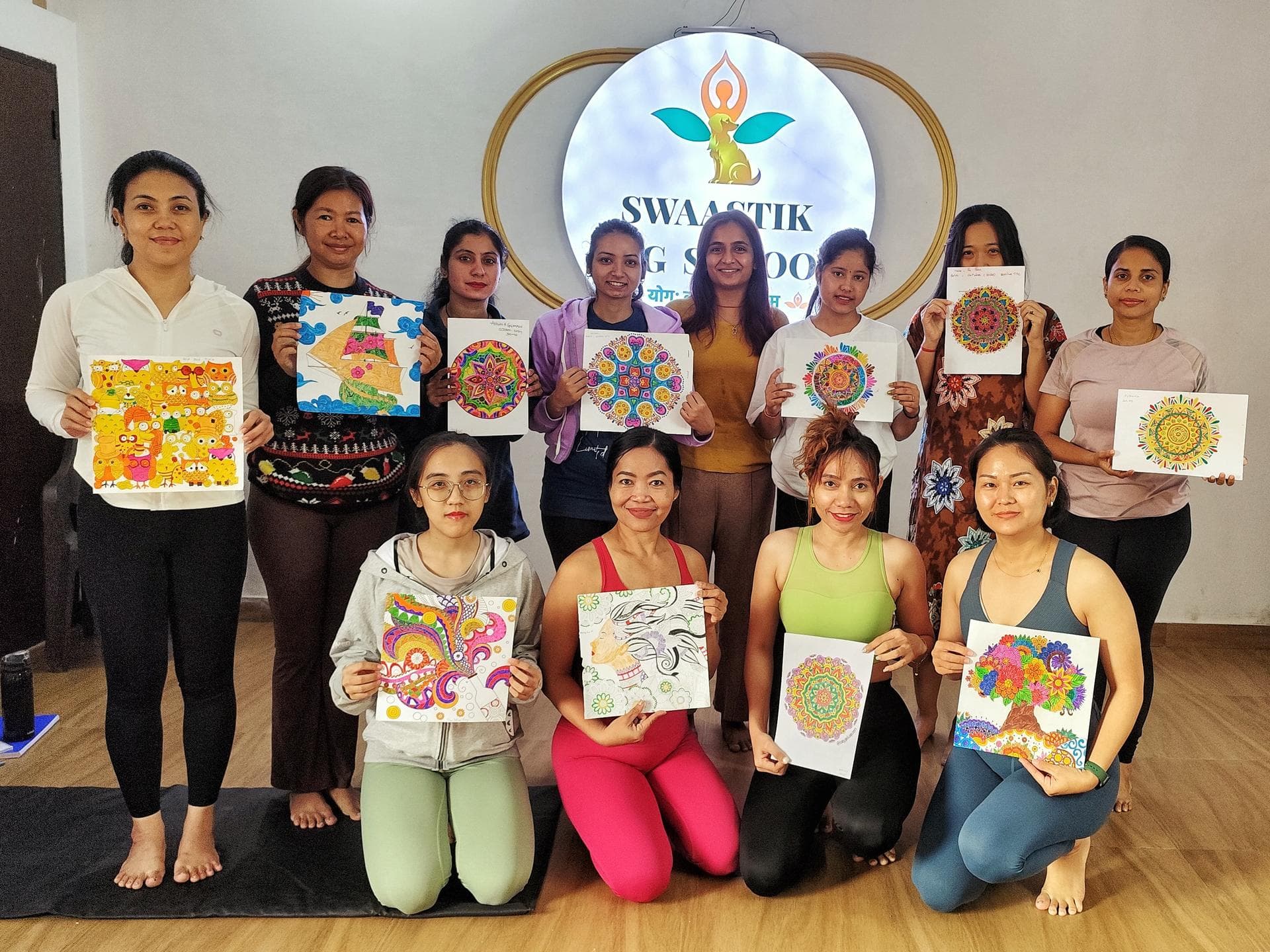
Mayuri Shewale
Founder & Lead Yoga Teacher
15 years of teaching experience. Mayuri has guided hundreds of students through their yoga teacher training journeys, bringing a precise understanding of alignment and a warm, encouraging teaching presence to every session.
Areas of expertise
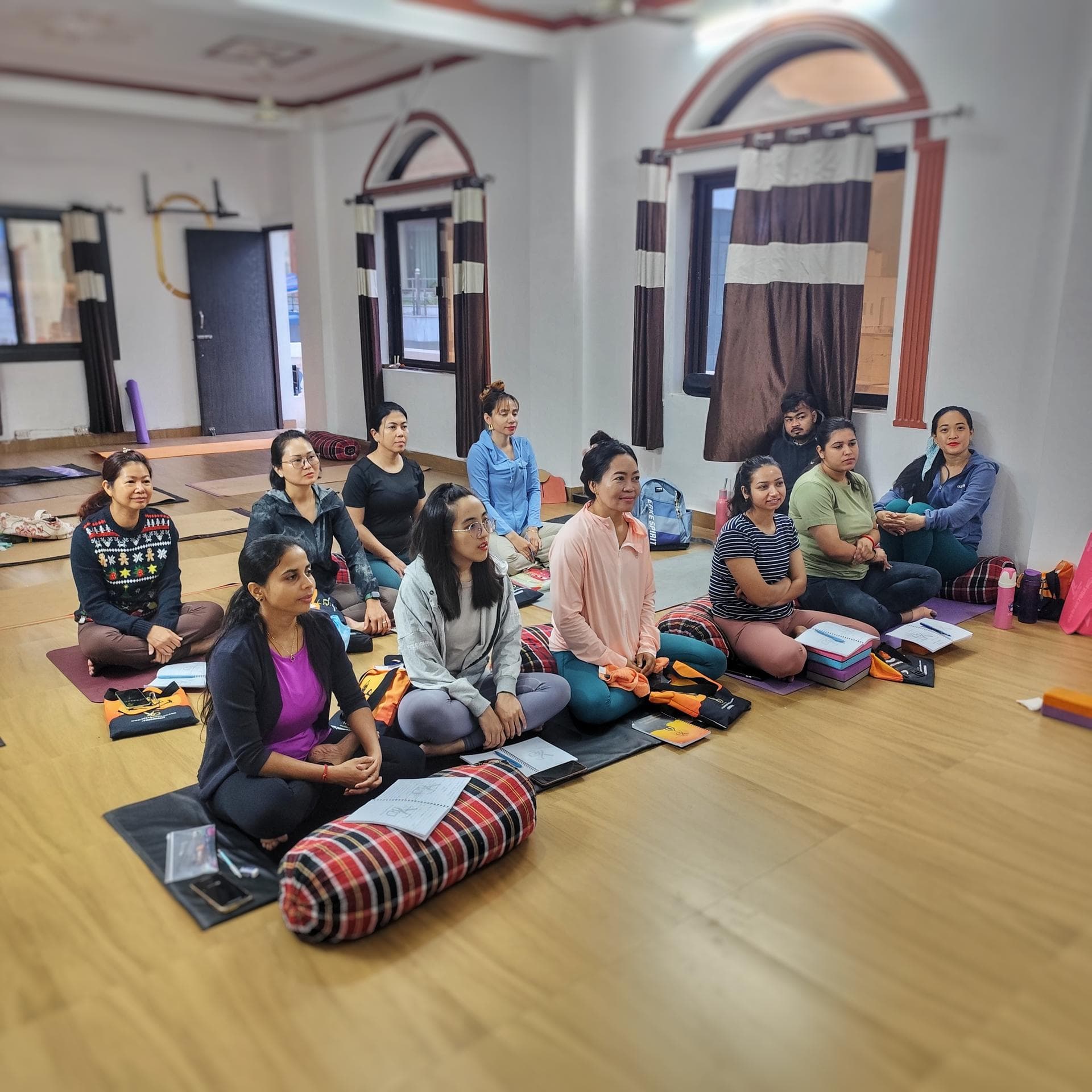
Rahul Badoni
Co-Founder & Philosophy Teacher
12 years of teaching experience. Rahul brings rigorous academic depth to Yoga philosophy, Sanskrit, and the Bhagavad Gita, making ancient texts genuinely accessible to modern students from all backgrounds.
Areas of expertise
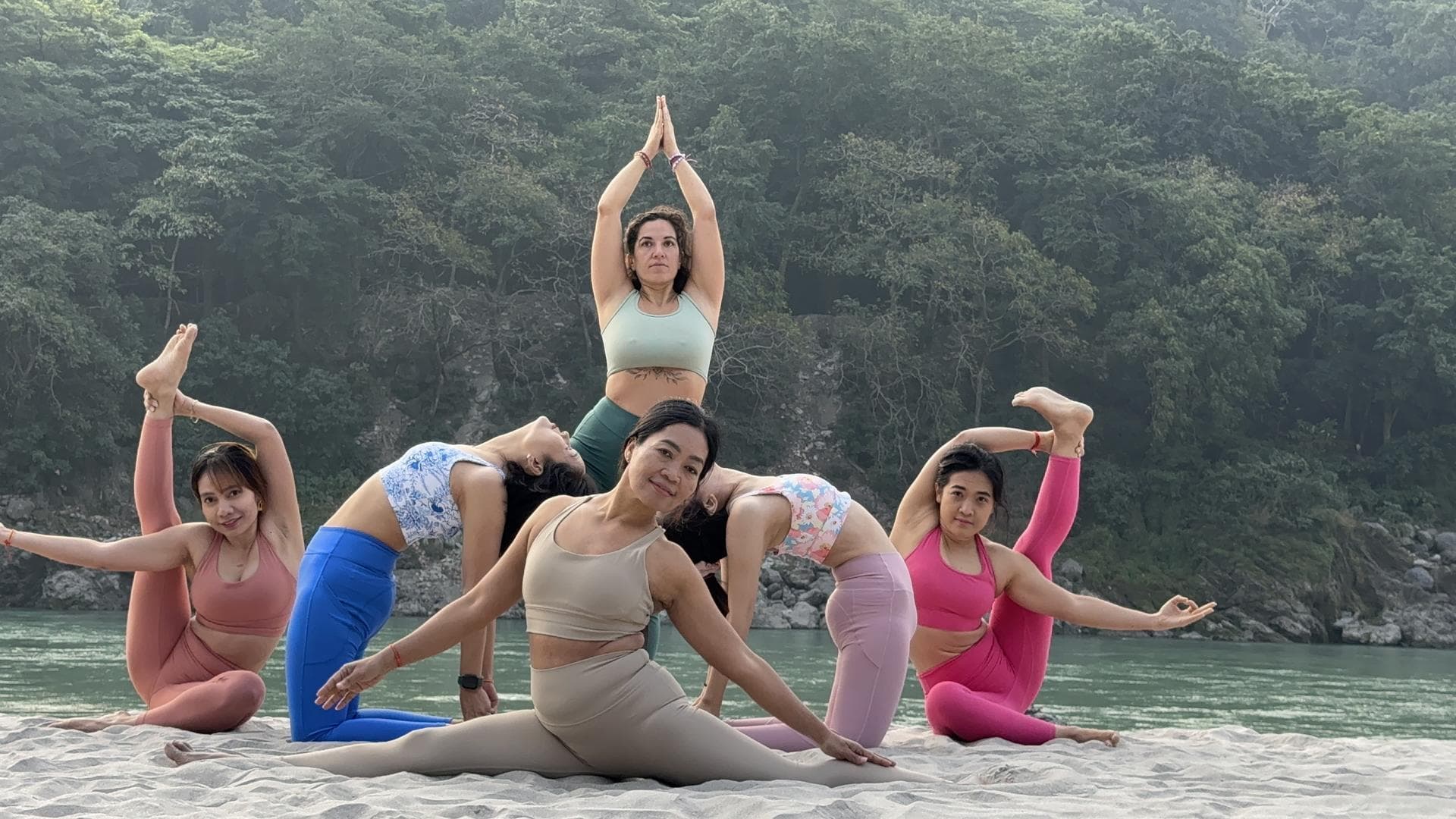
Priya Sharma
Aerial Yoga Specialist
Priya specialises in the aerial and restorative dimensions of yoga practice, bringing a nuanced understanding of inversions and the use of props to support students of all abilities. Her sessions introduce trainees to a wider vocabulary of movement and restoration.
Areas of expertise
Swami Anand
Meditation Master
Swami Anand guides the meditation, Yoga Nidra, and Vedanta sessions. His background in spiritual counselling and the non-dual teachings of Vedanta gives students the conceptual grounding to understand why meditation works — not just how to sit still.
Areas of expertise
一日のスケジュール
タイムテーブルに記載されている時間と食事は、季節の状況、学校の方針、コース固有の要件に基づいて変更される場合があります。
ハタヨガ
適切なアライメントを伴う朝の練習
プラナヤマ / シャットカルマ
呼吸法と浄化法
朝食
サトヴィック・ベジタリアン料理
アライメント / 解剖学
身体の仕組みに関する理論セッション
アシュタンガヨガ
ダイナミックな練習とプライマリーシリーズ
昼食
一日のメインの食事
自主学習 / 休憩
個人の練習とリラックス
上級ヨガクラス
午後の練習とバリエーション
瞑想
夕べの瞑想実践
休憩
夕食前の自由時間
マントラ・チャンティング
神聖なチャンティングセッション
夕食
夕べのサトヴィック料理
快適なヨガライフスタイルを送る
リシケシの静かな環境で、あなたのヨガの旅をサポートするために設計された快適な生活と栄養のある食事を体験してください
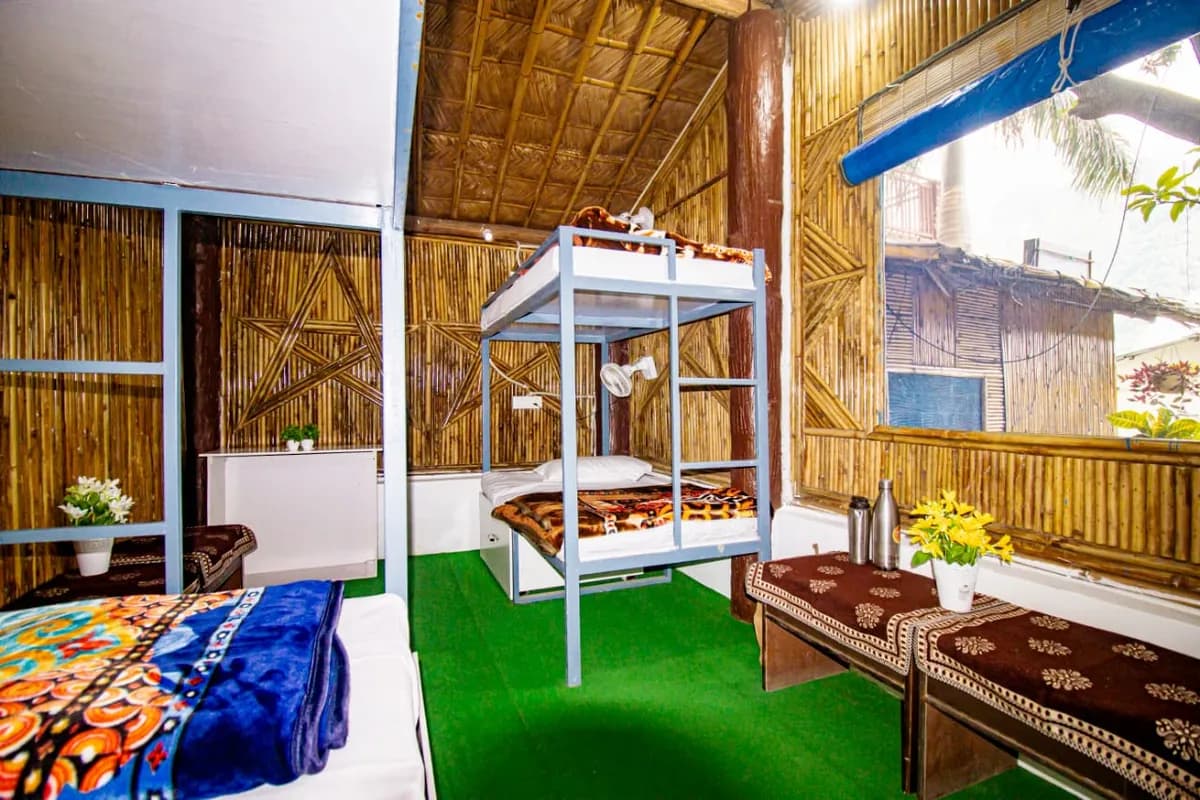
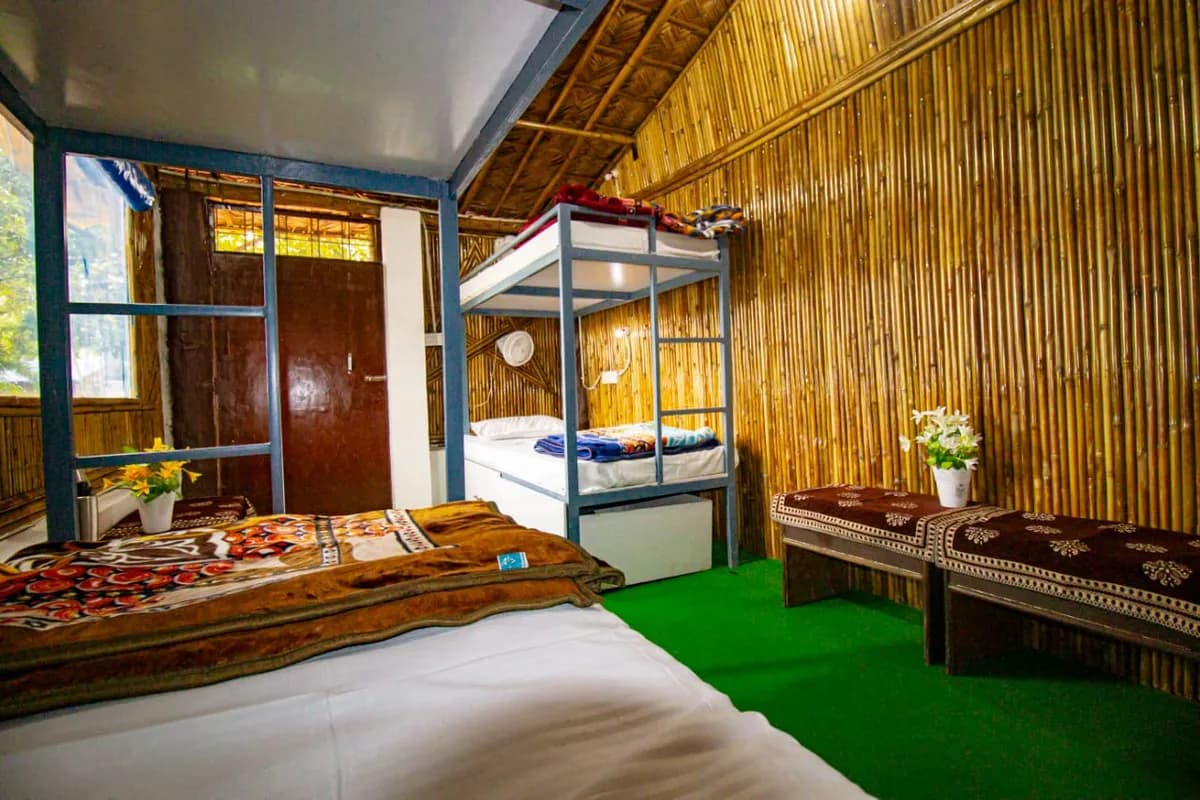
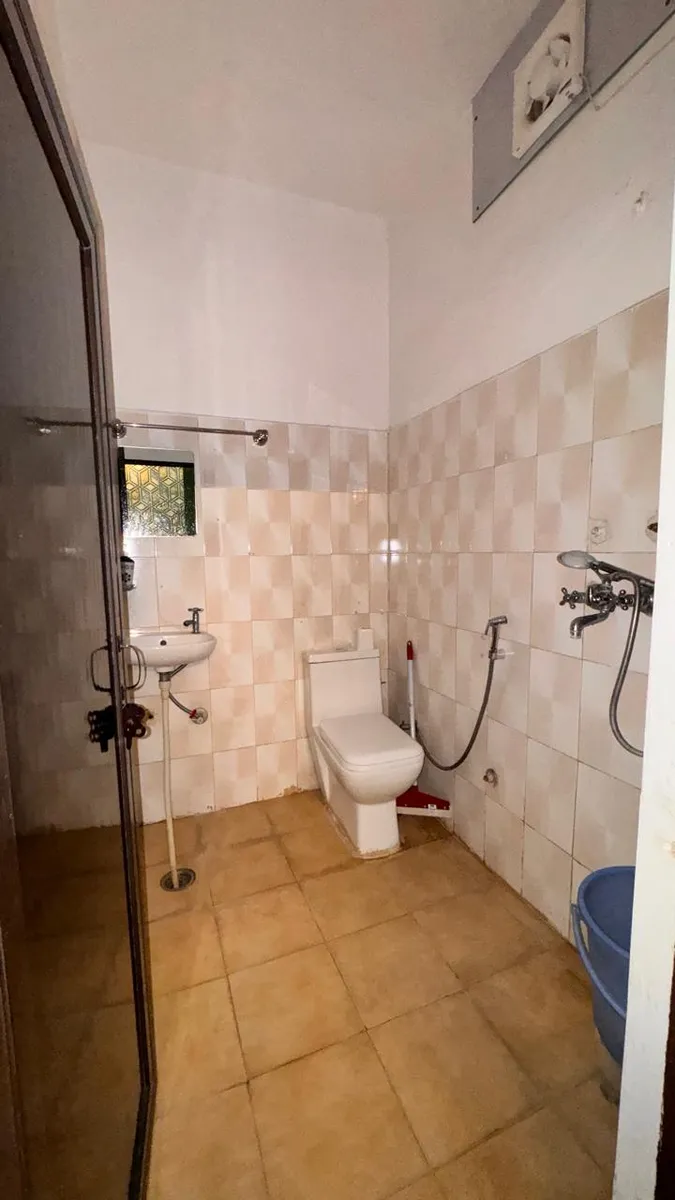
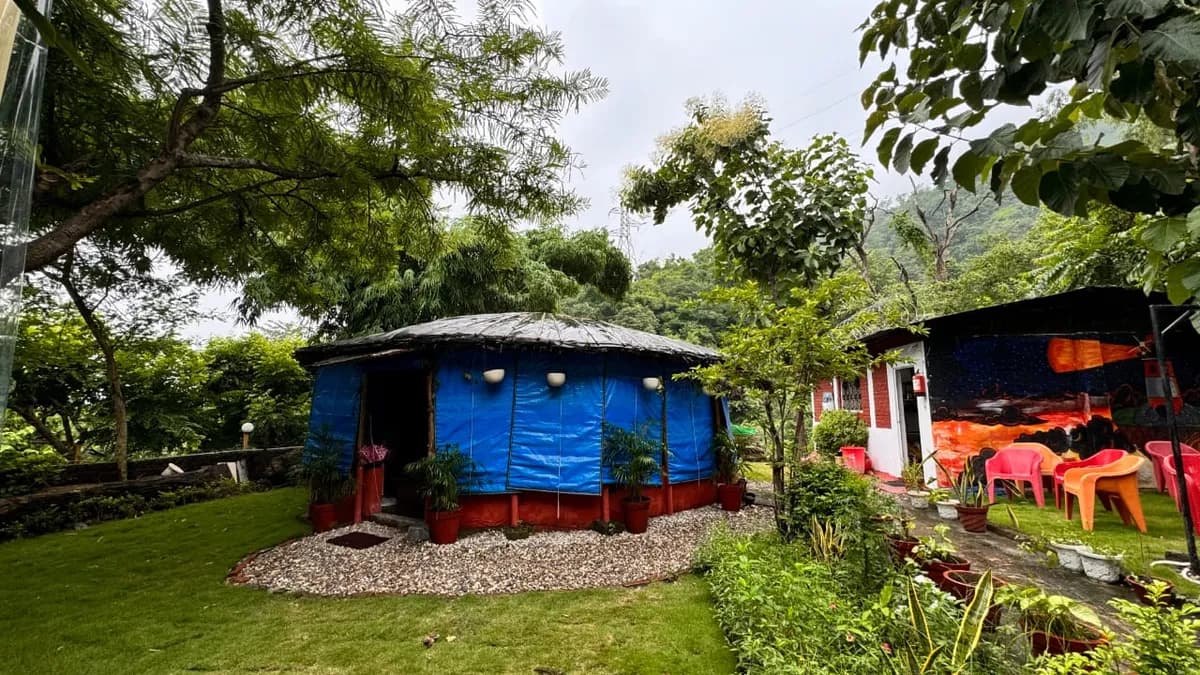
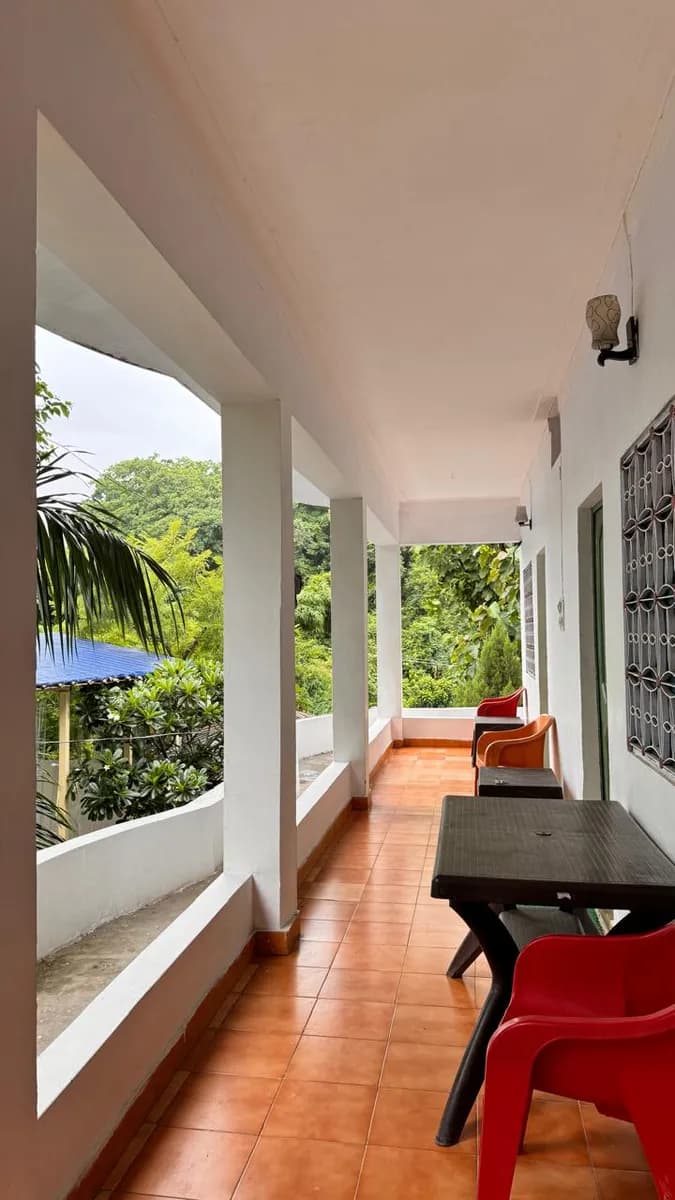
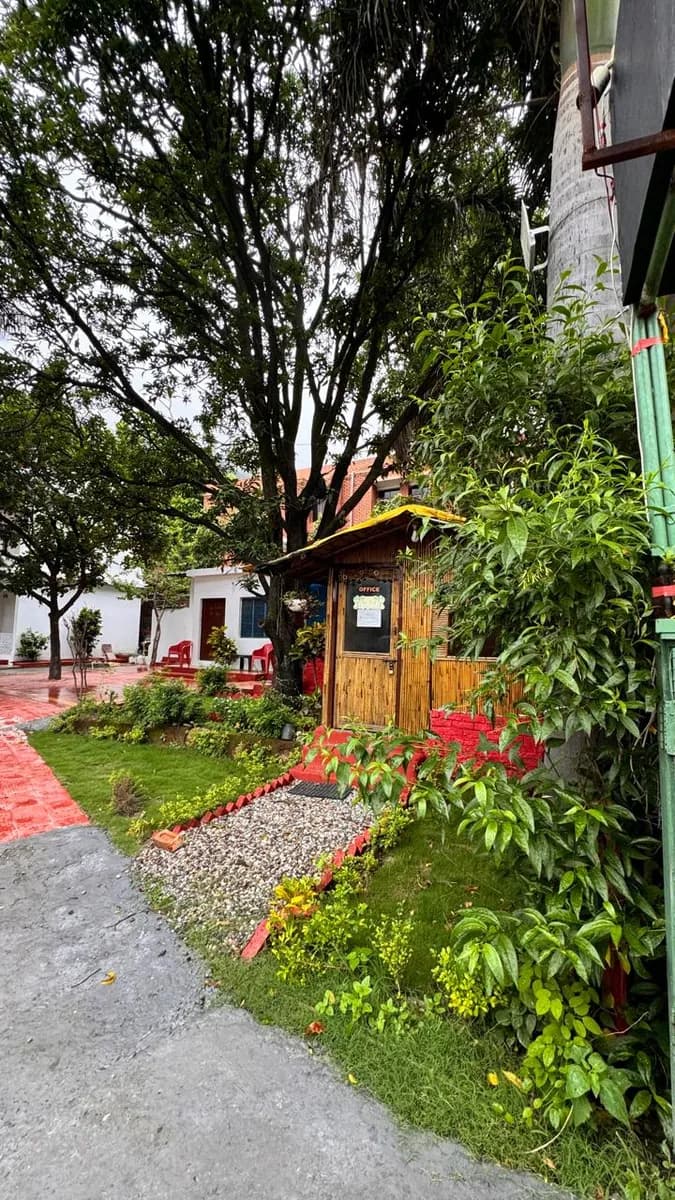
Here is exactly where you will stay during your training — our peaceful residential campus set among gardens and forest in Tapovan, Rishikesh, just a short walk from the Ganga. Choose the room type that suits you: a friendly shared dormitory, a twin-shared room, or a private room, all with attached bathrooms and daily housekeeping.
Dormitory
Budget-friendly bamboo-cottage dorms with comfortable single & bunk beds — the most social way to stay.
Twin-Shared Room
Bright twin rooms with two single beds, feature walls and en-suite bathroom — share with a fellow trainee.


Private Room
Your own private room with a double bed, air-conditioning and attached bathroom for total quiet and rest.

Gardens & Outdoor Space
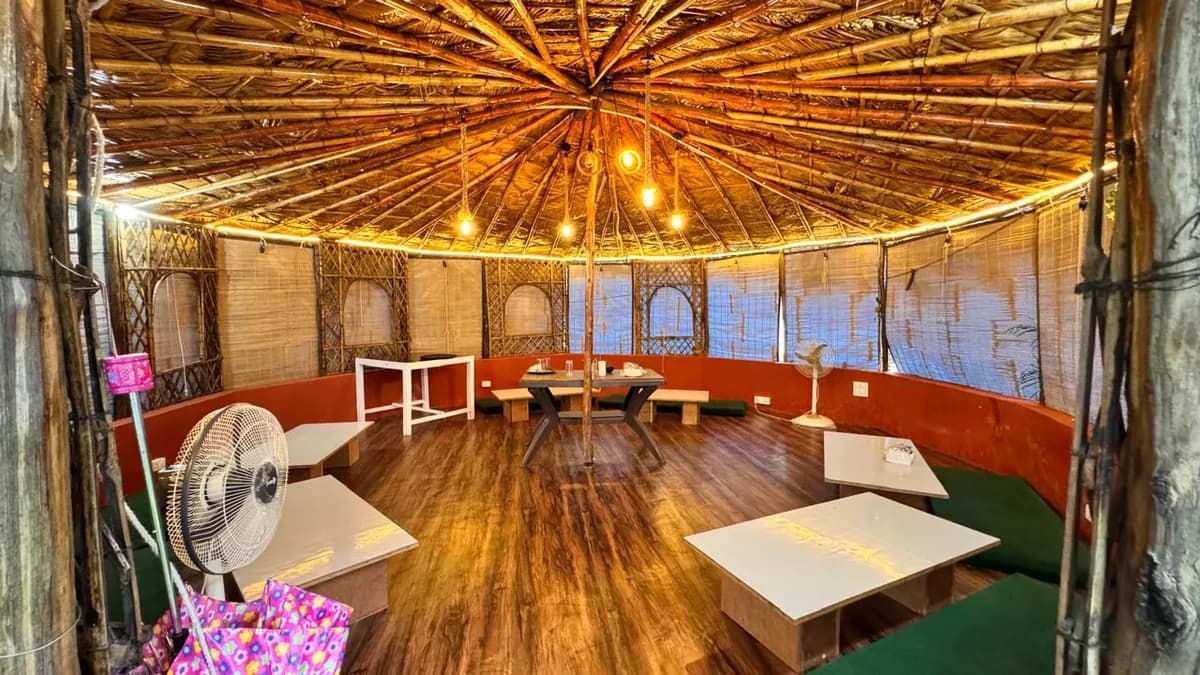
Green gardens, forest-view balconies and a bamboo hall for meditation, study and simply relaxing between classes.
宿泊オプション
ドミトリー(相部屋)
予算重視の旅行者に最適。清潔で広々とし、風通しの良いスペースに快適な寝具と共用設備を備えています。
シェア・ルーム(2人部屋)
個人のスペースと快適さを確保しながら、仲間意識を育むように設計された2〜3人部屋で、志を同じくする人々とつながりましょう。
個室
孤独を求める方のために、私たちの個室は、より深い内省と休息のためのプライバシーが保たれた静かな隠れ家を提供します。
Nourishing Meals
We serve three wholesome sattvic vegetarian meals daily, prepared with fresh, seasonal ingredients.
- Breakfast: Light sattvic meal to energize your morning
- Lunch: Main nutritious meal with variety
- Dinner: Light evening meal for better digestion
- Herbal teas and RO-filtered water throughout the day
The sattvic diet aligns with yogic principles, emphasizing purity, simplicity, and balance.
Course Inclusions & Requirements
What's Included
Everything you need for a complete training experience
- 200-hour Yoga Teacher Training curriculum
- Yoga Alliance RYT-200 Certification upon completion
- Daily yoga classes, workshops, and lectures
- Experienced and certified yoga instructors
- Shared accommodation in comfortable rooms with attached bathrooms
- Three delicious and nutritious sattvic vegetarian meals per day
- Refreshing herbal teas
- RO-filtered drinking water
- Yoga mats for use during the course
- Course manual and study materials
- Access to the school's library and resources
- Free Wi-Fi
- Weekend excursions to explore the natural beauty and spiritual sites of Rishikesh
- Mantra chanting and meditation sessions
- Ice bath experience
- 15 days of free online group teaching after the course
Not Included
Additional costs to consider
- •Private Accommodation (Single rooms available at extra cost)
- •Airport transfers and other transportation
- •Personal expenses (souvenirs, laundry, additional activities)
- •Medical expenses incurred during the course
- •Extra classes or workshops outside the course curriculum
Requirements
- →Physical Fitness: Reasonably good physical health to participate in daily yoga practices
- →Open Mind: Willingness to learn, grow, and embrace new experiences
- →Commitment: Dedication to attending all classes and completing course requirements
- →Respect: Respect for the school's code of conduct and yogic lifestyle
- →White Dress: Bring a white dress for the course graduation ceremony
- →Yoga Gear: Comfortable yoga clothing (leggings/yoga pants and supportive tops)
- →Personal Items: Bath towel, toiletries, necessary medications or supplements
What Our Students Say
Student Stories on Instagram
Unfiltered student experiences — tap to watch.
200 Hour TTC Frequently Asked Questions
Do I need prior yoga experience?
Is the food vegan?
Is airport pickup included?
What is the group size?
Can I stay for extra days?
Refund Policy
General Policy
The course fees and booking amount are non-refundable.
Exceptions
- Emergency Situations: In cases of genuine emergencies (e.g., severe illness, family emergency, visa denial), we may consider offering the option to transfer your enrollment to a future program. This will be evaluated on a case-by-case basis and requires supporting documentation.
- Cancellation After Joining: If a student cancels the course after it has already begun, no refund will be issued.
Important Notes
- We strongly encourage you to carefully consider your commitment to the program before enrolling.
- Travel insurance is highly recommended to cover any unexpected events that may require you to cancel your participation.
- If you have any questions or concerns about our refund policy, please do not hesitate to contact us before enrolling.
Our Commitment to Flexibility
While we maintain a strict refund policy, we are committed to working with students facing genuine difficulties. We will do our best to find a suitable solution, such as transferring your enrollment to a future program, whenever possible.
Related Courses & Guides
Explore more to plan your yoga journey with Swaastik Yog School.
Loved by Students Worldwide

Gurupreet Singh
3 months ago
I recently completed my training at Swastik Yoga School in Rishikesh and had a really positive experience. As a beginner, I learned Hatha, Ashtanga, and even Aerial yoga in a very supportive environment. My teachers, Mayuri and Rahul, were knowledgeable, patient, and truly dedicated. I’ve already started seeing positive changes in my body, flexibility, and overall strength. The school is also great for a multicultural experience, with students coming from all around the world, which made learning even more enriching. Grateful for the journey and highly recommend it to anyone starting or deepening their yoga practice.

trezure lardeur
4 months ago
Though I wish I could be a gatekeeper, it would be wrong to not share how remarkably wonderful the curriculum and team at Swaastik Yog School are. Ranjana, Rahul, and the head mistress Mayuri are phenomenally warm, insightful, and with you each step of your journey. My experience was so lovely, I’ve already made arrangements to return for a 500YTTC this fall. The price point is almost unfair, as the program was so rich, and the meals (with views) were so delicious. My favorite element of the curriculum was the Philosophy component, as I’d never known about the Gita prior to this visit. If you are looking for an intellectually rich, physically challenging, and socially warm experience as you complete your yoga teacher training, don’t walk, RUN, to Swaastik! Thank you so much again to your incredible team! (I’ve added pictures of some of the delicious Ayurvedic yogi meals they serve, as I’m sure many of you are wondering as I was prior to my visit :) )
Reviews sourced from Google
Ready to Start Your Yoga Teaching Journey?
Join our next 200-hour yoga teacher training and transform your practice and life in the Yoga Capital of the World
Have Questions? Get in Touch!
Whether you're interested in our teacher training courses, retreats, or drop-in classes, we're here to help guide your yoga journey. Fill out the form or chat with us directly on WhatsApp.