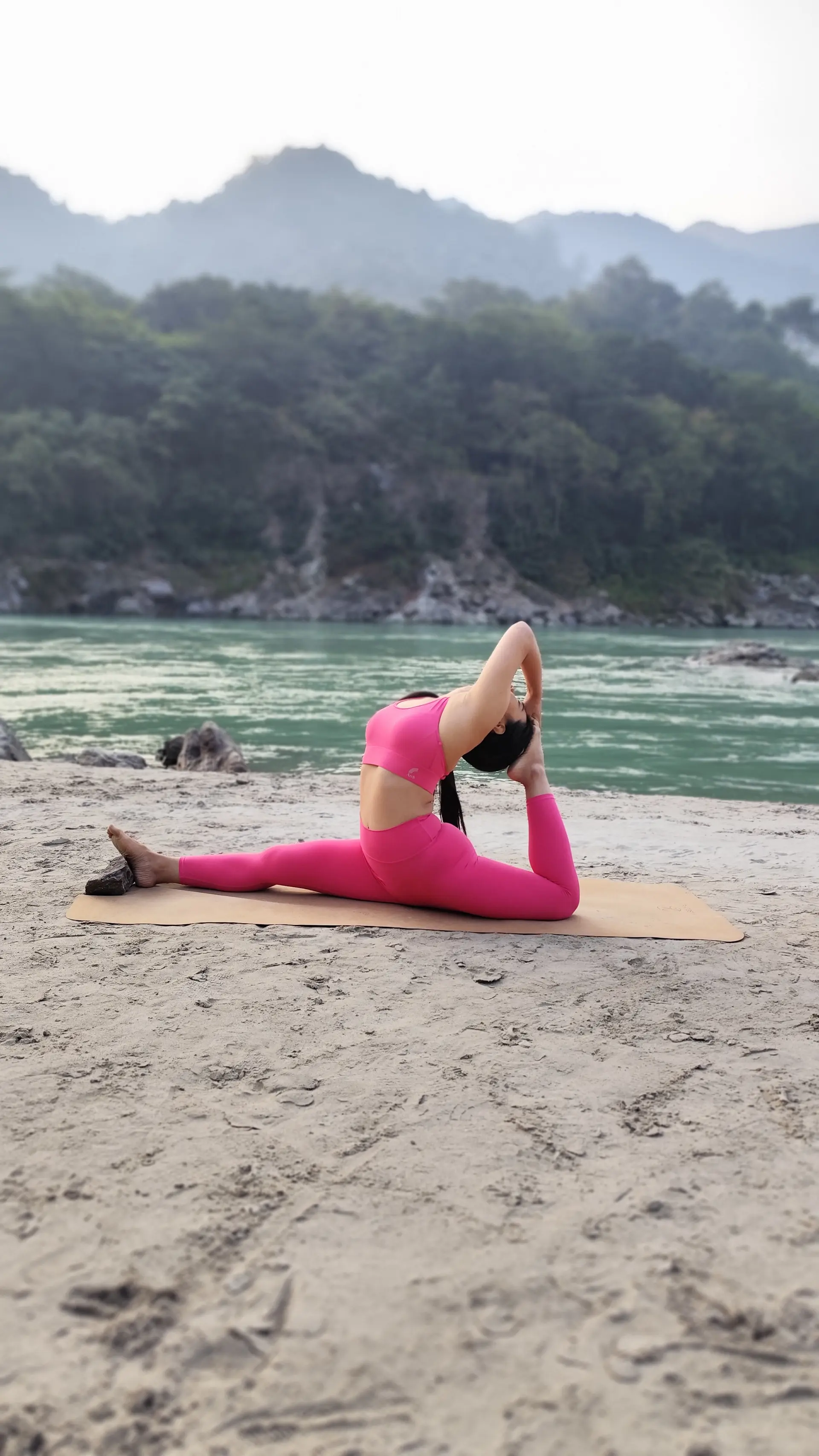
Join our 3-day residential yoga and meditation retreat in Rishikesh, India — the perfect weekend escape for beginners and busy professionals wanting their first taste of authentic Himalayan yoga. Each day includes morning Hatha yoga, pranayama, guided meditation, cultural excursions, comfortable accommodation, and wholesome sattvic meals, all from just $100. Ideal for anyone who has never attended a retreat but wants a meaningful, affordable introduction to yoga in India.
What is the 3-Day Yoga Retreat in Rishikesh?
The 3-Day Yoga Retreat at Swaastik Yog School is a short, all-levels weekend immersion in Rishikesh, India — the easiest way to experience an authentic Himalayan yoga retreat without a long time commitment. Each day blends morning Hatha yoga, pranayama, guided meditation and cultural excursions, with comfortable accommodation and three daily sattvic meals included. No prior experience is needed. The all-inclusive price starts at $100 USD on double-sharing.
- Duration
- 3 days / 2 nights
- Price (all-inclusive)
- From $100 USD (double sharing)
- Suitable for
- All levels — beginners welcome
- Includes
- Yoga, meditation, meals & stay
- Location
- Tapovan, Rishikesh, India
期間
3日間 / 2泊
価格
$100 (ダブルシェア)
対象
全レベル
証明書
参加証
リトリートについて
リシケシでの3日間のヨガリトリートは、ヨガと瞑想の世界への短くても深遠な旅です。時間が限られているが、リシケシの静かで精神的な環境でヨガの変革力を体験したい方のために設計されています。このリトリートは、初心者だけでなく、練習を深めたい定期的な実践者にも最適です。
期待できること
この3日間のリトリート中、毎日のヨガクラス、ガイド付き瞑想セッション、プラーナヤーマ(呼吸法)の実践に没頭します。また、健康的で美味しいベジタリアン料理を通じてサトヴィック(ヨガ的)な生活様式を体験することもできます。リトリートには、リシケシの精神的遺産を探索するための文化的な遠足も含まれています。
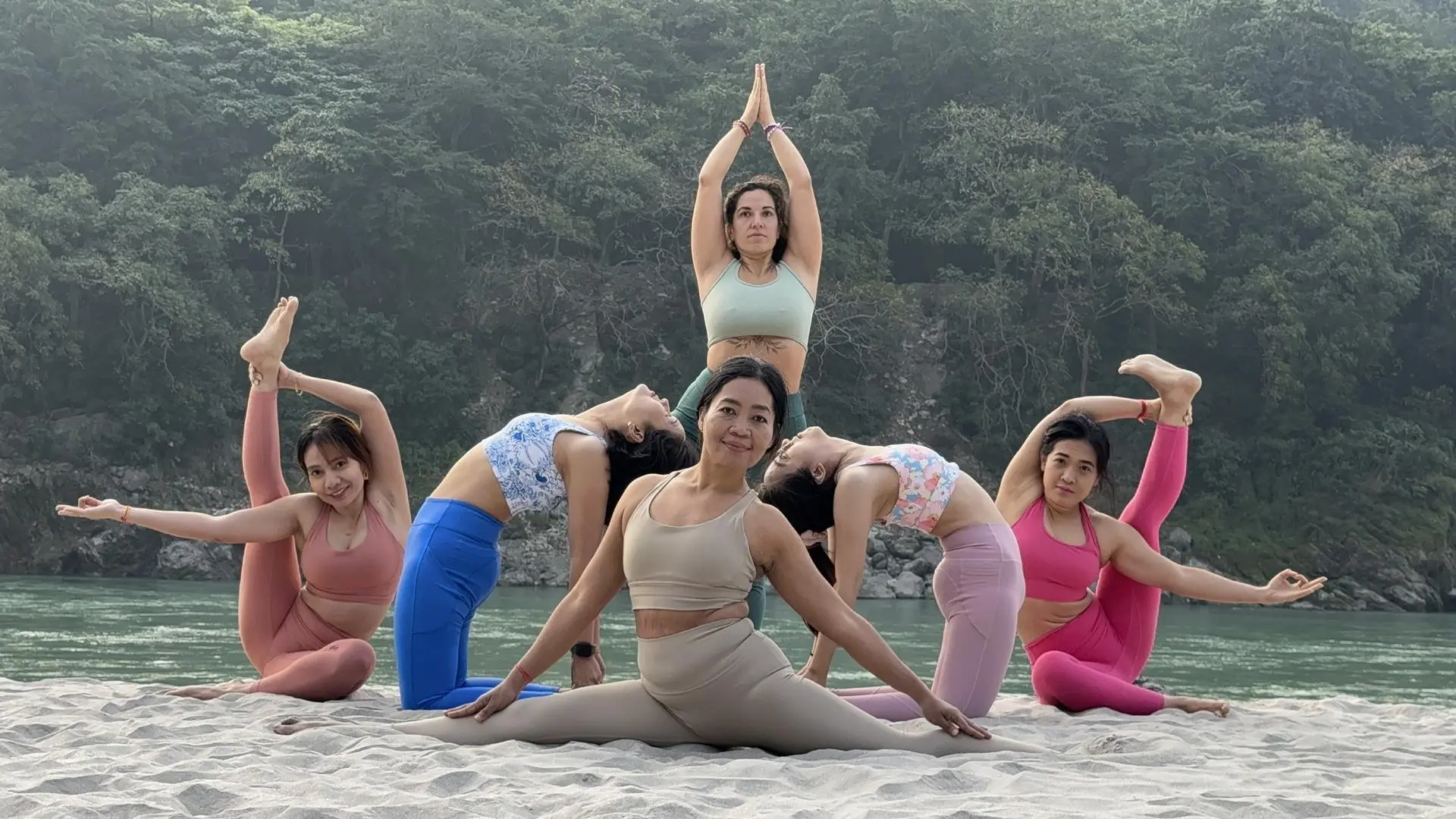
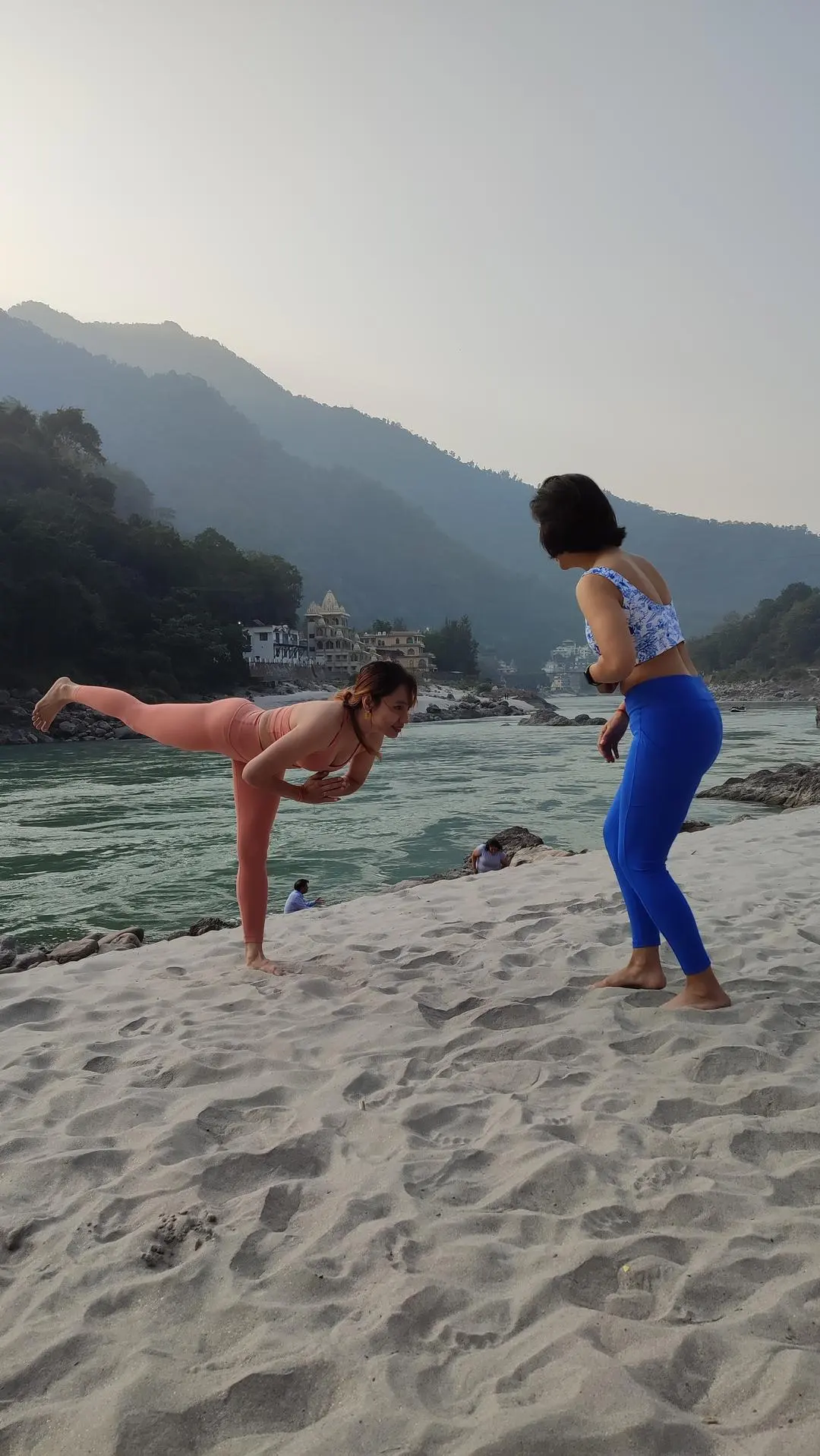
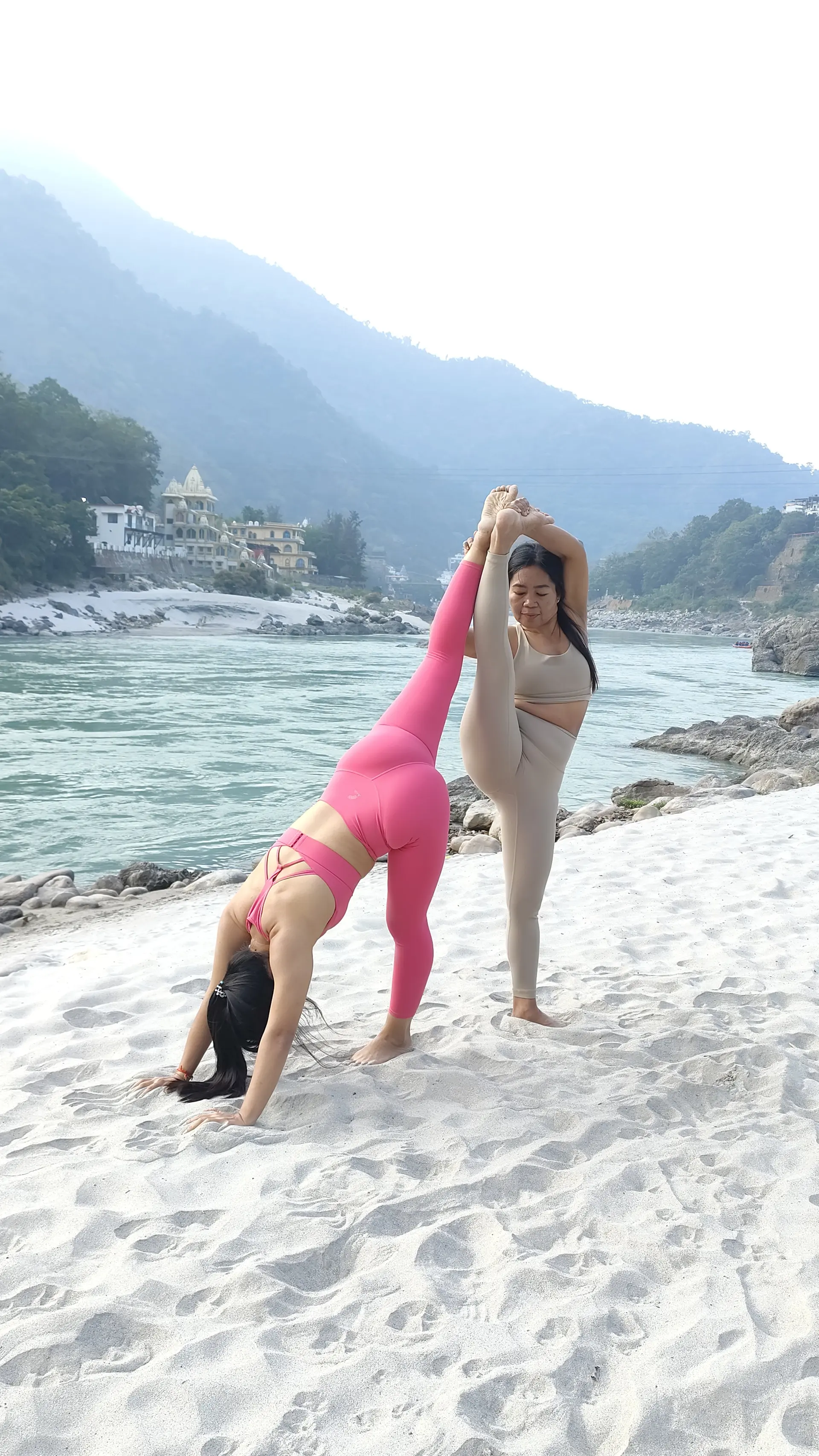
リトリートの瞬間
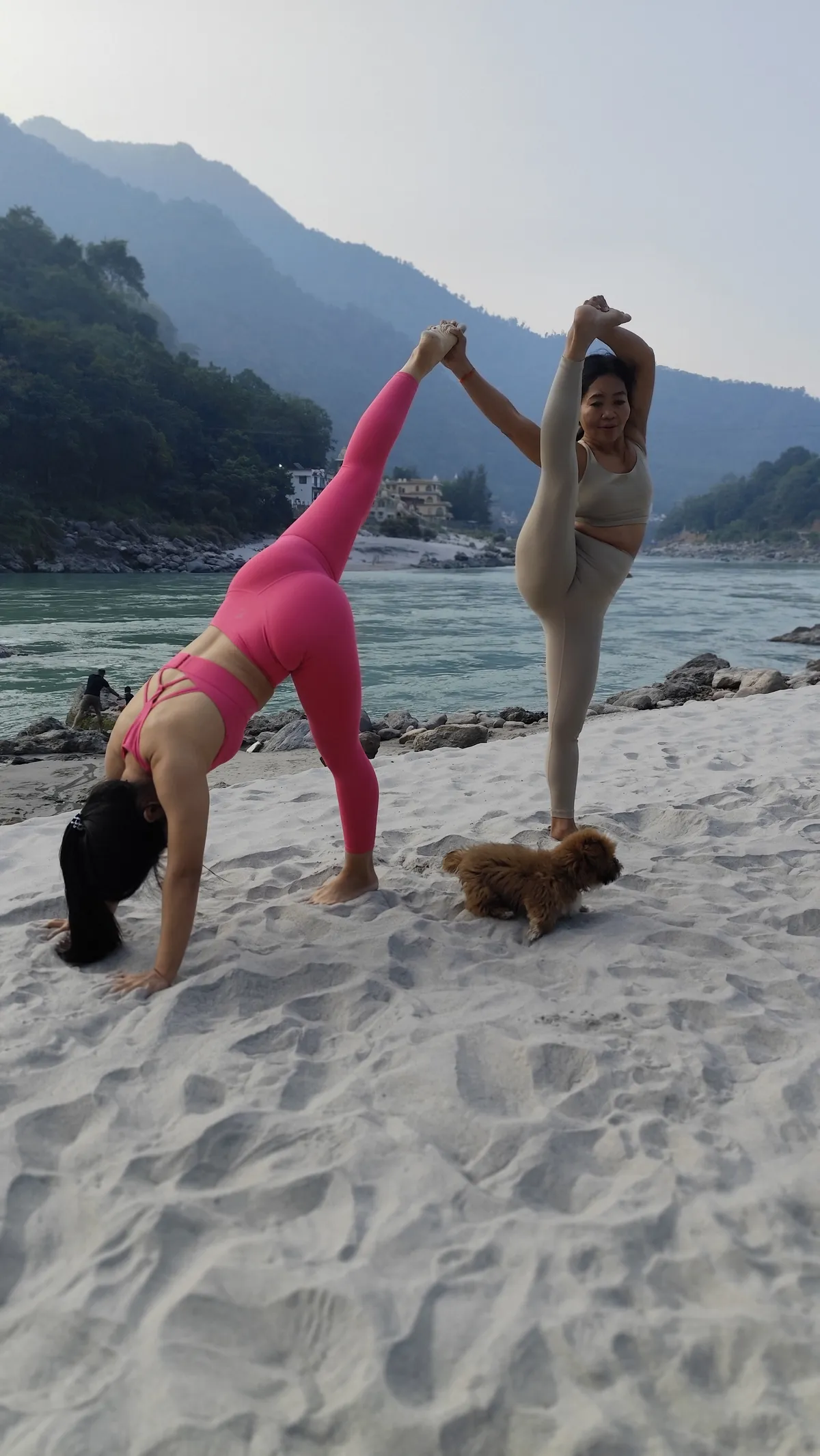
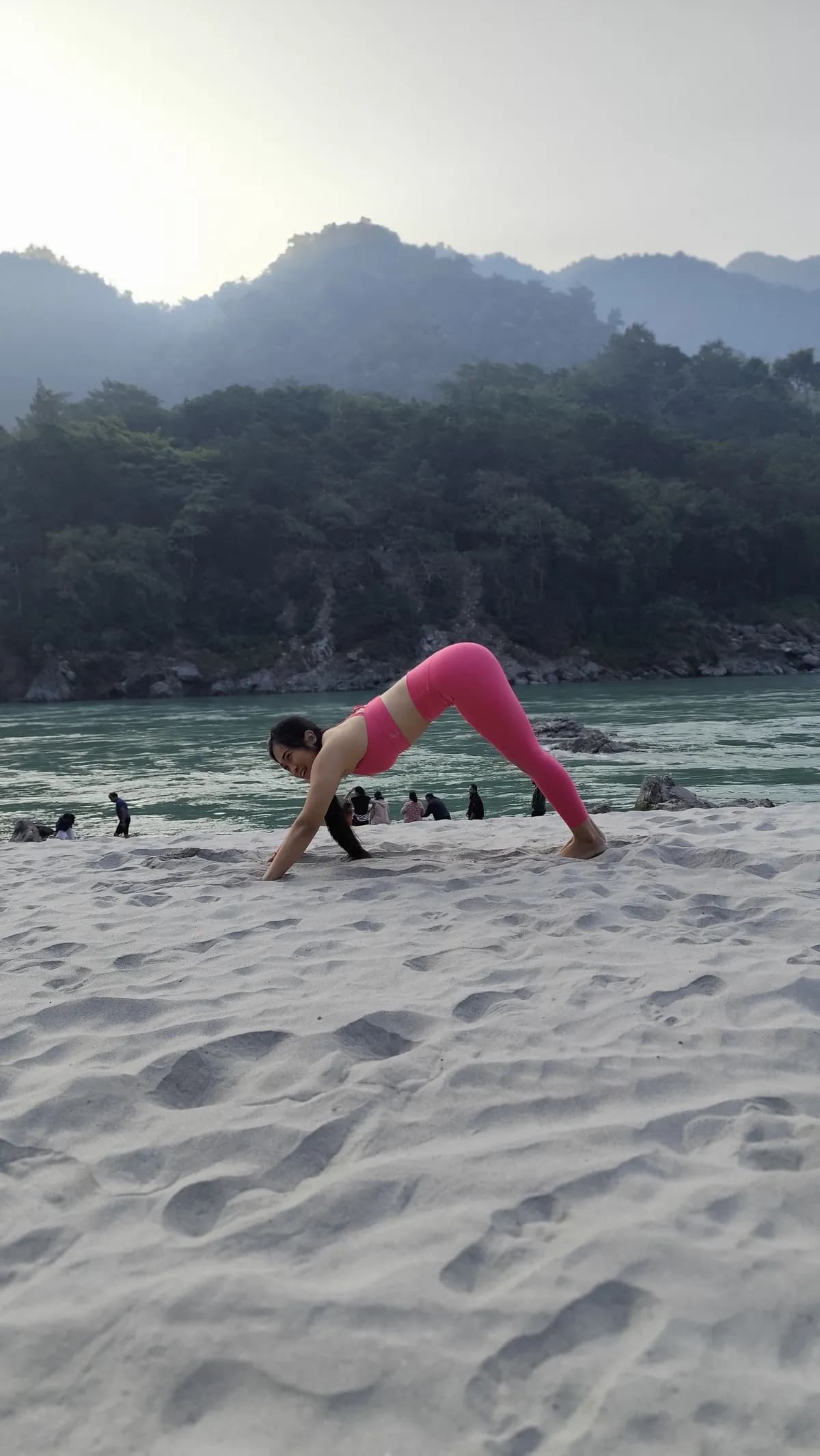
含まれるもの
- ✓3日間 / 2泊の共有宿泊施設
- ✓3食の新鮮なベジタリアン料理 + 午後のお茶
- ✓ヨガ用具(マット、ブロック、ストラップ)
- ✓アイスバスセッション1回
- ✓半日遠足1回
- ✓無料Wi-Fiと平和な雰囲気
- ✓終了時の参加証明書
*ACルームは追加料金で利用可能です。
一日のスケジュール
利用規約
- •すべてのクラスへの出席は義務付けられています
- •肉、魚、卵、アルコール、タバコ、薬物は厳禁です
- •学校の敷地内での喫煙と飲酒は許可されていません
- •コース料金と予約金額は返金不可です
- •緊急の場合、学生は他のスケジュールに参加できます
リトリート詳細
期間
3日間 / 2泊
価格
$100
(ダブルシェア)
次のバッチ
毎月1日から3日まで
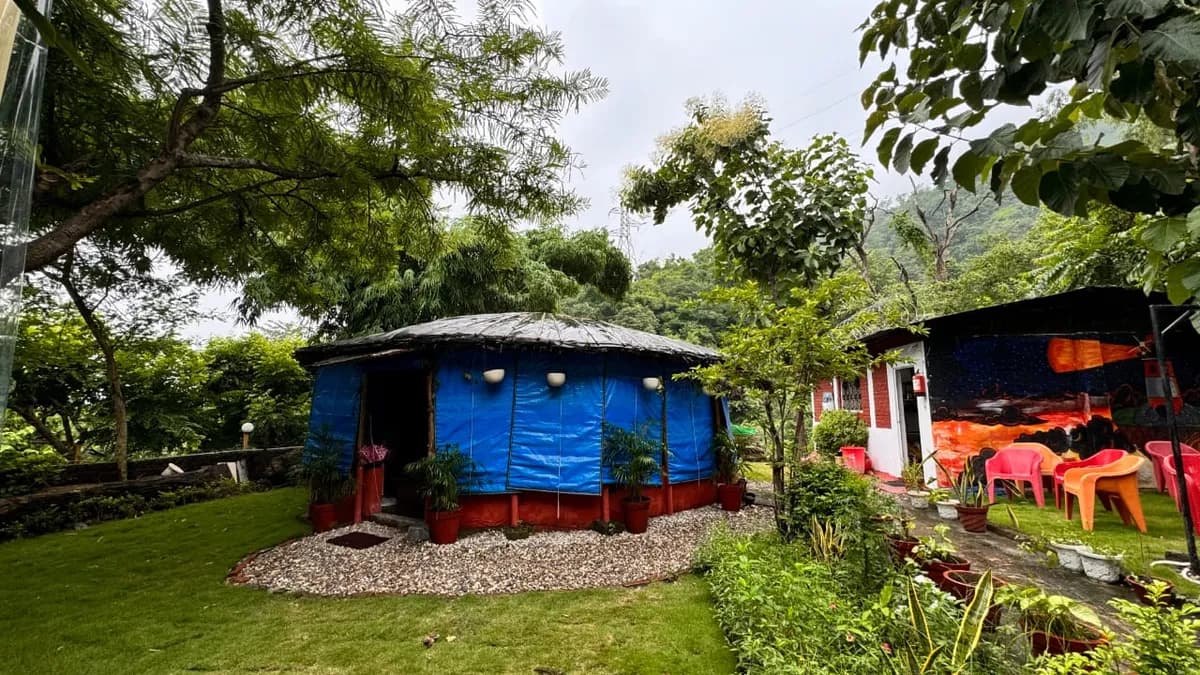
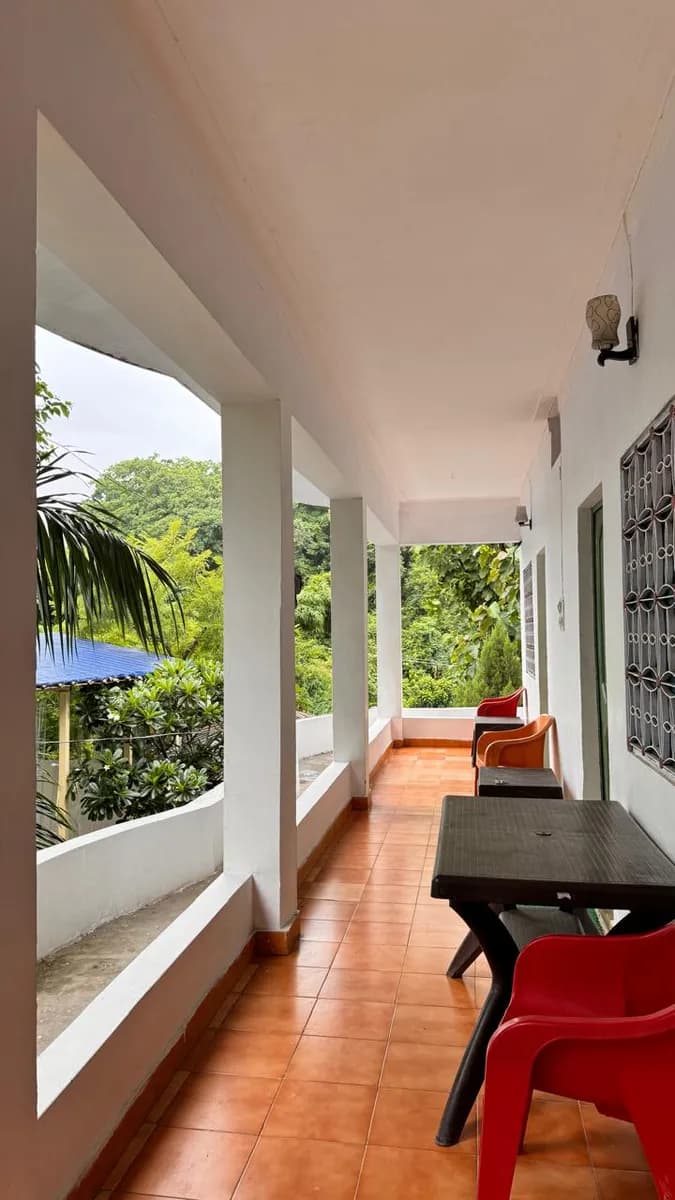
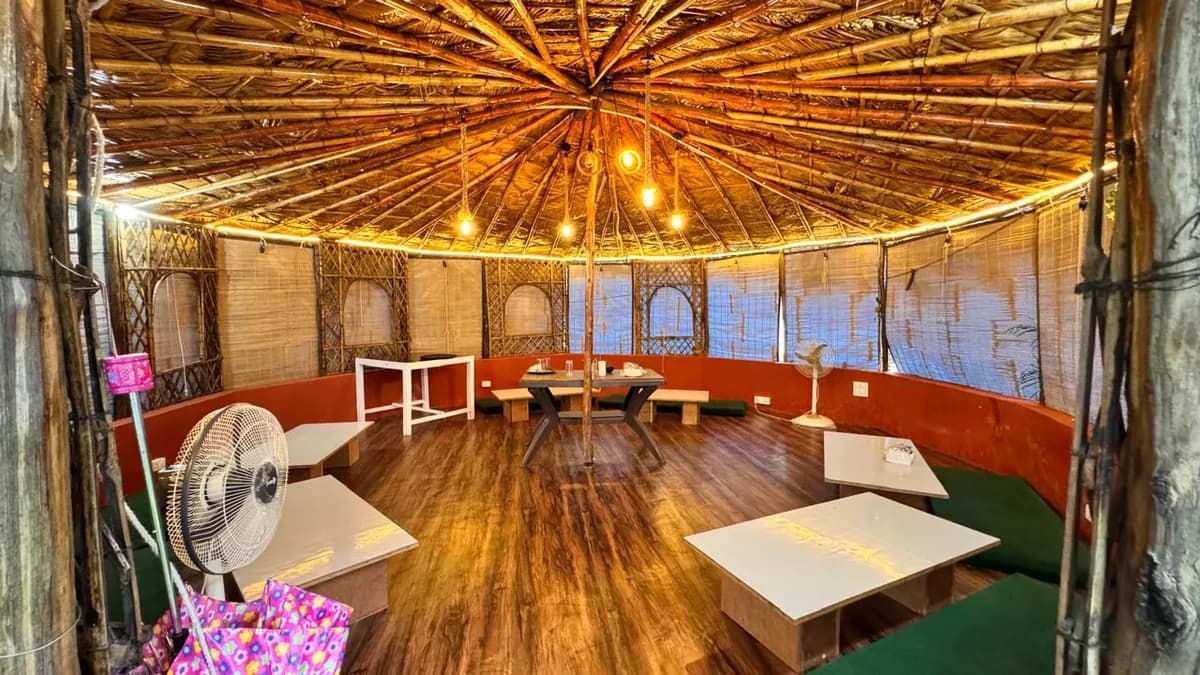
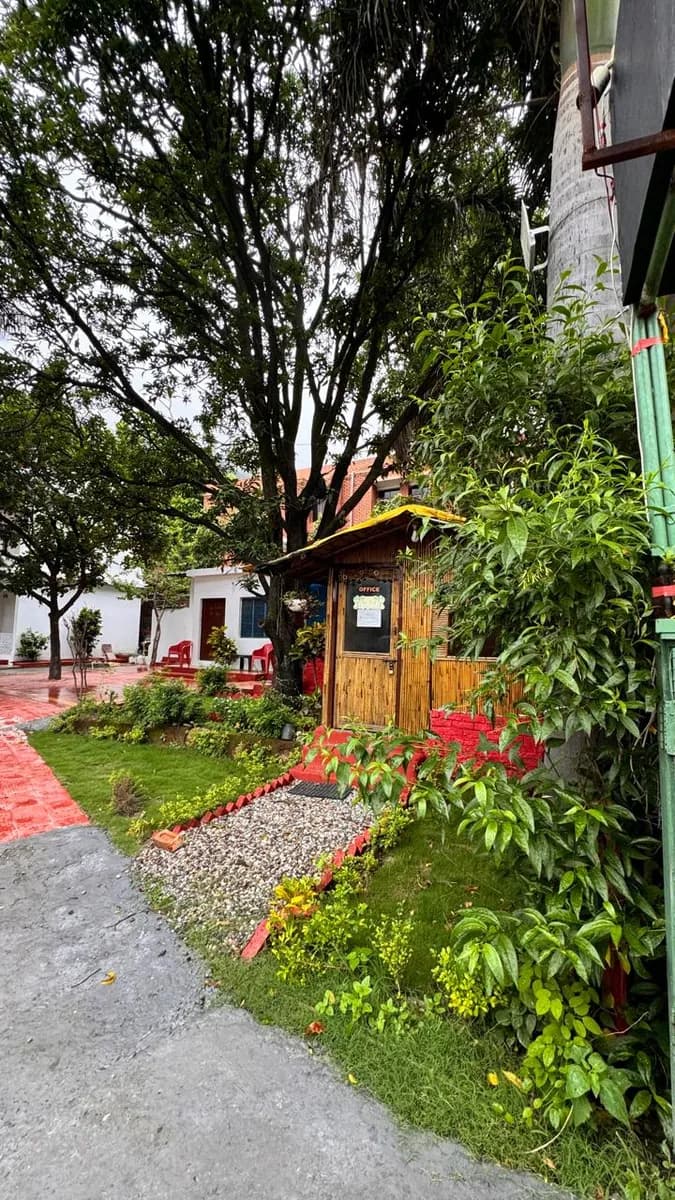
Where You'll Stay — Our New Tapovan Campus
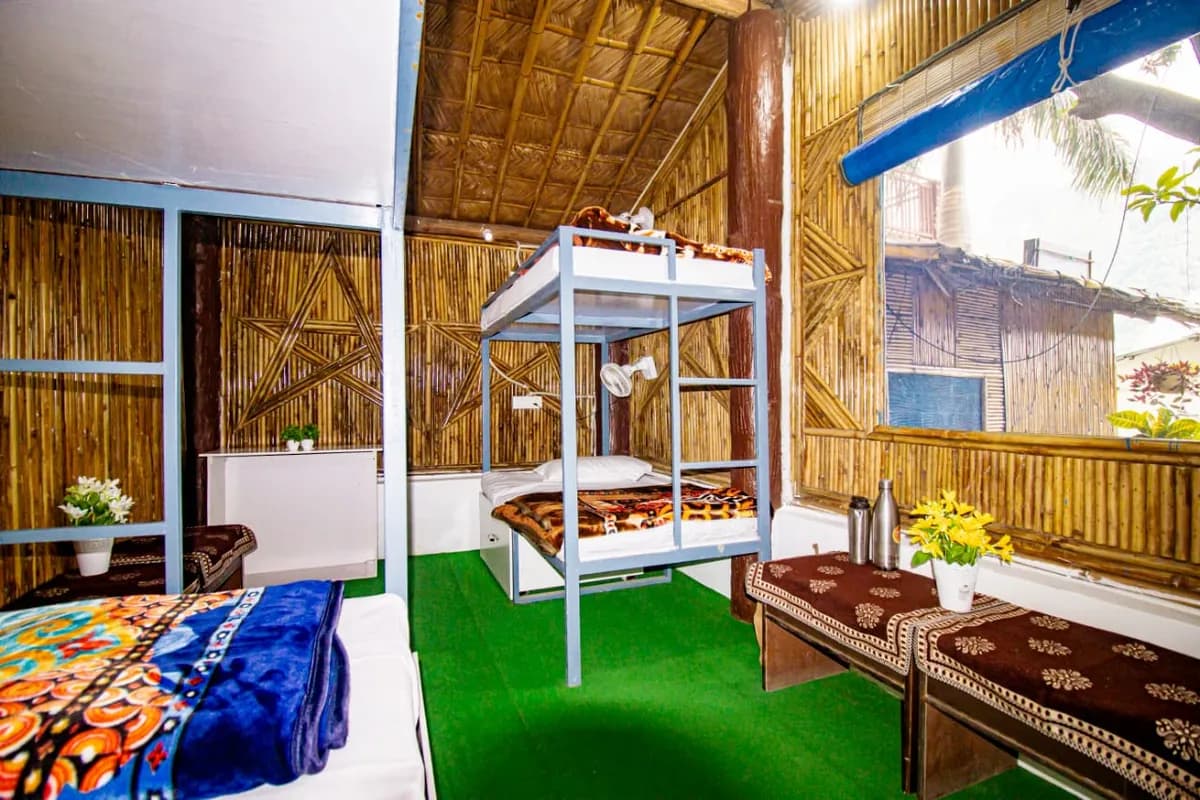
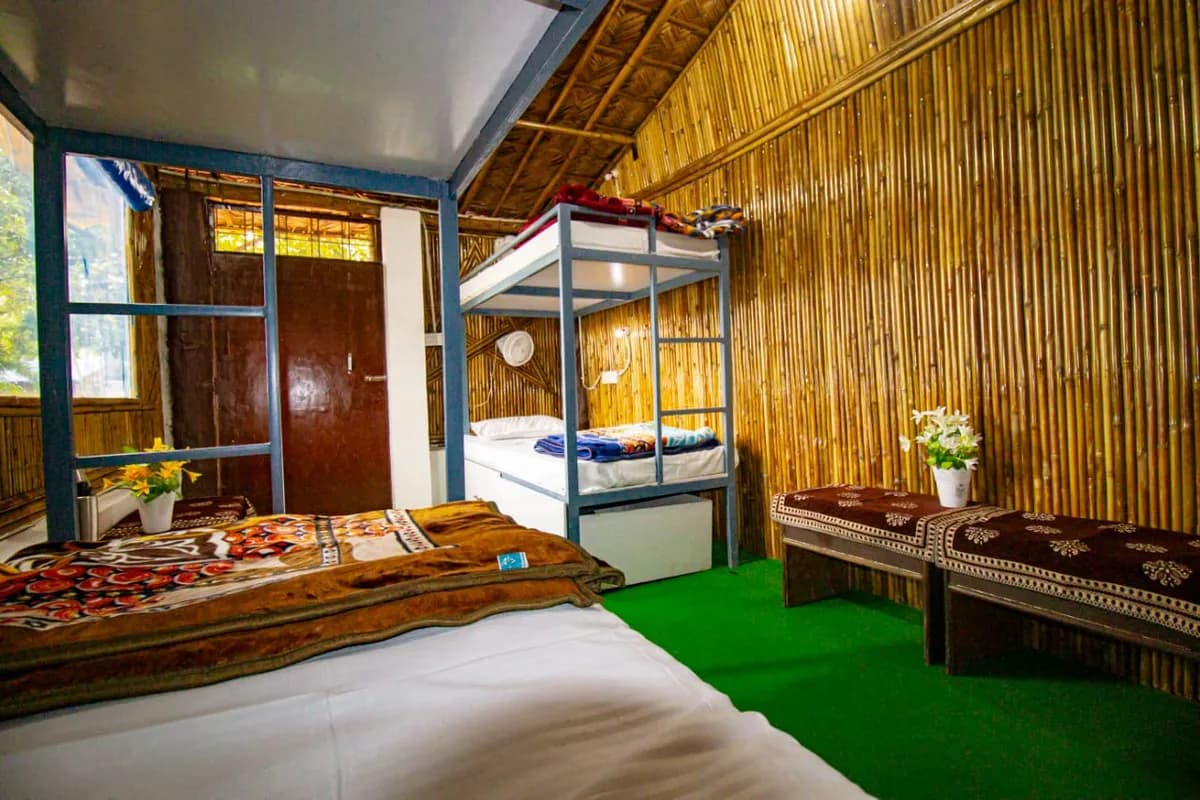
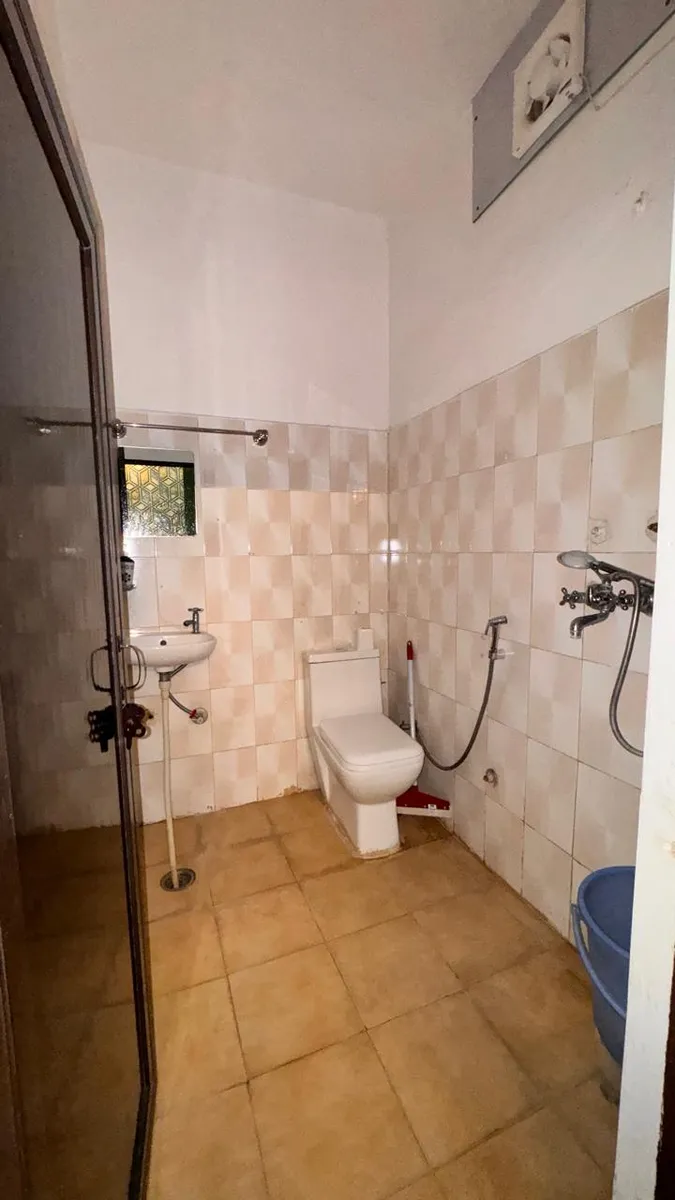
Here is exactly where you will stay during your retreat — our peaceful residential campus set among gardens and forest in Tapovan, Rishikesh, just a short walk from the Ganga. Choose a friendly dorm, a twin-shared room, or a private room, all with attached bathrooms and daily housekeeping.
Dormitory
Budget-friendly bamboo-cottage dorms with comfortable single & bunk beds — the most social way to stay.
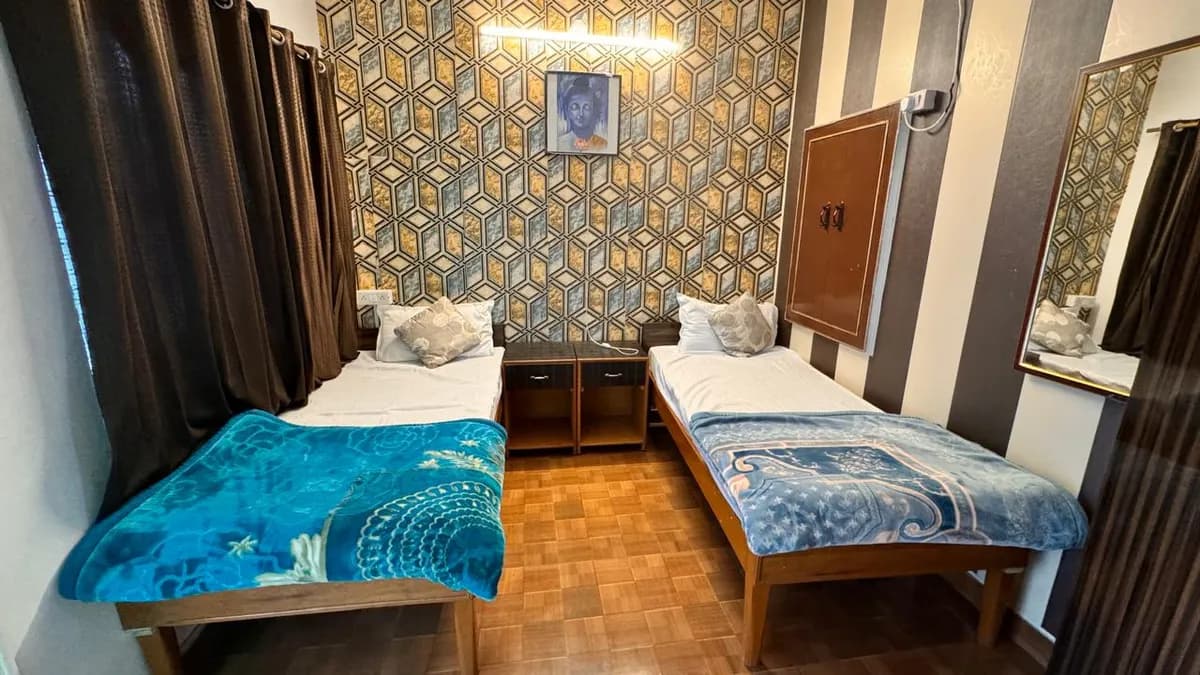
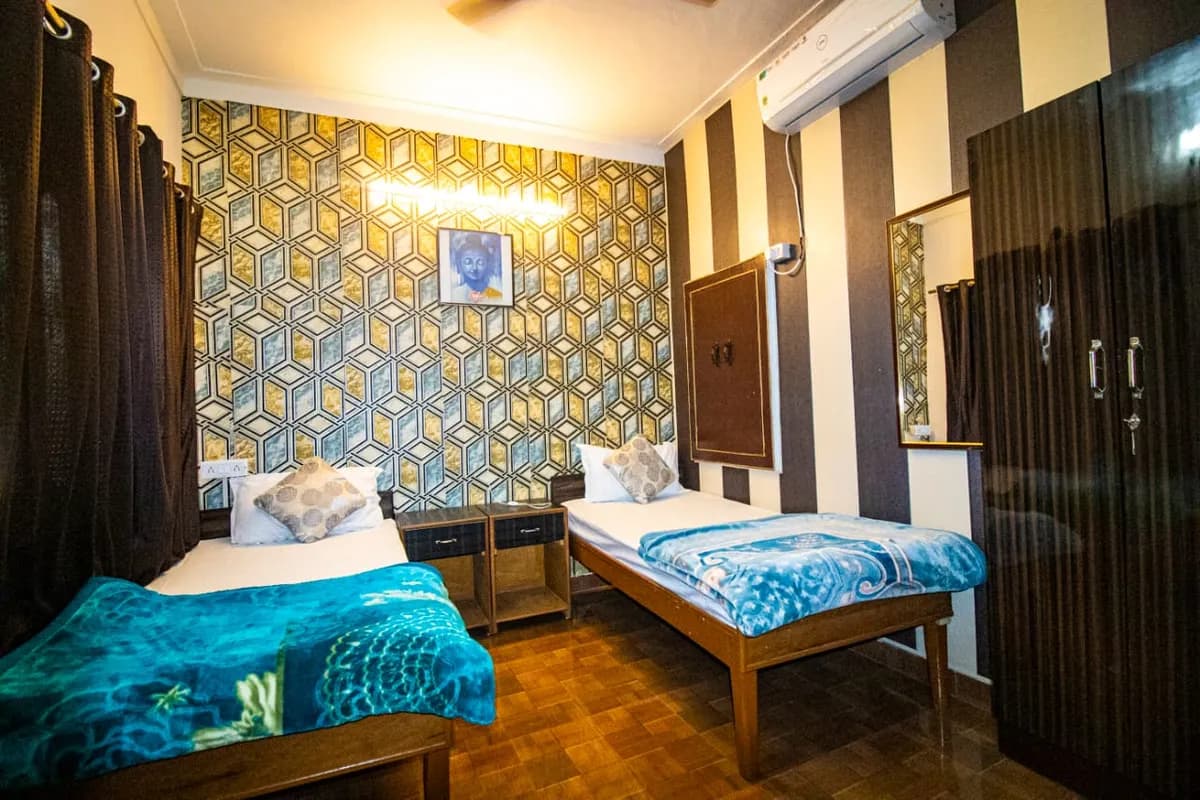
Twin-Shared Room
Bright twin rooms with two single beds, feature walls and en-suite bathroom — share with a fellow trainee.
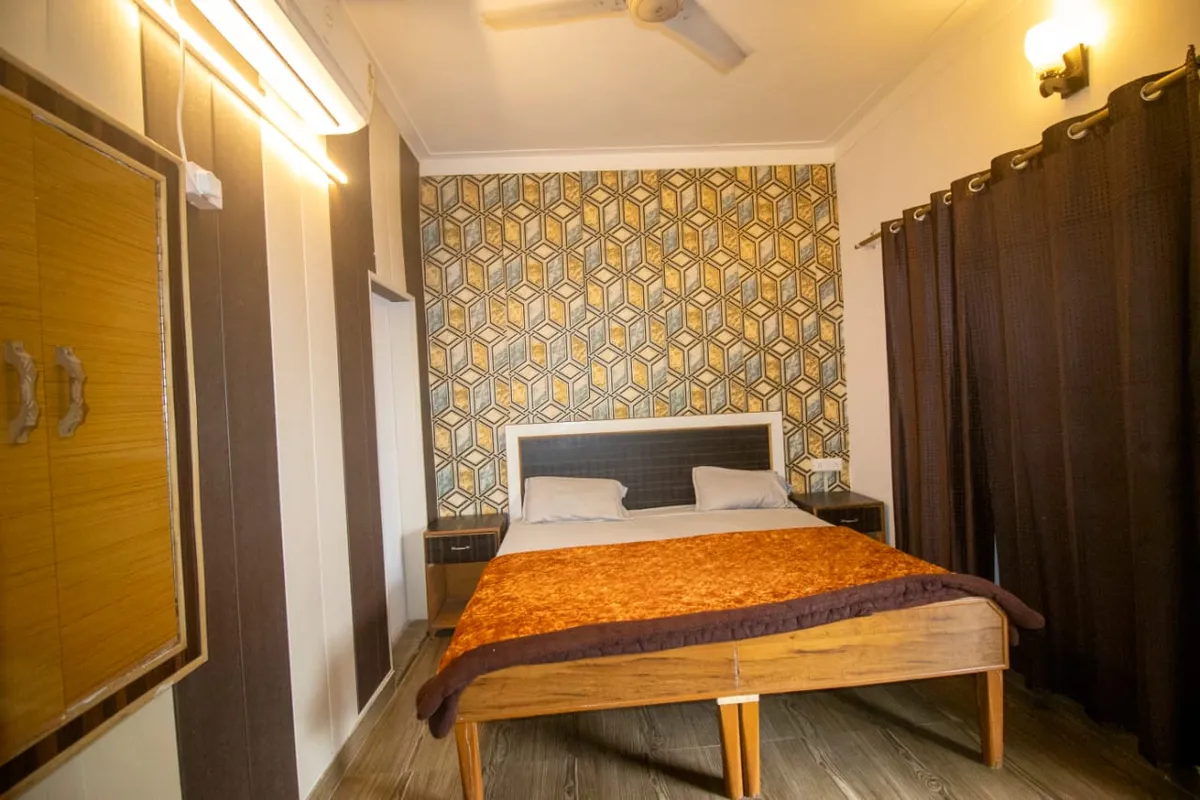
Private Room
Your own private room with a double bed, air-conditioning and attached bathroom for total quiet and rest.
Gardens & Outdoor Space
Green gardens, forest-view balconies and a bamboo hall for meditation, study and simply relaxing between classes.
What Is a Yoga Retreat — and Is It Right for You?

A yoga retreat is a dedicated period of time away from your normal routine, structured around daily yoga and meditation practice. Unlike a drop-in class at your local studio, a retreat removes the distractions of work, screens, and household obligations so that you can turn inward and let a practice settle deeply into your body and mind. Even three days is enough to experience this shift — studies on short mindfulness immersions consistently show measurable reductions in cortisol and improvements in mood after just 48 to 72 hours of intentional practice.
A 3-day retreat is particularly well suited to:
- •Complete beginners who want a safe, guided introduction to yoga and meditation before committing to a longer programme.
- •Busy professionals who cannot take a full week off but genuinely need a reset. A long weekend in Rishikesh can restore more energy than a conventional holiday of the same length.
- •Experienced practitioners looking for a short top-up between longer trainings, or a way to test a new school before enrolling in a 200-hour teacher training course.
- •Travellers passing through northern India who want a meaningful cultural experience rather than just another sightseeing stop.
- •Anyone recovering from burnout who needs structured rest and movement rather than passive lounging.
You do not need to be flexible, fit, or have any prior yoga experience. Our teachers meet each student exactly where they are, offering modifications for every posture so that the practice feels accessible regardless of your background.
The Rhythm of a Retreat Day
While every day carries its own energy, short yoga retreats in Rishikesh tend to follow a gentle, natural rhythm that mirrors the arc of daylight in the foothills of the Himalayas. This structure is not a rigid timetable but a living framework — flexible enough to breathe, consistent enough to let habits form.

Morning Practice
Mornings in Rishikesh begin early and quietly. The air is cool and still before the town stirs, making this the traditional time for yoga and pranayama. A morning session typically combines breath-work to awaken the nervous system, Hatha asana to warm and open the body, and a closing period of silent meditation. Practising before the mind fills with the day's concerns leaves a quality of clarity that carries through to the afternoon.
Midday Space
After the morning session and a nourishing sattvic breakfast, the middle of the day is typically left open for rest, journaling, walking along the Ganges, visiting nearby temples, or simply sitting in stillness. This unstructured time is not empty — it is where integration happens. Many students find that insights from the morning practice surface during quiet afternoons spent beside the river.
Afternoon Sessions
Afternoon classes tend to be softer in tone — restorative postures, philosophy discussions, or anatomy workshops depending on the day. This is often when teachers introduce the theoretical side of yoga: how the eight limbs relate to daily life, the role of the koshas (layers of the self), or the philosophy behind sattvic living. Theory taught in context, right after a morning of practice, lands very differently from reading about it at home.
Evening Wind-Down
As the Himalayan light softens, evenings close with meditation, yoga nidra, or kirtan (devotional chanting) — practices that draw the nervous system gently toward rest. The evening meal is light and early, in keeping with the ayurvedic principle that a rested digestive system supports deeper sleep. Nights at the retreat tend to be genuinely restorative: screen-free, cool, and quiet enough to hear the Ganges below.
Why Rishikesh Is a Special Place for a Short Retreat

Rishikesh sits at 356 metres above sea level at the point where the Ganges descends from the Himalayas onto the plains of northern India. The setting is extraordinary: forested ridgelines rising on both banks, the river running clear and swift, the air carrying pine resin and marigold smoke. Thousands of practitioners and seekers have been drawn here for over a century, and that accumulated intention is palpable in a way that is difficult to describe but easy to feel within a few hours of arrival.
Known internationally as the "Yoga Capital of the World," Rishikesh earned this title not through marketing but through lineage. The city is home to some of the oldest surviving ashrams in India, and the teachings practiced here trace back through living chains of guru and student to the foundational texts of Hatha and Raja yoga. Attending even a short retreat here connects you, however lightly, to that tradition.
From a practical standpoint, Rishikesh is also genuinely easy to reach from most Indian cities. Jolly Grant Airport in Dehradun is roughly 20 kilometres away, and overnight trains from Delhi arrive at Haridwar, just 24 kilometres downstream — meaning you can step off a train, travel for under an hour, and be sitting in morning practice before the rest of your friend group has finished their commute to the office.
The absence of motorised vehicles in the main areas near the Ganges means Rishikesh has a pedestrian quality unusual for an Indian town. There are no car horns echoing through the yoga hall, no exhaust fumes drifting through meditation. For a three-day escape, this matters enormously — it means you actually decompress rather than simply relocating your stress.
What to Bring to a 3-Day Yoga Retreat
Packing light is genuinely advisable for a short retreat. The less you carry, the less you have to manage, and the faster you settle into the rhythm of the place. Here is a practical guide:
Clothing
- ✓Two or three sets of comfortable, stretchy yoga clothes (leggings, shorts, or trackpants — whatever lets you move freely)
- ✓A light layer for early mornings — temperatures in Rishikesh can be noticeably cooler before sunrise, especially outside the peak summer months
- ✓Modest casual clothing for temple visits or walking in town — shoulders and knees covered is respectful and practically wise
- ✓Sandals or flip-flops you can slip on and off easily, as shoes come off frequently in yoga spaces and temples
Practice Essentials
- ✓A small notebook and pen — insights during meditation tend to evaporate quickly, and writing them down is a valuable retreat habit
- ✓A reusable water bottle — staying hydrated during practice is important, and Rishikesh tap water should be filtered or boiled
- ✓Sunscreen and insect repellent if you plan to spend time outdoors near the river in the evenings
- ✓Any personal medications you take regularly — pharmacies are available in town but it is easier not to need them
What to Leave Behind
The best thing you can leave behind is your laptop. A 3-day retreat is short enough that most professional obligations can genuinely wait. Partial digital detox — even just keeping your phone on silent and out of the yoga hall — dramatically increases what you get from the experience. Many guests also choose to leave alcohol and heavy non-vegetarian meals behind for the duration, not because of rigid rules but because a lighter diet genuinely supports the clarity that the practice aims to cultivate.
Retreat Moments & Student Stories
Real retreat days by the Ganga — tap to watch.
Ready for Your 3-Day Reset in Rishikesh?
Batches start the 1st of every month. From $100 all-inclusive — yoga, meditation, meals & stay.
どのコースが自分に合うかお迷いですか?
比較が簡単になりました。すべてのティーチャートレーニング、リトリート、クラスを1ページで並べて比較できます — 最新の開催日程、料金、お部屋のタイプまで。
- 開催月で絞り込む
- 予算で絞り込む
- お部屋のタイプで絞り込む
Related Courses & Guides
Explore more to plan your yoga journey with Swaastik Yog School.
Have Questions? Get in Touch!
Whether you're interested in our teacher training courses, retreats, or drop-in classes, we're here to help guide your yoga journey. Fill out the form or chat with us directly on WhatsApp.