Back to Blog
Wellness

What are the Different Types of Yoga Bandhas

· Updated
Share this post:
What are the Different Types of Yoga Bandhas

A clear introduction to the yoga bandhas — Mula, Uddiyana, Jalandhara and Maha Bandha — what each one does, and how to engage them safely.

Bandhas are the energy locks of yoga — subtle muscular engagements that direct breath and energy through the body. Used correctly, they make pranayama deeper, asana more stable and meditation more focused. This guide explains the four main bandhas — Mula, Uddiyana, Jalandhara and Maha Bandha — what each one does, and how to practise them safely. The practical guidance below is drawn from over a decade of training students at Swaastik Yog School in Rishikesh.

What are the Different Types of Yoga Bandhas

What are the different types of bandhas in yoga?

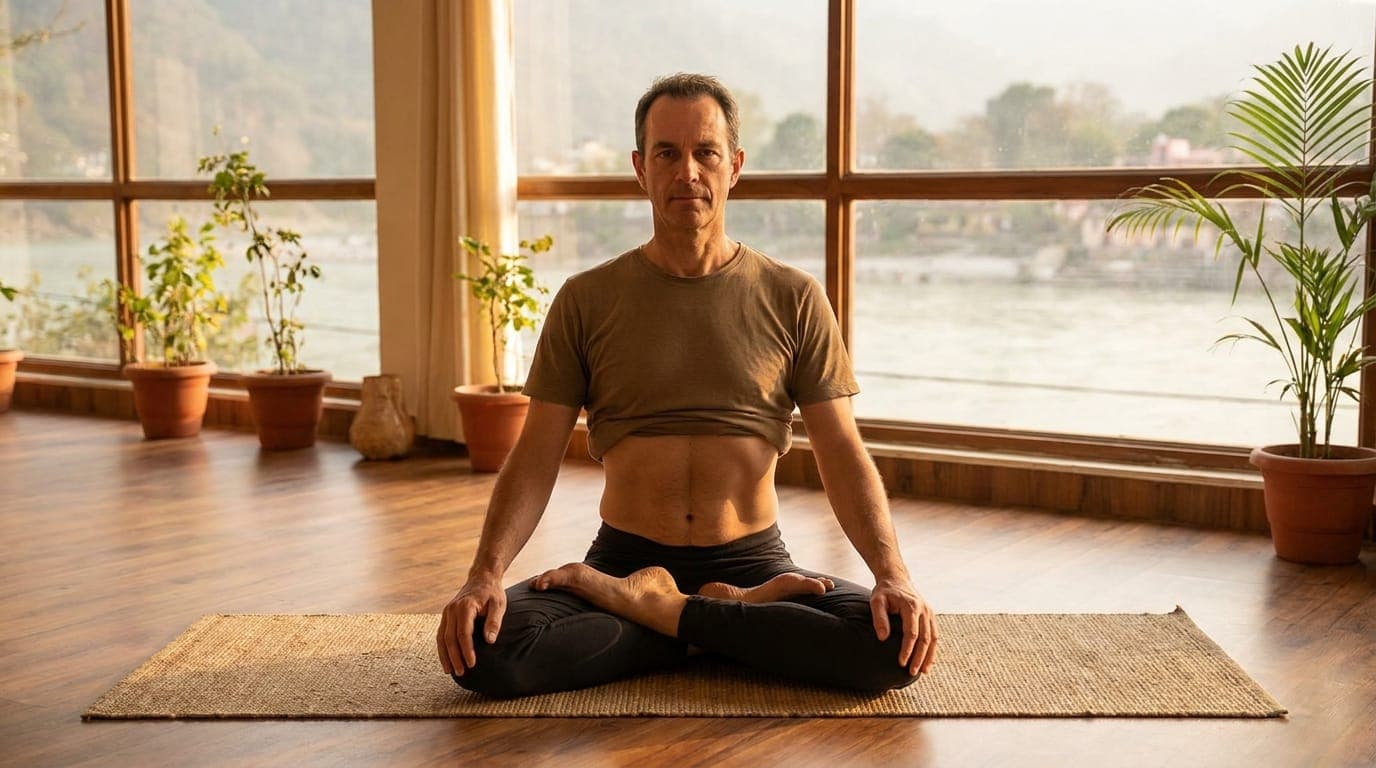
There are four main types of bandhas in yoga — internal "energy locks" created by consciously contracting specific muscles to direct prana (life force) through the body. Mula Bandha (the Root Lock, often spelled Mool Bandh) is engaged by lifting the pelvic floor and perineum upward. Uddiyana Bandha (the Abdominal Lock) draws the navel back and up toward the spine after a full exhale. Jalandhara Bandha (the Throat Lock) is formed by dropping the chin toward the chest while lengthening the neck. Maha Bandha (the Great Lock) combines all three simultaneously and is the most advanced. The first three are practised individually, usually held during breath retention (kumbhaka) in pranayama. Together the bandhas deepen breathing, stabilise asana, conserve and redirect energy, and prepare the mind for meditation. Beginners should learn Mula Bandha first under a qualified teacher and avoid practising the abdominal and throat locks during pregnancy or with uncontrolled high blood pressure. You can learn the bandhas in our 200 hour yoga teacher training in Rishikesh, where they are taught hands-on alongside pranayama, and refine the advanced locks in our 300 Hour Yoga Teacher Training.

The Four Bandhas Explained

1. Mula Bandha — the Root Lock (Mool Bandh)

Mool Bandh, or Mula Bandha, is the Root Lock at the base of the spine. To engage it, sit tall, exhale, and gently lift the muscles of the pelvic floor and perineum upward and inward — similar to a Kegel — then hold lightly while breathing. It grounds energy, supports the lower spine and pelvic floor, and is the foundation for every other bandha, which is why beginners learn it first.

2. Uddiyana Bandha — the Abdominal Lock

Uddiyana Bandha is created after a complete exhalation by drawing the navel and abdomen back and up toward the spine, hollowing the belly under the ribcage while the breath is held out. It massages the abdominal organs, builds core awareness, and stokes digestive fire. Practise it only on an empty stomach, and avoid it during pregnancy, menstruation, or with uncontrolled high blood pressure, heart conditions, glaucoma, or hernia.

3. Jalandhara Bandha — the Throat Lock

Jalandhara Bandha, the Throat Lock, is formed by lengthening the back of the neck and gently dropping the chin toward the chest, usually during breath retention. It regulates the flow of energy and breath through the throat and is the lock most often combined with the other two during seated pranayama.

4. Maha Bandha — the Great Lock

Maha Bandha, the Great Lock, combines Mula, Uddiyana, and Jalandhara Bandha simultaneously during breath retention. It is the most advanced of the locks and should only be attempted once each individual bandha is comfortable and steady, ideally under the guidance of an experienced teacher.

What is a bandh in yoga used for?

A bandh (bandha) is an energy lock used to contain and channel prana rather than let it dissipate. Practised during breath retention in pranayama, bandhas make the breath deeper, steady the posture, protect the spine and pelvic floor, build core awareness, and focus the mind for meditation and deeper kriya practice.

Going Deeper

If this resonates and you want to take the next step, our teacher training in Rishikesh covers all four bandhas in much greater depth, with senior Indian teachers and a small batch size. For shorter immersions, see our yoga retreats page.

Frequently Asked Questions

What is Mool Bandh (Mula Bandha) and how do you do it?

Mool Bandh, or Mula Bandha, is the Root Lock at the base of the spine. To engage it, sit tall, exhale, and gently lift the muscles of the pelvic floor and perineum upward and inward — similar to a Kegel — then hold lightly while breathing. It grounds energy and supports every other bandha.

Can beginners practise the bandhas safely?

Yes, but start with Mula Bandha alone under a qualified teacher before attempting Uddiyana, Jalandhara, or Maha Bandha. Practise on an empty stomach. Avoid Uddiyana and the breath-retention locks during pregnancy, menstruation, or with uncontrolled high blood pressure, heart conditions, glaucoma, or hernia.

Take the Next Step

Train with senior Indian teachers in Rishikesh, the world capital of yoga.

View Teacher Training See Retreats

Ready to Start Your Yoga Journey?

Join our Yoga Alliance certified teacher training in Rishikesh — or just ask us a question. We reply to every message personally.

About the Author

Rahul Badoni

Rahul Badoni

Co-Founder & Philosophy Teacher

RYT 500 · 12+ years teaching

Rahul Badoni teaches Yoga Philosophy, Ashtanga Yoga, Meditation at Swaastik Yog School in Rishikesh, sharing 12+ years of hands-on experience with students from around the world.

Related Articles

8 Yoga Poses for Anxiety and Stress Relief

8 Yoga Poses for Anxiety and Stress Relief

Combat anxiety and stress with these calming yoga poses. Learn breathing techniques and mindfulness practices for mental wellness.

Read More
10 Health Benefits of Meditation and How to Focus on Mindfulness

10 Health Benefits of Meditation and How to Focus on Mindfulness

Discover the top 10 health benefits of meditation and learn practical tips on how to focus on mindfulness for reduced stress and better mental health.

Read More
Bhastrika Pranayama: Benefits, Steps & Precautions

Bhastrika Pranayama: Benefits, Steps & Precautions

Boost your energy and respiratory health with Bhastrika Pranayama (Bellows Breath). Step-by-step instructions and therapeutic benefits explained.

Read More

Have Questions? Get in Touch!

Whether you're interested in our teacher training courses, retreats, or drop-in classes, we're here to help guide your yoga journey. Fill out the form or chat with us directly on WhatsApp.

We reply within 24 hours · 4.9★ from 127 students