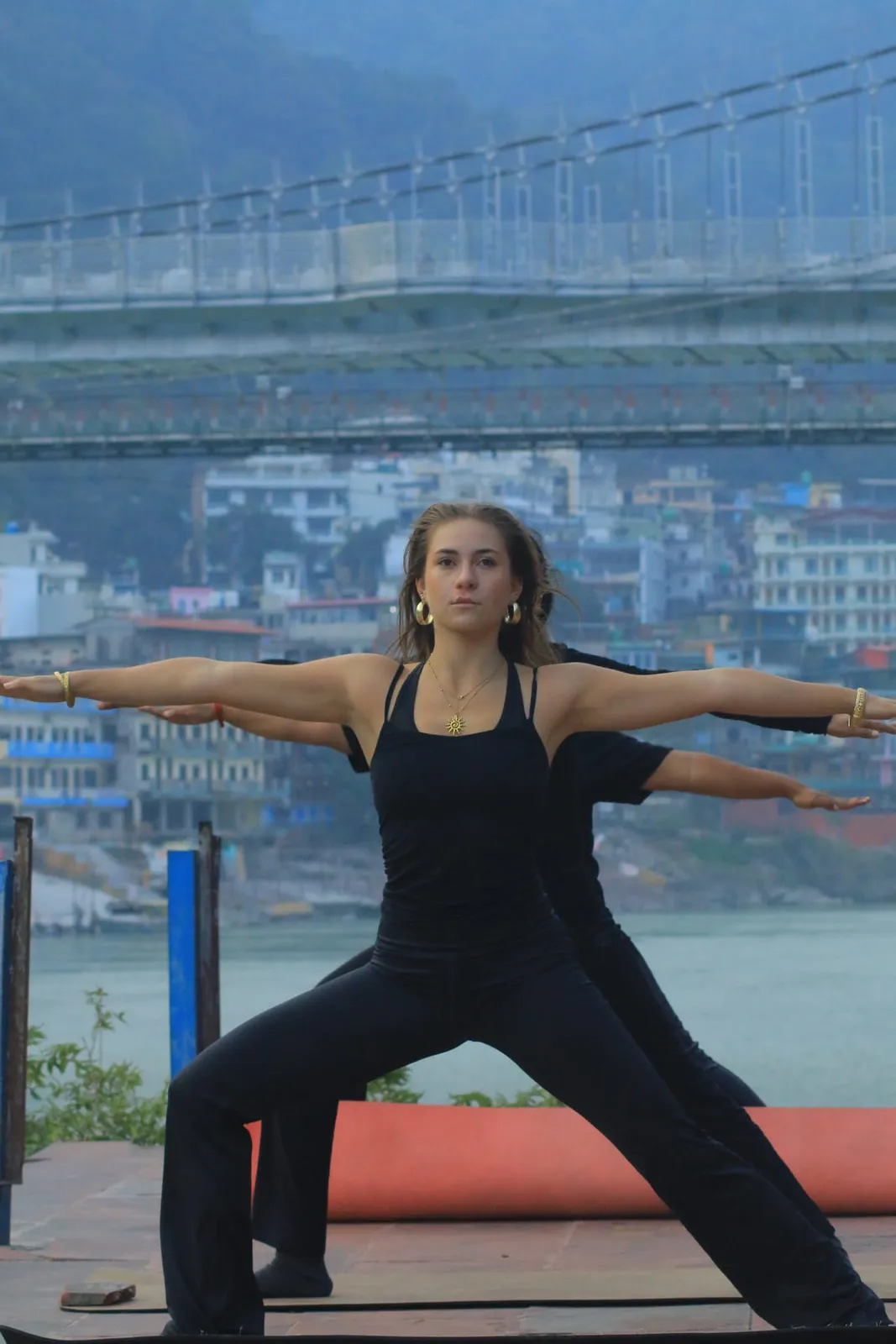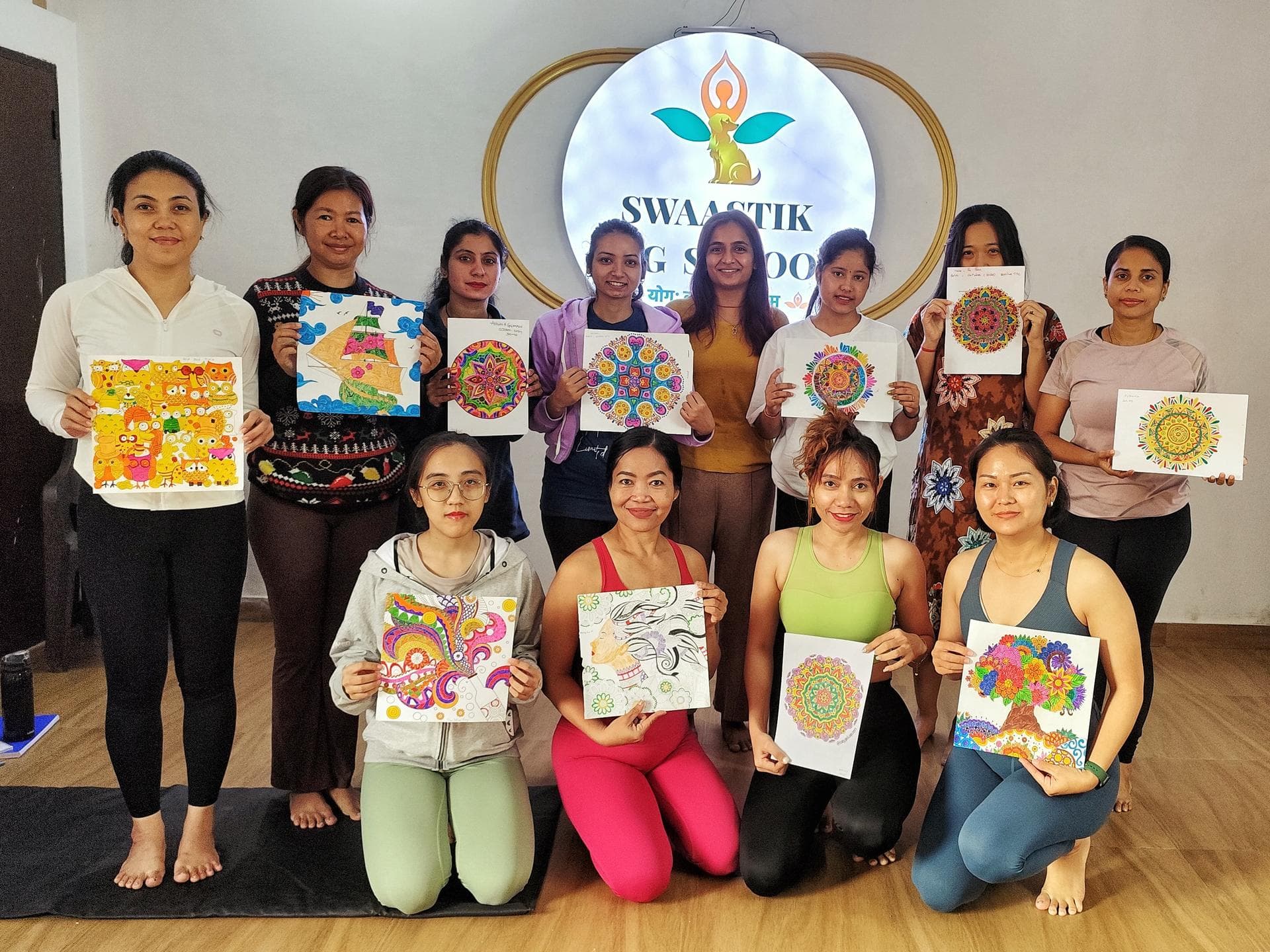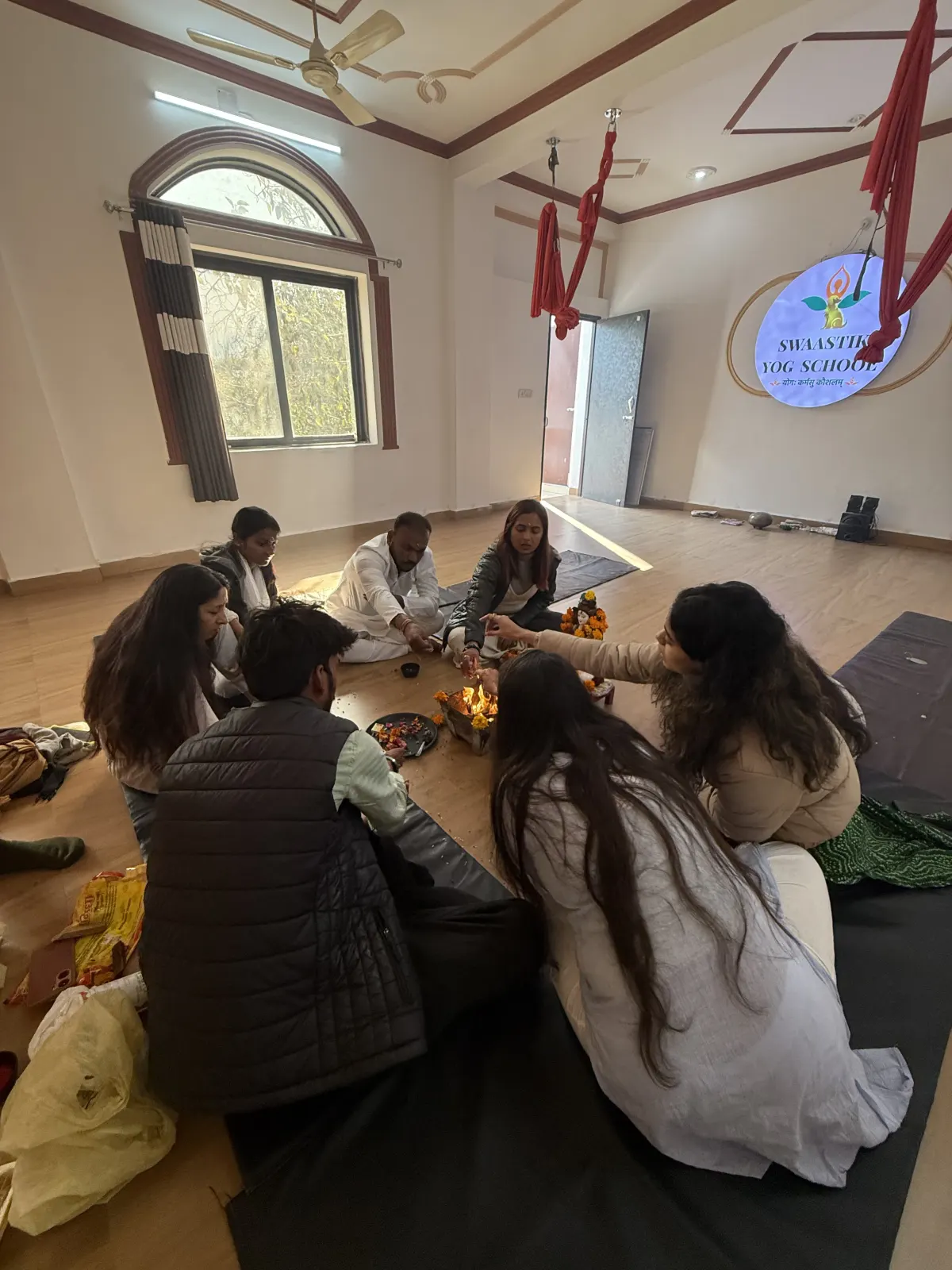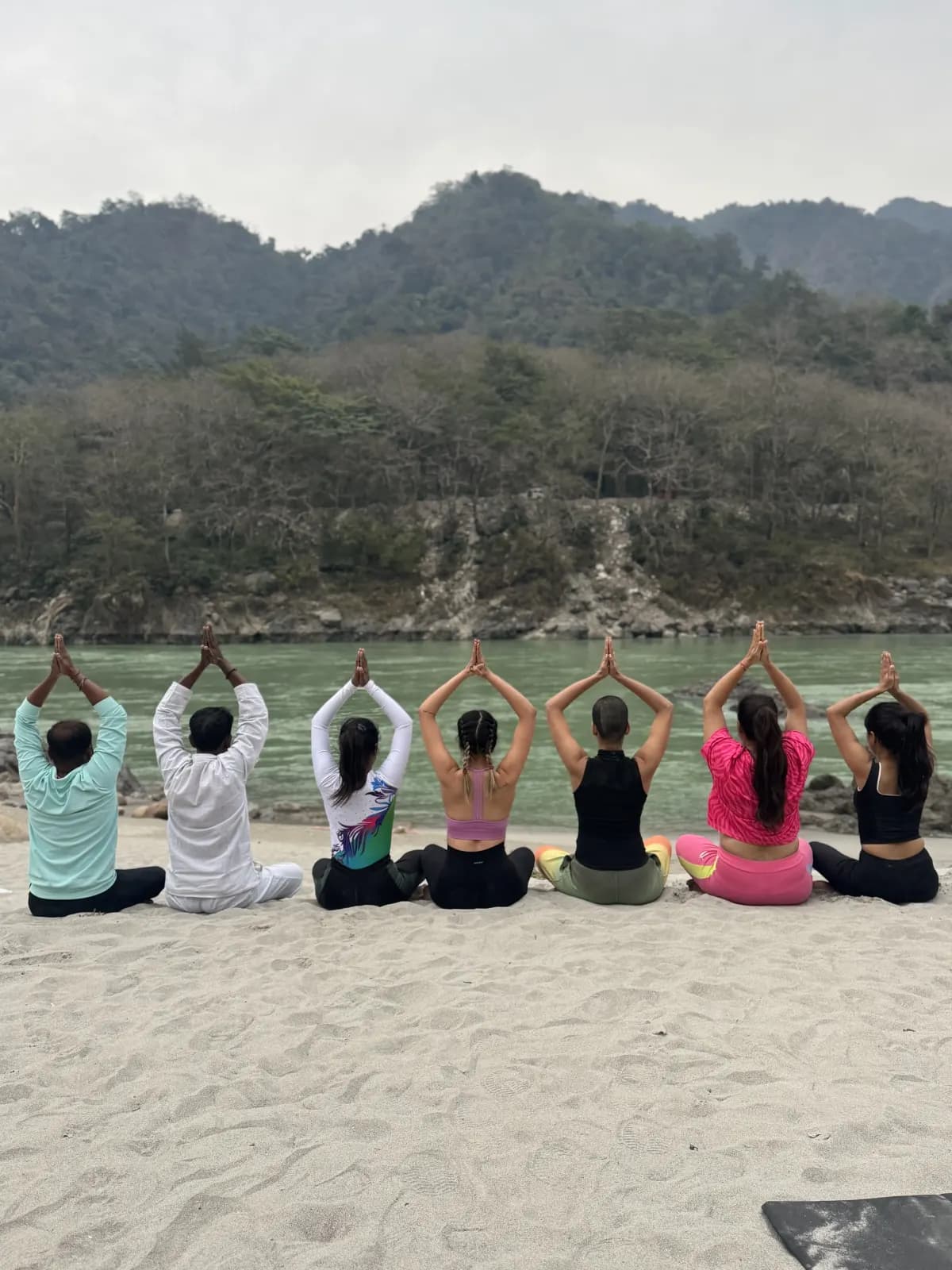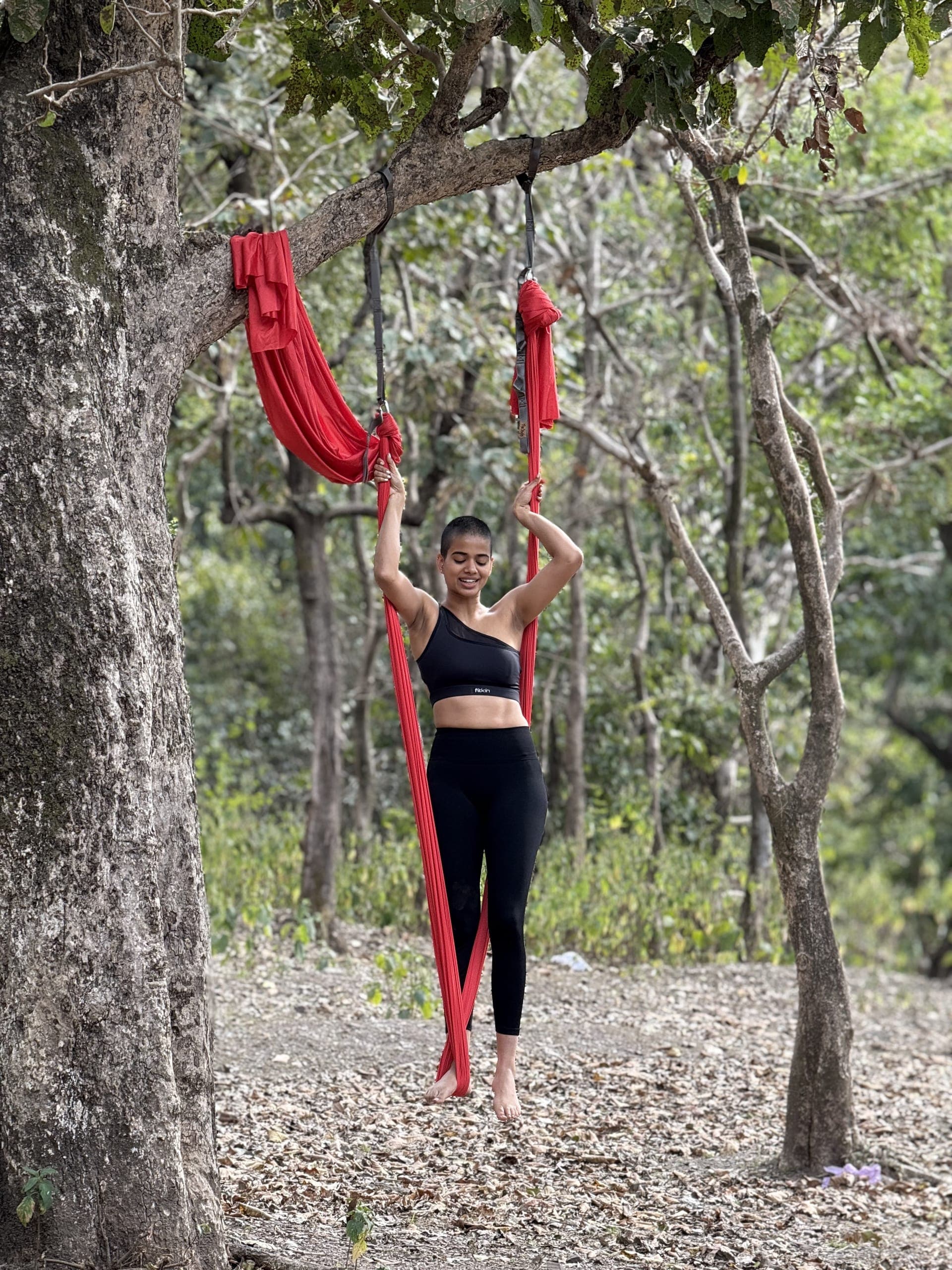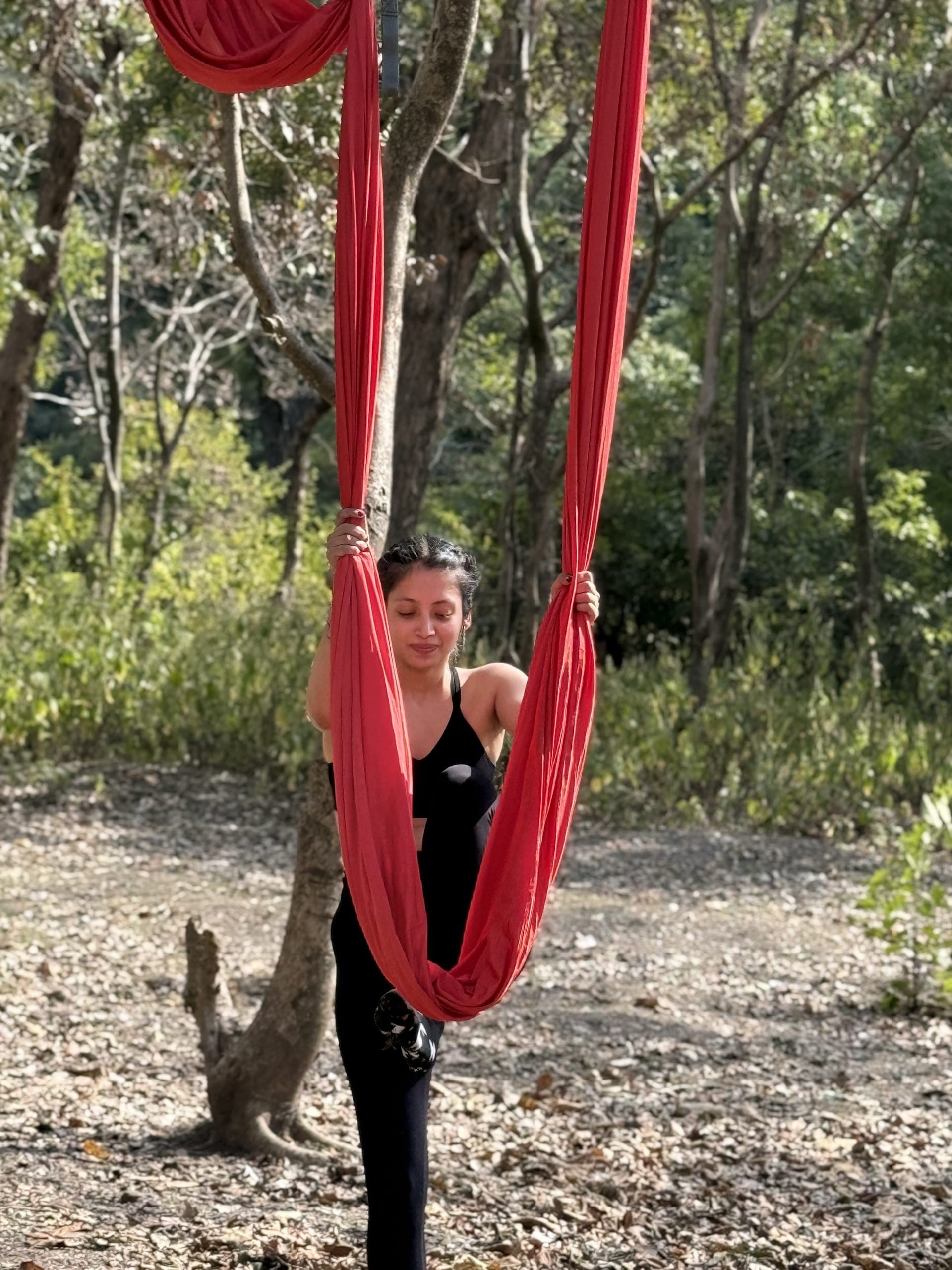
There is no place on earth quite like Rishikesh for yoga in Rishikesh. Tucked into the foothills of the Himalayas where the sacred Ganges River flows from the mountains into the plains, this small city in Uttarakhand has been drawing spiritual seekers for centuries. Today, it holds the official title of Yoga Capital of the World, and for good reason. Whether you are a complete beginner curious about your first downward dog or an advanced practitioner seeking deeper study, this complete guide covers everything you need to know about experiencing yoga in Rishikesh.
At Swaastik Yog School, we have been welcoming students to Rishikesh for years, and we have seen firsthand how this city transforms people. This guide draws on that experience to give you an honest, practical overview of the yoga scene here.
Rishikesh: The Yoga Capital of the World
Rishikesh earned its reputation as the global center of yoga in Rishikesh through a combination of ancient spiritual heritage and modern accessibility. The city has been mentioned in Hindu scriptures for millennia as a place of meditation and penance. Sages and saints have practiced along these riverbanks since long before the concept of a yoga studio existed.
A Brief History of Yoga in Rishikesh
Rishikesh's modern yoga history gained international attention in 1968 when The Beatles visited Maharishi Mahesh Yogi's ashram near Laxman Jhula. That single event put Rishikesh on the global map for Western seekers. But the city's yoga tradition stretches back far further. Swami Sivananda established the Divine Life Society here in 1936, and his disciple Swami Vishnudevananda spread the teachings worldwide. The Parmarth Niketan ashram, founded in 1942, remains one of the largest and most active ashrams in Rishikesh today.
In the decades since, Rishikesh has evolved from a handful of traditional ashrams into a thriving ecosystem of yoga schools, teacher training centers, meditation retreats, and wellness spaces. The Indian government officially declared it the Yoga Capital of the World, and it serves as the primary venue for the International Yoga Festival held every March.
Why Yoga in Rishikesh Feels Different
Many students tell us that practicing yoga in Rishikesh feels fundamentally different from practicing in a studio back home. There are tangible reasons for this. The Himalayan setting creates a natural sense of elevation and perspective. The sound of the Ganges provides a constant, soothing backdrop. The air is cleaner and cooler than the Indian plains. And the concentration of practitioners, teachers, and spiritual seekers creates an energy that is difficult to describe but impossible to miss.
There is also the cultural context. In Rishikesh, yoga is not a fitness trend. It is a living tradition practiced by locals alongside international visitors. Temple bells ring at dawn and dusk. Sadhus meditate on the riverbanks. The evening Ganga Aarti ceremony at Triveni Ghat or Parmarth Niketan is a daily reminder that you are in a place where the spiritual and the everyday are inseparable.
Types of Yoga Available in Rishikesh
One of the greatest strengths of the yoga in Rishikesh scene is the sheer variety of styles and traditions available. Whatever your interest, you will find qualified teachers here.
Hatha Yoga
The foundational style emphasizing physical postures (asanas) and breath control (pranayama). Hatha classes in Rishikesh tend to be more traditional and slower-paced than what you might find in Western studios, with greater emphasis on alignment, holding poses, and internal awareness. Most teacher training programs in Rishikesh include substantial Hatha Yoga instruction.
Ashtanga Vinyasa Yoga
The rigorous, physically demanding system codified by Pattabhi Jois. Rishikesh has several dedicated Ashtanga shalas offering Mysore-style self-practice and led primary series classes. Early morning Ashtanga sessions starting at 5:30 or 6:00 AM are a Rishikesh tradition.
Vinyasa Flow
Dynamic, breath-synchronized movement sequences that vary from class to class. Vinyasa is the most popular style among international visitors. Many schools in Tapovan and Laxman Jhula offer daily Vinyasa flow classes at multiple levels.
Iyengar Yoga
Precision-focused yoga emphasizing correct alignment through detailed instruction and the use of props. While Pune is the traditional center of Iyengar yoga, Rishikesh has several qualified Iyengar teachers and studios.
Kundalini Yoga
A spiritual and energetic practice involving kriyas (specific sequences), mantras, meditation, and breathwork. Kundalini classes in Rishikesh often incorporate traditional elements that have been diluted in Western adaptations.
Yin Yoga and Restorative Yoga
Slower, meditative practices that hold poses for extended periods to target deep connective tissue and promote relaxation. These complement the more physically demanding styles and are widely available in Rishikesh, especially in the evening time slots.
Meditation and Pranayama
Beyond asana practice, Rishikesh offers exceptional meditation and breathwork instruction. Vipassana centers, guided meditation sessions at ashrams, and dedicated pranayama classes are available throughout the city. Many practitioners find that the Rishikesh environment makes meditation significantly easier and deeper.
Top Areas for Yoga in Rishikesh
Rishikesh is not a single uniform destination. Different neighborhoods offer distinctly different experiences.
Tapovan
Tapovan is the heart of the modern yoga scene in Rishikesh. Located on the eastern bank of the Ganges, upstream from Laxman Jhula, this area has the highest concentration of yoga schools, cafes, and accommodation options catering to yoga students. The neighborhood is walkable, relatively quiet, and offers stunning views of the Ganges and surrounding hills. Swaastik Yog School is based here, and we chose Tapovan specifically for its peaceful atmosphere combined with practical convenience.
Tapovan is ideal for students enrolling in teacher training programs or extended courses. The community of fellow practitioners creates a supportive social environment, and everything you need is within walking distance.
Laxman Jhula and Ram Jhula
These two iconic suspension bridges and their surrounding areas represent the more traditional and touristic side of Rishikesh. The Laxman Jhula area (note: the original bridge was closed for safety in 2020, but a new bridge has been built nearby) has several established ashrams, temples, and yoga schools. The Beatles Ashram (Maharishi Mahesh Yogi's former ashram) is a popular tourist attraction here. Ram Jhula is slightly less touristy and home to major ashrams like Parmarth Niketan and Swami Dayananda Ashram.
Rishikesh Town (Muni Ki Reti)
The main town area is more commercial and less focused on yoga. However, it offers better shopping, banking facilities, and transport connections. Some established ashrams and yoga centers are located here, and it provides a more authentic Indian small-town experience.
Neelkanth Road and Upper Tapovan
For those seeking maximum peace and natural immersion, the areas further up the hillside offer quieter settings with forest surroundings. Some retreat centers here provide an almost hermitage-like experience, though they require more effort to reach and have fewer amenities nearby.
When to Visit Rishikesh for Yoga
Timing matters when planning your yoga in Rishikesh experience. The city experiences distinct seasons that significantly affect your practice and comfort.
Peak Season: October to March
This is the most popular time for yoga in Rishikesh. The weather is pleasant, with daytime temperatures between 15 and 28 degrees Celsius. October and November offer warm days with clear skies. December through February can be quite cold, especially in the mornings and evenings, with temperatures dropping to 5 to 10 degrees. Most teacher training programs run during this period, and the yoga community is at its most vibrant.
Shoulder Season: September and April
September marks the end of the monsoon, with occasional rain but rapidly improving conditions. April brings warmer temperatures that are still comfortable. Both months offer fewer crowds and better prices, making them excellent choices for budget-conscious travelers.
Monsoon Season: July to August
The monsoon brings heavy rains, and the Ganges swells dramatically. Many schools reduce operations or close during this period. While some adventurous practitioners appreciate the dramatic atmosphere, the monsoon is generally not recommended for first-time visitors.
Summer: May to June
Temperatures can reach 35 to 40 degrees Celsius, which makes vigorous physical practice uncomfortable. However, Rishikesh is cooler than the Indian plains, and some schools offer discounted programs during this quieter period.
What to Expect: Daily Life as a Yoga Student in Rishikesh
A typical day for a yoga student in Rishikesh follows a rhythm that quickly becomes addictive.
- 5:30 - 6:00 AM: Wake up. Many practitioners start with personal meditation or a walk along the Ganges.
- 6:30 - 8:00 AM: Morning yoga class (often Ashtanga, Hatha, or pranayama)
- 8:00 - 9:00 AM: Breakfast at your school or a nearby cafe
- 9:30 - 11:30 AM: Second session (alignment class, anatomy lecture, or philosophy)
- 12:00 - 1:00 PM: Lunch
- 1:00 - 3:00 PM: Rest, self-study, or exploration
- 3:30 - 5:30 PM: Afternoon session (Vinyasa flow, teaching methodology, or workshops)
- 6:00 - 7:00 PM: Evening meditation or Ganga Aarti
- 7:00 - 8:00 PM: Dinner
- 9:00 - 10:00 PM: Lights out (early nights are the norm)
Drop-In Classes vs. Structured Courses in Rishikesh
You have two main options for practicing yoga in Rishikesh: casual drop-in classes or structured multi-week courses.
Drop-In Classes
Most yoga schools in Tapovan and around Laxman Jhula offer drop-in classes ranging from INR 300 to INR 800 per session. This is perfect if you want to sample different styles and teachers, maintain a flexible schedule, or supplement another activity like trekking or Ayurvedic treatment. Drop-in classes are available in Hatha, Vinyasa, Ashtanga, Yin, meditation, and pranayama throughout the day.
Teacher Training Courses
If you are ready for a deep dive, a 200-hour teacher training course is the most transformative way to experience yoga in Rishikesh. These residential programs provide structured daily schedules, progressive curriculum, personal mentoring, and a community of fellow students. Even if you do not plan to teach professionally, a TTC will deepen your personal practice immeasurably.
Retreats
For those seeking transformation without the intensity of teacher training, yoga retreats in Rishikesh offer a middle path. Retreats typically last 3 to 14 days and combine yoga practice with meditation, Ayurveda, sightseeing, and relaxation. They are structured enough to provide direction but flexible enough to allow personal space.
Practical Tips for Your Yoga Journey in Rishikesh
Getting There
The nearest airport is Jolly Grant Airport in Dehradun, about 35 kilometers from Rishikesh. Taxis from the airport cost INR 800 to 1,200. Alternatively, you can fly into Delhi and take a bus (6 to 7 hours), train to Haridwar (5 hours followed by a 30-minute taxi), or hire a private car.
Accommodation
Options range from basic ashram dormitories (INR 300 to 500 per night) to comfortable guesthouses (INR 800 to 2,000 per night) to boutique hotels (INR 2,500 to 8,000 per night). If you are enrolling in a teacher training program, accommodation is typically included in the course fee.
Food
Rishikesh is a vegetarian and alcohol-free city by law, reflecting its sacred status. The food scene is excellent, with dozens of cafes serving healthy, international-influenced vegetarian cuisine alongside traditional Indian thalis. Budget meals cost INR 100 to 200, while cafe meals run INR 200 to 500.
What to Bring
- Comfortable yoga clothing (layers for morning and evening)
- A light shawl or blanket for meditation
- Reusable water bottle with filter
- Sunscreen and insect repellent
- A journal for reflection and note-taking
- Basic medicines and a first-aid kit
Experience Yoga in Rishikesh with Swaastik Yog School
Whether you come for a single drop-in class or a complete teacher training program, yoga in Rishikesh has the power to change your life. The combination of ancient tradition, natural beauty, qualified teachers, and global community creates an experience that simply cannot be replicated elsewhere.
At Swaastik Yog School in Tapovan, we offer daily drop-in classes, comprehensive teacher training courses, and immersive yoga retreats designed to meet you wherever you are on your yoga journey. Our experienced teachers, comfortable facilities, and prime Tapovan location make us a trusted choice for students from around the world.
Ready to experience the Yoga Capital of the World for yourself? Contact us to plan your visit and find the perfect program for your goals.