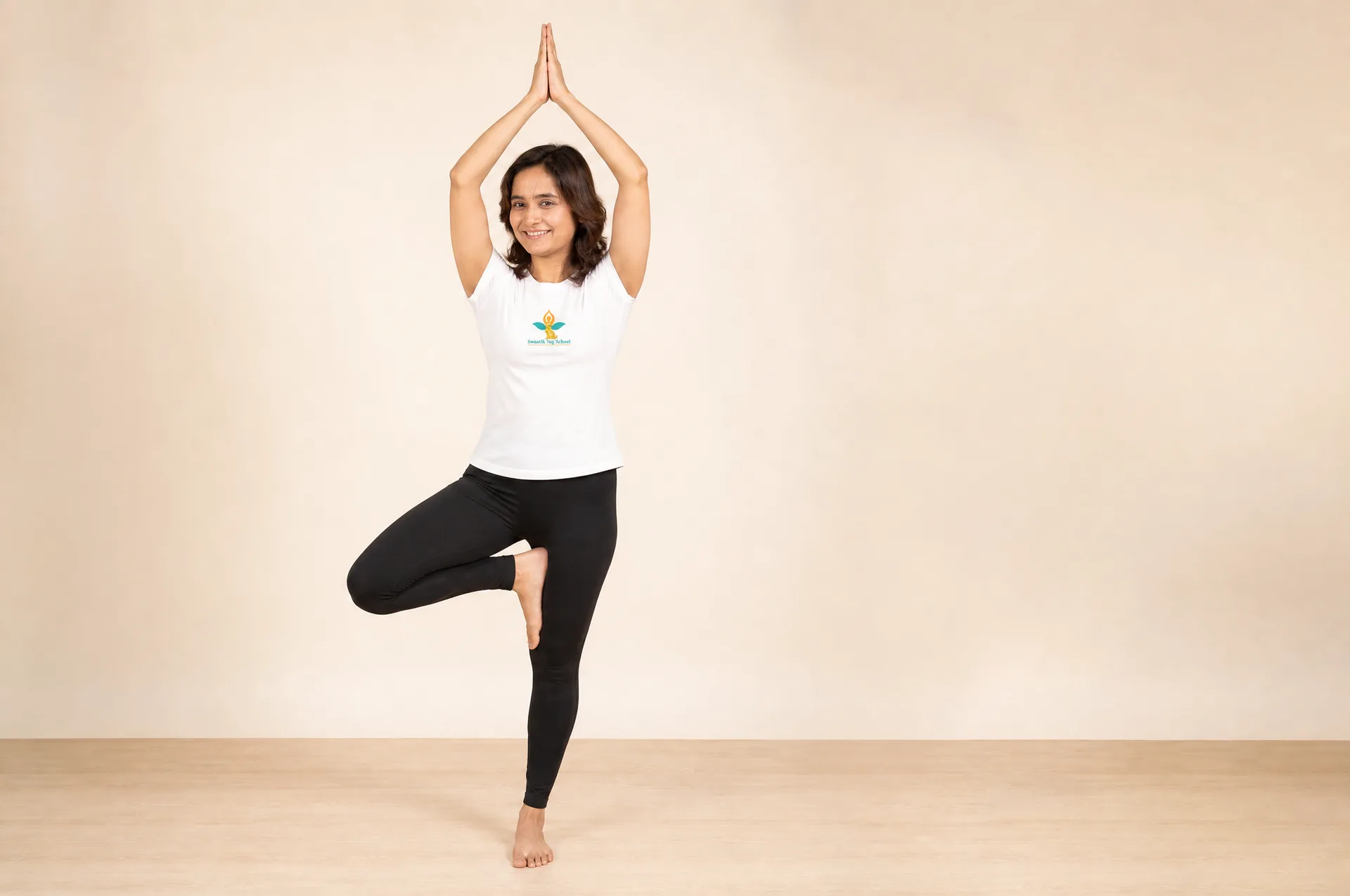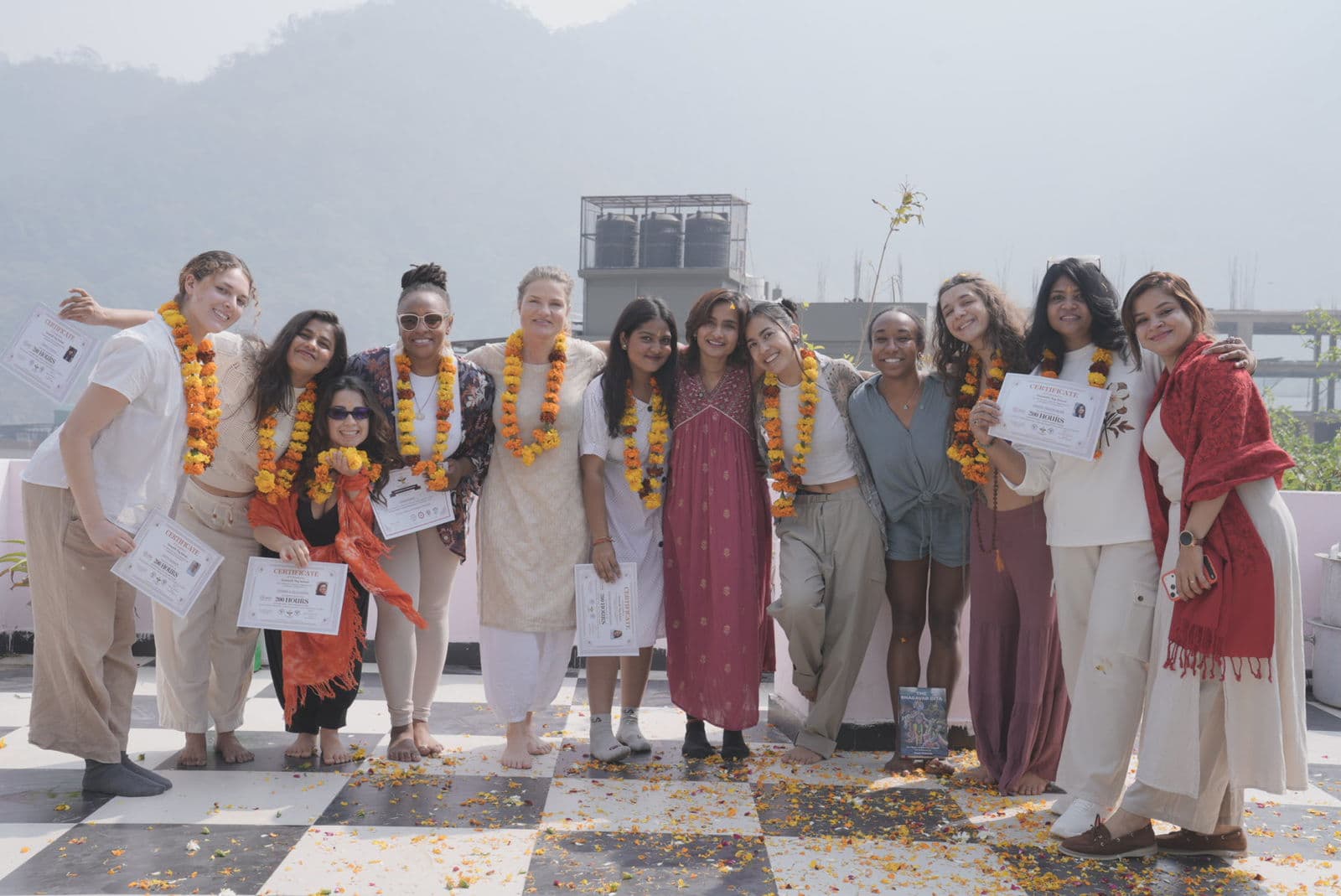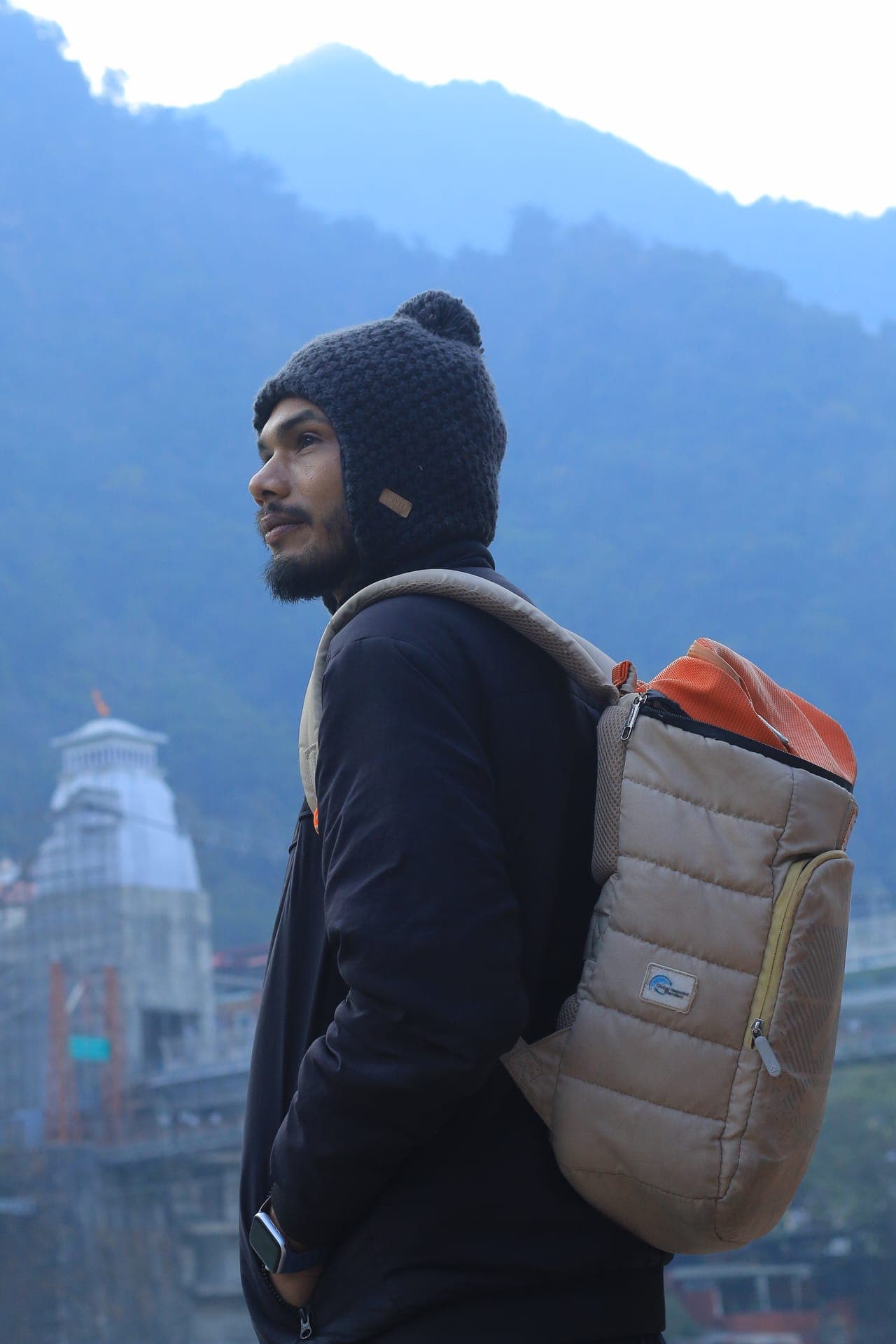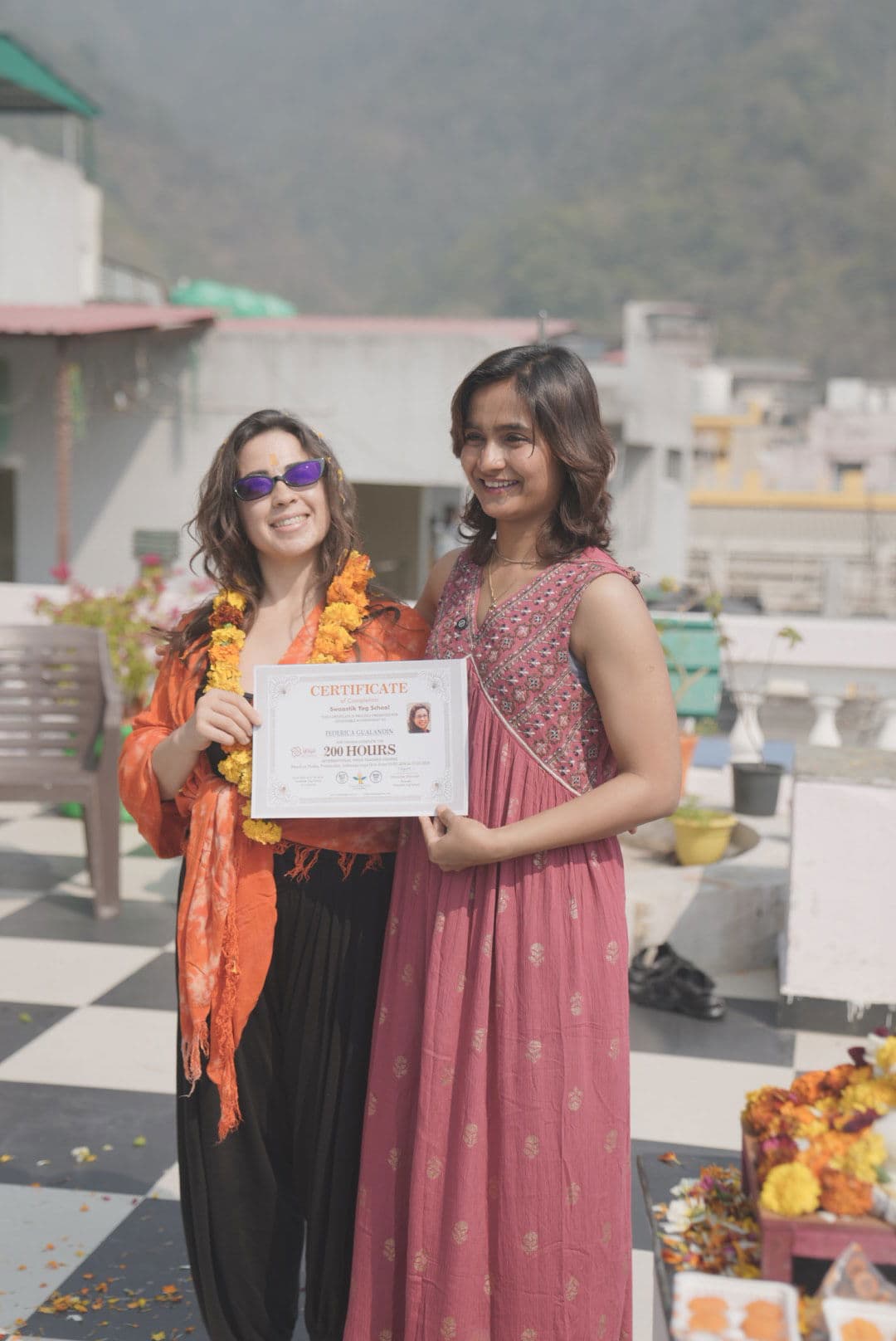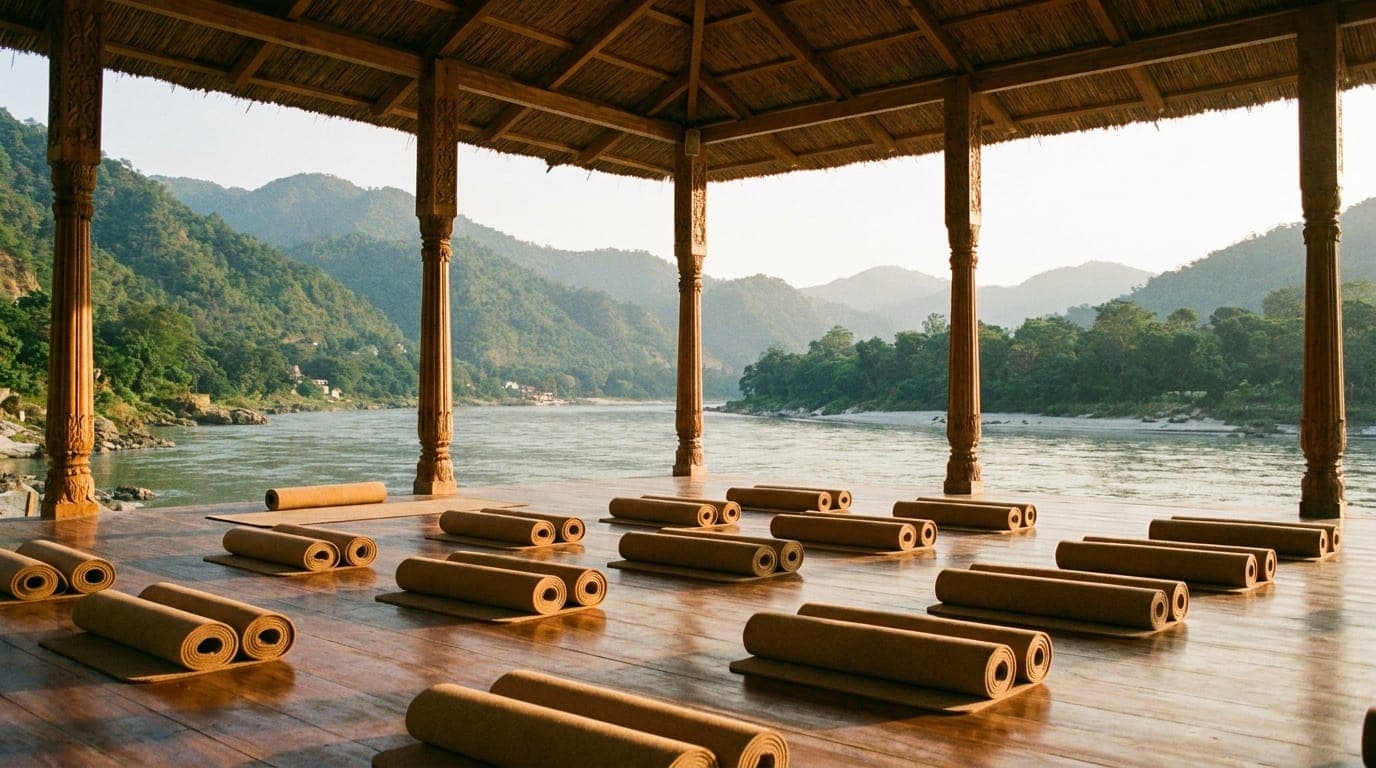
Rishikesh has more than two hundred yoga schools, and choosing one is harder than ever. After spending months helping students compare options, reading hundreds of reviews, and visiting other schools as observers, we have put together this honest, fair comparison of the best yoga schools in Rishikesh in 2026. We will not pretend there are no other good schools — there are several. We will tell you what each one does well, where they fall short, and how to choose between them based on your goals, budget, and learning style. We have included our own school, Swaastik Yog School, on this list because we believe in our training. But we have ranked transparently and tried to be fair to our peers. Read this whole article and make an informed decision.
How We Chose the Schools on This List
Our criteria for inclusion on this list are objective and verifiable. To be considered, a school in Rishikesh must:
- Be a registered Yoga Alliance Registered Yoga School (RYS) at the 200, 300, or 500 hour level
- Have at least 4.5 stars across both Google reviews and one major aggregator (BookYogaRetreats, TripAdvisor, or similar)
- Be in continuous operation for at least three years
- Have lead teachers with verifiable E-RYT 500 credentials and at least seven years of teaching experience
- Offer all-inclusive residential pricing rather than nickel-and-dime course fees
- Be located in Tapovan, Laxman Jhula, or Ram Jhula (the recognized yoga districts of Rishikesh)
Schools that meet these criteria are listed below in our recommended order. The ranking reflects our overall view of quality versus value for international students seeking authentic, traditional yoga education.
1. Swaastik Yog School
Best for: Students seeking traditional Hatha and Ashtanga Vinyasa training with strong philosophy grounding, at exceptional value.
Location: Tapovan, Rishikesh (with a second location in Dharamkot, Himachal Pradesh)
Programs: 100, 200, 300, and 500-hour TTC, online TTC, Aerial Yoga TTC, Sound Healing course, and 3/5/7-day retreats
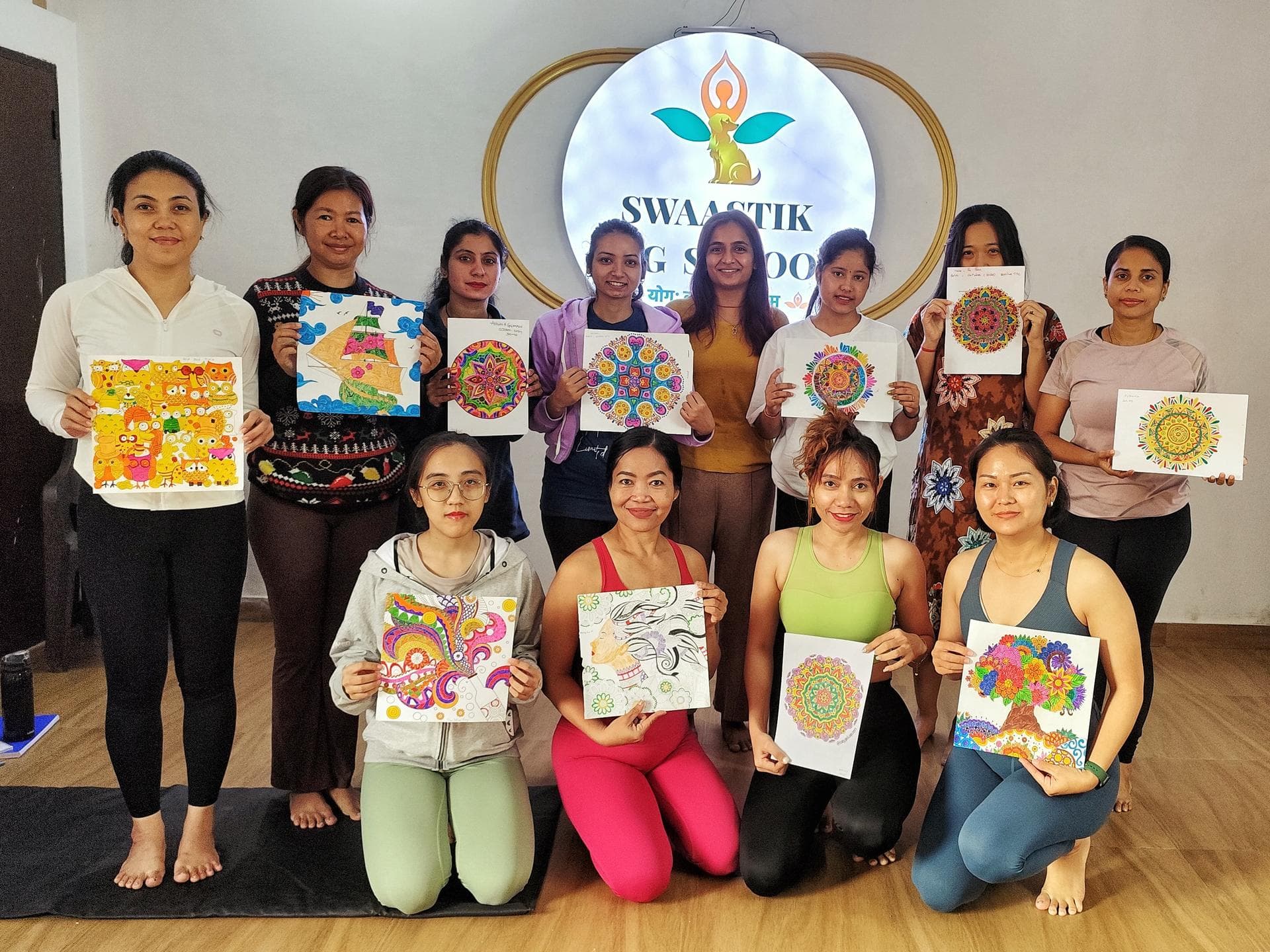
Strengths: Founded by Mayuri Shewale (E-RYT 500, lead Hatha teacher) and Rahul Badoni (Senior teacher and Ashtanga Vinyasa specialist with deep grounding in yoga philosophy), Swaastik Yog School offers one of the best balances of traditional teaching, modern facilities, and affordable pricing in Rishikesh. Class sizes are kept small (15 to 20 students) so every student receives personalized adjustments and individual feedback. The curriculum covers all eight limbs of yoga, with strong emphasis on alignment, anatomy, pranayama, meditation, and the philosophical foundations from Patanjali, Bhagavad Gita, and Hatha Yoga Pradipika. Two batch start dates per month (5th and 15th) make it easy to fit a TTC into your travel schedule. Includes accommodation, three sattvic meals daily, course materials, excursions, and a Yoga Alliance certificate in the listed price.
Considerations: Tapovan location is quieter and more residential than Laxman Jhula, which appeals to most serious students but feels less buzzing for those who want a busy yoga-tourist neighborhood.
Pricing (200hr): $400 (dorm), $800 (shared), $1000 (private). Among the most affordable on this list while delivering top-tier instruction.
Visit: swaastikyogschool.com | Compare all our courses
2. Arogya Yoga School
Best for: Students who want a larger, more institutional school with a wide range of styles available.
Location: Tapovan, Rishikesh
Strengths: Arogya is one of the more established schools in Rishikesh, having operated for over a decade. They offer a wide curriculum spanning multiple yoga styles and have a substantial body of online reviews. Their facilities are well-developed and suitable for students who appreciate a more structured, school-like environment. Their YouTube channel is active and provides a useful preview of teaching style.
Considerations: Class sizes can be larger than at smaller schools, which means less one-on-one attention. Teaching consistency varies depending on which faculty member you draw for any particular course.
Pricing (200hr): Starts around $799 for shared rooms.
3. Yog Kulam
Best for: Students seeking budget-friendly training with traditional teaching methods.
Location: Tapovan, Rishikesh
Strengths: Yog Kulam has built a reputation for delivering solid traditional training at competitive prices. They have a strong focus on meditation and pranayama alongside asana practice. The teachers come from traditional Indian backgrounds, which supports the authenticity of teaching.
Considerations: Accommodation quality has been described in some reviews as basic. Best suited for budget-conscious students who prioritize teaching quality over comfort.
Pricing (200hr): Starts around $649 for shared rooms.
4. Rishikul Yogshala
Best for: Students seeking a traditional Indian ashram-style experience with strong philosophical grounding.
Location: Tapovan, Rishikesh
Strengths: Rishikul has been operating since 2010 and is one of the more recognized brands in international yoga. They emphasize traditional teaching with strong attention to philosophy, ayurveda integration, and ceremonial practices. Their alumni network is substantial.
Considerations: Pricing is significantly higher than smaller schools — you are paying for the brand and the facilities. The institutional feel may not appeal to students seeking a more intimate experience.
Pricing (200hr): Starts around $1,499.
5. Sattva Yoga Academy
Best for: Students looking for a contemporary, premium experience in a luxurious setting.
Location: Outside central Rishikesh in a more remote location
Strengths: Sattva offers a premium, retreat-resort experience with high-end accommodation, gourmet sattvic meals, and modern facilities. Their curriculum integrates traditional yoga with contemporary wellness practices, ayurveda, and lifestyle coaching. Suitable for students who want luxury alongside their training.
Considerations: The premium positioning is reflected in pricing — significantly higher than most Rishikesh schools. The remote location means less integration with the broader yoga community of Rishikesh and fewer opportunities to experience the Ganga aarti or local ashrams informally.
Pricing (200hr): Starts around $3,500+.
6. Akshi Yogashala
Best for: Students who want a small, intimate school with a tight-knit community.
Location: Tapovan, Rishikesh
Strengths: Akshi has cultivated a reputation for small cohorts (often 10 to 12 students) and personalized attention. The teaching is grounded in classical Hatha and they have strong reviews from students who value an intimate community feel.
Considerations: Course schedule offerings are less frequent than larger schools — fewer batch dates per year. Booking ahead is important.
Pricing (200hr): Starts around $1,200.
7. Tattvaa Yogashala
Best for: Advanced students focused on traditional Ashtanga in the Mysore lineage.
Location: Laxman Jhula, Rishikesh
Strengths: Tattvaa is one of the most respected schools for serious Ashtanga practitioners. Their Mysore-style classes are run with discipline and high standards. The teaching lineage is solid.
Considerations: Not beginner-friendly. Ashtanga at Tattvaa assumes existing practice. Beginners should look elsewhere or start with Hatha first.
Pricing (200hr): Starts around $1,400.
How to Choose the Right School for You
The school list above is genuinely comparable in foundational quality. The difference between them comes down to fit. Here is a decision framework to help you choose.
If your priority is value with strong traditional teaching
Choose Swaastik Yog School, Yog Kulam, or Arogya. All three offer excellent training at prices that respect the realities of an international student's budget. We obviously recommend our own school but will be transparent: any of these three is a defensible choice if you do your due diligence on reviews.
If you want luxury and contemporary integration
Sattva is the obvious choice. You will pay significantly more, but the experience matches the price.
If you are an advanced practitioner focused on Ashtanga
Tattvaa Yogashala is a respected choice. Otherwise the broader curricula at Swaastik or Rishikul will serve you better.
If you want a small, intimate cohort
Akshi Yogashala or Swaastik Yog School. We cap our cohorts at 15 to 20 students; Akshi often goes smaller. Both prioritize one-on-one feedback.
If you want institutional brand recognition
Rishikul or Sattva have the largest international brand presence. Whether the brand premium is worth it for you depends on your priorities.
Red Flags to Watch Out For
Whichever school you choose, be cautious of these warning signs. They appear at schools across Rishikesh and are a sign of cutting corners.
- No verifiable Yoga Alliance RYS registration. Always check the Yoga Alliance directory directly. A school cannot issue a Yoga Alliance certificate if it is not RYS registered.
- Lead teachers with unverifiable credentials. Real E-RYT 500 status is a public record on the Yoga Alliance directory. If a teacher's biography is vague about their training, that is a warning.
- Hidden fees beyond the listed price. Confirm in writing what is included: accommodation, all meals, course materials, excursions, certificate. Some schools advertise low headline prices and add fees later.
- No address or fake reviews. A real school has a verifiable address, photographs of the actual building, and a consistent review history over multiple years. Recent five-star bursts often indicate paid review campaigns.
- Class sizes above 25 students. Teacher training requires individualized adjustment. Cohorts larger than 25 cannot deliver this consistently.
- Pressure to pay full upfront before you can ask questions. Reputable schools accept a deposit and answer your questions.
What Actually Matters in Yoga Teacher Training
Beyond the school you choose, your experience depends on what you bring to the training. The following factors matter more than the brand or even the price tag.
Your readiness
Doing teacher training because you love yoga is far better than doing it because you want to escape your job. Students who arrive with a genuine practice and clear intentions consistently report deeper transformation than those who arrive looking for a vacation. If you have never held a daily practice, do that first for two or three months before booking a YTT.
Your willingness to surrender to the schedule
Residential teacher training has a rhythm that does not negotiate with your preferences. Early mornings, sattvic vegetarian food, hours of practice and lecture, rest in the afternoon, more practice, evening meditation, lights out by 10 PM. Surrendering to this rhythm is the practice itself. Students who fight it have a harder time.
Your engagement with the philosophy
The asana practice in any teacher training is just one limb of yoga. The lectures on Patanjali, the Bhagavad Gita, and the Hatha Yoga Pradipika are where the depth lies. Engage with the philosophy, not just the postures, and you will leave with something far richer than a certificate.
Your relationship to your fellow students
Most students leave teacher training with a network of yoga friends from around the world. This community can become a lifelong support system, a source of teaching opportunities, and a foundation for future collaborations. Show up to community meals, share your story, listen to theirs.
Frequently Asked Questions
How much does a yoga teacher training in Rishikesh actually cost in 2026?
Including a 200-hour TTC, accommodation, all meals, materials, and excursions, expect to pay between $400 (budget options like our school) and $3,500 (premium options like Sattva). Mid-range options run $700 to $1,500. Outside the course fee, budget another $300 to $600 for visa, vaccinations, optional excursions, and personal spending. Flights from international destinations are extra and depend on your origin city.
How long should I stay in Rishikesh?
For a 200-hour TTC, plan 24 to 28 days for the course itself, plus an optional 3 to 5 days before or after for sightseeing and recovery. Many students arrive a few days early to acclimate, and stay a few days after to integrate before flying home.
Is Rishikesh safe for solo female travelers?
Yes, Tapovan and Laxman Jhula are widely considered safe for solo female travelers, particularly during the day and within yoga school grounds. Standard precautions for traveling in India apply: dress modestly, avoid walking alone late at night, and stick to well-known restaurants and cafés. The yoga community in Rishikesh is welcoming and supportive of female solo travelers.
Can I do yoga teacher training without prior experience?
Yes for the 100-hour and 200-hour levels. The 200-hour TTC is designed for beginners and intermediate practitioners. The 300-hour requires an existing 200-hour certification.
Will my certificate be recognized internationally?
Yes, if the school is Yoga Alliance Registered (RYS). Yoga Alliance is the largest international registry, and an RYT-200 certificate from a registered school is recognized in studios across the United States, United Kingdom, Europe, Australia, and most of Asia.
Final Thoughts
Choosing a yoga teacher training school in Rishikesh is one of the most personal decisions you will make on your yoga journey. Whichever school you choose from this list, do your due diligence: read recent reviews, ask the school for references from past students, confirm what is included in the price, and ensure the lead teachers are verifiably credentialed.
If you choose to train with us at Swaastik Yog School, we will give you the same attention, traditional grounding, and lifelong community we give every student. We are happy to answer any questions before you commit. Reach out via our contact form, message us on WhatsApp, or simply compare our courses side by side.
Whichever path you take, know that the transformation Rishikesh offers is real. The Ganges has been carrying yogis on this journey for thousands of years. You are next.