If you have ever browsed a yoga studio schedule, you have likely seen both Hatha and Vinyasa on the timetable and wondered which one to pick. Understanding the difference between hatha and vinyasa yoga is one of the most common questions we hear from new students arriving at Swaastik Yog School in Rishikesh. Both styles offer profound physical and mental benefits, yet they approach the practice in distinctly different ways. In this comprehensive guide, we break down origins, pace, breathing patterns, physical demands, and ideal practitioners so you can choose the path that resonates with your body and goals.
Origins and History: Where Hatha and Vinyasa Yoga Come From
Every modern yoga style traces its roots to the ancient traditions codified in texts like the Hatha Yoga Pradipika, the Yoga Sutras of Patanjali, and the Bhagavad Gita. Yet the way these teachings evolved into what we practice today differs significantly between Hatha and Vinyasa.
Hatha Yoga: The Foundation of All Physical Yoga
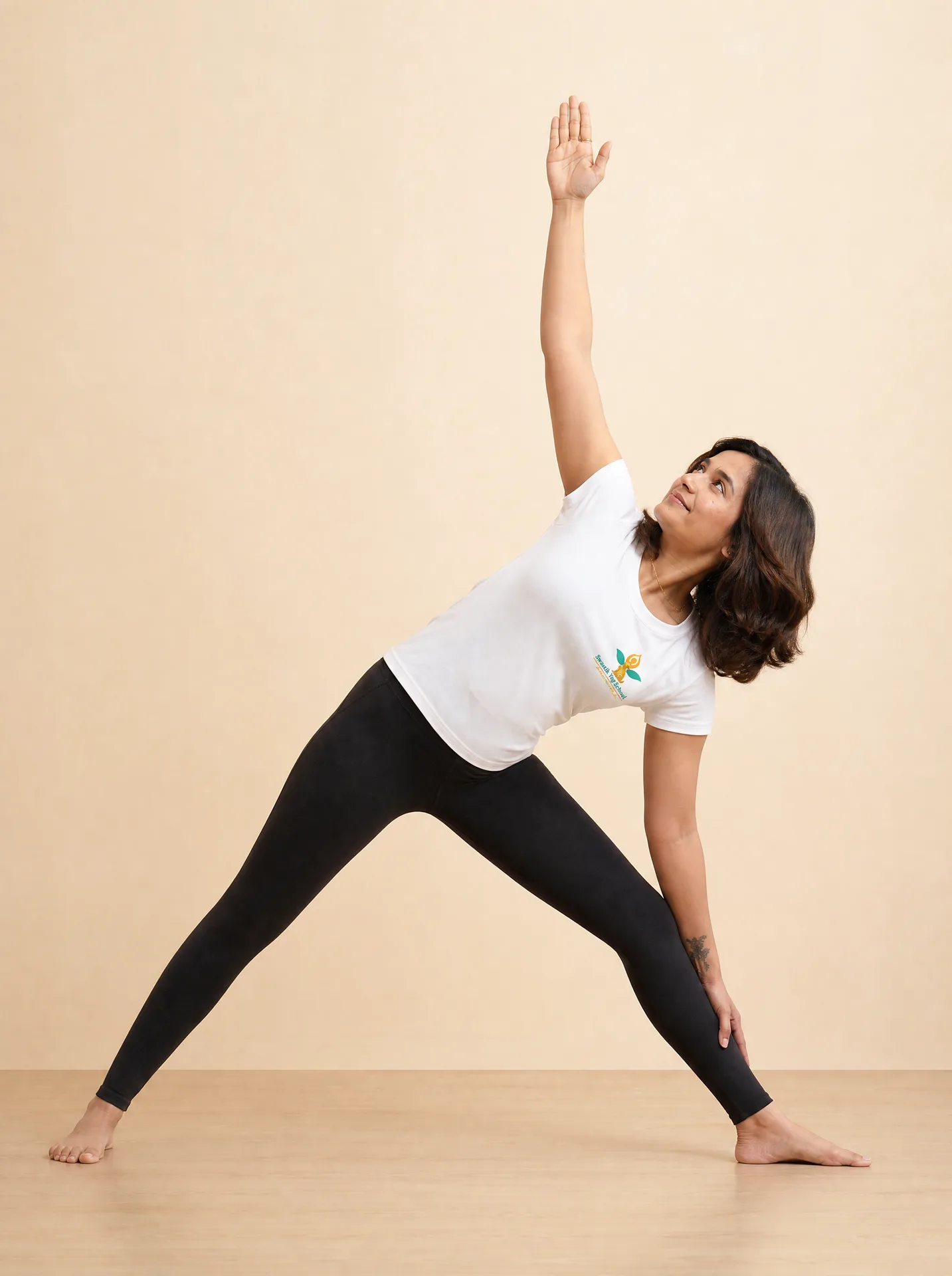
The word Hatha is derived from two Sanskrit roots: "Ha" meaning sun and "Tha" meaning moon. Hatha yoga is about balancing these opposing energies within the body. The Hatha Yoga Pradipika, written by Swami Swatmarama in the 15th century, is the classical reference text. Hatha is considered the parent of all physical yoga styles and emphasizes holding postures (asanas) for extended periods, pranayama (breath control), and internal cleansing techniques (shatkarma). Here in Rishikesh, the birthplace of yoga, Hatha remains the most widely taught traditional style, and you can feel its roots in every ashram from Tapovan to Ram Jhula.
Vinyasa Yoga: The Flowing Evolution
Vinyasa evolved primarily from the Ashtanga tradition popularized by Sri K. Pattabhi Jois in Mysore. The word "Vinyasa" means "to place in a special way," referring to the intentional sequencing of postures linked by breath. Unlike the fixed sequences of Ashtanga, Vinyasa classes allow teachers creative freedom to design flows. This style gained enormous popularity in the West during the late 20th century and is now one of the most practiced forms globally. At our school overlooking the Ganges, Vinyasa classes draw students who crave movement and rhythm in their practice.
Pace and Structure: The Core Difference Between Hatha and Vinyasa Yoga
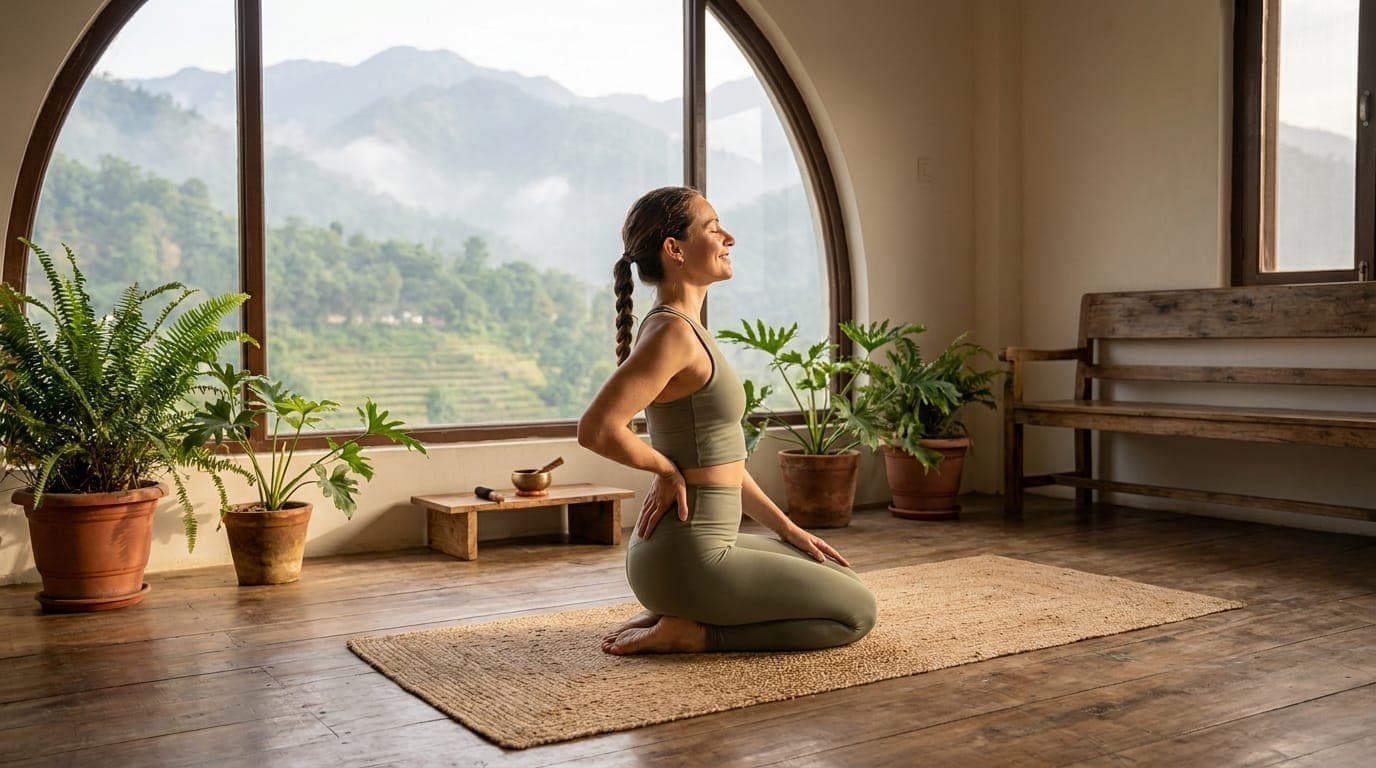
The most immediately noticeable difference between hatha and vinyasa yoga is the pace. Walk into a Hatha class and you will spend significant time in each posture, often holding for 30 seconds to several minutes. The teacher guides you into the pose, offers alignment cues, and gives you space to breathe and explore the sensation. There are pauses between postures for rest and integration.
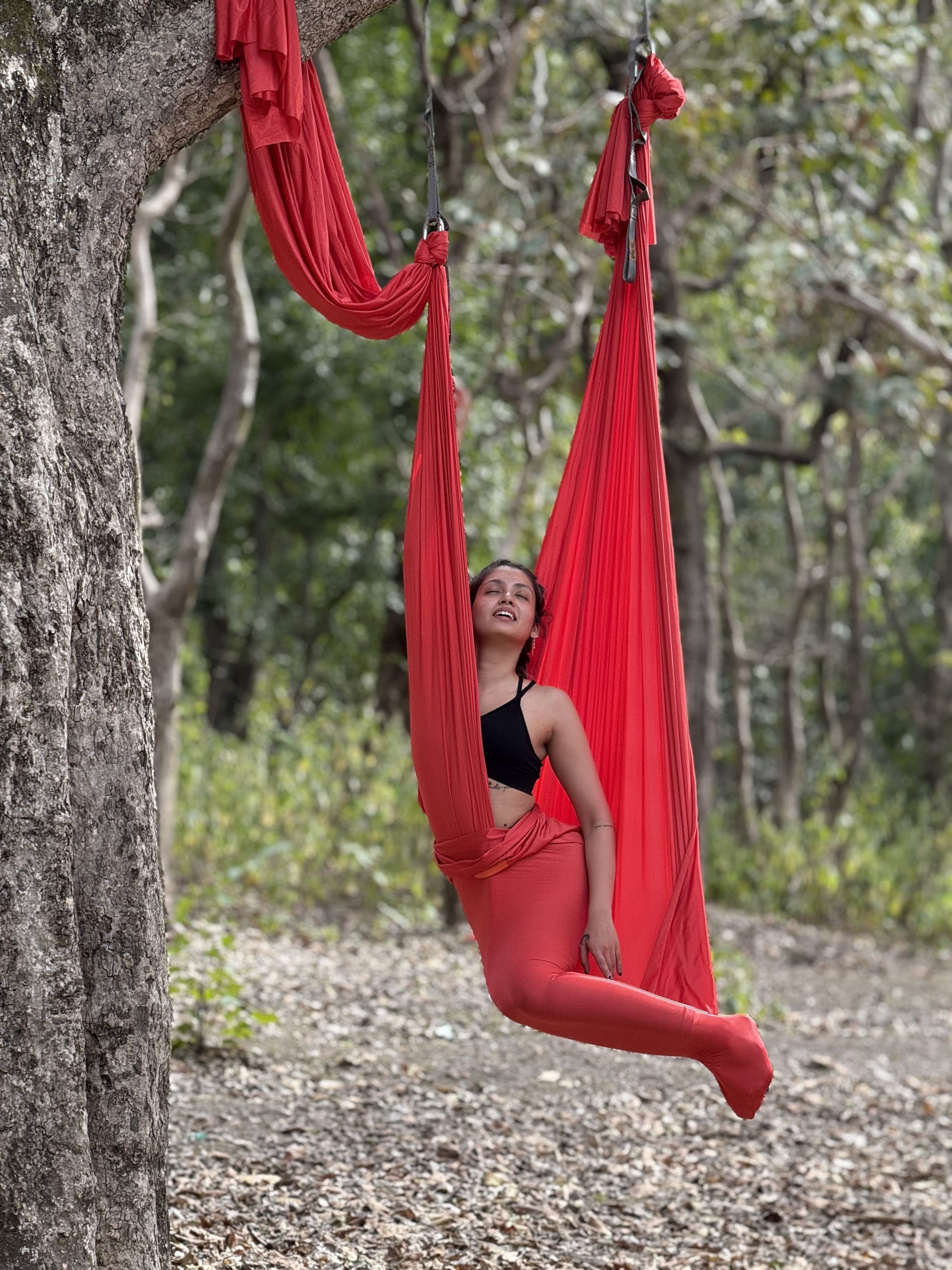
A Vinyasa class, by contrast, flows continuously. Postures are linked together in sequences where every movement corresponds to an inhale or exhale. There is rarely a moment of stillness. A typical Vinyasa class might move through 50 or more postures in 60 minutes, whereas a Hatha class might focus on 15 to 20 poses in the same timeframe.
Class Structure Comparison
- Hatha: Opening meditation or pranayama, warm-up, standing poses, seated poses, backbends, inversions, Savasana. Each pose held 30 seconds to 3 minutes.
- Vinyasa: Opening centering breath, Sun Salutations as warm-up, standing flow sequences, balancing poses, floor sequences, cool-down, Savasana. Continuous movement with breath synchronization.
Breathing Techniques: Pranayama in Both Styles
Breath is central to all yoga, but the way it is utilized differs between these two styles. In Hatha yoga, pranayama is practiced as a separate discipline. You might spend 15 to 20 minutes at the start or end of class doing Nadi Shodhana (alternate nostril breathing), Kapalabhati (skull-shining breath), or Bhastrika (bellows breath). The goal is to purify the energy channels and prepare the mind for meditation.
In Vinyasa, the breath is woven directly into movement. You will primarily use Ujjayi pranayama, a slow, audible ocean-sounding breath that creates internal heat and maintains focus. Each movement is initiated by either an inhale or exhale, creating a moving meditation. While standalone pranayama is less common in Vinyasa, the constant breath awareness develops extraordinary lung capacity and concentration.
Physical Demands and Fitness Benefits
Hatha Yoga: Strength Through Stillness
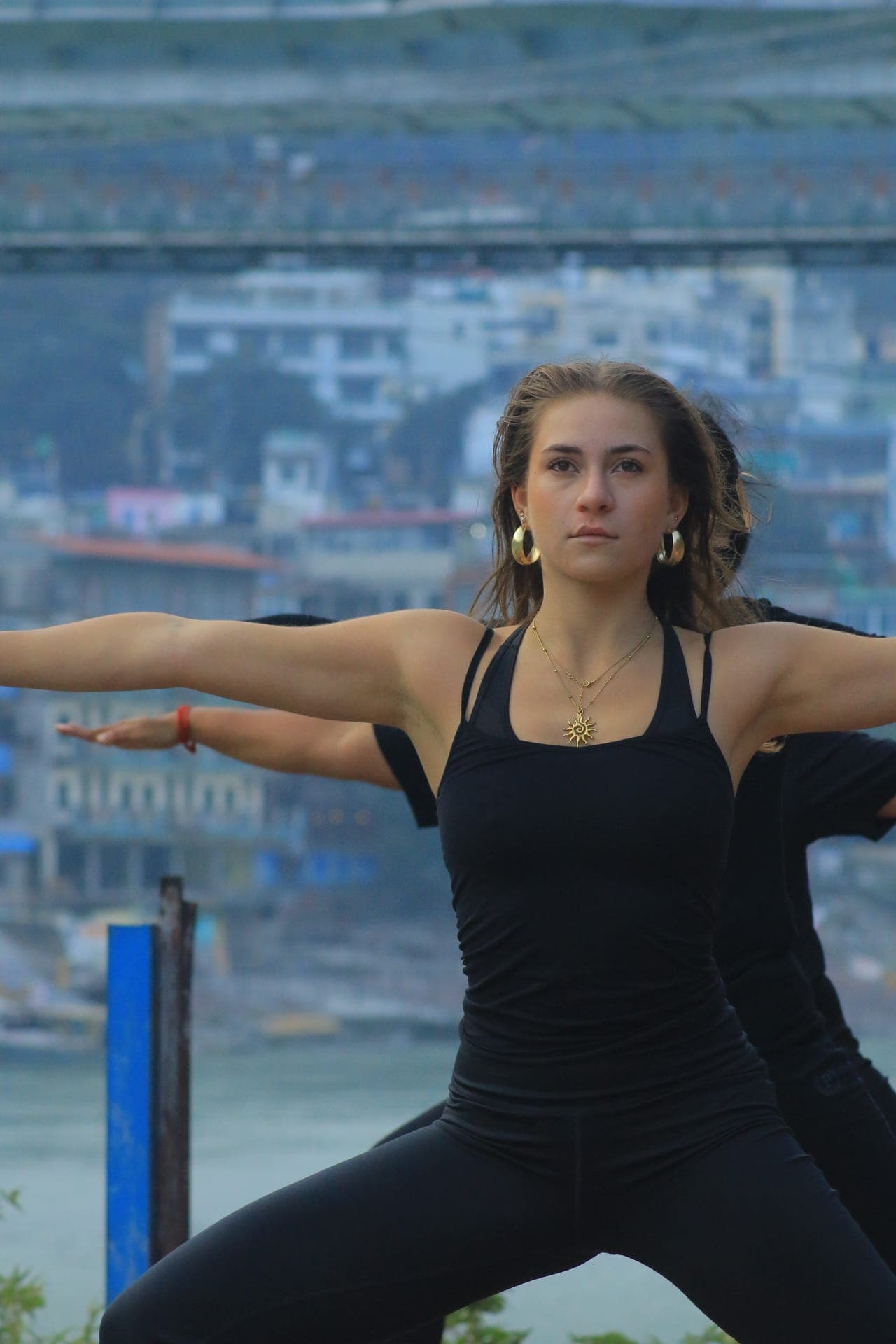
Do not mistake the slower pace of Hatha for easiness. Holding Warrior II for two full minutes while maintaining perfect alignment demands tremendous muscular endurance. Hatha builds isometric strength, deep flexibility, and joint stability. Because you hold poses longer, the connective tissues (ligaments, tendons, fascia) receive more sustained stress, which over time increases their resilience. Hatha is particularly effective for:
- Building foundational strength in beginners
- Improving flexibility in tight areas like hips and hamstrings
- Developing body awareness and proper alignment
- Reducing stress and calming the nervous system
- Rehabilitating injuries with controlled, slow movements
Vinyasa Yoga: Cardiovascular Flow and Dynamic Strength
Vinyasa is the more physically demanding style in terms of cardiovascular output. The constant movement elevates heart rate, making it a genuine cardio workout. Repeated Sun Salutations build functional, dynamic strength in the arms, shoulders, and core. Vinyasa is ideal for:
- Weight management and calorie burning
- Building cardiovascular endurance
- Developing coordination and body-mind connection
- Athletes seeking cross-training benefits
- Those who find seated meditation challenging and prefer moving meditation
Who Is Hatha Yoga Best Suited For?
Hatha yoga is the ideal starting point for absolute beginners, older adults, anyone recovering from injury, and those seeking a meditative, slow-paced practice. If you are the type of person who wants to understand the "why" behind every posture and craves alignment precision, Hatha will satisfy that curiosity. It is also deeply beneficial for anyone dealing with chronic stress, anxiety, or insomnia, as the slow pace activates the parasympathetic nervous system. Many of our students at Swaastik Yog School begin their yoga journey with Hatha before exploring faster styles.
Who Is Vinyasa Yoga Best Suited For?
Vinyasa appeals to those who love movement, variety, and a physical challenge. If you come from a fitness background, whether running, swimming, or gym training, Vinyasa will feel familiar in its intensity while introducing you to the deeper dimensions of yoga. It is also excellent for people who struggle with a wandering mind during meditation, because the constant focus on breath and movement keeps the mind engaged. Creative individuals often love Vinyasa because no two classes are the same.
Benefits Comparison: Hatha vs. Vinyasa Yoga
Shared Benefits
Both Hatha and Vinyasa deliver remarkable benefits that overlap significantly. Both styles will improve your flexibility, build strength, reduce stress, enhance body awareness, improve posture, and create a foundation for meditation. Both can be modified for any level, and both are taught in our 200-Hour Yoga Teacher Training program because a well-rounded teacher must understand multiple approaches.
Where Hatha Excels
- Deeper flexibility gains from prolonged holds
- Superior stress reduction due to parasympathetic activation
- Stronger pranayama foundation with dedicated breathwork
- Better alignment understanding from detailed instruction in each pose
- Safer for injuries with slow, controlled transitions
Where Vinyasa Excels
- Higher calorie burn from continuous movement
- Better cardiovascular health with elevated heart rate
- Greater muscular endurance from dynamic repetitions
- Enhanced coordination through complex flow sequences
- Mental focus through moving meditation
Can You Combine Hatha and Vinyasa Yoga?
Absolutely, and in fact, we recommend it. At Swaastik Yog School, our weekly schedule for drop-in classes includes both Hatha and Vinyasa sessions precisely because the two styles complement each other beautifully. Practicing Hatha helps you build the alignment foundation and body awareness that makes your Vinyasa practice safer and more refined. Meanwhile, Vinyasa builds the stamina and breath control that deepens your ability to hold Hatha poses with ease.
A balanced weekly schedule might look like this:
- Monday, Wednesday, Friday: Vinyasa flow for cardio and dynamic strength
- Tuesday, Thursday: Hatha for deep stretching, alignment, and pranayama
- Saturday: Restorative or Yin yoga for recovery
- Sunday: Rest or gentle meditation
Learning Both Styles in Rishikesh
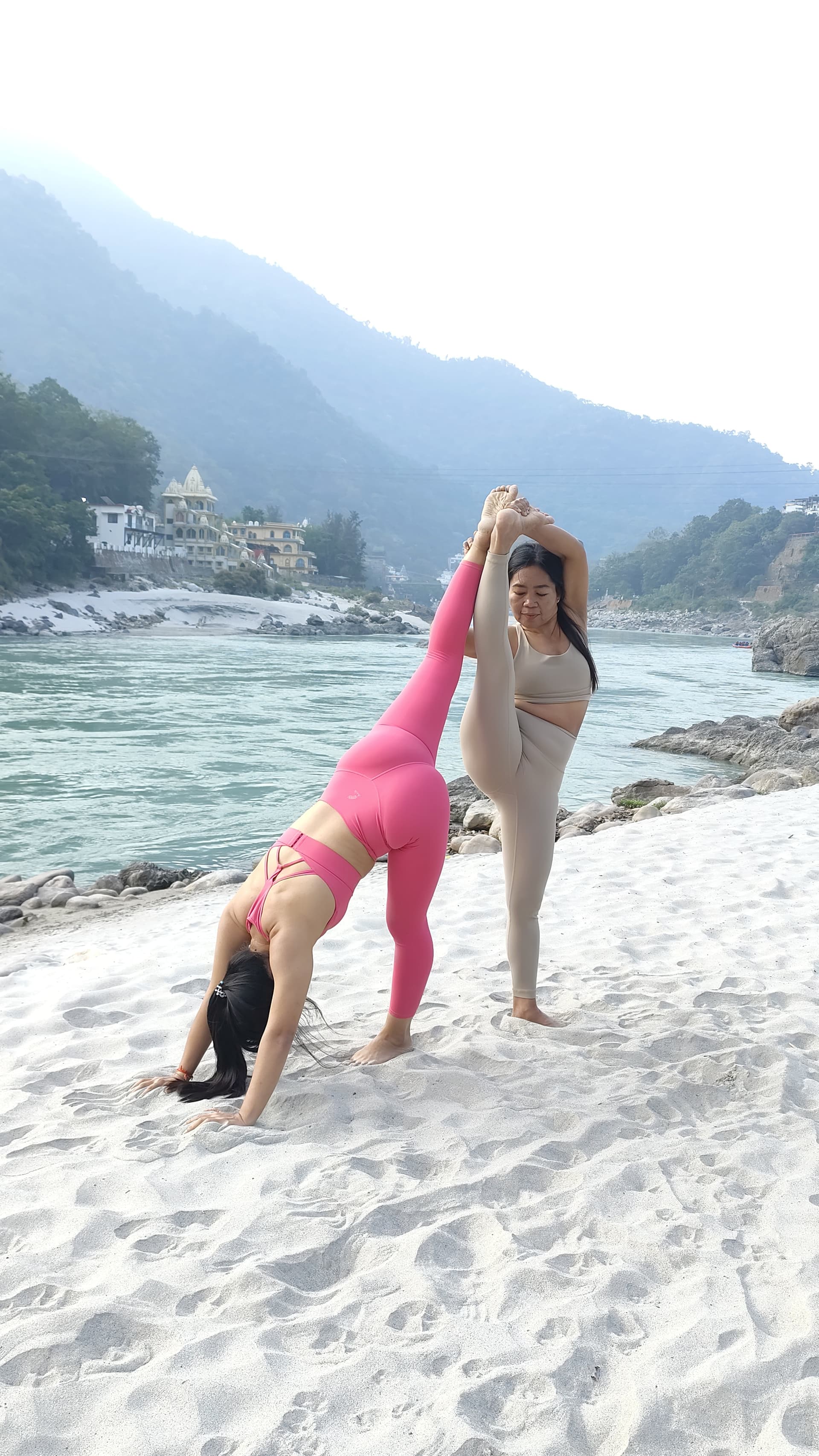
Rishikesh is uniquely positioned as the place to study both Hatha and Vinyasa at their source. Walking along the ghats from Laxman Jhula to Tapovan, you will find ashrams teaching pure traditional Hatha alongside modern studios offering creative Vinyasa flows. The Ganges provides a natural soundtrack to every practice, and the spiritual energy of this sacred city deepens whichever style you choose.
Our 200-Hour Multi-Style Yoga Teacher Training covers both Hatha and Vinyasa in depth, along with Ashtanga, so that graduates leave with the ability to teach and practice across multiple traditions. This multi-style approach is what sets well-rounded teachers apart in the global yoga community.
Making Your Choice: Practical Advice
If you are still unsure which style to try first, ask yourself these questions:
- Do I prefer slow, meditative activities or fast-paced, athletic ones?
- Am I looking primarily for stress relief or a fitness workout?
- Do I have any injuries that require gentle movement?
- Do I enjoy routine and depth, or variety and creativity?
If your answers lean toward slow and meditative, start with Hatha. If they lean toward athletic and varied, start with Vinyasa. But remember: the best yogis eventually practice both. The difference between hatha and vinyasa yoga is not about one being better than the other. It is about understanding which tool serves you best at any given moment in your journey.
Begin Your Practice at Swaastik Yog School
Whether you are drawn to the stillness of Hatha or the rhythm of Vinyasa, Swaastik Yog School in Rishikesh offers authentic instruction in both traditions. Join our daily drop-in classes to experience each style firsthand, or immerse yourself in our comprehensive 200-Hour Yoga Teacher Training to master both. Our experienced teachers guide you with patience, precision, and the deep knowledge that comes from living and breathing yoga in its homeland.
Ready to experience the difference for yourself? Contact us today to book your classes or discuss which program is right for you. Your journey on the mat begins with a single breath.