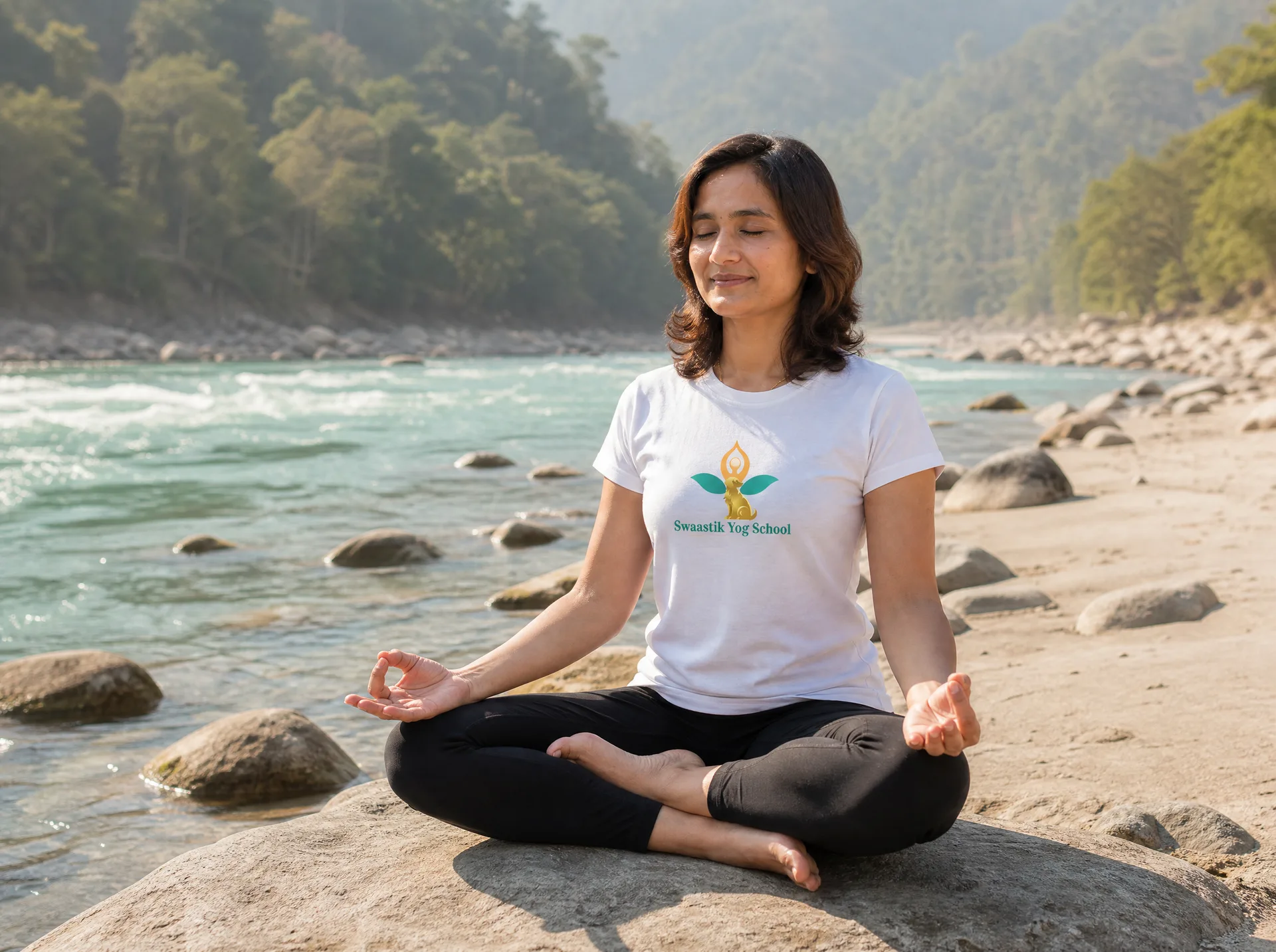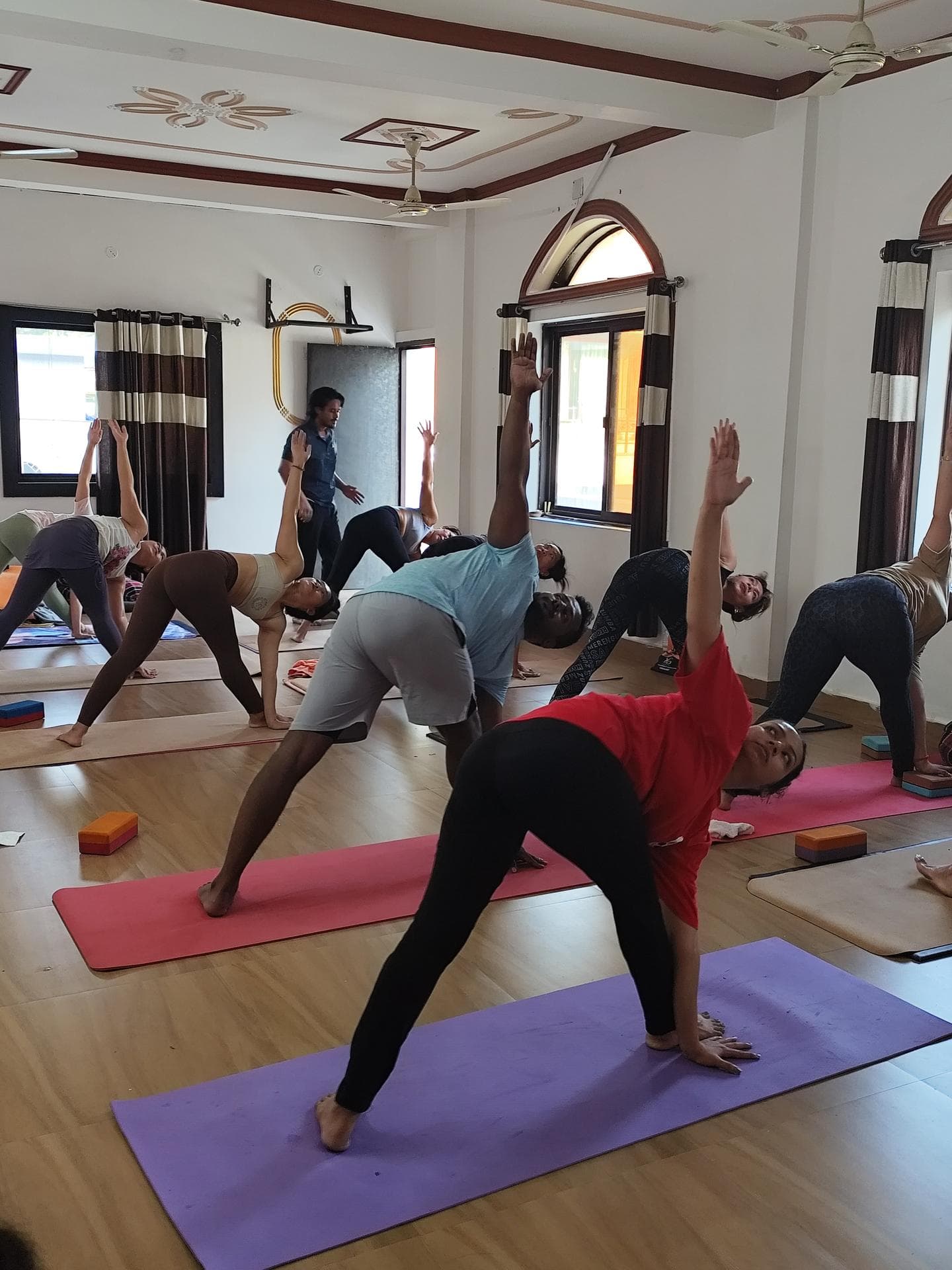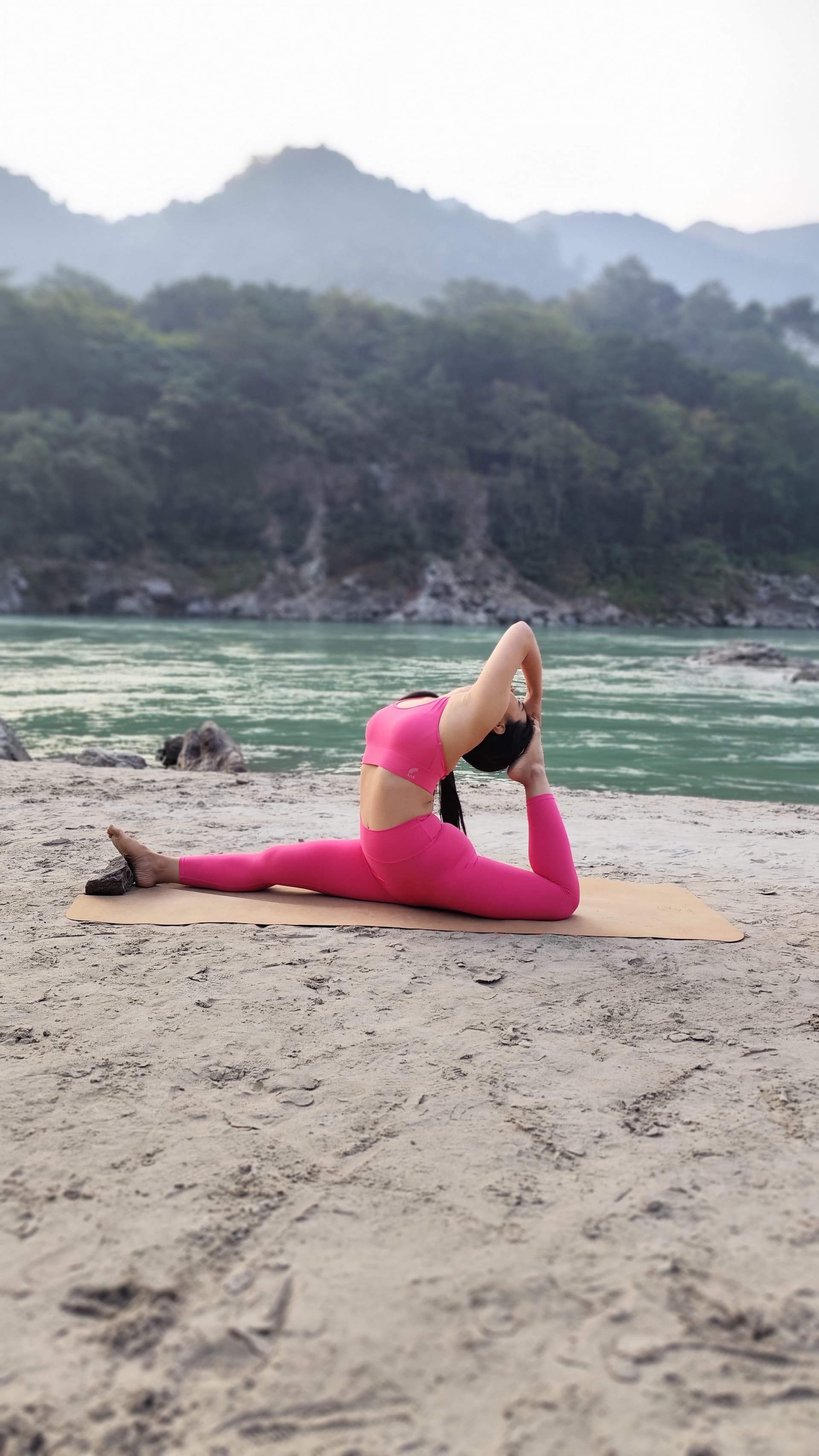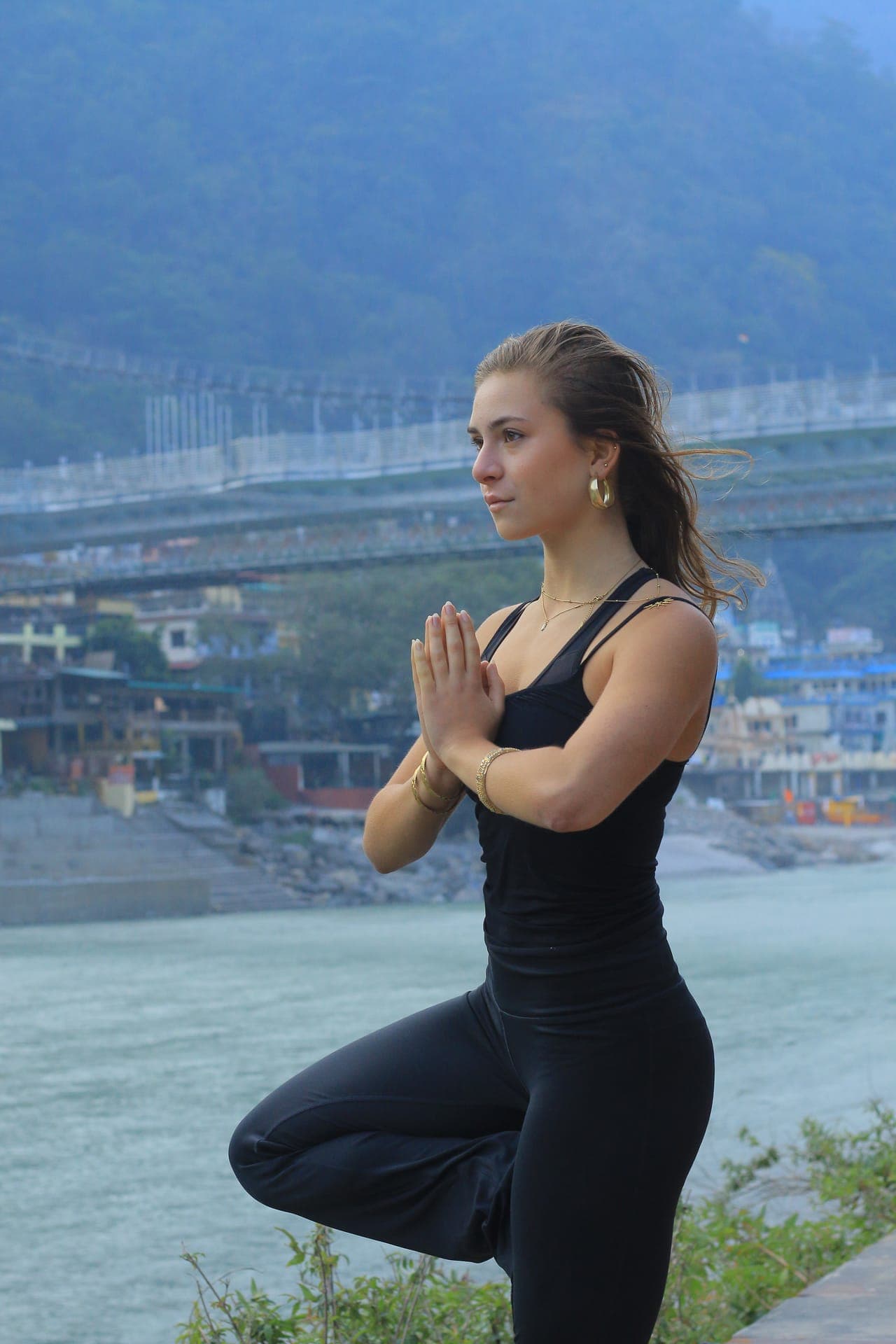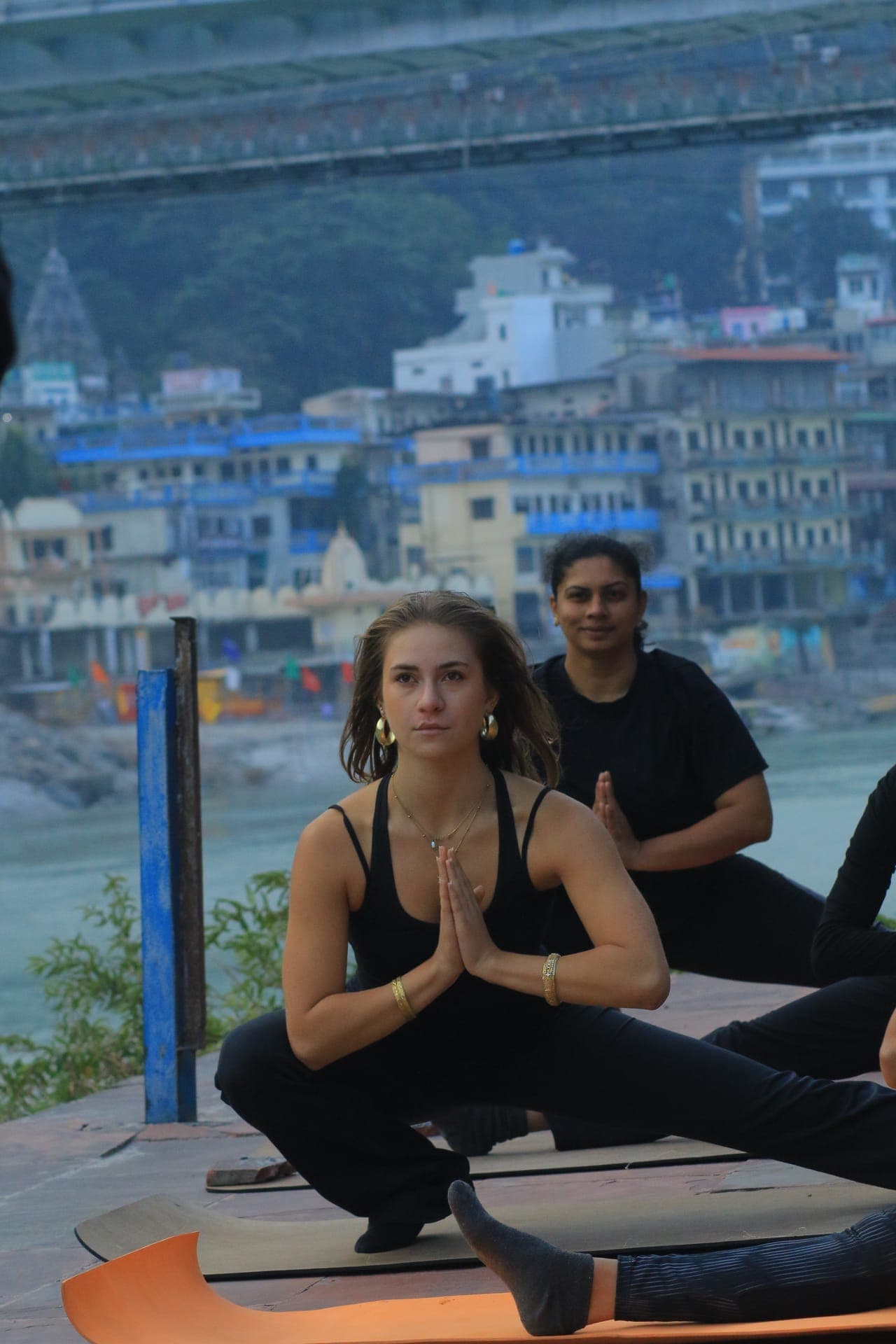
The idea of sitting still and quieting the mind can feel impossibly daunting when you are just starting out. Your thoughts race, your body fidgets, and five minutes feels like an hour. But here is the truth that experienced meditators rarely share: it felt exactly the same for them at the beginning. The key to building a lasting meditation practice is not willpower or talent but finding the right technique for your temperament. This guide introduces ten proven meditation techniques for beginners so you can experiment, discover what resonates, and build a practice that genuinely transforms your daily life. At Swaastik Yog School in Rishikesh, we teach all of these methods as part of our immersive programs, and we have watched thousands of students go from skeptics to dedicated meditators.
Whether you are preparing for a 7-day retreat or simply curious about where to start, this guide gives you the practical foundation you need.
Why Meditation Techniques for Beginners Matter
Meditation is not a monolith. There are hundreds of distinct techniques across Buddhist, Hindu, Taoist, Christian contemplative, and secular traditions. The mistake most beginners make is assuming meditation means one thing: sitting cross-legged and thinking about nothing. When that inevitably feels impossible, they conclude they are bad at meditation and quit. The reality is that different meditation techniques for beginners engage different cognitive processes. Some ask you to focus intensely, others ask you to open your awareness wide. Some use the body as an anchor, others use sound, imagery, or movement. Finding the right fit changes everything.
1. Mindfulness Meditation (Vipassana-Inspired)
What It Is
Mindfulness meditation involves paying attention to the present moment without judgment. You observe your thoughts, sensations, and emotions as they arise, acknowledging them without getting caught up in their content. This is the technique most commonly taught in secular mindfulness programs worldwide.
How to Practice
Sit comfortably with your spine upright. Close your eyes or soften your gaze toward the floor. Begin by noticing the sensation of breathing at the nostrils, chest, or belly. When your mind wanders (it will, constantly), gently return your attention to the breath. The practice is not about preventing thoughts but about noticing when you have drifted and returning. Each return is a repetition, like a bicep curl for your attention muscle. Start with five minutes and increase by one minute per week.
Best For
Overthinkers, people with anxiety, anyone who wants a secular practice with strong scientific backing. Hundreds of peer-reviewed studies confirm mindfulness reduces stress, improves focus, and decreases symptoms of depression and anxiety.
2. Guided Visualization
What It Is
In guided visualization, you follow spoken instructions to create vivid mental images, often of peaceful natural settings, healing light, or personal goals. The imagery engages the right hemisphere of the brain and can produce profound relaxation.
How to Practice
Use a recording or have a teacher guide you. Typical sessions last ten to twenty minutes. You might be asked to imagine walking through a forest, standing beside a river (here in Rishikesh, we use the sound of the Ganges flowing past our school as a starting point), or visualizing warm light dissolving tension in each part of your body. The more senses you engage in the visualization, the more effective it becomes.
Best For
Creative and visual thinkers, people who find silent meditation frustrating, and anyone recovering from trauma (under appropriate guidance). Visualization is also widely used by athletes and performers for mental rehearsal.
3. Body Scan Meditation
What It Is
Body scan meditation involves systematically moving your attention through each region of your body, noticing sensations without trying to change them. It bridges the gap between mental awareness and physical experience.
How to Practice
Lie down or sit comfortably. Starting at the crown of the head or the soles of the feet, slowly move your attention through each body part: scalp, forehead, eyes, jaw, neck, shoulders, arms, hands, chest, belly, hips, thighs, knees, shins, feet. Spend two to three breaths at each location, simply noticing what is present. Tingling, warmth, tension, numbness, nothing at all: every observation is valid. A full scan takes fifteen to twenty minutes.
Best For
People who carry tension in the body, those recovering from injury, anyone who struggles to meditate because they feel disconnected from their physical experience. Body scanning is a core component of Mindfulness-Based Stress Reduction (MBSR) programs.
4. Loving-Kindness Meditation (Metta)
What It Is
Loving-kindness meditation cultivates feelings of compassion and goodwill toward yourself and others. Originating in Theravada Buddhism, it systematically directs warm wishes to an expanding circle of people.
How to Practice
Sit quietly and bring to mind someone you love deeply. Silently repeat phrases like: "May you be happy. May you be healthy. May you be safe. May you live with ease." After several minutes, direct these same phrases toward yourself, then toward a neutral person (a stranger), then toward someone you find difficult, and finally toward all living beings. The practice often stirs powerful emotions, and that is part of the process.
Best For
People dealing with self-criticism, loneliness, resentment, or relationship difficulties. Research shows metta meditation increases positive emotions, social connection, and even immune function.
5. Mantra Meditation
What It Is
Mantra meditation uses the repetition of a word, phrase, or sound to focus the mind. The Sanskrit word "mantra" means instrument of thought. In the yogic tradition, specific sounds carry vibrational qualities that affect consciousness.
How to Practice
Choose a mantra. Traditional options include "Om," "So Hum" (I am that), or "Om Namah Shivaya." Secular alternatives work too: "peace," "I am calm," or simply a sound you find soothing. Sit comfortably, close your eyes, and begin repeating the mantra silently or aloud. Let the rhythm of the repetition become your anchor. When thoughts arise, return to the mantra. Using mala beads (108 beads on a string) adds a tactile dimension that many beginners find helpful. Here in Rishikesh, students often purchase their first mala at the markets near Ram Jhula and begin their mantra practice the same evening.
Best For
People who find silence uncomfortable or whose minds are extremely busy. The repetitive nature of mantra provides a strong anchor that is harder to lose than the breath alone.
6. Breath Counting Meditation
What It Is
This is one of the simplest meditation techniques for beginners. You simply count your breaths, giving the thinking mind a task that keeps it occupied while cultivating present-moment awareness.
How to Practice
Sit with your eyes closed. Inhale naturally, and on the exhale, count "one." Next exhale, "two." Continue up to ten, then start over at one. If you lose count or find yourself at fifteen, simply return to one without judgment. The practice reveals just how easily the mind drifts. Over time, you will be able to maintain the count with increasing consistency, which reflects growing concentration.
Best For
Complete beginners, analytical minds that need structure, and anyone who finds open-ended mindfulness too vague.
7. Walking Meditation
What It Is
Walking meditation brings meditative awareness to the act of walking. It is an excellent option for people who find sitting meditation physically uncomfortable or mentally restless.
How to Practice
Find a path of about twenty to thirty paces. Walk slowly, paying close attention to the sensations of each step: the lifting of the foot, the movement through the air, the placement on the ground, and the weight shifting. You can use mental labels like "lifting, moving, placing" to maintain focus. Walk to the end of the path, pause, turn mindfully, and walk back. Continue for ten to twenty minutes. At our school in Rishikesh, we practice walking meditation along the trails above Tapovan with views of the Ganges below, and students consistently describe it as one of the most grounding experiences of their training.
Best For
Restless or physically active people, those with chronic pain that makes sitting difficult, and anyone who wants to integrate meditation into daily movement.
8. Sound Meditation
What It Is
Sound meditation uses ambient sounds, singing bowls, gongs, or nature sounds as the object of meditation. Rather than trying to block out sound (which is impossible), you make sound itself the focus of your attention.
How to Practice
Sit comfortably and close your eyes. Instead of focusing on the breath, open your ears to whatever sounds are present. Notice sounds near and far, loud and soft, pleasant and unpleasant. Do not label or judge them. Simply receive each sound as a vibration. In a formal sound bath, a practitioner plays crystal bowls, Tibetan bowls, or gongs while you lie down and absorb the vibrations. The evening aarti ceremony on the Ganges in Rishikesh, with its bells, chanting, and flowing water, is itself a form of spontaneous sound meditation that moves many of our students deeply.
Best For
Auditory learners, music lovers, people who find visual or breath-based meditation challenging, and anyone looking for a deeply relaxing experience.
9. Candle Gazing (Trataka)
What It Is
Trataka is a traditional yogic purification practice (shatkarma) that doubles as a powerful concentration meditation. You gaze at a candle flame without blinking until the eyes water, then close the eyes and observe the afterimage.
How to Practice
Place a candle at eye level about two feet in front of you. Dim the room. Sit with a straight spine and gaze steadily at the flame, specifically at the blue base where the wick meets the fire. Try not to blink. When tears come (usually after one to three minutes), close your eyes and observe the luminous afterimage on the inside of your eyelids. Hold your attention on this internal image until it fades. Repeat two to three times. In our 200-hour teacher training, trataka is taught as part of the shatkarma module and students are consistently surprised by the depth of concentration it produces.
Best For
Visual learners, people who struggle with eyes-closed meditation, and those who want to improve concentration for study or work. Trataka is also traditionally believed to strengthen eyesight.
10. Yoga Nidra (Yogic Sleep)
What It Is
Yoga nidra is a guided practice of systematic relaxation that takes you to the threshold between waking and sleeping. It is sometimes called "yogic sleep" because the body enters a state of deep rest while the mind remains conscious. One forty-five-minute session of yoga nidra is said to be equivalent to three hours of regular sleep in terms of restorative benefit.
How to Practice
Lie in Savasana (corpse pose) with a blanket for warmth and an eye pillow if available. Follow a guided recording or teacher through stages of body rotation (moving awareness rapidly through body parts), breath awareness, visualization, and the planting of a sankalpa (positive intention or resolve). The practice typically lasts twenty to forty-five minutes. Your only instruction is to stay awake. Many beginners fall asleep initially, and that is perfectly fine. With practice, you will learn to hover in the deeply restful hypnagogic state.
Best For
People with insomnia, chronic fatigue, PTSD, or high stress levels. Yoga nidra is also ideal for absolute beginners because there is nothing to do but lie down and listen. It is effortless and profoundly effective.
How to Build a Meditation Practice That Lasts
Knowing ten techniques is meaningless if you do not practice regularly. Here is how to build a sustainable habit.
- Start absurdly small: Two minutes per day is better than thirty minutes once a week. Consistency builds the neural pathways that make meditation feel natural
- Anchor it to an existing habit: Meditate immediately after brushing your teeth in the morning, after your morning tea, or before bed. Linking meditation to a habit you already have eliminates the need for motivation
- Try each technique for one week: Spend ten weeks experimenting with all ten methods in this guide. Keep a simple journal noting which techniques felt most natural, and build your long-term practice around those
- Create a dedicated space: A corner of your room with a cushion, a candle, and perhaps a small plant signals to your brain that this is a place for stillness
- Be patient with yourself: The mind will wander. That is not failure. Noticing that the mind has wandered IS the practice. Every return to focus strengthens your capacity for present-moment awareness
Deepen Your Meditation Practice in Rishikesh
There is a reason meditators have been drawn to Rishikesh for thousands of years. The Himalayan foothills, the sacred river, the morning mist over Tapovan, the evening aarti on the ghats: the environment itself supports inner stillness in a way that is almost impossible to replicate elsewhere. Our 7-day meditation retreats provide the space, guidance, and community to take your practice from tentative to transformative, while our 200-hour teacher training includes a comprehensive meditation module that covers all ten techniques in depth.
Ready to Begin Your Meditation Journey?
Whether you are a complete beginner or an experienced practitioner looking to deepen your practice, our programs in Rishikesh offer the authentic guidance and supportive environment you need. From week-long retreats to full teacher training certifications, we will help you find the meditation technique that transforms your life.
Contact us today to learn about upcoming programs and reserve your place.