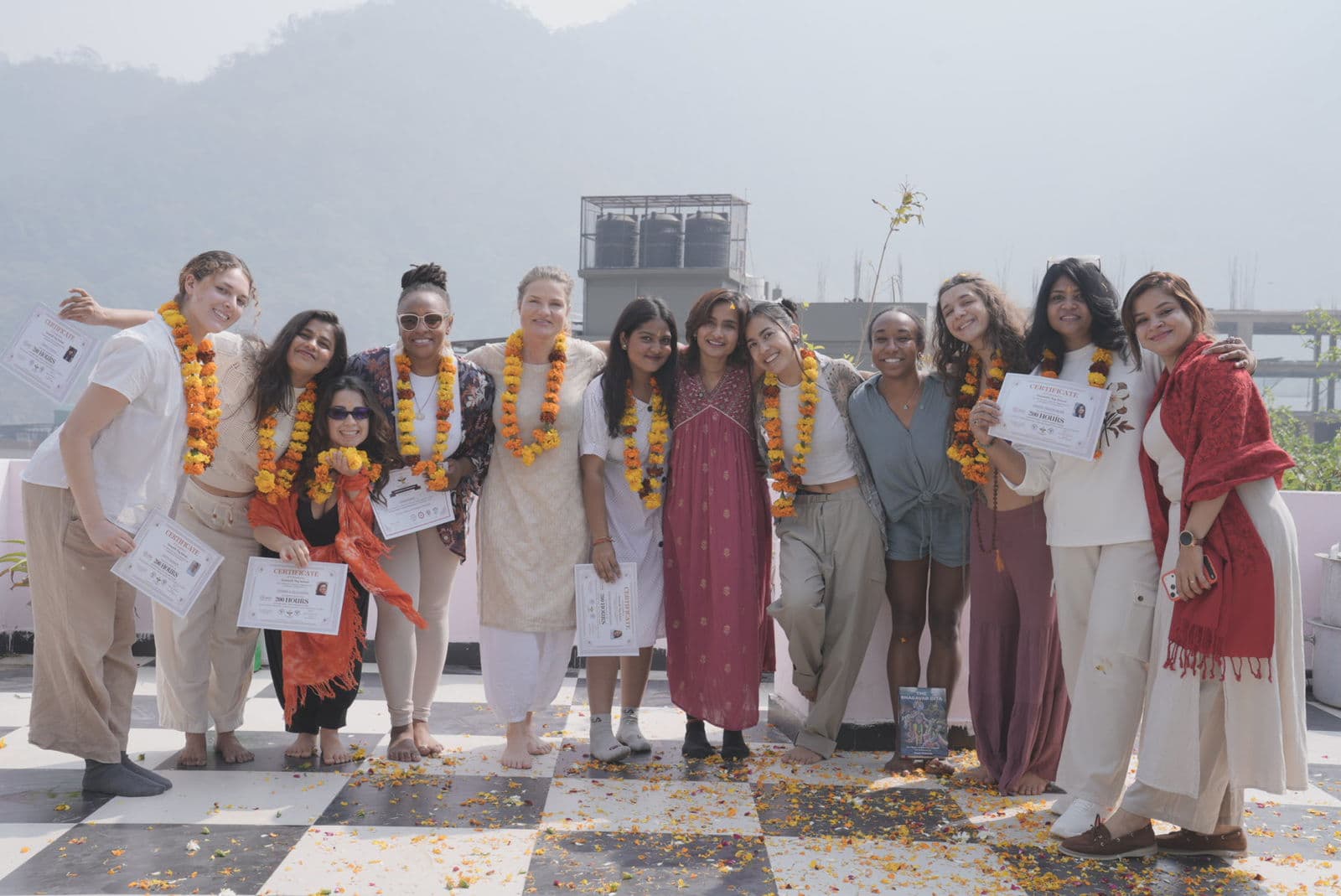
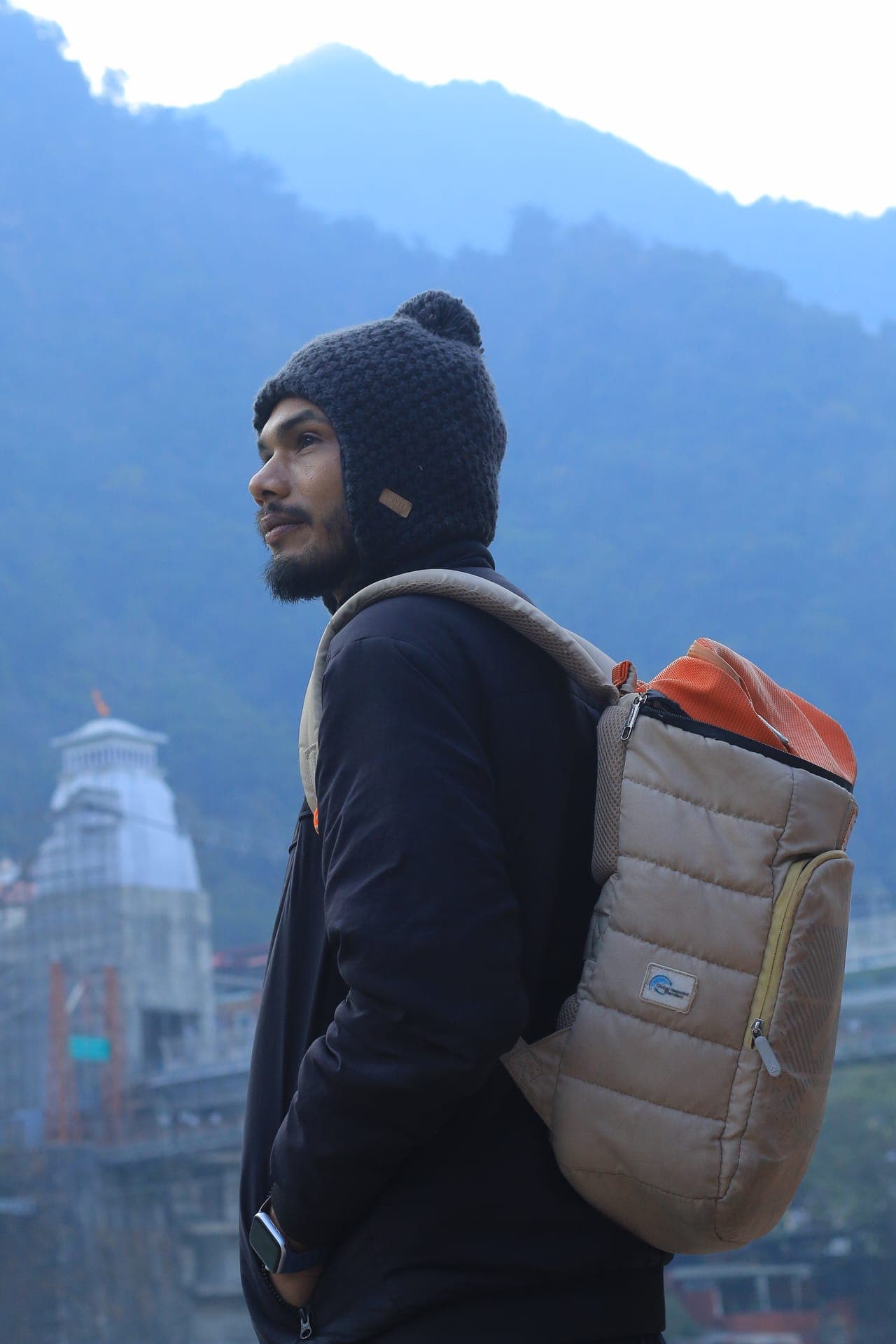
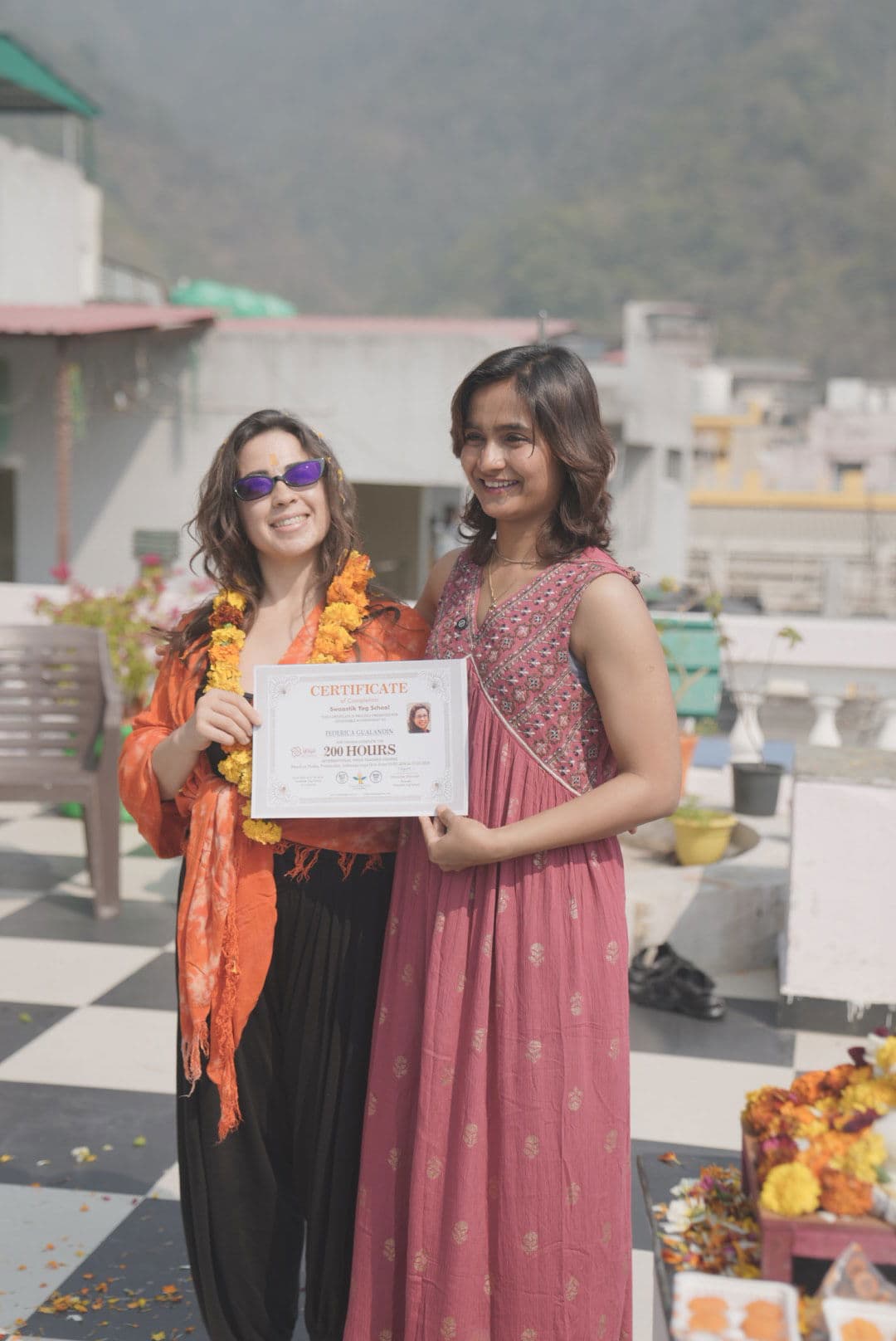
You have booked your spot, bought your plane ticket, and told your friends and family. Now the question that keeps every future student up at night is: what to expect at yoga teacher training in Rishikesh? The honest answer is that it will be nothing like you imagine and everything you need. Having guided hundreds of students through their training journey at Swaastik Yog School, we know the questions, the fears, and the breakthroughs that come with this experience. This is the guide we wish someone had given us before our first day on the mat.
What to Expect at Yoga Teacher Training: The First Few Days
The initial days are a whirlwind. You arrive in Rishikesh, likely exhausted from travel, and step into a completely different world. The air smells of incense and Himalayan pine. Temple bells ring in the distance. The Ganges rushes past, and suddenly your old life feels very far away.

Day 1: Arrival and Orientation
Most schools schedule arrival day separately from training. You check into your room, meet your roommate if you are sharing, receive your training manual and schedule, and attend an orientation session where the teachers introduce themselves, explain the rules, and set expectations. There is usually a welcome dinner where you meet your fellow students. Expect nerves, excitement, and the realization that you are actually doing this.
Days 2 to 4: The Adjustment Phase
Your body is adjusting to a new time zone, a new diet, early mornings, and intense physical practice. Expect to be sore in muscles you did not know you had. Your wrists may ache from repeated Chaturangas. Your hamstrings will protest every forward fold. This is completely normal and temporary.
Emotionally, you may feel overwhelmed by the sheer volume of information. Anatomy, philosophy, Sanskrit terminology, alignment cues — it can feel like drinking from a fire hose. Take a breath. Everyone feels this way. The teachers know this and pace the curriculum accordingly.
Days 5 to 7: Finding Your Rhythm
By the end of the first week, something shifts. Your body starts adapting. You wake before the alarm. The daily schedule feels less foreign and more like a rhythm you are settling into. You begin remembering Sanskrit names for poses. Philosophy discussions start making sense. You form deeper connections with your cohort.
The Daily Schedule: What a Typical Training Day Looks Like
Understanding the daily rhythm helps you prepare mentally and physically. While schedules vary by school, here is what a typical day looks like during a 200-hour YTT at a reputable Rishikesh school.
- 5:30 AM — Wake Up: A bell or gentle knock signals the start of the day. You learn to love mornings even if you never have before.
- 6:00 - 6:30 AM — Shatkarma and Tea: Cleansing practices like jala neti (nasal cleansing) followed by warm herbal tea on the rooftop. Watching the sun rise over the Himalayas with tea in hand becomes a cherished ritual.
- 6:30 - 8:00 AM — Pranayama and Meditation: You start with breathwork and seated meditation, often on an outdoor terrace facing the Ganges. This morning stillness becomes the anchor of your day.
- 8:00 - 9:30 AM — Asana Practice: The main physical practice of the day. Depending on the school and week, this may be Hatha, Ashtanga, or Vinyasa. Expect to sweat, shake, and occasionally laugh at yourself.
- 9:30 - 10:30 AM — Breakfast: A communal, sattvic vegetarian meal. You eat together, share stories, and fuel up for the rest of the day.
- 10:30 AM - 12:30 PM — Theory Sessions: Anatomy, physiology, philosophy, or teaching methodology. These lectures bring intellectual depth to the physical practice.
- 12:30 - 2:00 PM — Lunch and Rest: The midday break is sacred. Nap, journal, take a walk to Laxman Jhula, or simply sit by the Ganges.
- 2:00 - 3:30 PM — Teaching Practice: You begin teaching your peers under the guidance of senior teachers. This is where confidence is built through repetition and constructive feedback.
- 3:30 - 5:00 PM — Afternoon Asana: A second physical session, often focused on alignment workshops, adjustments, or specific pose families.
- 5:00 - 6:00 PM — Elective Workshop: Mantra chanting, kirtan, Ayurveda lecture, or restorative yoga.
- 6:00 - 7:00 PM — Dinner: Light, nourishing meal followed by free time.
- 7:00 - 8:00 PM — Evening Meditation: On select evenings, the group attends Ganga aarti at Triveni Ghat or participates in a guided yoga nidra session.
- 9:30 PM — Lights Out: You will be tired enough to welcome this.
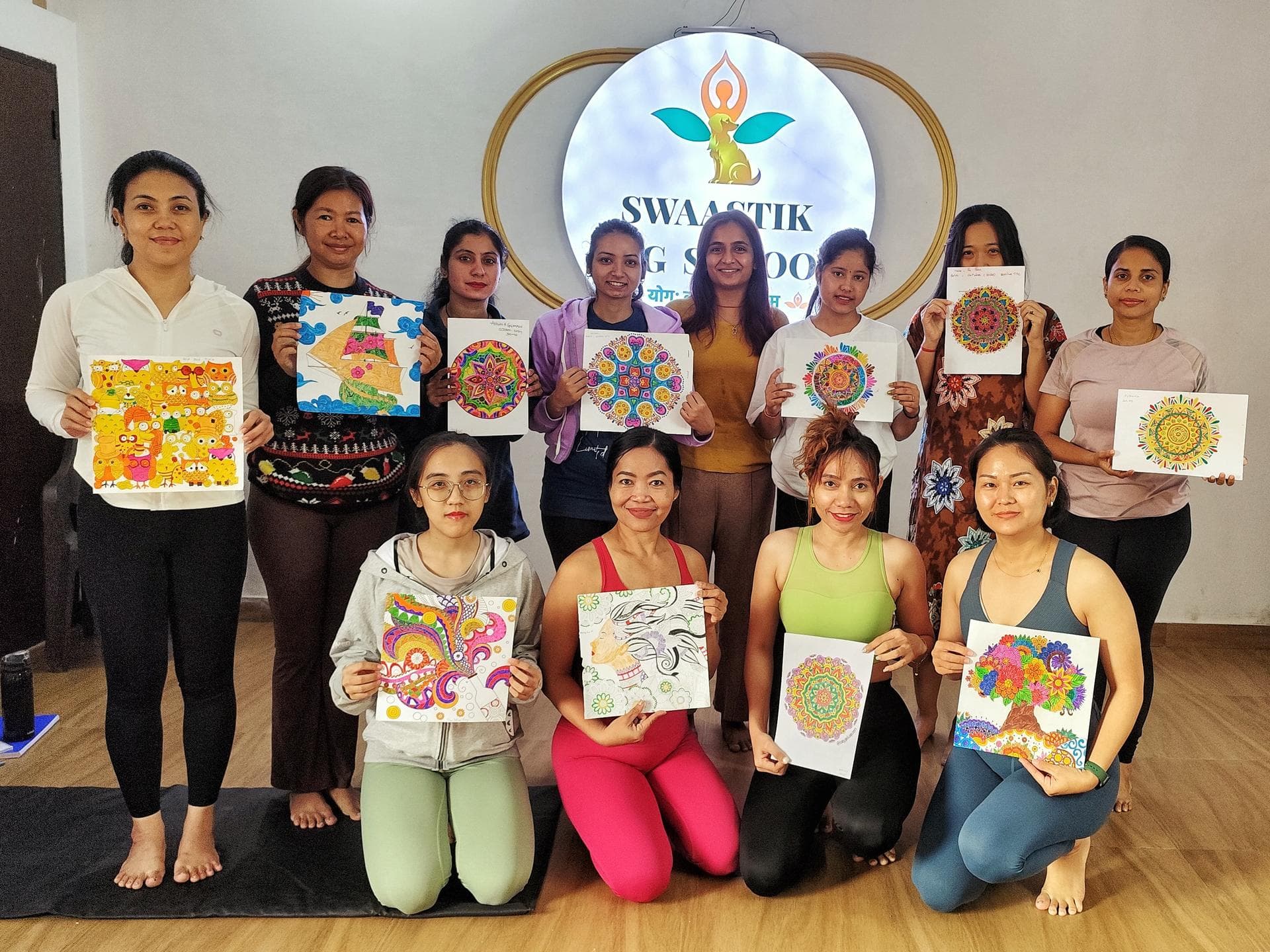
The Physical Demands of Yoga Teacher Training
Let us be honest: YTT is physically demanding. You are practicing asana twice daily, six days a week, for three to four weeks. Here is what to expect and how to manage it.
Common Physical Challenges
- Muscle Soreness: Expect it throughout the first two weeks, especially in shoulders, hamstrings, and hip flexors. It fades as your body adapts.
- Fatigue: The combination of physical practice, mental study, early mornings, and a new environment is tiring. Rest days (usually Sundays) are essential for recovery.
- Digestive Adjustment: Your body needs time to adapt to Indian vegetarian cuisine. Some students experience mild digestive issues in the first few days. Drinking filtered water, eating slowly, and avoiding street food during training helps.
- Minor Injuries: Wrist soreness, lower back tightness, and knee sensitivity are common. Good teachers will offer modifications and encourage you to listen to your body rather than push through pain.
How to Prepare Physically
- Establish a regular yoga practice for at least two to three months before arriving
- Build wrist strength through plank variations and push-ups
- Work on hip flexibility through seated stretches and pigeon pose
- Start waking up earlier to adjust to the 5:30 AM schedule
- Reduce caffeine and alcohol intake in the weeks before training
The Emotional Journey of Yoga Teacher Training
Nobody warns you enough about this part. YTT is as much an emotional journey as a physical one. The combination of intense practice, reduced distractions, communal living, and deep philosophical inquiry has a way of bringing things to the surface.
Week 1: Excitement and Overwhelm
Everything is new. You are buzzing with excitement but also processing enormous amounts of information. Homesickness can hit, especially in quiet moments. Social dynamics are forming as you get to know your cohort.
Week 2: The Breakdown
This is when emotions tend to surface. The physical practice has opened your body, and with it, stored tension and emotions begin to release. It is not uncommon to cry during savasana, feel inexplicably angry during meditation, or have vivid dreams. This is a sign that the practice is working. Let it happen.
Week 3: The Shift
By week three, something profound happens. You feel lighter. Your practice deepens. The philosophical concepts click into place. You start teaching with genuine confidence. The community around you feels like family. This is when students often say they feel more like themselves than they have in years.
Week 4: Integration and Gratitude
The final week brings a mixture of excitement about graduation and sadness about leaving. Final exams and teaching assessments create a healthy intensity. The closing ceremony and final dinner are deeply emotional. You leave changed.
Accommodation and Food During Training
Your living conditions significantly impact your training experience. Here is what to expect at a quality school in Rishikesh.
Accommodation
Most schools offer private or shared rooms with attached bathrooms, hot water (essential for cold Rishikesh mornings), a bed with clean linens, a small desk, and basic storage. Rooms are simple but comfortable — you are here to train, not to lounge. Wi-Fi is typically available in common areas. At Swaastik Yog School, our rooms in Tapovan are clean, quiet, and a short walk from the Ganges.
Food
Expect three sattvic vegetarian meals per day. Sattvic food follows Ayurvedic principles — it is fresh, light, nourishing, and free from onion, garlic, and excessive spice. A typical day's meals include fresh fruit, porridge, and herbal tea for breakfast; dal, rice, vegetables, chapati, and salad for lunch; and a lighter version of lunch for dinner. The food is designed to support your practice without making you sluggish.
If you have dietary restrictions or allergies, communicate them to the school in advance. Most schools can accommodate vegan, gluten-free, and other dietary needs.
The Certification Process
Understanding how you earn your certificate removes anxiety and helps you focus on learning.
- Attendance: You must attend a minimum of 90 percent of all sessions. Unexcused absences beyond the limit can disqualify you from certification.
- Written Examination: A test covering anatomy, philosophy, and teaching methodology. It is designed to ensure comprehension, not to trick you.
- Practical Teaching Assessment: You will teach a 30 to 60-minute class to your peers while being evaluated by senior teachers on sequencing, cuing, presence, and safety.
- Participation: Active engagement in discussions, practice teaching, and group activities matters.
- Final Demonstration: A closing teaching session that showcases everything you have learned.
Upon completion, you receive your certificate and can register with Yoga Alliance as an RYT-200 (or the relevant level). The certificate from a Yoga Alliance registered school is recognized worldwide.
Practical Tips for Preparation
Arriving well-prepared makes the entire experience smoother. Here is our advice based on years of working with students.
- Arrive a day or two early to adjust to Rishikesh, recover from jet lag, and explore the area before training begins.
- Pack light but smart: Comfortable yoga clothes (nothing too loose), a warm layer for mornings, a rain jacket, sandals, a refillable water bottle, sunscreen, a journal, and any medications you need.
- Bring an open mind. The students who transform the most are the ones who come without rigid expectations.
- Inform the school of any injuries or health conditions so teachers can offer appropriate modifications.
- Set up an auto-reply on your email and tell loved ones you will have limited communication. The digital detox is part of the experience.
- Read a yoga philosophy book before arriving. The Bhagavad Gita, Patanjali's Yoga Sutras, or Light on Yoga by B.K.S. Iyengar will give you useful context.
Begin Your Transformation
Now you know what to expect at yoga teacher training in Rishikesh — the physical demands, the emotional depths, the daily rhythm, and the practical details. The question is no longer what will happen but whether you are ready to say yes.
At Swaastik Yog School, we have walked this path with hundreds of students, and we know that the version of you that completes training will barely recognize the person who was nervous about starting. Our 200-hour yoga teacher training in the heart of Tapovan, Rishikesh, is designed to challenge you, support you, and help you emerge as a confident, knowledgeable yoga teacher.
Ready to begin? Contact us today to ask questions, check upcoming dates, or secure your place. Your mat is waiting.