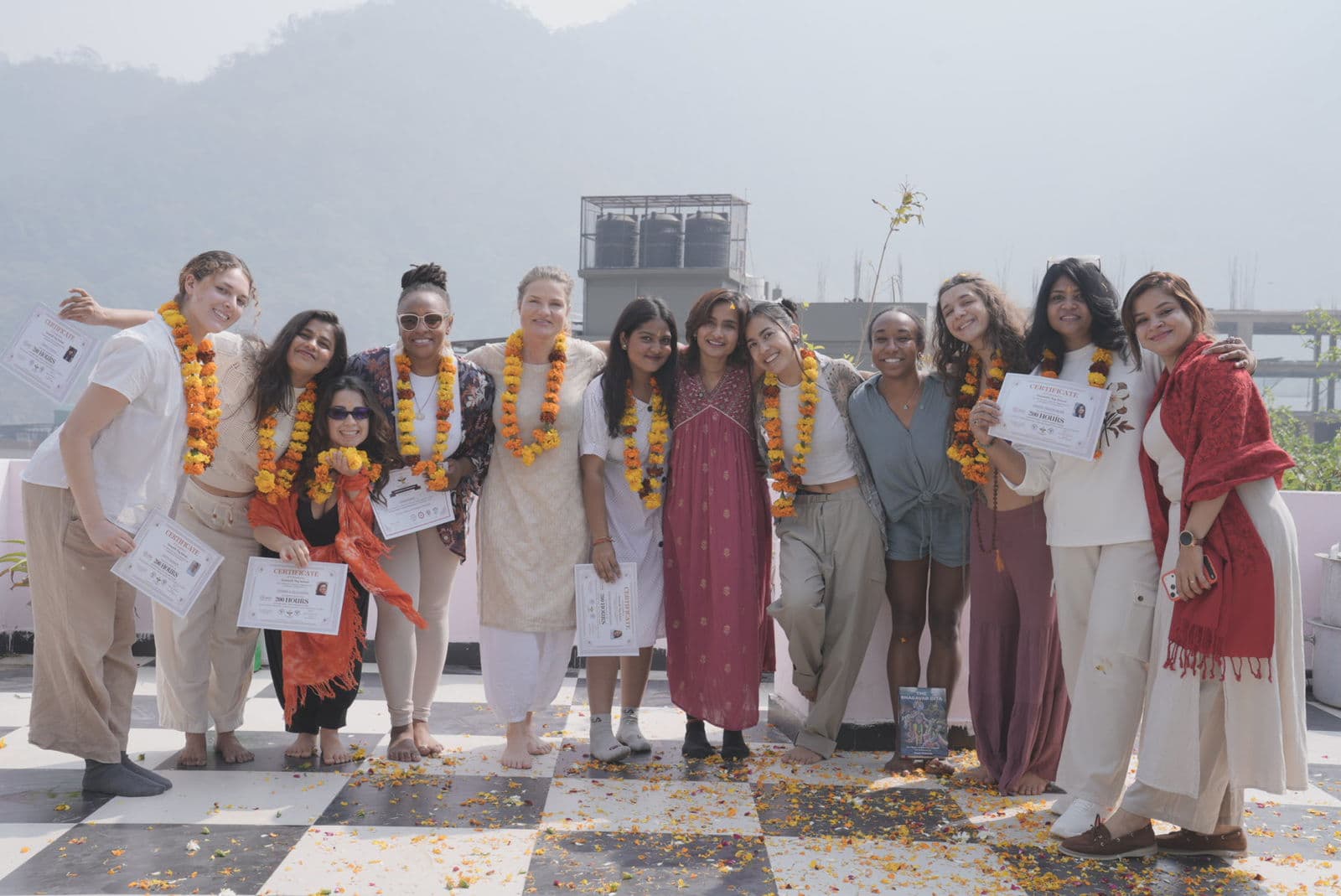
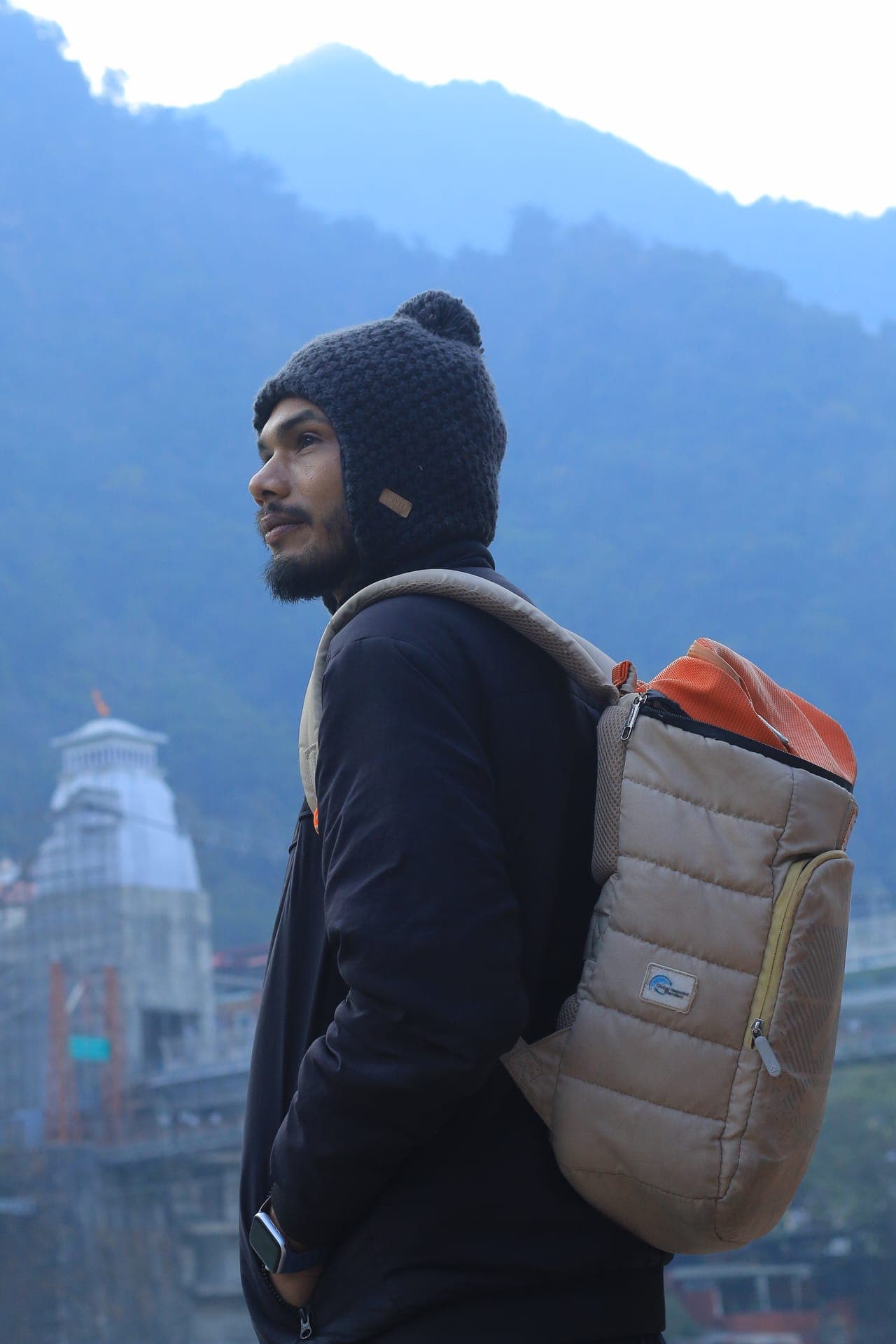
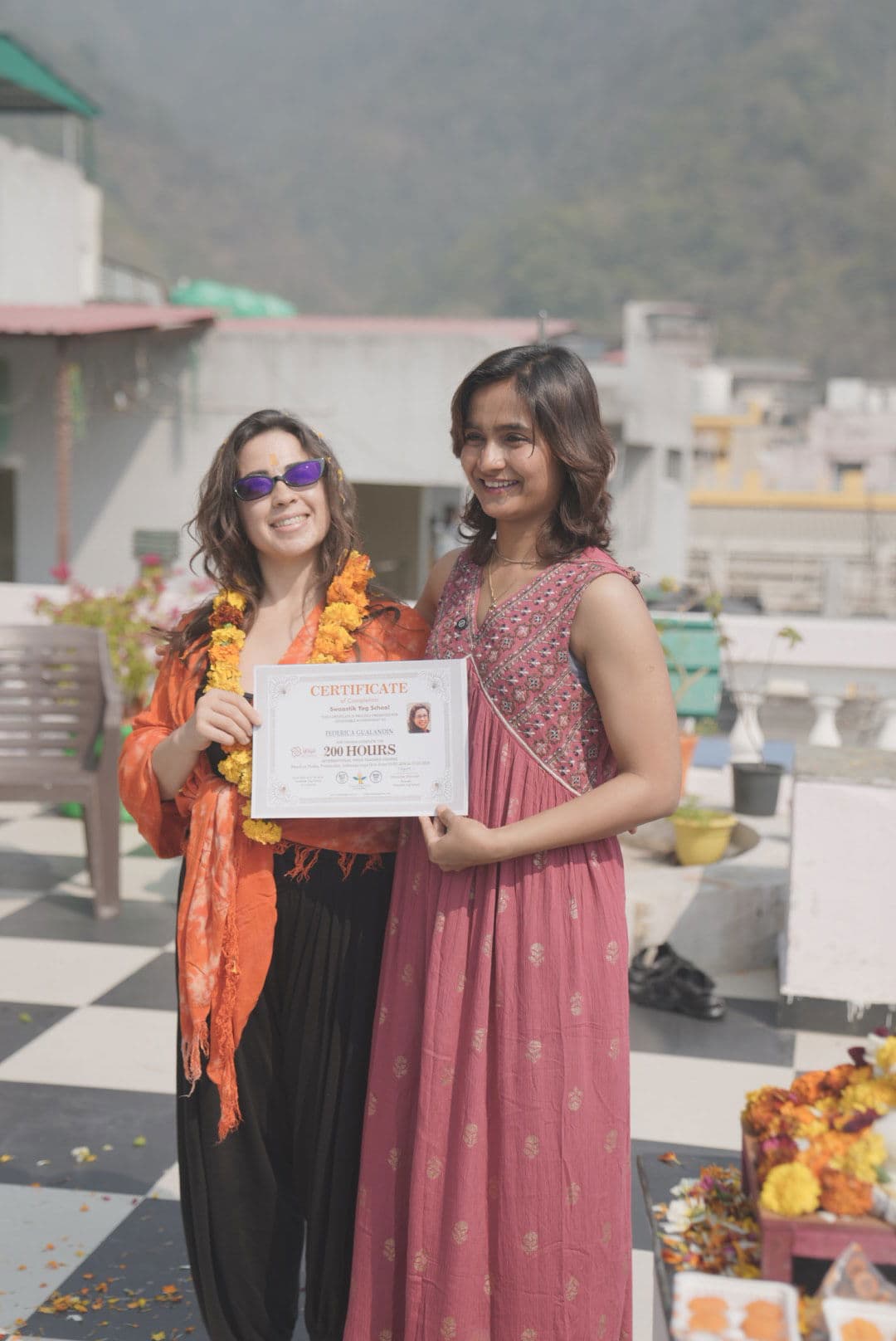
If you have ever dreamed of deepening your practice or launching a career in yoga, pursuing yoga teacher training in Rishikesh is the single most transformative decision you can make. Nestled in the foothills of the Himalayas where the sacred Ganges carves its path through ancient valleys, Rishikesh has earned its title as the Yoga Capital of the World for good reason. Every year thousands of aspiring teachers from over sixty countries arrive here to study under experienced gurus, immerse themselves in yogic philosophy, and earn internationally recognized certifications. This comprehensive 2026 guide covers everything you need to know before you book your flight.
What Is Yoga Teacher Training?
Yoga Teacher Training, commonly abbreviated as YTT, is a structured educational program that prepares students to teach yoga professionally. Registered programs follow the curriculum standards set by Yoga Alliance, the largest international yoga registry. A YTT covers far more than physical postures. You will study anatomy, physiology, teaching methodology, yogic philosophy, pranayama, meditation, mantra chanting, and the ethics of holding space for students. By the end, you receive a certificate that allows you to register as a Registered Yoga Teacher (RYT) with Yoga Alliance and teach anywhere in the world.
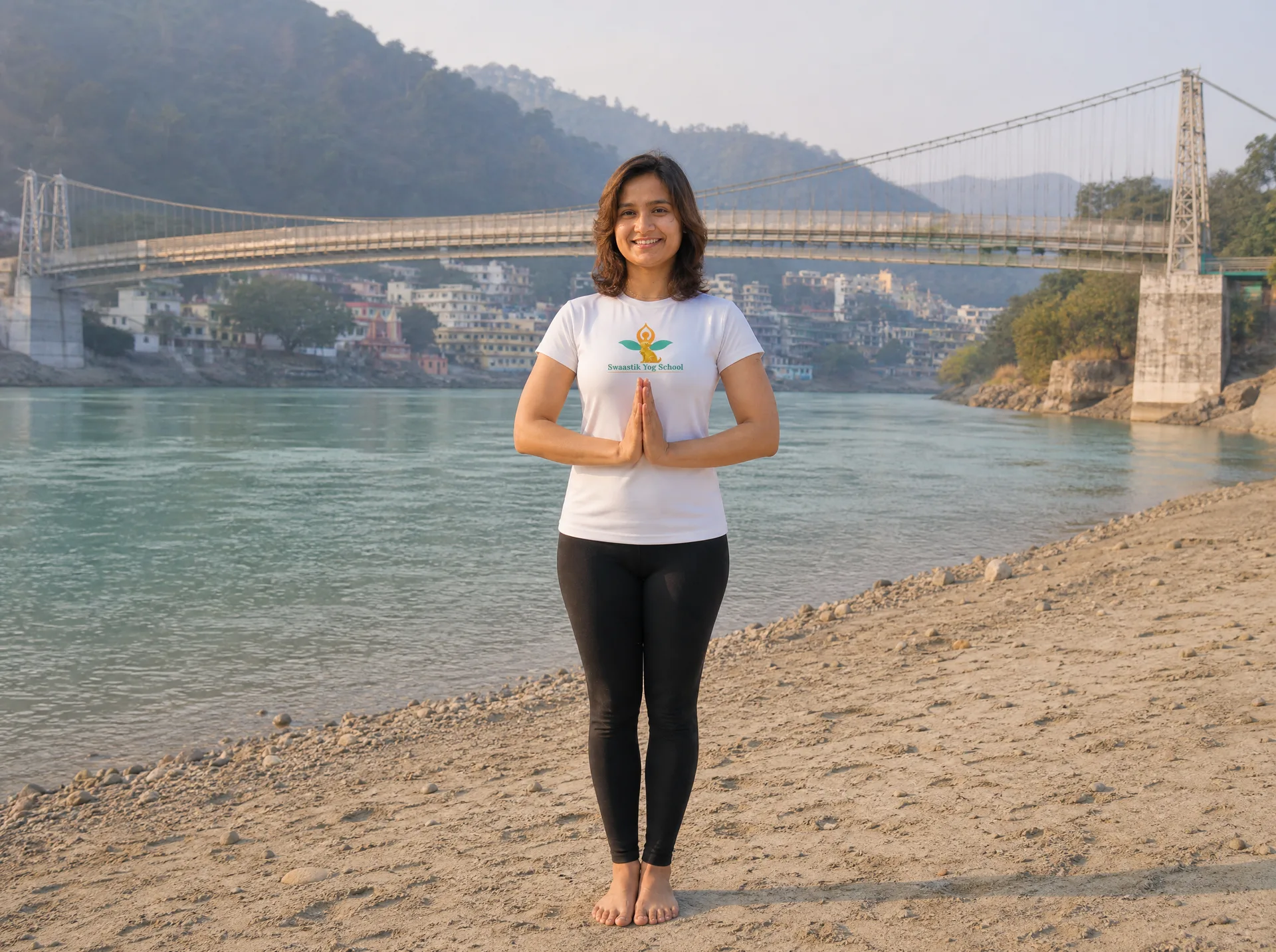
But teacher training is not only for people who want to teach. Many students enroll simply to deepen their personal practice, overcome physical or emotional challenges, or reconnect with themselves in a meaningful way. At Swaastik Yog School in Rishikesh, we see this blend of motivations in every cohort, and our curriculum is designed to serve both aspiring teachers and dedicated practitioners.
Types of Yoga Teacher Training Programs in Rishikesh
Understanding the different levels of certification is essential before you commit to a program. Here is what each level involves and who it is best suited for.
100-Hour Yoga Teacher Training
The 100-hour YTT is an intensive foundational program ideal for beginners who want a structured introduction to yoga without the time commitment of a longer course. It typically spans 10 to 14 days and covers the basics of asana, pranayama, meditation, and anatomy. This is also popular among experienced practitioners who want a short immersion in Rishikesh without pursuing full certification.
200-Hour Yoga Teacher Training
The 200-hour YTT is the global standard for entry-level yoga teachers. Running 21 to 28 days depending on the school, this program provides a thorough education in all eight limbs of yoga. You will learn how to sequence classes, adjust students safely, teach diverse populations, and develop your own teaching voice. Upon completion, you can register as an RYT-200 with Yoga Alliance. This is by far the most popular program in Rishikesh and the one we recommend for anyone serious about teaching.
300-Hour Yoga Teacher Training
The 300-hour YTT is an advanced program designed for graduates of 200-hour training who want to deepen their knowledge. It covers advanced asanas, therapeutic yoga, advanced pranayama, deeper philosophical study, and refined teaching techniques. Completion of both 200 and 300 hours qualifies you as an RYT-500, the highest standard for yoga teachers worldwide.
500-Hour Yoga Teacher Training
Some schools offer a combined 500-hour program that integrates the 200 and 300-hour curricula into a single extended training. This is ideal for students who know from the start that they want the most comprehensive education possible. It typically runs 45 to 60 days and offers the advantage of continuity with the same teachers and community throughout.
What to Look for in a Yoga Teacher Training School in Rishikesh
With hundreds of schools operating in Rishikesh, choosing the right one can feel overwhelming. Here are the criteria that matter most.
- Yoga Alliance Registration: Ensure the school is a Registered Yoga School (RYS) with Yoga Alliance. This guarantees the curriculum meets international standards and your certificate will be recognized worldwide.
- Experienced Teachers: Look for schools where the lead teachers have at least 10 years of teaching experience and formal training in the subjects they teach. At Swaastik Yog School, our faculty includes practitioners with decades of experience in Hatha, Ashtanga, anatomy, and Vedic philosophy.
- Curriculum Balance: A good program balances physical practice with theory, philosophy, and teaching methodology. Avoid schools that focus exclusively on Instagram-worthy poses at the expense of depth.
- Small Class Sizes: Personalized attention is critical during teacher training. Schools that cap cohorts at 15 to 20 students can provide individual feedback on your teaching practice and alignment.
- Student Reviews: Read reviews on Google, TripAdvisor, and yoga community forums. Look for consistent praise regarding teacher quality, accommodation, and overall experience rather than just one or two glowing reviews.
- Location Within Rishikesh: Rishikesh has several distinct neighborhoods. Tapovan, situated upstream from Laxman Jhula, is the most popular area for yoga schools due to its quieter atmosphere and proximity to the Ganges. Areas near Ram Jhula tend to be busier and more touristic.
- Included Amenities: Confirm what is included in the tuition: accommodation, three daily meals, study materials, excursions, and the certificate. Hidden costs can add up quickly.
Typical Daily Schedule During Yoga Teacher Training in Rishikesh
A structured daily routine is one of the most powerful aspects of residential teacher training. Here is what a typical day looks like at most reputable schools in Rishikesh.
- 5:30 AM — Wake-up bell
- 6:00 - 6:30 AM — Shatkarma (cleansing practices) and herbal tea
- 6:30 - 8:00 AM — Pranayama and meditation on the banks of the Ganges
- 8:00 - 9:30 AM — Asana practice (Hatha or Ashtanga Vinyasa)
- 9:30 - 10:15 AM — Breakfast (sattvic vegetarian meals)
- 10:30 AM - 12:00 PM — Yoga philosophy or anatomy lecture
- 12:00 - 1:00 PM — Teaching methodology and practice teaching
- 1:00 - 2:00 PM — Lunch and rest
- 2:00 - 3:30 PM — Self-study or rest period
- 3:30 - 5:00 PM — Afternoon asana practice or alignment workshop
- 5:00 - 6:00 PM — Elective workshops (mantra chanting, kirtan, Ayurveda)
- 6:00 - 7:00 PM — Dinner
- 7:00 - 8:00 PM — Evening meditation or Ganga aarti (on select days)
- 9:30 PM — Lights out
This schedule may seem rigorous, but the rhythm of early mornings, disciplined practice, and communal living is what creates the depth of transformation that makes Rishikesh training legendary.
How Much Does Yoga Teacher Training in Rishikesh Cost in 2026?
One of the biggest advantages of training in Rishikesh is the value for money compared to programs in Western countries. Here is a realistic breakdown of costs.
Tuition Fees
- 100-Hour YTT: USD 500 to 900, including accommodation and meals
- 200-Hour YTT: USD 900 to 2,000, with most reputable schools in the 1,100 to 1,500 range
- 300-Hour YTT: USD 1,200 to 2,500
- 500-Hour YTT: USD 2,000 to 4,000
Additional Costs to Budget For
- Flights: USD 400 to 1,200 depending on your origin
- Indian Visa: USD 25 to 80 for an e-visa
- Yoga Alliance Registration: USD 50 for initial RYT registration, plus annual fees
- Personal Expenses: USD 200 to 400 for the month (laundry, excursions, snacks, shopping)
- Travel Insurance: USD 30 to 80 for one month
In total, you can expect to spend between USD 1,500 and 3,500 for a complete 200-hour training experience including flights and personal expenses. Compare this to USD 3,000 to 6,000 or more for equivalent programs in the US, Europe, or Bali.
Best Time for Yoga Teacher Training in Rishikesh
Rishikesh has a subtropical climate influenced by its Himalayan location. Choosing the right time of year significantly impacts your experience.
- October to November (Autumn): The best time overall. Temperatures are comfortable at 20 to 28 degrees Celsius, the monsoon has ended, the Ganges is flowing powerfully, and the air is clean. This is peak season for training programs.
- February to April (Spring): Another excellent window. Temperatures gradually warm from pleasant to hot. The landscape is green and flowering. March is particularly popular.
- December to January (Winter): Mornings and evenings are cold, dropping to 5 to 10 degrees Celsius. However, midday is sunny and pleasant. Fewer tourists mean a more focused experience. Bring warm layers.
- May to June (Summer): Hot, with temperatures reaching 35 to 40 degrees. Manageable if you are accustomed to heat, but physically demanding for intensive training.
- July to September (Monsoon): Most schools close or reduce capacity. Heavy rains can cause flooding and road closures. Not recommended.
The Certification Process Explained
Understanding what happens after training is just as important as the training itself.
During Training
You will be assessed through a combination of written exams, practical teaching assessments, class participation, attendance, and a final teaching demonstration. Most schools require a minimum of 90 percent attendance to qualify for certification.
After Training
Upon successful completion, your school issues a certificate. You then register with Yoga Alliance by creating an account on their website, submitting your school's details and certificate, and paying the registration fee. Once approved, you become an RYT-200 (or RYT-300/500 depending on your training level). This credential is recognized globally and allows you to teach at studios, gyms, retreats, and wellness centers worldwide.
Continuing Education
Yoga Alliance requires RYTs to complete continuing education hours to maintain their registration. This keeps your skills current and encourages lifelong learning. Advanced training, workshops, and conferences all count toward these requirements.
Why Rishikesh for Yoga Teacher Training?
No other place on Earth offers what Rishikesh does for yoga students. The town sits at the confluence of geography, spirituality, and tradition in a way that is impossible to replicate.
- Lineage: Rishikesh has been a center of yogic learning for thousands of years. The great sages practiced here. Swami Sivananda founded his ashram here. The Beatles came here to study meditation. The energy of this lineage permeates the town.
- The Ganges: Practicing pranayama and meditation on the banks of the Ganges is a profoundly different experience than practicing in a studio back home. The negative ions from the river, the sound of flowing water, and the sacred atmosphere elevate every session.
- Community: You will train alongside people from dozens of countries, all sharing the same journey. The friendships formed during YTT in Rishikesh often last a lifetime.
- Affordability: India offers world-class training at a fraction of Western prices, making professional yoga education accessible to people who could not afford it elsewhere.
- Cultural Immersion: Evening Ganga aarti at Triveni Ghat, early morning walks across Laxman Jhula, chai with your teachers in Tapovan — these experiences enrich your understanding of yoga beyond what any textbook can teach.
Ready to Begin Your Yoga Teacher Training Journey?
Choosing to pursue yoga teacher training in Rishikesh is choosing transformation. Whether you are drawn to the 100-hour foundational program, the comprehensive 200-hour certification, or the advanced 300-hour training, Swaastik Yog School is here to guide you every step of the way. Our experienced faculty, intimate class sizes, and location in the heart of Tapovan create the ideal environment for deep learning and personal growth.
Take the first step today. Contact us to learn about upcoming course dates, reserve your spot, or ask any questions about your training. We look forward to welcoming you to Rishikesh.