For Australian students, the geography works in your favor. India is significantly closer to Sydney, Melbourne, and Perth than the US or UK is, and the time zone overlap is friendlier. If you are considering yoga teacher training in India, this guide covers the practical details every Aussie student wants to know: visa, flights, money, season, packing, and what your friends back home need to understand.
Why Australian Students Choose India for YTT
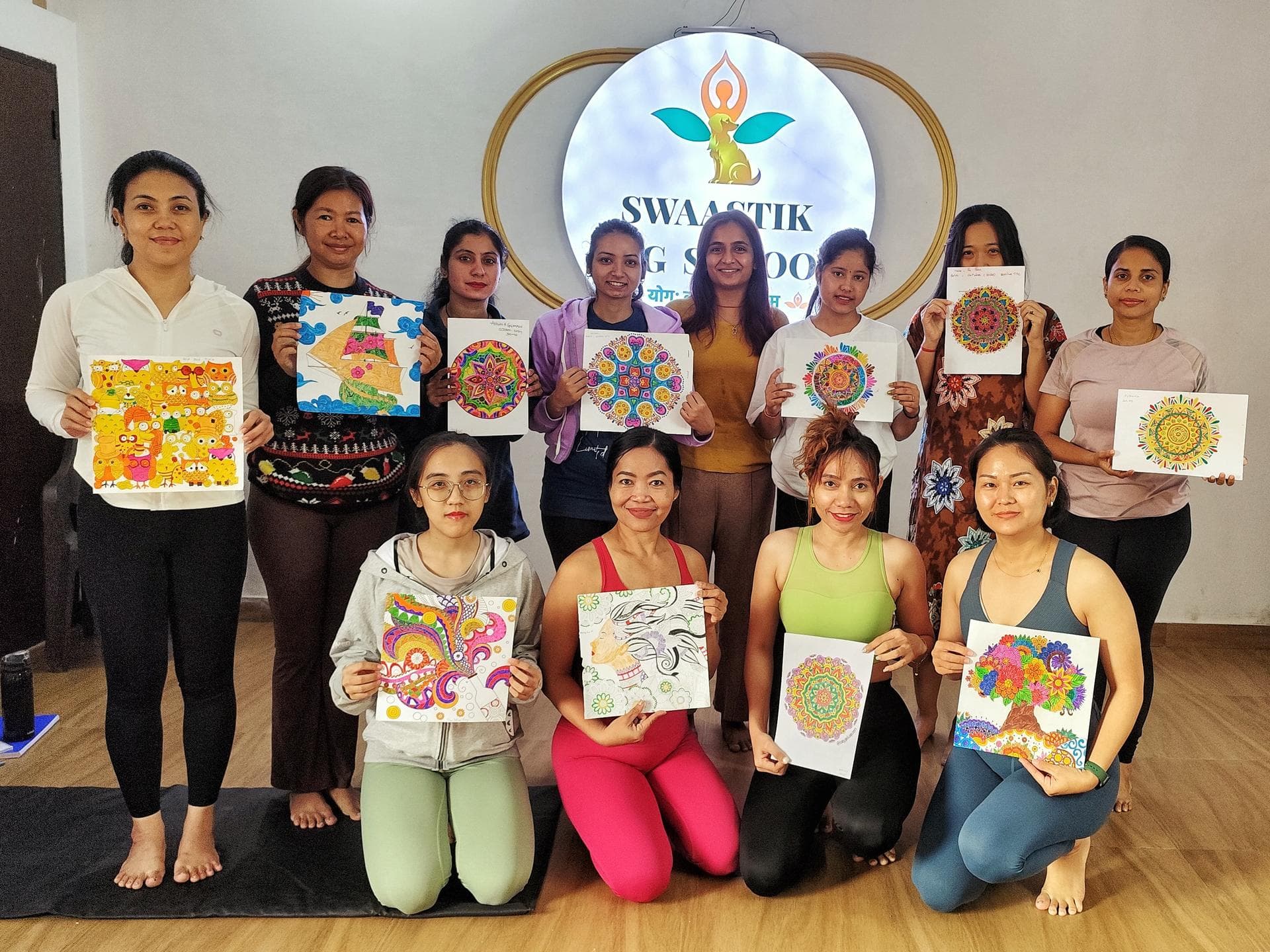
A 200-hour residential YTT in Australia typically runs AUD $4,500 to $7,000. At Swaastik Yog School in Rishikesh, the equivalent course starts at $400 USD (around AUD $620) — accommodation, three meals daily, study materials, and certification all included. Even with airfare from Sydney or Melbourne, the total is far less than studying at home, and the depth of teaching, with native Indian instructors rooted in classical traditions, is the genuine article.
Indian Visa Requirements for Australian Citizens (2026)
Australian passport holders apply for the Indian e-Tourist Visa entirely online.
- Apply at:
indianvisaonline.gov.in/evisa— the official government portal. Avoid third-party sites that charge inflated fees. - Options: 30-day, 1-year, or 5-year. For a 24-day 200-hour TTC, 30-day works. The 1-year multiple-entry is great value if you plan future trips.
- Cost: Approximately AUD $40 for 30 days, AUD $60 for 1 year, AUD $120 for 5 years (subject to change).
- Processing time: 3 to 5 business days. Apply at least 2 weeks before departure.
- What you need: Passport valid 6+ months beyond your return date with 2 blank pages, a digital passport-style photo (white background, JPEG), and a clear scan of your passport bio page.
Approval arrives by email as an Electronic Travel Authorization (ETA). Print it and bring to the Indian airport.
Flights from Australia to Rishikesh
Delhi (DEL) is the main entry point. From major Australian cities, expect one-stop routings.
Common Routes from Australian Cities
- From Sydney (SYD): Singapore Airlines via Singapore (8 + 7 hours), Cathay Pacific via Hong Kong, or Malaysia Airlines via Kuala Lumpur. Total travel ~15 to 17 hours including layover. AUD $1,300 to $1,900 round trip.
- From Melbourne (MEL): Similar one-stop routings. Singapore Airlines and Qantas (codeshare) reliable. AUD $1,300 to $1,900.
- From Perth (PER): Closer to India geographically. Singapore via Singapore Airlines is the standard route, around 12 to 14 hours. AUD $1,100 to $1,600.
- From Brisbane (BNE): Singapore Airlines or Cathay Pacific via Hong Kong. AUD $1,300 to $1,900.
- From Adelaide (ADL): Connect via Sydney or Singapore. AUD $1,400 to $2,000.
Best-value carriers: Singapore Airlines, Malaysia Airlines, Cathay Pacific, and Qantas all reach Delhi reliably. Book 8 to 12 weeks ahead for best fares.
From Delhi to Rishikesh
- Pre-arranged airport taxi: 5 to 6 hours, around AUD $80 to $135. The standard option for first-timers. We arrange this for our students if booked in advance.
- Domestic flight to Dehradun (DED): 50 minutes, AUD $70 to $140 one-way, then a 1-hour taxi to Rishikesh.
- Shatabdi Express train to Haridwar: 4 to 5 hours, AUD $15 to $30 in chair car, then a 30-minute taxi to Rishikesh.
After 15+ hours of flying, most Aussie students opt for the pre-arranged taxi. It is the easiest decompression after a long journey.
Money: AUD, INR, and Realistic Costs
The Indian Rupee currently trades at roughly AUD $1 = ₹55 (subject to fluctuation). Outside course fees and flights, plan for these on-the-ground costs.
- Daily personal spending: AUD $15 to $30 covers cafés, snacks, transport, laundry, and small shopping.
- Course-end gratuities: AUD $50 to $80 for teachers and ashram staff (optional).
- Excursions and treatments: Ayurvedic massage AUD $30 to $45. Himalayan day trip AUD $40 to $70. Most students enjoy 2 or 3 of these during the course.
- Souvenirs: AUD $100 to $300 for quality yoga clothing, books, malas, brass items, and incense.
Cash and cards: Australian debit cards (Commonwealth, ANZ, NAB, Westpac) generally work well at Indian ATMs. Notify your bank of travel before departure. Bring AUD $300 to $500 cash as buffer to exchange in Delhi or Rishikesh.
Time Zones — The Aussie Advantage
India Standard Time (IST) is only 4.5 hours behind Sydney/Melbourne (AEDT), 2.5 behind Perth (AWST). This is far friendlier than the US or UK gap.
- From Sydney/Melbourne (AEDT): Your 7 AM IST is 11:30 AM at home. Your 8 PM IST is 12:30 AM. The morning practice (6 to 8 AM IST) is the perfect time for family in Sydney to drop a quick "good morning" message before lunch.
- From Perth (AWST): Your 7 AM IST is 9:30 AM in Perth. Even closer overlap. You can call home almost any time of day.
- Lunch break (1 to 2 PM IST): 5:30 to 6:30 PM AEDT — peak family chat window when everyone is home from work.
This time zone friendliness is a real benefit during a 4-week training. Most family calls just work without needing to schedule around impossible hours.
Best Time for Australian Students
Australia's seasonal calendar matters because Rishikesh is its own climate. Don't assume warm months in Australia are warm in Rishikesh — they often aren't.
- October to mid-November: Aligns with Aussie spring/early summer. Rishikesh weather is ideal (22 to 28°C, cool evenings). Peak season — book early.
- February to April: Australian late summer/autumn. Rishikesh is in spring with comfortable temperatures and beautiful landscapes. Excellent timing.
- December to January: Australian summer holidays. Rishikesh is cold (5 to 12°C in early morning, 18 to 22°C afternoon). Bring layers — many Aussies underestimate the cold and regret packing only summer wear.
- May to June: Australian autumn/early winter. Rishikesh is hot (30 to 38°C). Discounted rates available.
- July to September: Australian winter. Indian monsoon. Most yoga schools pause. Avoid.
What to Pack from Australia
- Layers including warm clothing: Even in shoulder season, mornings are cool. October to April travelers should bring a fleece, lightweight down jacket, beanie, and warm socks. December to February travelers especially.
- Modest, loose clothing: Rishikesh is a holy town. Cover shoulders and knees when out of class.
- Yoga apparel: 2 to 3 sets of leggings or yoga pants and tops. Australian yoga clothing tends to be excellent quality — bring favorites.
- Slip-on sandals or shoes: You will remove footwear constantly (entering shrines, the yoga shala, your room). Slip-ons make life easier.
- Toiletries: Bring sunscreen (Australian SPF standards exceed Indian options), specific brands you depend on, and tampons (harder to find in India).
- Universal power adaptor: India uses Type C and D plugs, different from Australian Type I. A universal adaptor is essential.
- OTC medications: Panadol/Nurofen, antihistamines, oral rehydration salts (Hydralyte), and a course of antibiotics for travelers' diarrhea (your GP can prescribe).
- Travel insurance: Don't skip. Comprehensive cover including medical evacuation. Cover-More, Allianz Australia, and World Nomads all offer suitable plans for Australian travelers.
Health, Vaccinations, and Smartraveller
The Australian Government's Smartraveller website is the authoritative reference for Aussie travelers to India. Recommended vaccinations as of 2026 typically include hepatitis A, typhoid, and tetanus. Consider hepatitis B, Japanese encephalitis (for longer rural trips), and rabies (if you plan rural exploration). Visit a travel clinic 6 to 8 weeks before departure.
Drink bottled or filtered water only. Eat fresh, hot vegetarian food. Standard travel-stomach precautions apply. We provide filtered water at the ashram and serve thoroughly cooked sattvic meals — most of our Aussie students stay healthy throughout.
Cultural Notes for Aussies
- Rishikesh is dry and vegetarian. No alcohol, no meat. Plan a four-week pause from your local. Most students adapt within days and feel better for it — light, vegetarian food and no hangovers does wonders for a yoga practice.
- Modest dress. Less skin than you might wear in Bondi or St Kilda. Loose pants, longer shorts, t-shirts that cover shoulders.
- The Aussie casual attitude works well. Friendliness, openness, and a sense of humor translate beautifully. Just dial down sarcasm — it does not always read.
- Tipping: 10 percent at restaurants is generous. Round up auto-rickshaw fares. Small notes for porters or staff are appreciated.
- "Indian time" is a real thing. Schedules slip 15 to 30 minutes routinely. Patience is part of the practice.
Returning to Australia as a Certified Yoga Teacher
Your 200-hour certificate from a Yoga Alliance Registered School (RYS) qualifies you to register as RYT-200 with Yoga Alliance — recognized internationally including throughout Australia. Registration is $50 USD plus a $65 annual fee.
For Australian-specific recognition, you may also register with Yoga Australia, the national professional body. Yoga Australia membership requires evidence of training and ongoing professional development.
Australian yoga teaching pays AUD $50 to $120 per class. Major markets (Sydney, Melbourne, Brisbane) have plenty of studios. Many alumni teach part-time alongside another career, run weekend retreats in the Blue Mountains, Margaret River, or Byron Bay, and take on corporate yoga which is well-paid in Sydney and Melbourne CBDs.
Ready to Plan Your Journey?
If you are seriously considering yoga teacher training in India, the next step is picking your course. The 200-hour TTC is the standard. The 100-hour course is a shorter immersion. The 300-hour TTC is for existing RYT-200 graduates. Compare all options side-by-side on the course comparison page.
Australia and India share a long, friendly relationship — and Rishikesh has welcomed thousands of Australian yoga students over the decades. The journey from Sydney or Melbourne to the banks of the Ganges is shorter than you imagine, and the return is unlike anything you can find at home. The Himalayas are waiting.