5天 / 4晚
瑞诗凯诗5天瑜伽静修
深化瑜伽练习的延长沉浸体验
查看静修营 →
The 3-Day Yoga Retreat at Swaastik Yog School is a short, all-levels weekend immersion in Rishikesh, India — the easiest way to experience an authentic Himalayan yoga retreat without a long time commitment. Each day blends morning Hatha yoga, pranayama, guided meditation and cultural excursions, with comfortable accommodation and three daily sattvic meals included. No prior experience is needed. The all-inclusive price starts at $100 on double-sharing.
Join our 3-day residential yoga and meditation retreat in Rishikesh, India — the perfect weekend escape for beginners and busy professionals wanting their first taste of authentic Himalayan yoga. Each day includes morning Hatha yoga, pranayama, guided meditation, cultural excursions, comfortable accommodation, and wholesome sattvic meals, all from just $100. Ideal for anyone who has never attended a retreat but wants a meaningful, affordable introduction to yoga in India.
位于瑞诗凯诗的 Yoga Alliance 注册瑜伽学校(RYS 200、300 和 500)。别只听我们说,亲自查证吧:
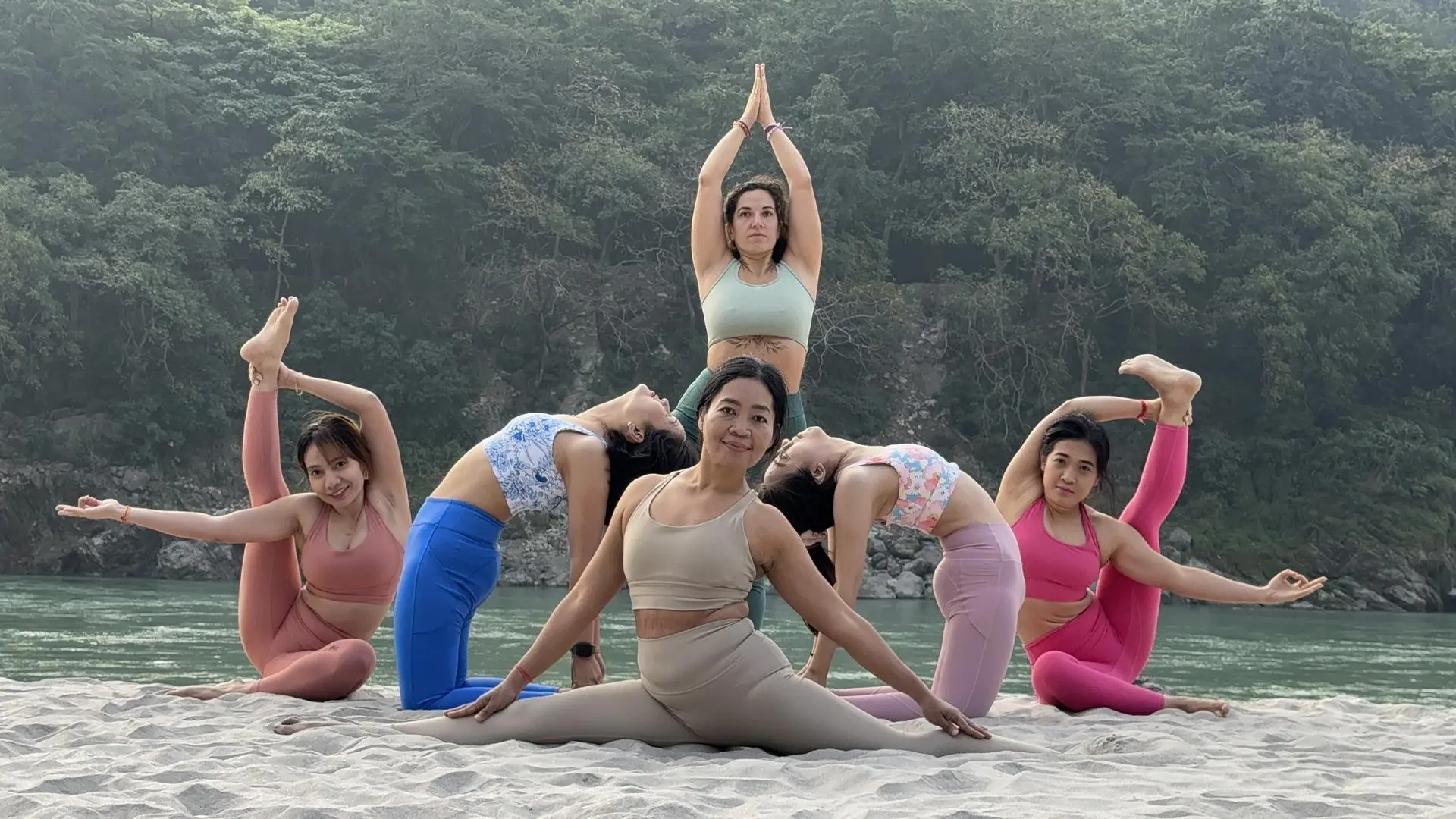
我们在瑞诗凯诗的3天瑜伽静修是一段短暂而深刻的瑜伽和冥想之旅。它专为时间有限但希望在瑞诗凯诗宁静而灵性的环境中体验瑜伽变革力量的人设计。这个静修既适合初学者,也适合想要深化练习的资深练习者。
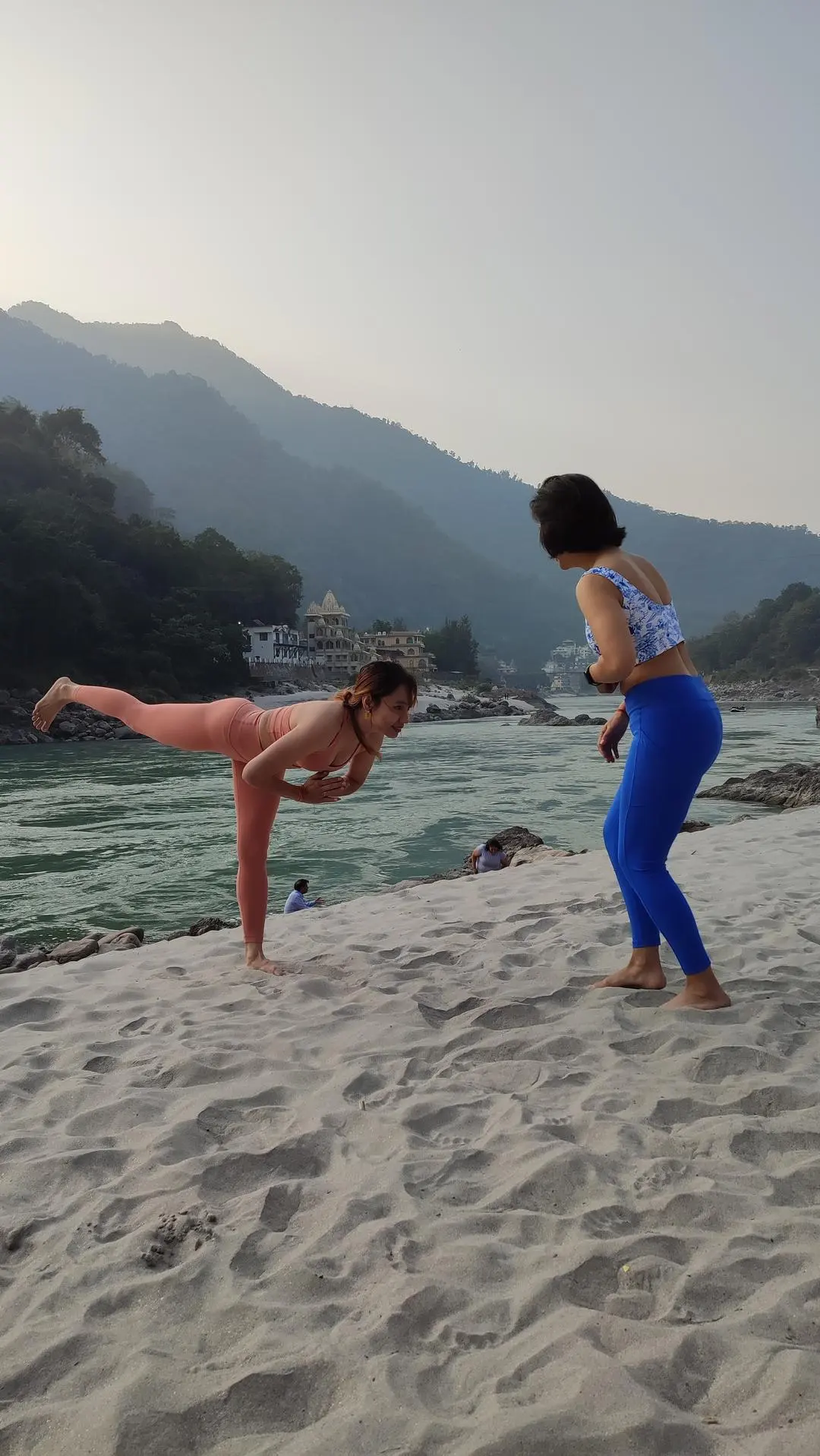
在这3天里,您将沉浸在每日瑜伽课程、引导冥想和调息(呼吸法)练习中。您还将通过我们健康美味的素食体验萨特维克(瑜伽式)生活方式。静修还包括文化游览,探索瑞诗凯诗的灵性遗产。
*空调房间需额外付费。
06:00 AM – 10:00 AM
起床铃
清洁法 & 调息
冥想
哈他流瑜伽
早餐
11:00 AM – 01:00 PM
自由时间
午餐
04:00 PM – 05:30 PM
阿斯汤加流瑜伽
茶歇
07:00 PM – 09:00 PM
晚餐
熄灯
图库
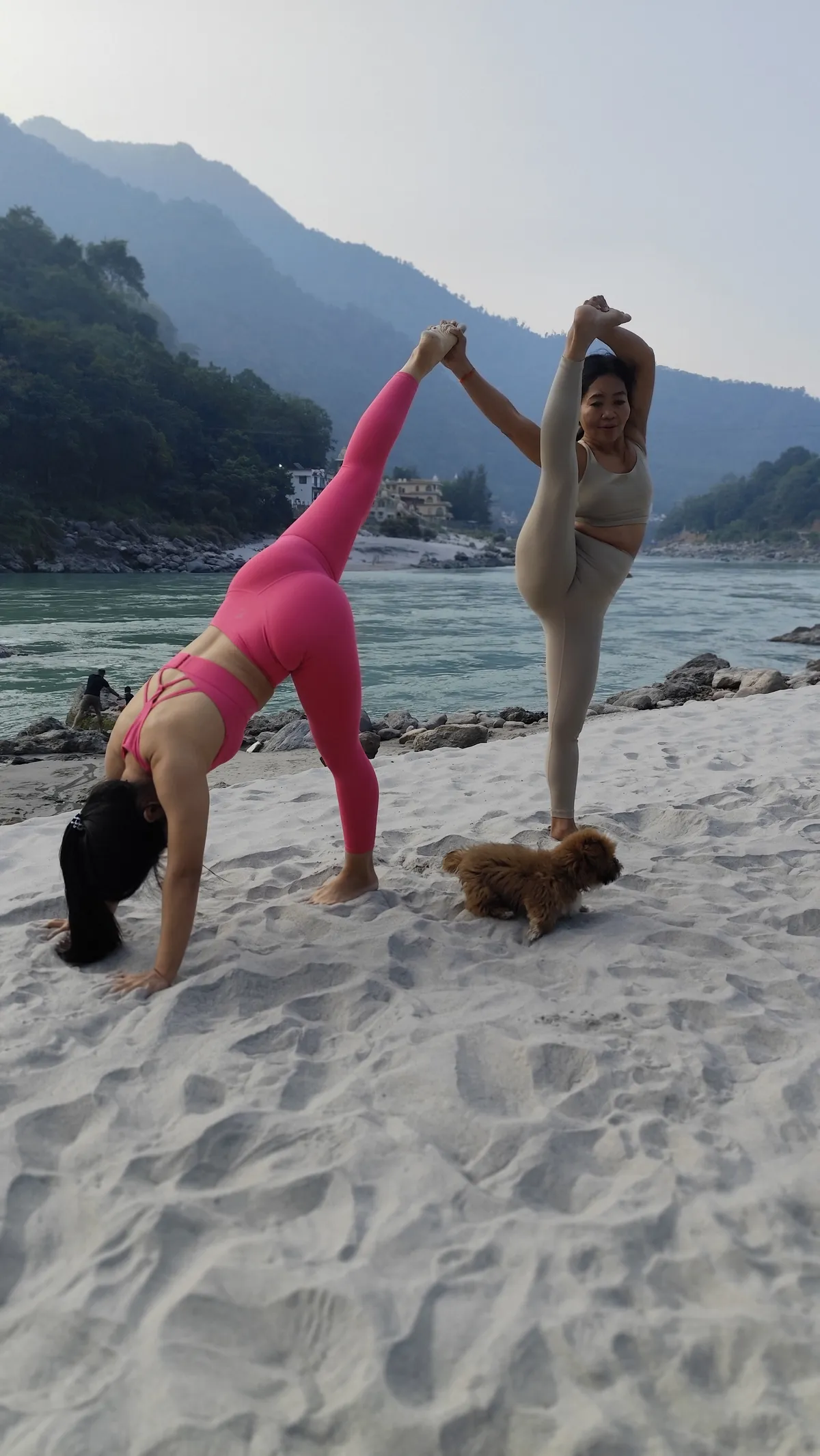
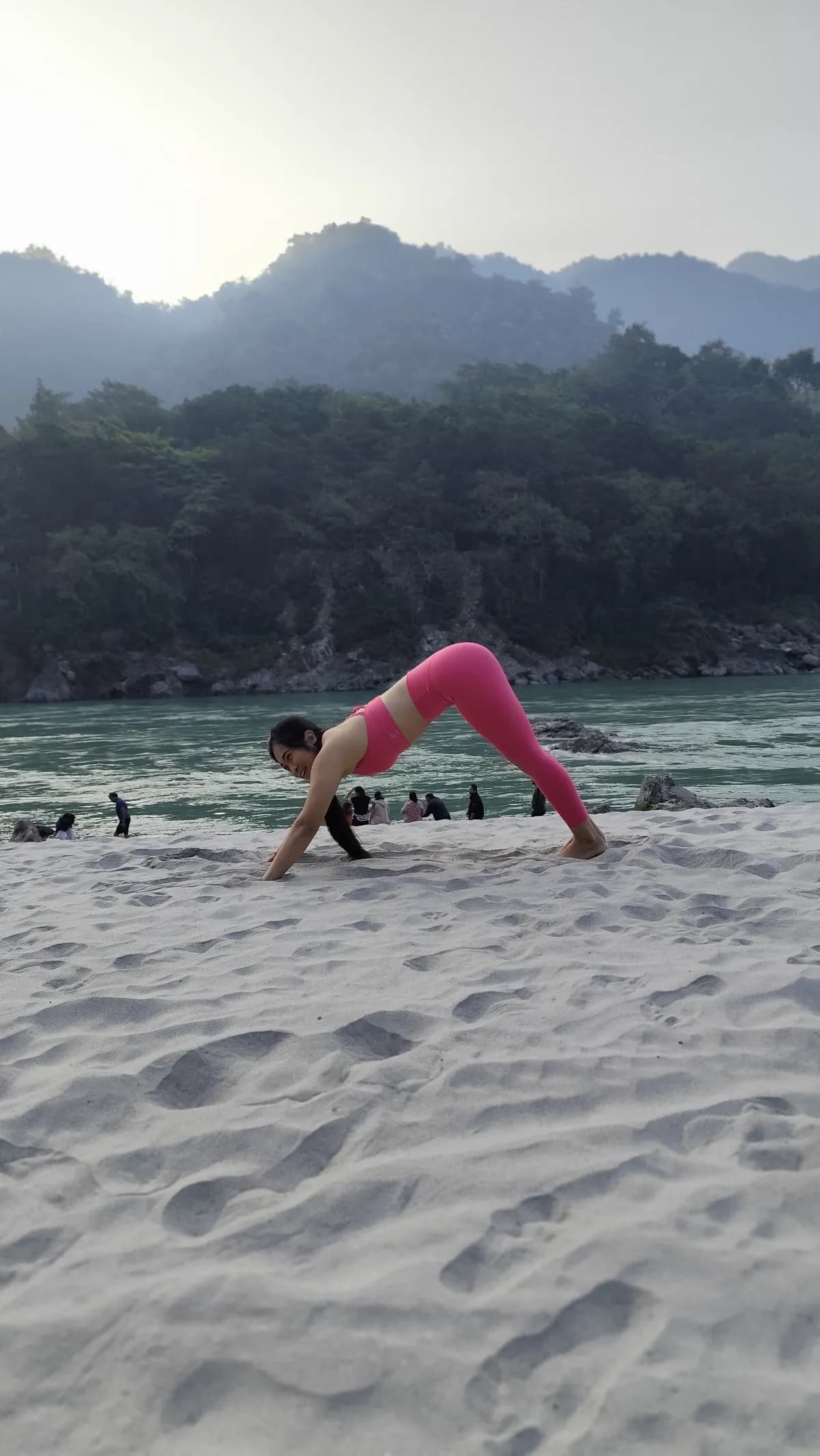
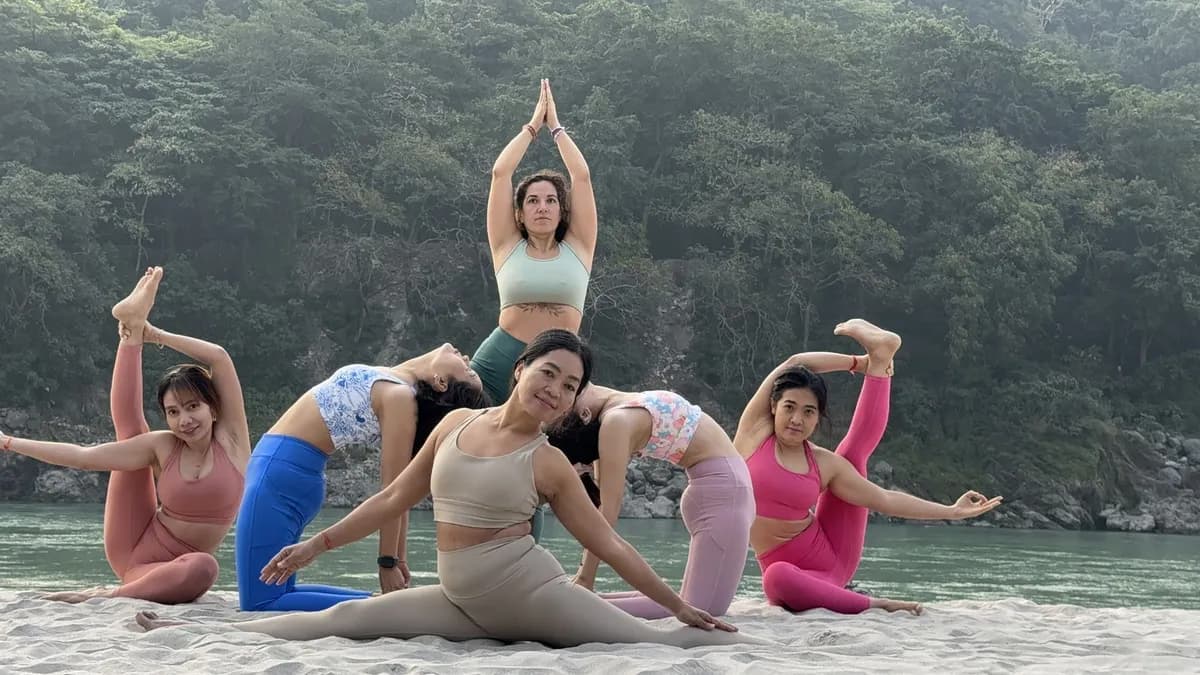
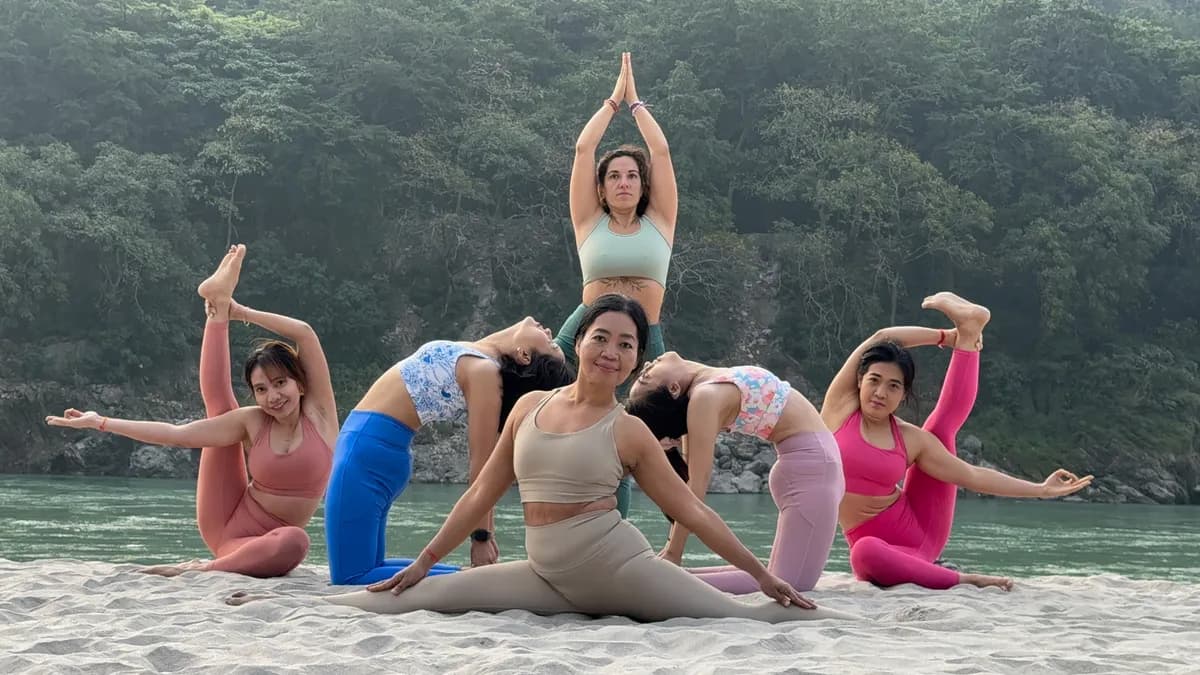
住宿
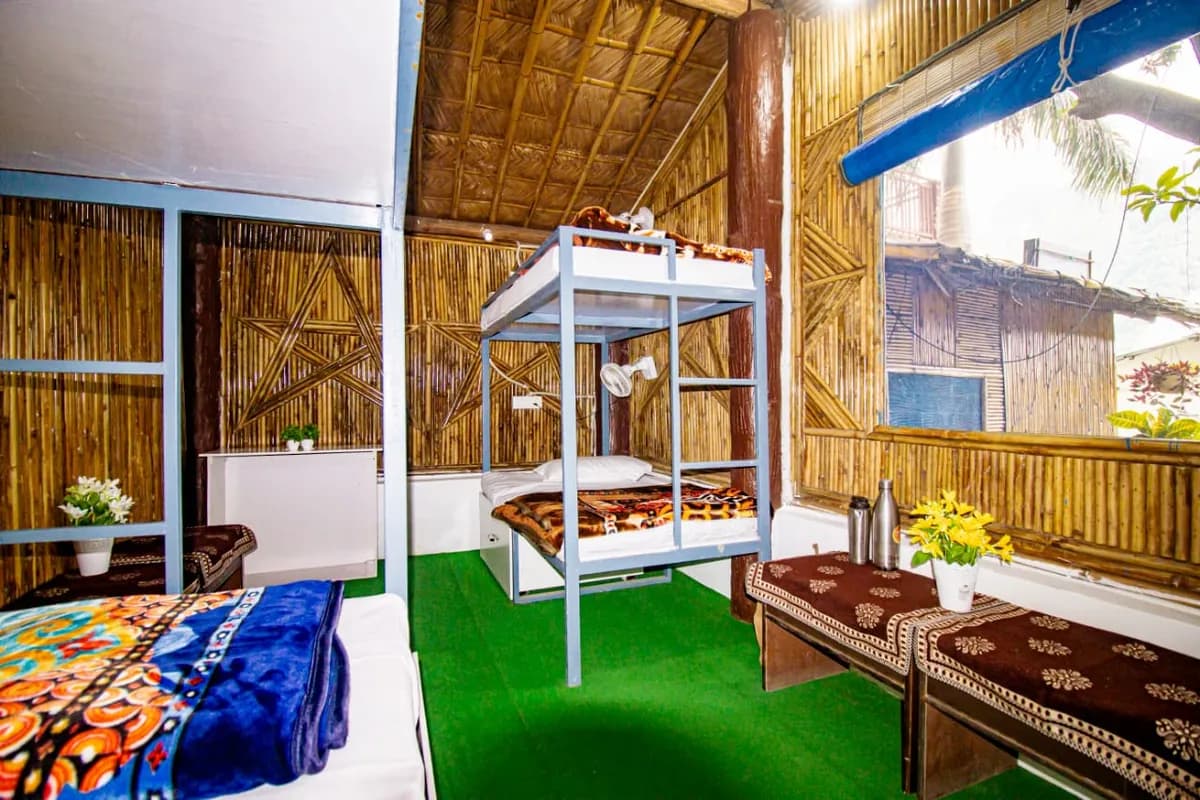
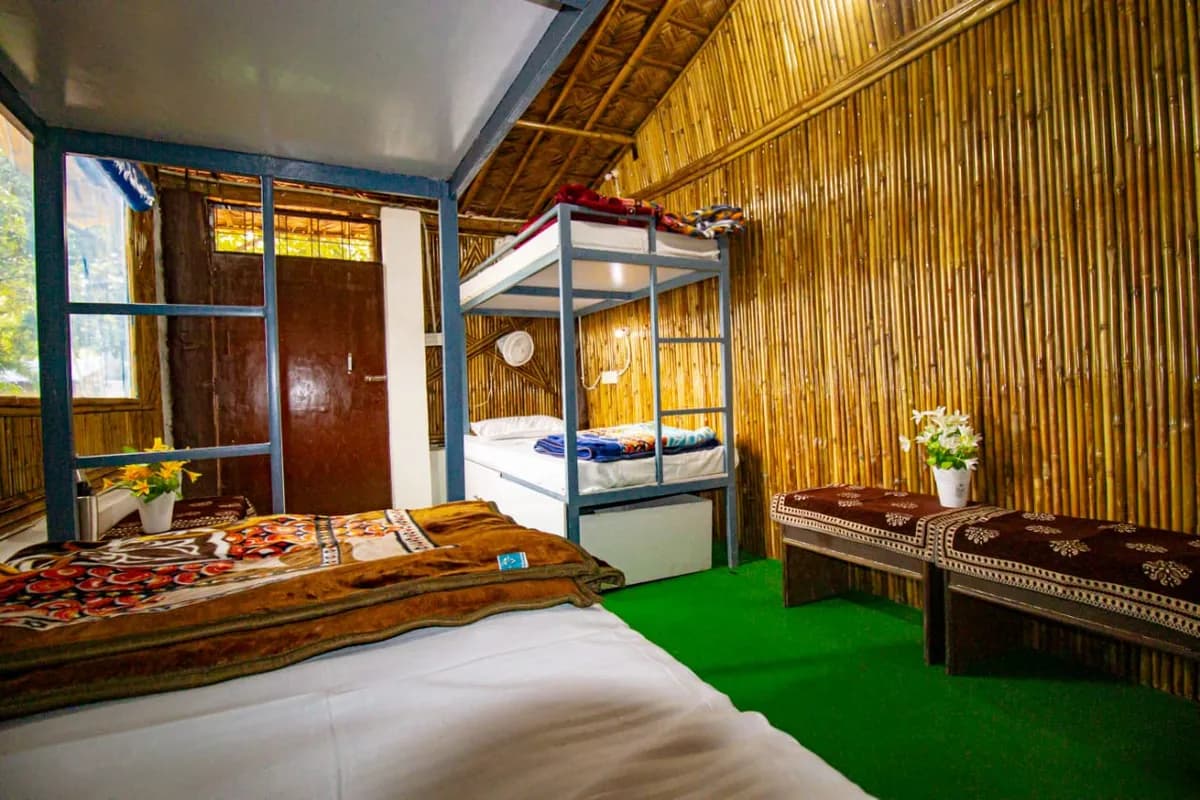
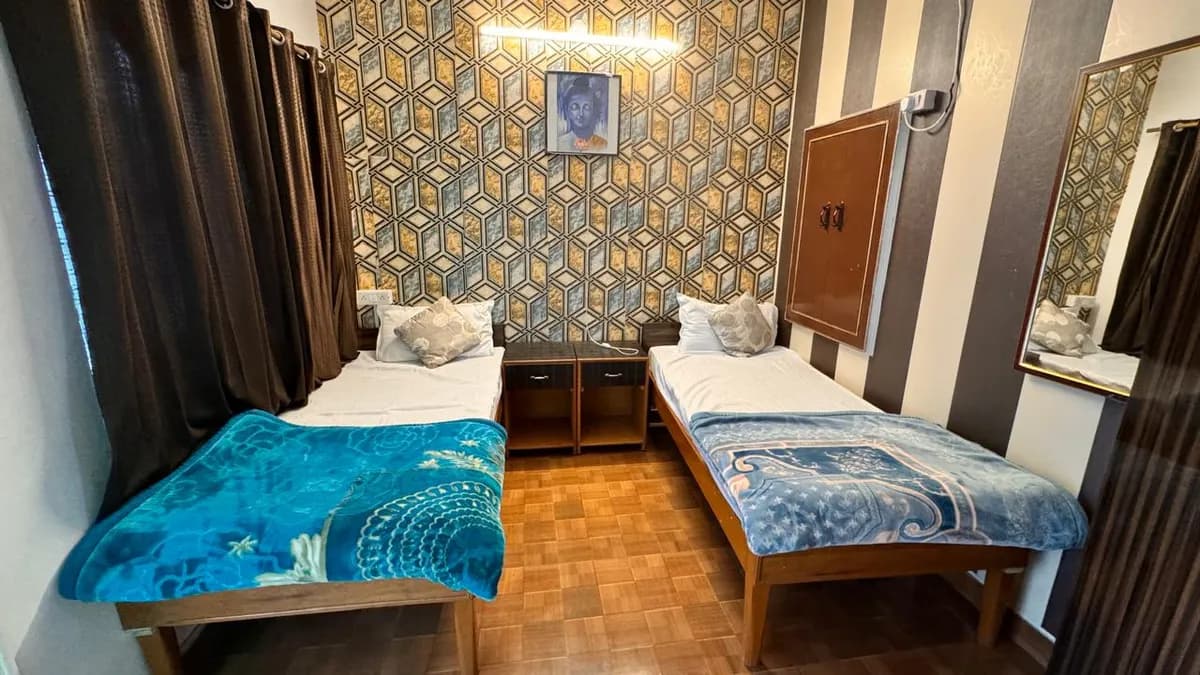
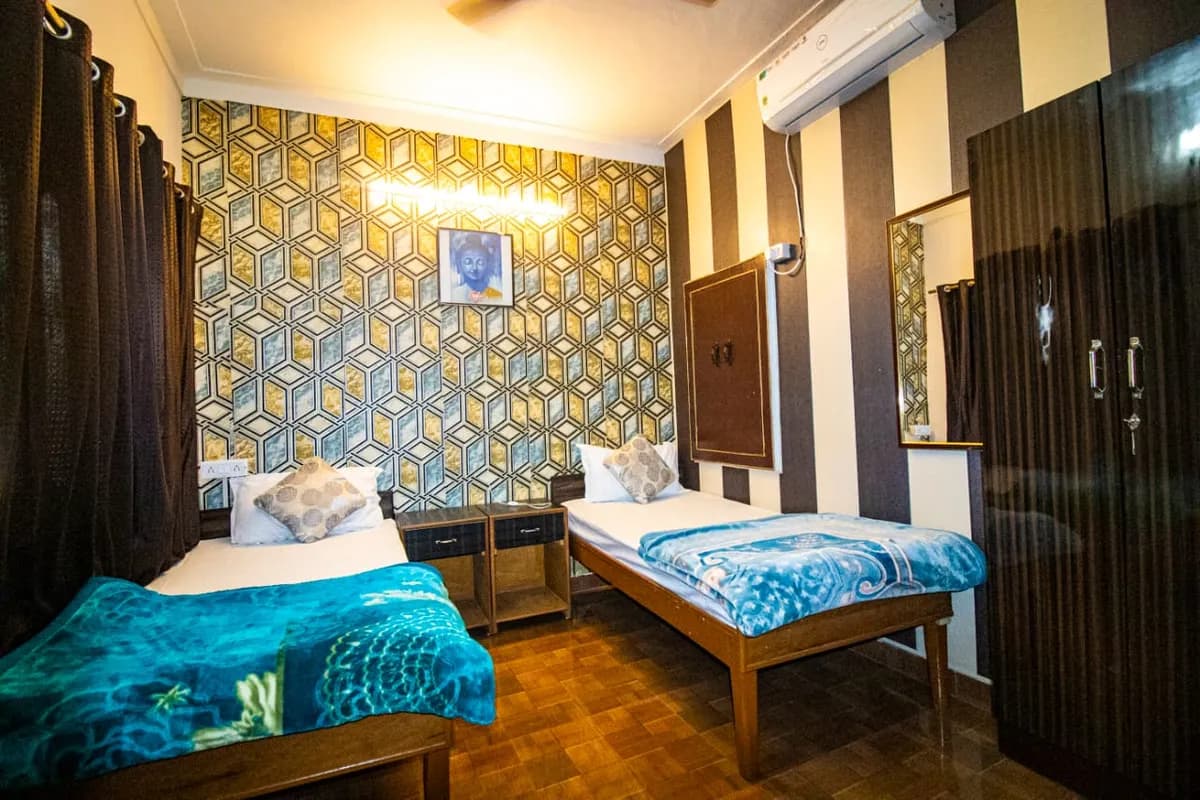
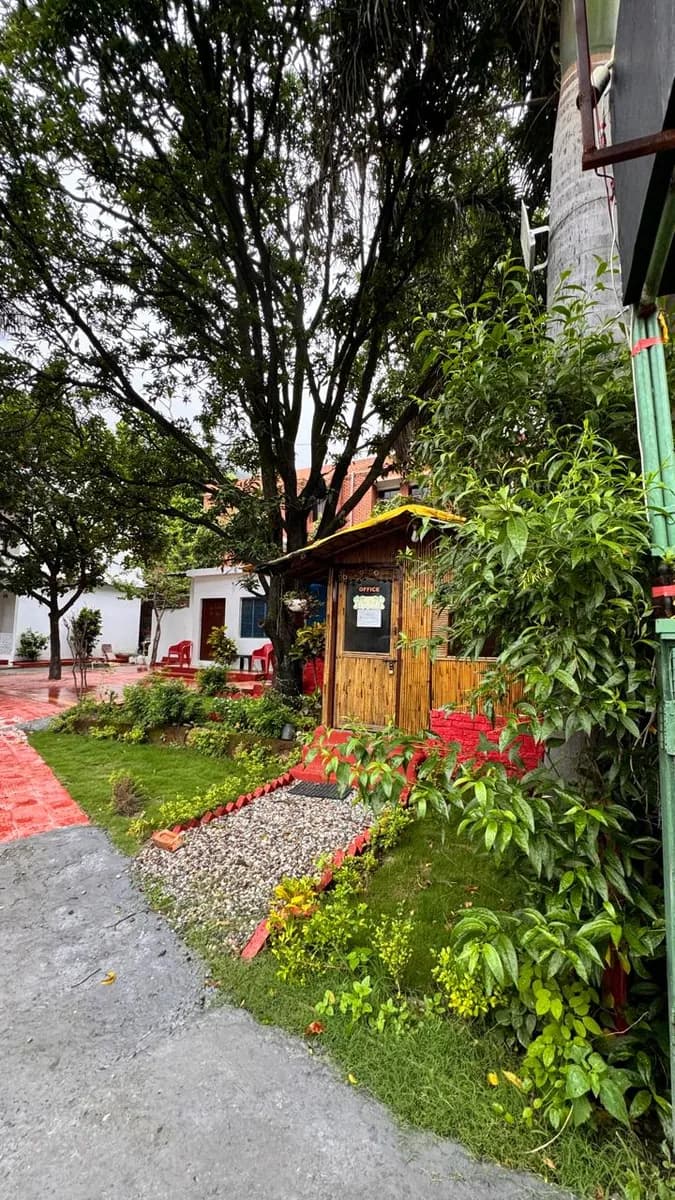
Here is exactly where you will stay during your retreat — our peaceful residential campus set among gardens and forest in Tapovan, Rishikesh, just a short walk from the Ganga. Choose a friendly dorm, a twin-shared room, or a private room, all with attached bathrooms and daily housekeeping.
11月至2月来培训?我们的瑜伽大厅每堂课都有暖气,每间客房都配备电热毯,喜马拉雅寒冷的清晨绝不会影响你的练习。
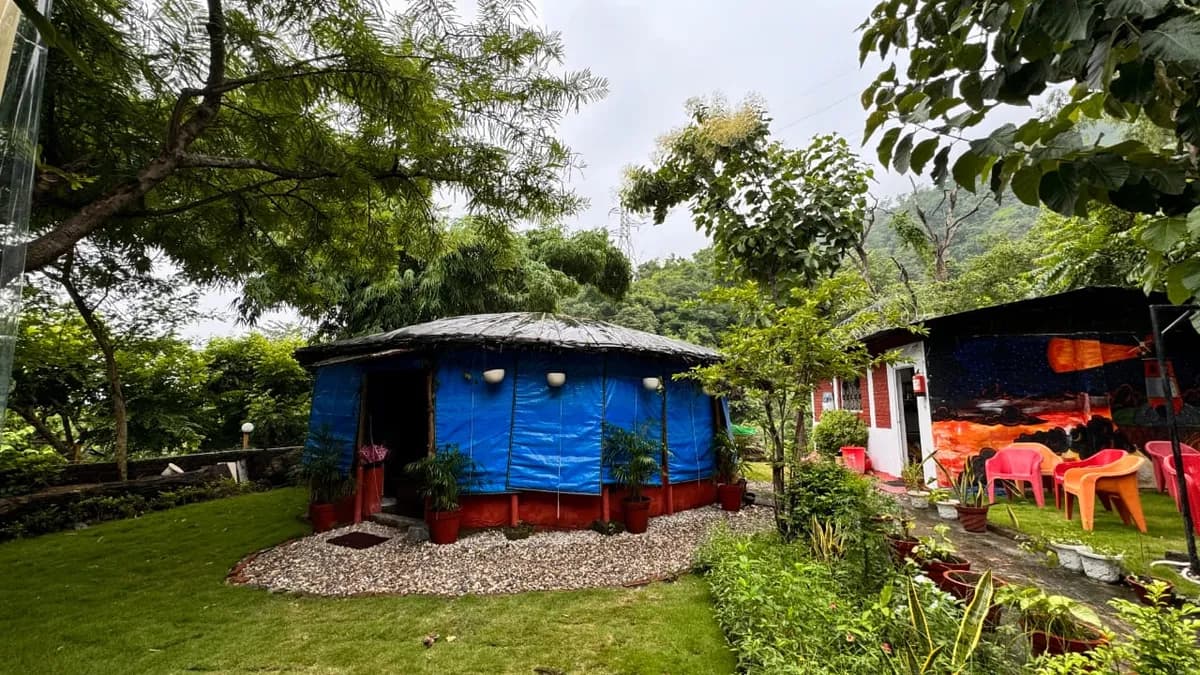
经济实惠的竹屋宿舍,配有舒适的单人床和上下铺——最容易结交朋友的住宿方式。
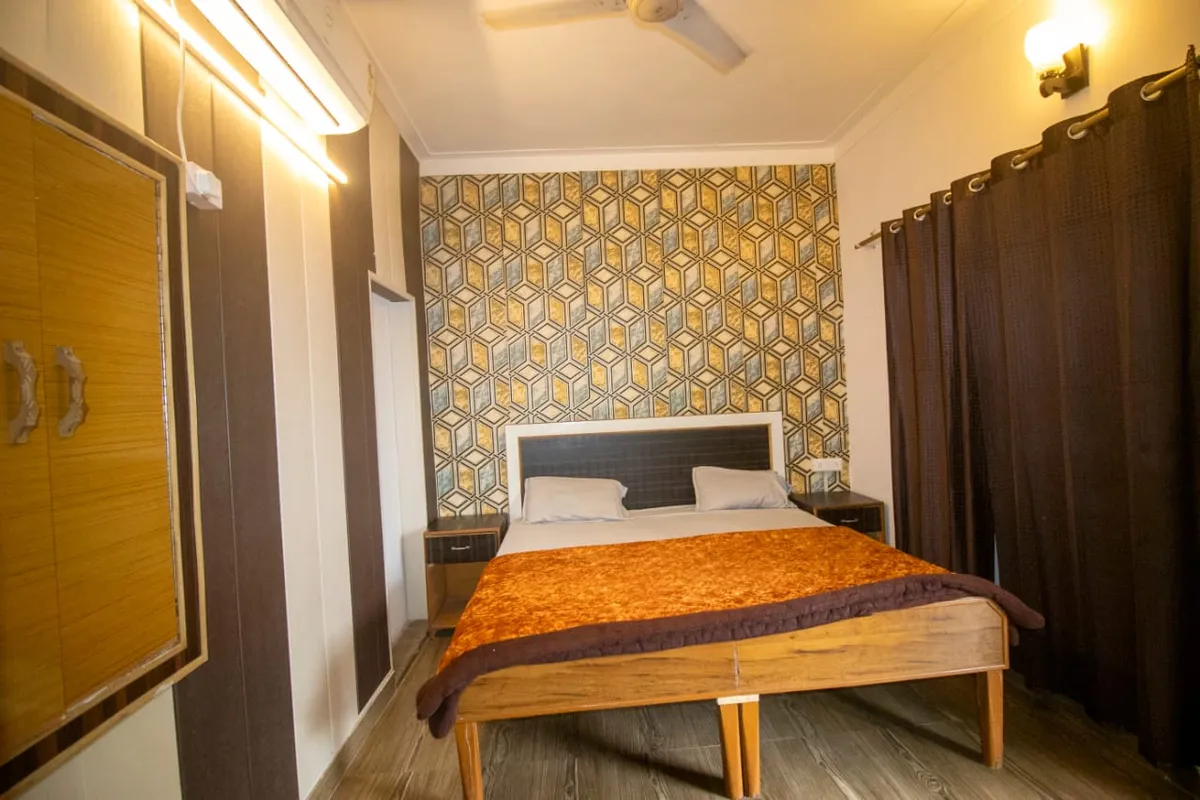
明亮的双床房,两张单人床、装饰墙和独立卫浴——与另一位学员合住。
专属于你的私人房间,配有双人床、空调和独立卫浴,安静舒适,好好休息。

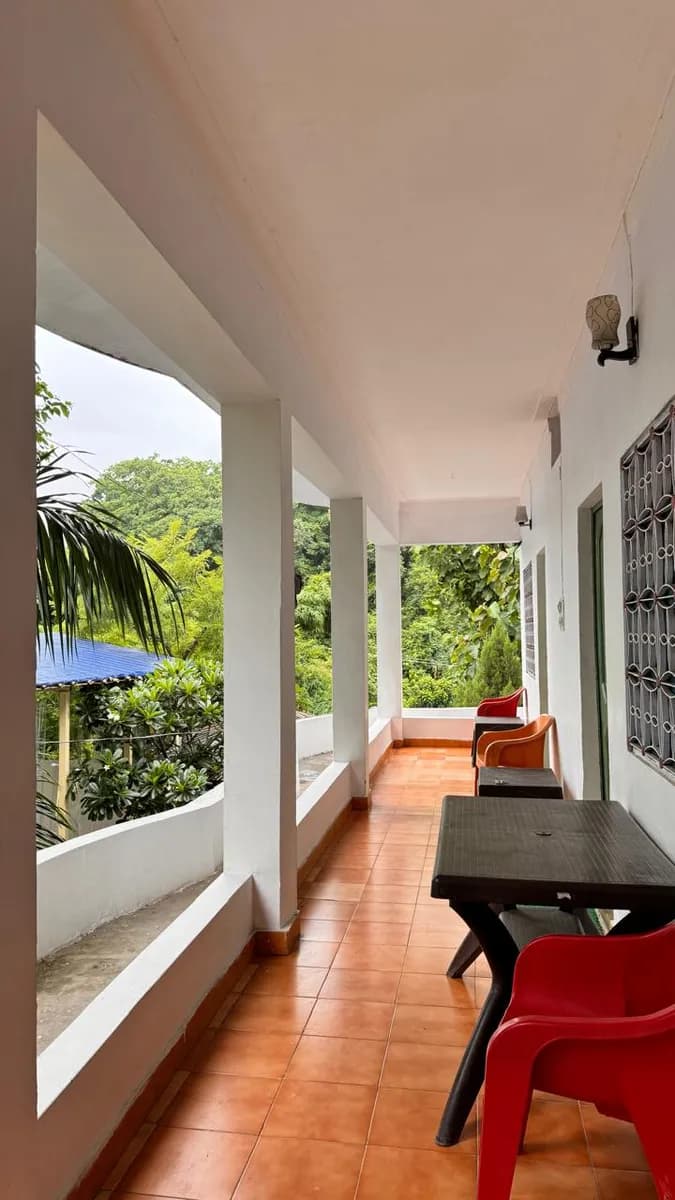
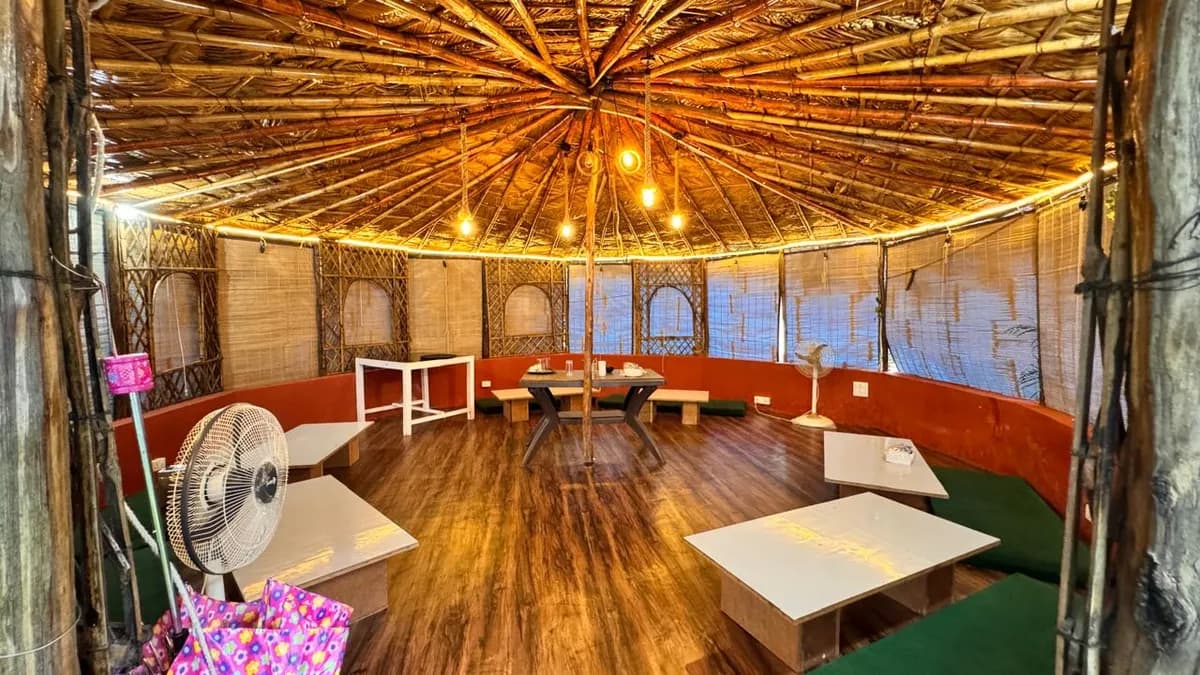
绿意盎然的花园、森林景观阳台,以及一座竹制大厅,供冥想、学习或课间放松。

A yoga retreat is a dedicated period of time away from your normal routine, structured around daily yoga and meditation practice. Unlike a drop-in class at your local studio, a retreat removes the distractions of work, screens, and household obligations so that you can turn inward and let a practice settle deeply into your body and mind. Even three days is enough to experience this shift — many guests find that just 48 to 72 hours of intentional practice leaves them noticeably calmer and lighter in mood.
A 3-day retreat is particularly well suited to:
You do not need to be flexible, fit, or have any prior yoga experience. Our teachers meet each student exactly where they are, offering modifications for every posture so that the practice feels accessible regardless of your background.
While every day carries its own energy, short yoga retreats in Rishikesh tend to follow a gentle, natural rhythm that mirrors the arc of daylight in the foothills of the Himalayas. This structure is not a rigid timetable but a living framework — flexible enough to breathe, consistent enough to let habits form.

Mornings in Rishikesh begin early and quietly. The air is cool and still before the town stirs, making this the traditional time for yoga and pranayama. A morning session typically combines breath-work to awaken the nervous system, Hatha asana to warm and open the body, and a closing period of silent meditation. Practising before the mind fills with the day's concerns leaves a quality of clarity that carries through to the afternoon.
After the morning session and a nourishing sattvic breakfast, the middle of the day is typically left open for rest, journaling, walking along the Ganges, visiting nearby temples, or simply sitting in stillness. This unstructured time is not empty — it is where integration happens. Many students find that insights from the morning practice surface during quiet afternoons spent beside the river.
Afternoon classes tend to be softer in tone — restorative postures, philosophy discussions, or anatomy workshops depending on the day. This is often when teachers introduce the theoretical side of yoga: how the eight limbs relate to daily life, the role of the koshas (layers of the self), or the philosophy behind sattvic living. Theory taught in context, right after a morning of practice, lands very differently from reading about it at home.
As the Himalayan light softens, evenings close with meditation, yoga nidra, or kirtan (devotional chanting) — practices that draw the nervous system gently toward rest. The evening meal is light and early, in keeping with the ayurvedic principle that a rested digestive system supports deeper sleep. Nights at the retreat tend to be genuinely restorative: screen-free, cool, and quiet enough to hear the Ganges below.

Rishikesh sits at about 370 metres above sea level at the point where the Ganges descends from the Himalayas onto the plains of northern India. The setting is extraordinary: forested ridgelines rising on both banks, the river running clear and swift, the air carrying pine resin and marigold smoke. Thousands of practitioners and seekers have been drawn here for over a century, and that accumulated intention is palpable in a way that is difficult to describe but easy to feel within a few hours of arrival.
Known internationally as the "Yoga Capital of the World," Rishikesh earned this title not through marketing but through lineage. The city is home to some of the oldest surviving ashrams in India, and the teachings practiced here trace back through living chains of guru and student to the foundational texts of Hatha and Raja yoga. Attending even a short retreat here connects you, however lightly, to that tradition.
From a practical standpoint, Rishikesh is also genuinely easy to reach from most Indian cities. Jolly Grant Airport in Dehradun is roughly 20 kilometres away, and overnight trains from Delhi arrive at Haridwar, just 24 kilometres downstream — meaning you can step off a train, travel for under an hour, and be sitting in morning practice before the rest of your friend group has finished their commute to the office.
The absence of motorised vehicles in the main areas near the Ganges means Rishikesh has a pedestrian quality unusual for an Indian town. There are no car horns echoing through the yoga hall, no exhaust fumes drifting through meditation. For a three-day escape, this matters enormously — it means you actually decompress rather than simply relocating your stress.
Packing light is genuinely advisable for a short retreat. The less you carry, the less you have to manage, and the faster you settle into the rhythm of the place. Here is a practical guide:
The best thing you can leave behind is your laptop. A 3-day retreat is short enough that most professional obligations can genuinely wait. Partial digital detox — even just keeping your phone on silent and out of the yoga hall — dramatically increases what you get from the experience. Many guests also choose to leave alcohol and heavy non-vegetarian meals behind for the duration, not because of rigid rules but because a lighter diet genuinely supports the clarity that the practice aims to cultivate.
Real retreat days by the Ganga — tap to watch.
From our YouTube channel
Batches start every Monday. From $100 all-inclusive — yoga, meditation, meals & stay.
我们让比较变得简单。在同一个页面并排查看所有师资培训、静修与课程——包含最新开课日期、价格和房型选择。
了解更多,与 Swaastik Yog School 一起规划你的瑜伽之旅。