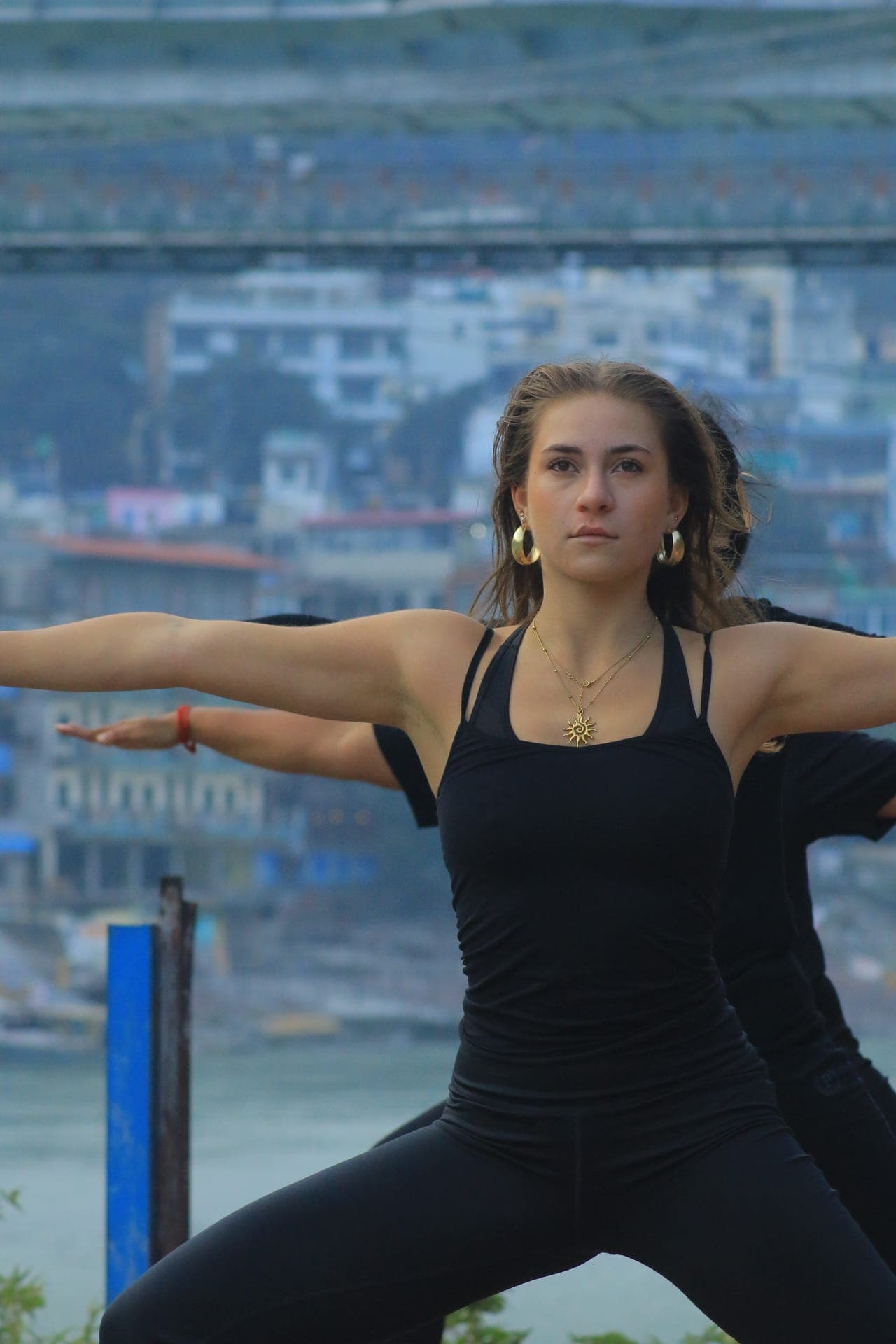
If you have ever browsed a yoga studio schedule, you have likely seen both Hatha and Vinyasa on the timetable and wondered which one to pick. Understanding the difference between hatha and vinyasa yoga is one of the most common questions we hear from new students arriving at Swaastik Yog School in Rishikesh. Both styles offer profound physical and mental benefits, yet they approach the practice in distinctly different ways. In this comprehensive guide, we break down origins, pace, breathing patterns, physical demands, and ideal practitioners so you can choose the path that resonates with your body and goals.
Origins and History: Where Hatha and Vinyasa Yoga Come From
Every modern yoga style traces its roots to the ancient traditions codified in texts like the Hatha Yoga Pradipika, the Yoga Sutras of Patanjali, and the Bhagavad Gita. Yet the way these teachings evolved into what we practice today differs significantly between Hatha and Vinyasa.
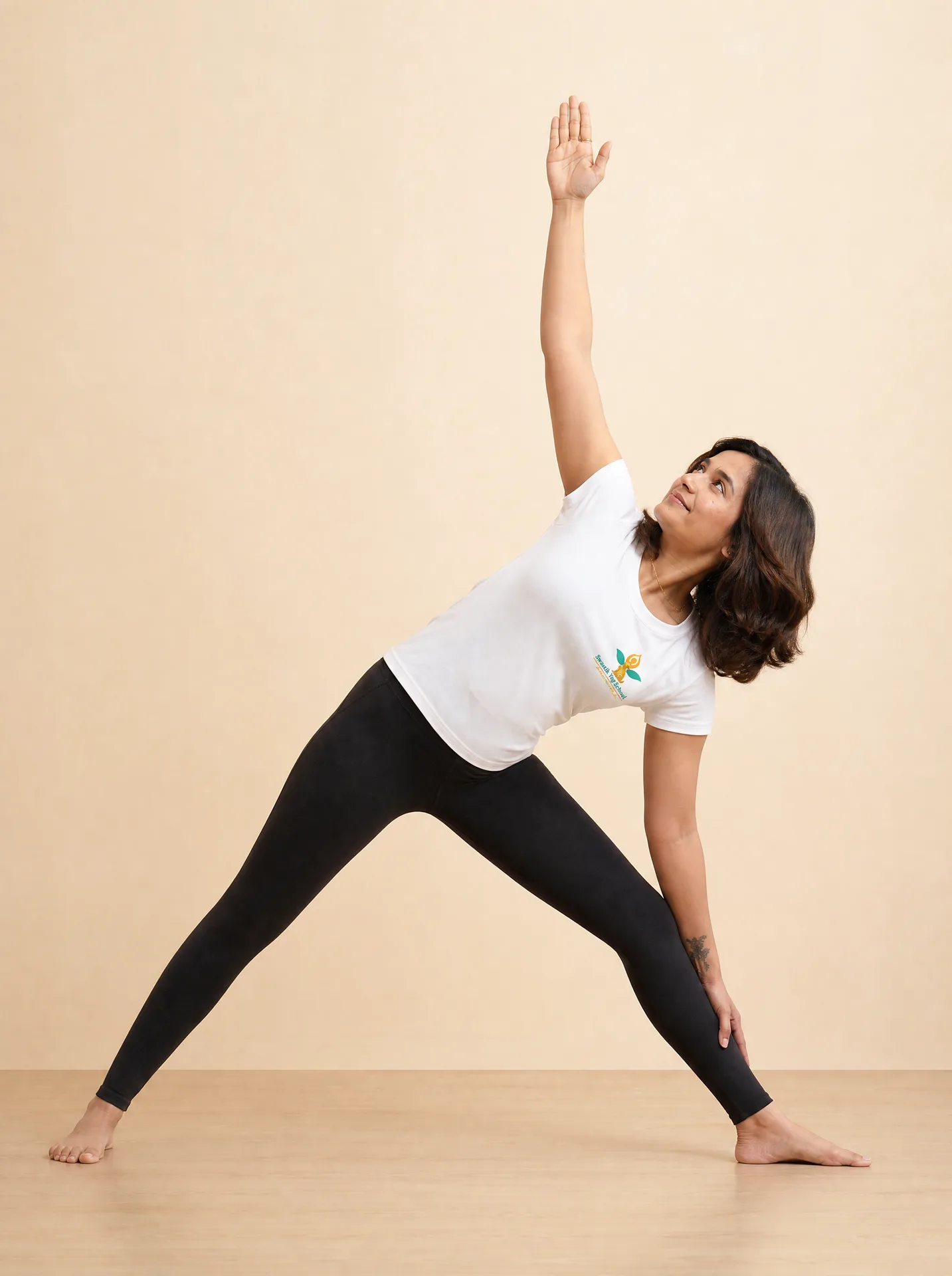
Hatha Yoga: The Foundation of All Physical Yoga
The word Hatha is derived from two Sanskrit roots: "Ha" meaning sun and "Tha" meaning moon. Hatha yoga is about balancing these opposing energies within the body. The Hatha Yoga Pradipika, written by Swami Swatmarama in the 15th century, is the classical reference text. Hatha is considered the parent of all physical yoga styles and emphasizes holding postures (asanas) for extended periods, pranayama (breath control), and internal cleansing techniques (shatkarma). Here in Rishikesh, the birthplace of yoga, Hatha remains the most widely taught traditional style, and you can feel its roots in every ashram from Tapovan to Ram Jhula.
Vinyasa Yoga: The Flowing Evolution
Vinyasa evolved primarily from the Ashtanga tradition popularized by Sri K. Pattabhi Jois in Mysore. The word "Vinyasa" means "to place in a special way," referring to the intentional sequencing of postures linked by breath. Unlike the fixed sequences of Ashtanga, Vinyasa classes allow teachers creative freedom to design flows. This style gained enormous popularity in the West during the late 20th century and is now one of the most practiced forms globally. At our school overlooking the Ganges, Vinyasa classes draw students who crave movement and rhythm in their practice.
Pace and Structure: The Core Difference Between Hatha and Vinyasa Yoga
The most immediately noticeable difference between hatha and vinyasa yoga is the pace. Walk into a Hatha class and you will spend significant time in each posture, often holding for 30 seconds to several minutes. The teacher guides you into the pose, offers alignment cues, and gives you space to breathe and explore the sensation. There are pauses between postures for rest and integration.
A Vinyasa class, by contrast, flows continuously. Postures are linked together in sequences where every movement corresponds to an inhale or exhale. There is rarely a moment of stillness. A typical Vinyasa class might move through 50 or more postures in 60 minutes, whereas a Hatha class might focus on 15 to 20 poses in the same timeframe.
Class Structure Comparison
- Hatha: Opening meditation or pranayama, warm-up, standing poses, seated poses, backbends, inversions, Savasana. Each pose held 30 seconds to 3 minutes.
- Vinyasa: Opening centering breath, Sun Salutations as warm-up, standing flow sequences, balancing poses, floor sequences, cool-down, Savasana. Continuous movement with breath synchronization.
Breathing Techniques: Pranayama in Both Styles
Breath is central to all yoga, but the way it is utilized differs between these two styles. In Hatha yoga, pranayama is practiced as a separate discipline. You might spend 15 to 20 minutes at the start or end of class doing Nadi Shodhana (alternate nostril breathing), Kapalabhati (skull-shining breath), or Bhastrika (bellows breath). The goal is to purify the energy channels and prepare the mind for meditation.
In Vinyasa, the breath is woven directly into movement. You will primarily use Ujjayi pranayama, a slow, audible ocean-sounding breath that creates internal heat and maintains focus. Each movement is initiated by either an inhale or exhale, creating a moving meditation. While standalone pranayama is less common in Vinyasa, the constant breath awareness develops extraordinary lung capacity and concentration.