Quick answer: where can I do a small-group yoga teacher training in Rishikesh?
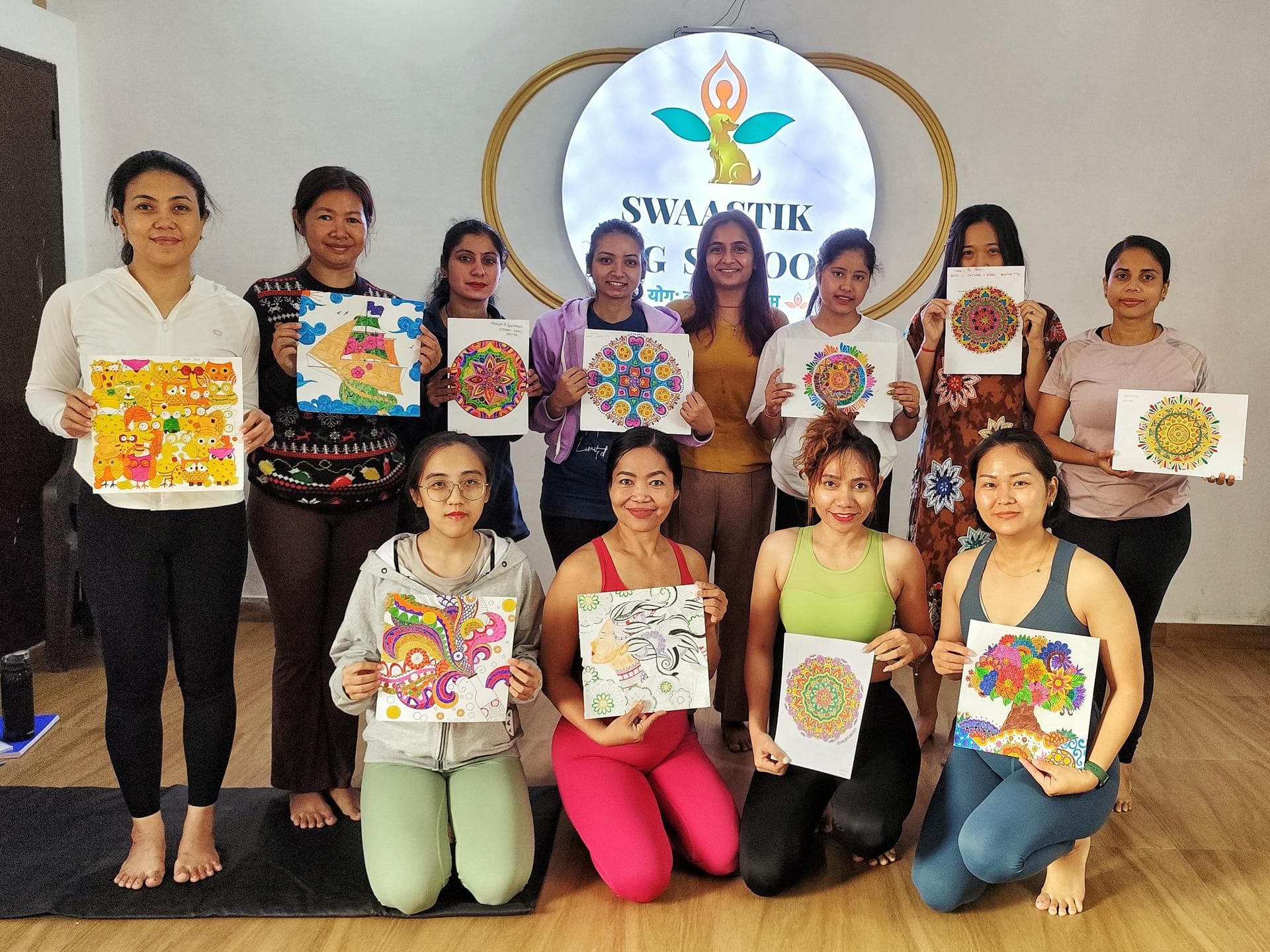
In Rishikesh, a "small group" yoga teacher training usually means 20 students or fewer, and boutique schools cap batches at 8 to 15. Swaastik Yog School in Tapovan runs 15–20 students per batch. Founder Mayuri Shewale (E-RYT 500) leads every 200-hour batch. The 22-day course costs from $440 all-inclusive. If you want an even smaller group, our live online 200-hour is semi-private, with a maximum of 4 students, also at $440.
- Ask every school for its batch cap in writing. Many schools do not publish one.
- Batch size changes how many adjustments, teaching turns and feedback minutes you get.
- In our own check of 19 Rishikesh schools, price did not predict group size.
Disclosure: Swaastik Yog School wrote this guide and is one of the schools listed.
When students write to us before booking, they ask about price, dates and rooms. Few ask the question that shapes the whole month: how many people will be in the room with me?
I have taught yoga teacher training in Rishikesh for many years, and I can tell you that group size changes everything. It decides how often a teacher touches your posture, how many times you stand up and teach, and whether your questions get answered or lost.
This guide explains why batch size matters, what "small" really means in Rishikesh, the questions to ask any school, and where we fit. I will also name two other small-batch schools I checked, fairly, so you can compare.
Why does batch size matter in a yoga teacher training?
Batch size matters because a 200-hour training has a fixed number of teacher hours, and every extra student shares them. The schedule does not grow when the group grows. A 90-minute alignment class is 90 minutes whether there are 12 people or 40.
Here is where you feel it most.
1. Hands-on adjustments
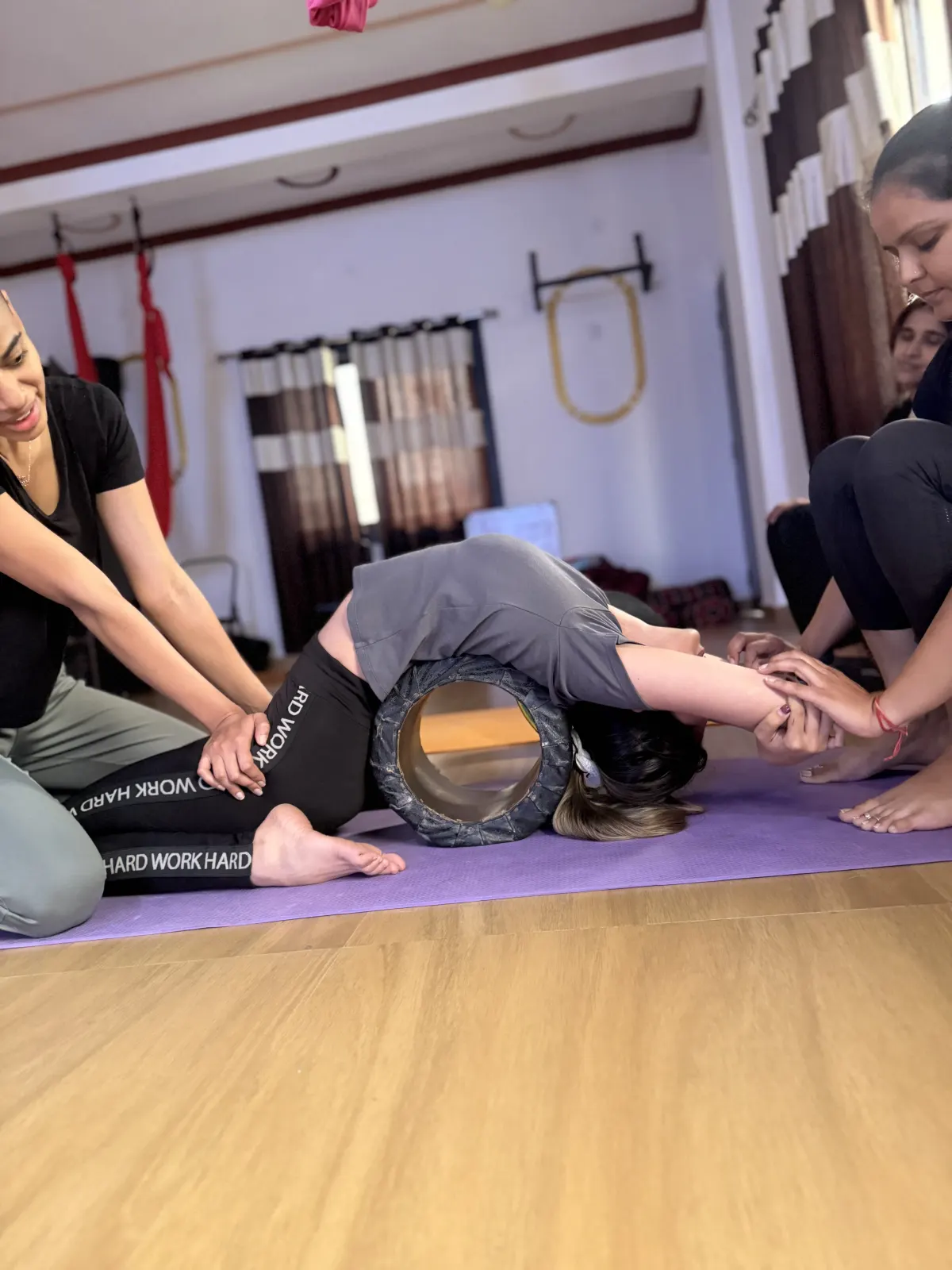
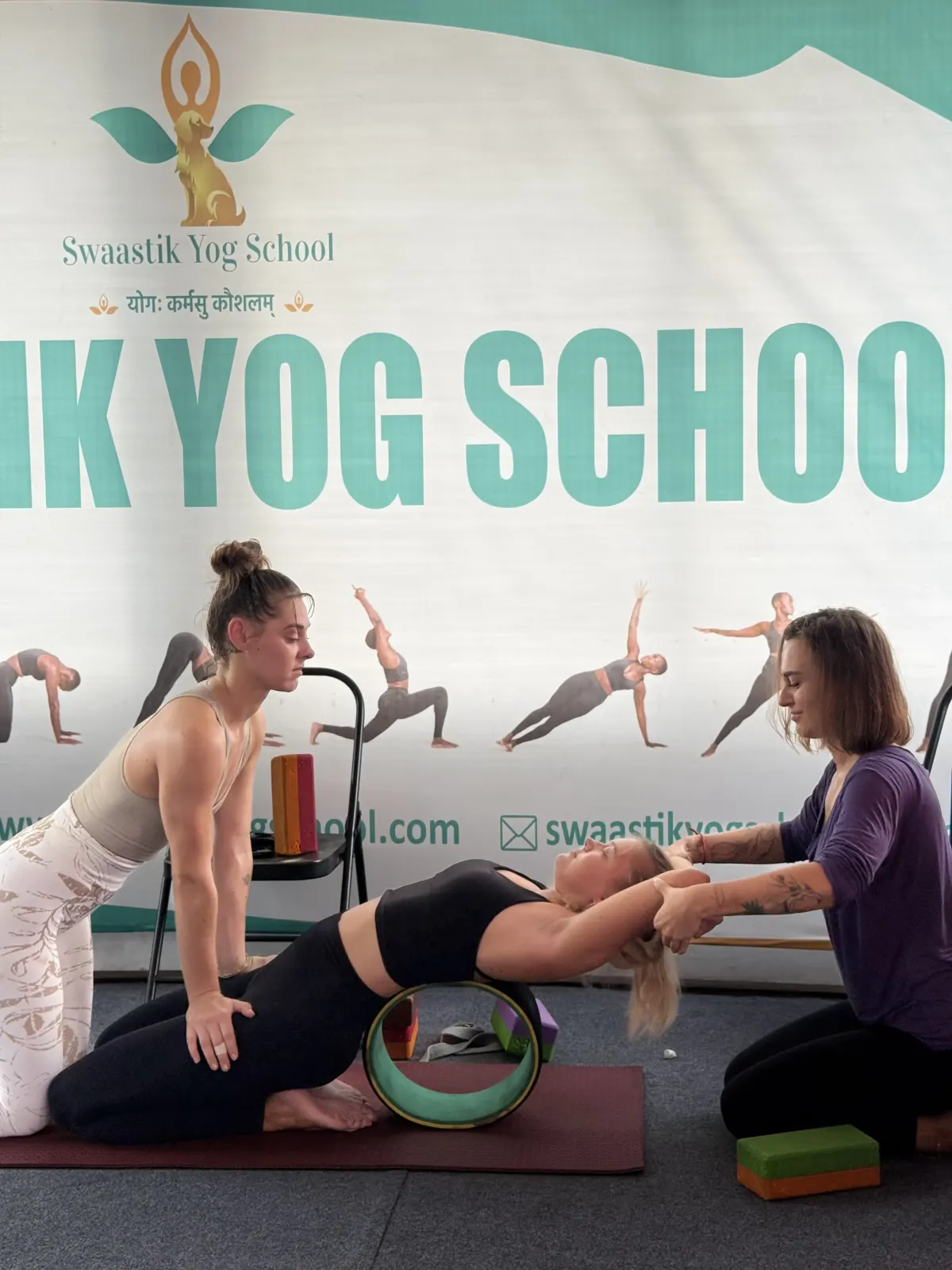
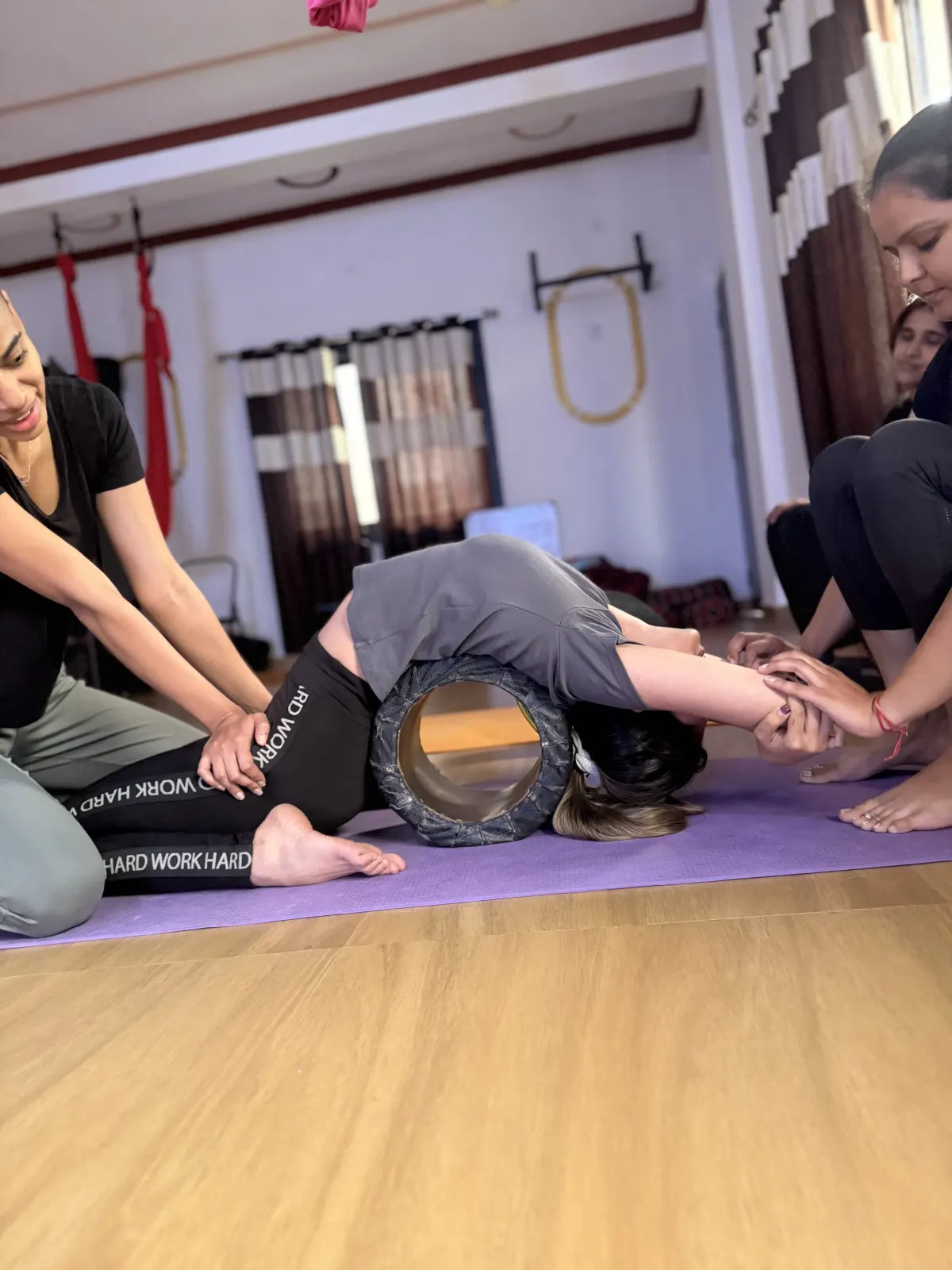
Adjustments are the fastest way to understand a posture in your own body. A teacher moving through a room of 12 can reach every mat more than once in a class. In a room of 35, many students get one quick touch, or none, in the poses that matter most to them.
2. Teaching practicum time
Practice teaching is the part of a teacher training most students say they wanted more of. Yoga Alliance's 200-hour standards include a practicum, where you teach and get feedback. Your turns at the front of the room add up quickly or slowly depending on group size.
A simple example: if a school gives the whole group 10 hours of practicum and each student teaches a 20-minute slot with feedback, a group of 15 gives everyone about two full turns. A group of 40 gives most people less than one. Schools split large groups into smaller teaching pods to help, but someone still has to watch each pod and give feedback.
3. Feedback and questions
Feedback is personal, and it takes time. In a small batch, the teacher knows your shoulders, your old knee injury and the cue you keep forgetting. In a large batch, feedback often becomes general advice to the whole room.
Questions work the same way. In a group of 15, there is room to ask "why?" in a philosophy class and get a real answer. In a group of 40, the shy students stop asking.
4. The group itself
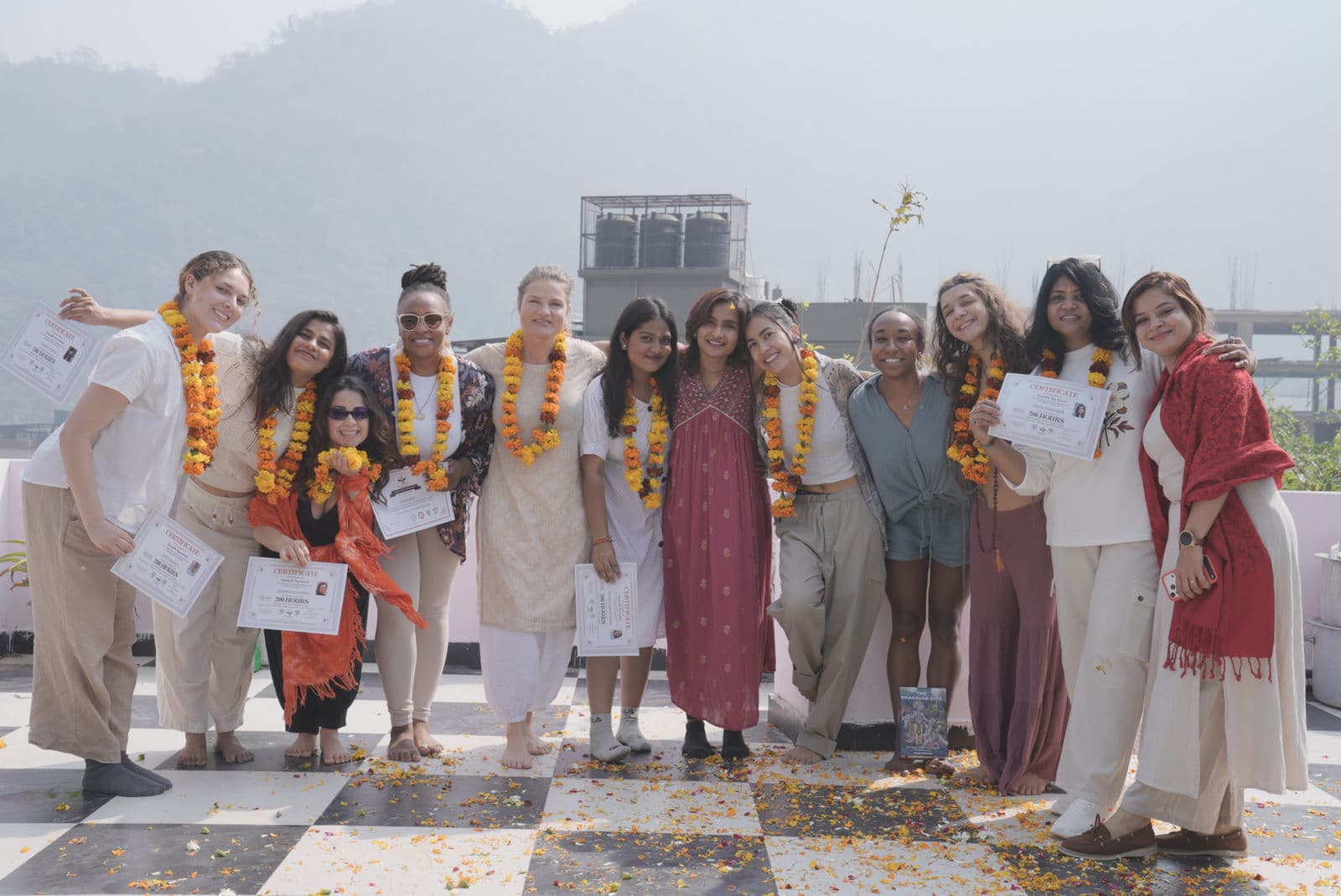
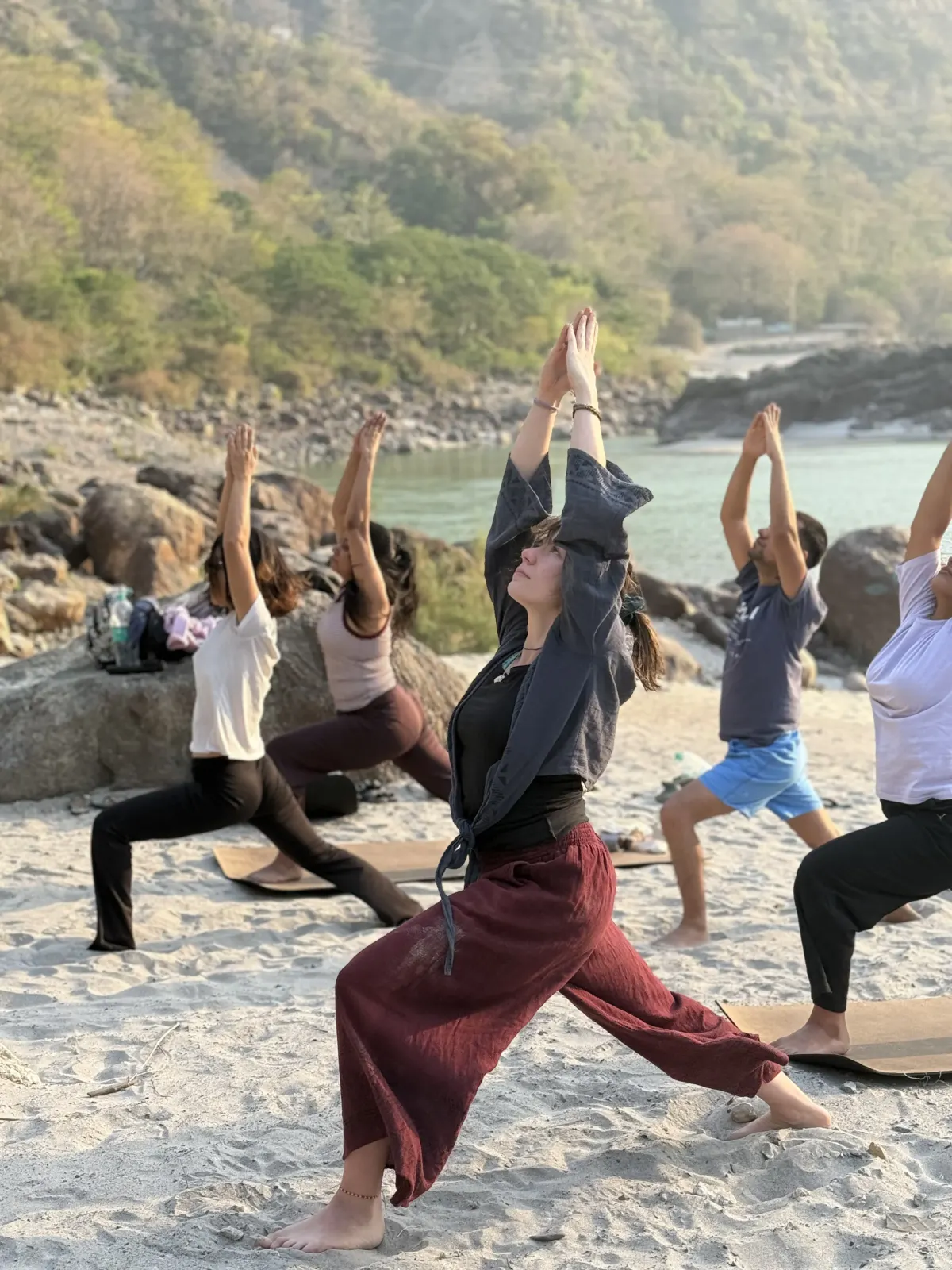
A smaller group is also a closer group. You eat together, practise together and teach each other for three weeks. In a group of 15, you know everyone by the end of the first week, and that trust makes it easier to stand up and teach.
What counts as a "small group" yoga teacher training in Rishikesh?
In Rishikesh, a batch of 20 or fewer is generally marketed as small, and 8 to 15 is the boutique range. There is no official definition. Yoga Alliance does not set a maximum batch size for a 200-hour training, so each school decides.
When we built our 2026 price index of 19 Rishikesh schools, fewer than half published a batch size at all. The published numbers ranged from 8 to 20, and "up to 15" was the most common claim. Course listings on booking sites for Rishikesh trainings show caps up to about 25. Larger schools and ashram-style programmes may not publish a cap, so a group can be bigger than that. If a school gives no number, ask.
Use these tiers as a rough guide.
| Batch size tier | Typical size | What you usually get | Watch out for |
|---|---|---|---|
| Private / semi-private | 1–4 students | Feedback on almost every class. You teach often. Fully shaped around you. | Few peers to practise teaching on. Mostly found online or at a higher price in person. |
| Boutique | 8–15 students | Frequent adjustments, several practicum turns, a very close group. | Check that a small group still has senior teachers, not only assistants. |
| Small | 15–20 students | Regular hands-on help, enough peers for varied teaching practice, steady feedback. | Ask whether the cap is firm or "usually". |
| Mid-size | 20–25 students | Good energy in the room. Teaching is often split into smaller pods. | Fewer adjustments per person. Ask how many teachers are in each asana class. |
| Large / no published cap | 25+ students | Often a big campus, lots of social life, sometimes lower prices. | Less individual feedback and fewer teaching turns, unless there are extra teachers. |