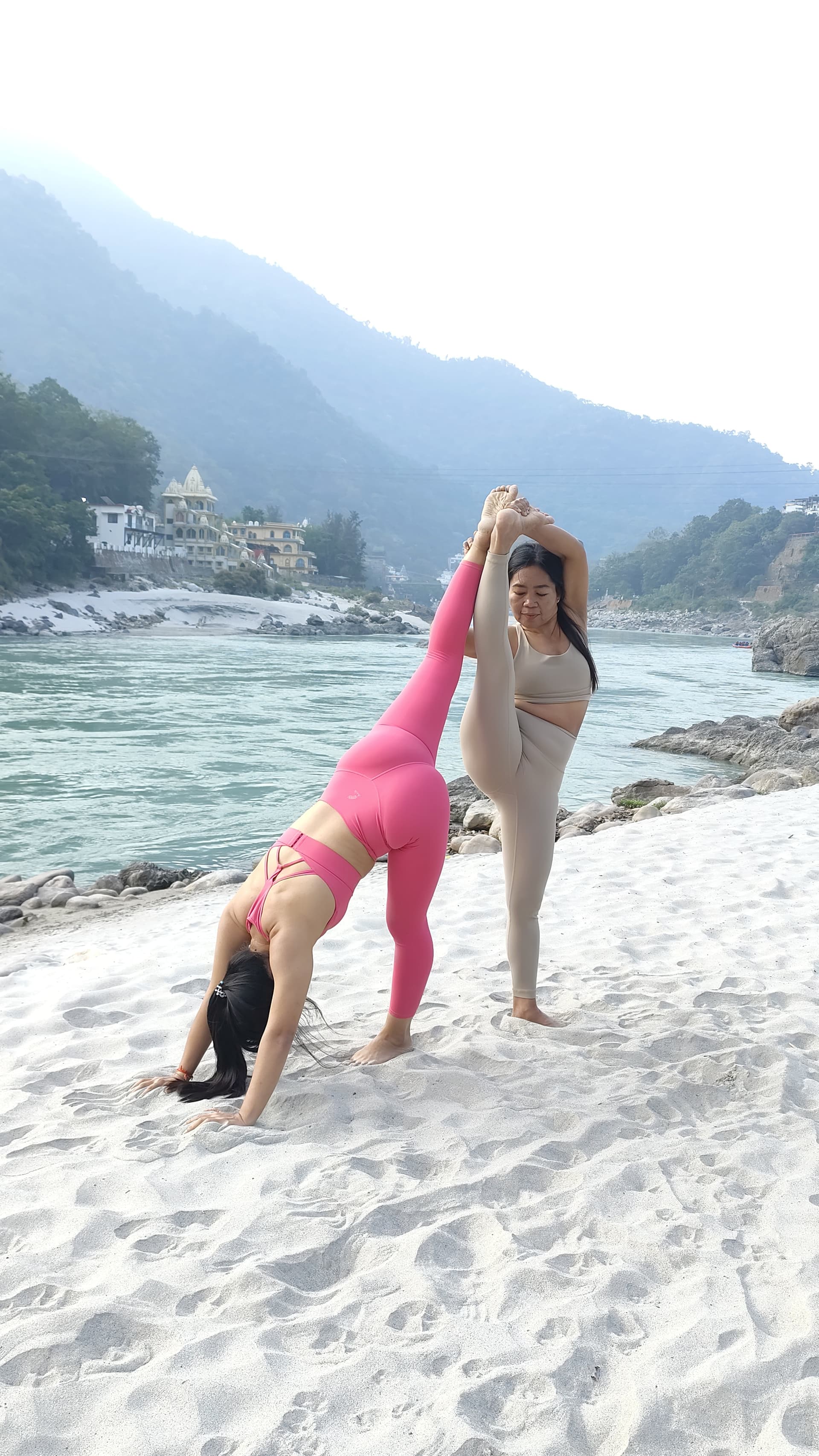
Stepping onto the mat for your first Ashtanga class can feel both thrilling and intimidating. The disciplined sequences, the Sanskrit pose names, the heat building in your body with every Sun Salutation — it is a world apart from a gentle stretch class. This complete guide to Ashtanga yoga for beginners will demystify the practice, walk you through the philosophy, explain the famous Primary Series, and give you the confidence to begin. At Swaastik Yog School in Rishikesh, we have guided thousands of beginners through their first Ashtanga journey, and we know exactly what questions arise and how to answer them.
What Is Ashtanga Yoga? Understanding the Foundation
Ashtanga yoga is a dynamic, physically demanding style of yoga that follows a set sequence of postures performed in the same order every time. It was systematized by Sri K. Pattabhi Jois in Mysore, India, based on teachings he received from his guru, Tirumalai Krishnamacharya. The word "Ashtanga" comes from the Sanskrit "Ashta" (eight) and "Anga" (limb), referring to the eight-limbed path described by Patanjali in the Yoga Sutras. Unlike freestyle Vinyasa, where teachers create their own sequences, Ashtanga has fixed series that practitioners work through progressively.
What makes Ashtanga unique is its combination of rigorous physical practice with deep philosophical grounding. It is not merely exercise — it is a complete system for spiritual development. The physical postures are just one limb of the eight, and a serious Ashtanga practitioner engages with all of them.
The Eight Limbs of Ashtanga Yoga
Before diving into the physical practice, every beginner should understand the philosophical framework that gives Ashtanga yoga for beginners its depth and purpose. These eight limbs are a roadmap for living a meaningful, purposeful life.
1. Yama (Ethical Restraints)
The Yamas are moral guidelines for how we interact with the world: Ahimsa (non-violence), Satya (truthfulness), Asteya (non-stealing), Brahmacharya (moderation), and Aparigraha (non-possessiveness). On the mat, Ahimsa reminds us not to push past injury, and Satya asks us to be honest about our current abilities.
2. Niyama (Personal Observances)
The Niyamas govern our relationship with ourselves: Saucha (cleanliness), Santosha (contentment), Tapas (discipline), Svadhyaya (self-study), and Ishvara Pranidhana (surrender to a higher power). Tapas is what gets you on the mat at 6:00 AM. Santosha is what keeps you peaceful when a pose feels impossible.
3. Asana (Physical Postures)
This is what most people think of as "yoga." In Ashtanga, asana is practiced through specific sequences designed to purify the body and build the strength and flexibility needed for meditation.
4. Pranayama (Breath Control)
Ashtanga uses Ujjayi breathing throughout the practice — a slow, controlled breath with a slight constriction in the throat that creates an audible oceanic sound. This breath generates internal heat and maintains focus.
5. Pratyahara (Withdrawal of the Senses)
During practice, you learn to turn your attention inward, away from external distractions. The Drishti (gaze points) in Ashtanga assist with this limb.
6. Dharana (Concentration)
Fixing the mind on a single point of focus. In Ashtanga, the combination of breath, movement, and Drishti creates a concentrated, meditative state called Tristhana.
7. Dhyana (Meditation)
When concentration becomes sustained and unbroken, it naturally deepens into meditation. A flowing Ashtanga practice is, at its best, a moving meditation.
8. Samadhi (Union)
The ultimate goal of yoga: a state of blissful absorption where the self merges with universal consciousness. While Samadhi may seem distant for beginners, every practice is a step along this path.
The Primary Series: Your Starting Point
The Ashtanga system contains six series, but virtually every practitioner begins with the Primary Series, known as Yoga Chikitsa (yoga therapy). This series is designed to detoxify and align the body. It includes approximately 75 postures and takes about 90 minutes to complete in full. For a deeper exploration, read our detailed guide on the Ashtanga Primary Series and its sacred sequence.
Structure of the Primary Series
- Opening Chant: A Sanskrit prayer honoring the lineage of teachers
- Sun Salutations: 5 rounds of Surya Namaskara A and 5 rounds of Surya Namaskara B
- Standing Sequence: Fundamental standing postures including Padangusthasana, Trikonasana, Parsvakonasana, and the Warrior poses
- Seated Sequence: The heart of the Primary Series, including forward folds, twists, and hip openers like Janu Sirsasana, Marichyasana, and Navasana
- Finishing Sequence: Inversions (Shoulderstand, Headstand), backbends (Urdhva Dhanurasana), and closing postures
- Closing Chant: A prayer for peace and well-being for all
How to Start Ashtanga Yoga as a Beginner
The full Primary Series can take years to master, but that does not mean you need to wait to begin. Here is how to approach Ashtanga yoga for beginners practically and sustainably.
Start with a Led Class
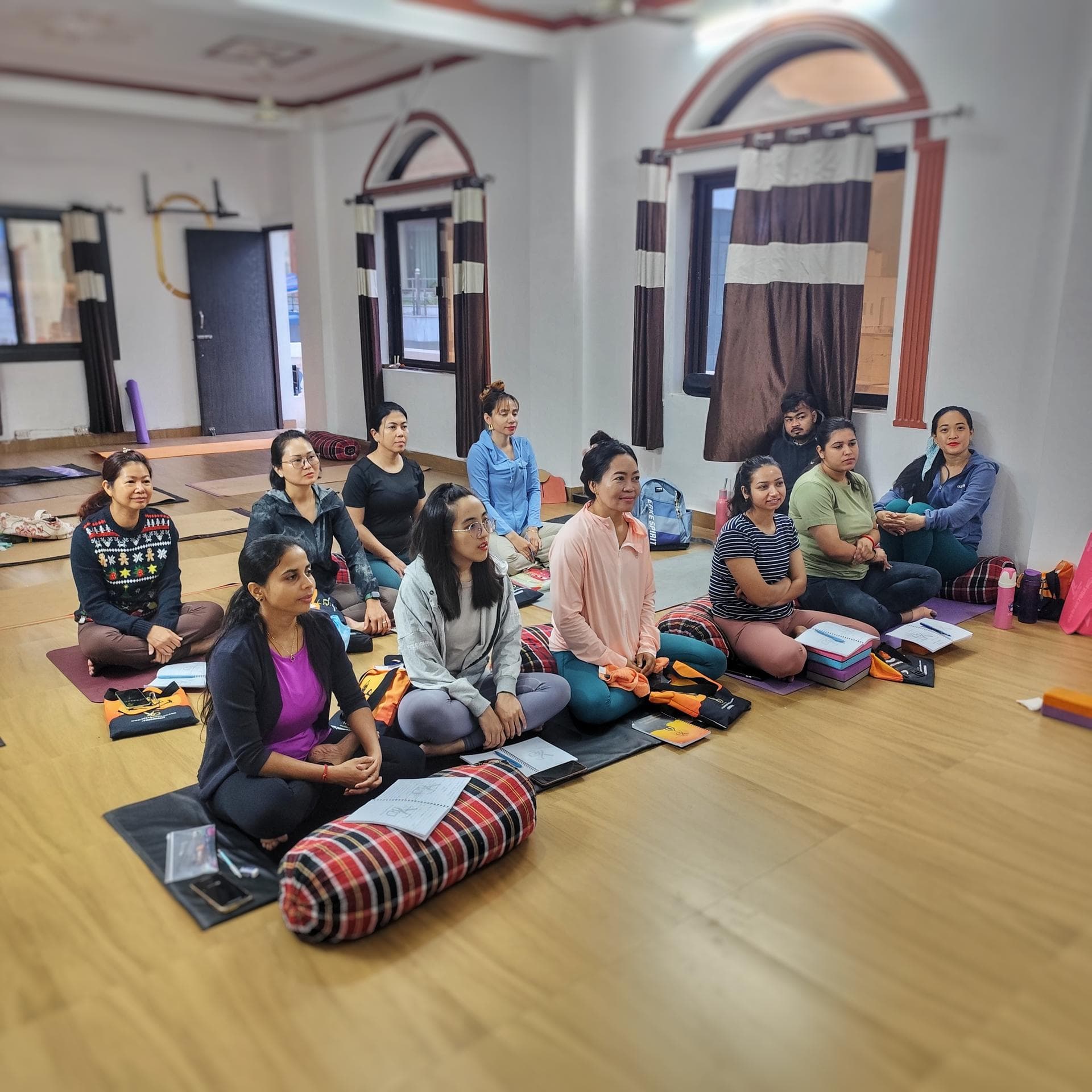
In a led (or guided) class, a teacher calls out each posture and its breath count, guiding the entire room through the sequence together. This is the best format for beginners because you receive constant instruction and can observe the teacher's demonstrations. At Swaastik Yog School, our morning Ashtanga classes in Tapovan follow this led format, making them accessible to practitioners of all levels.
Learn the Sun Salutations First
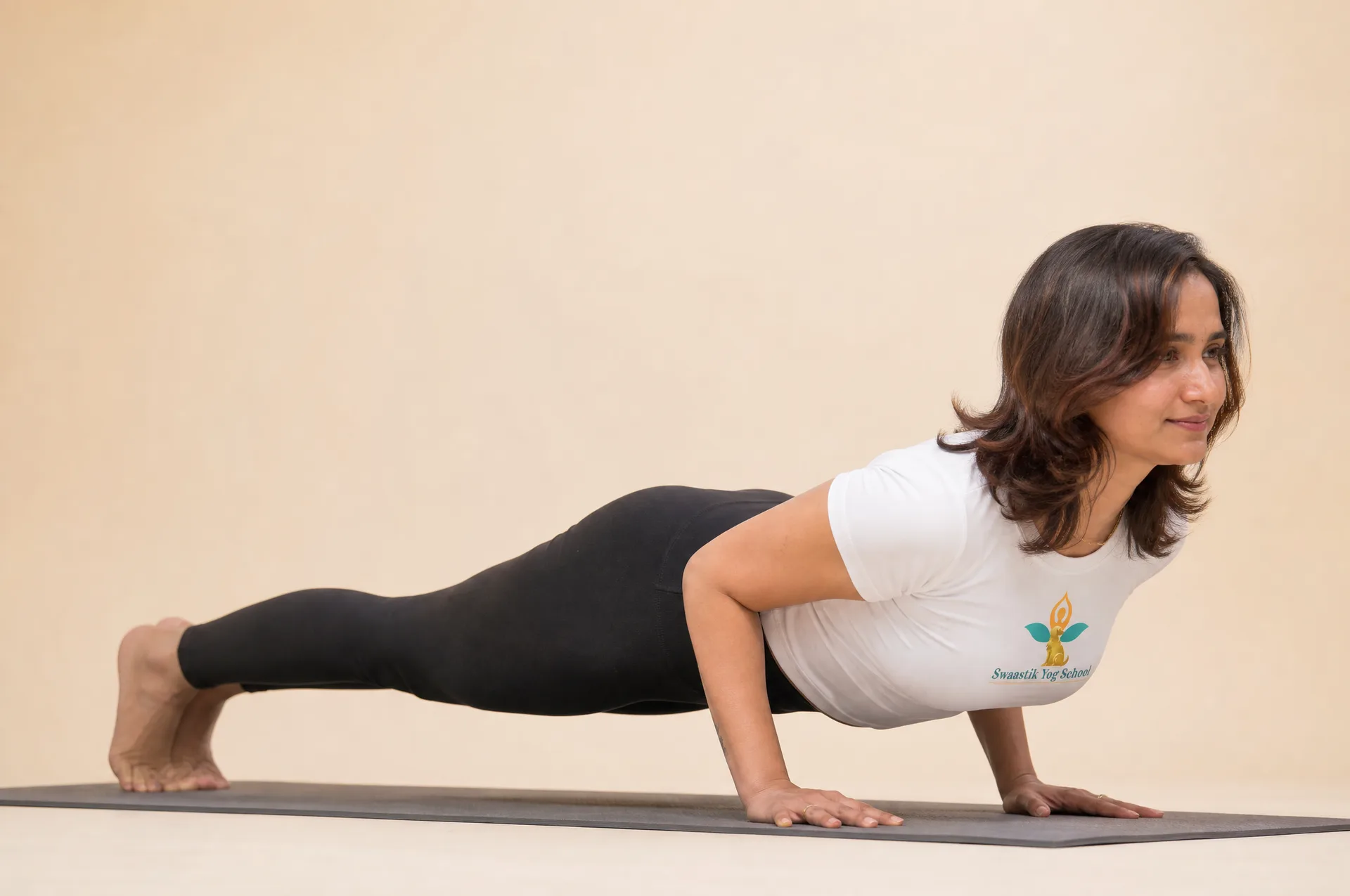
Before attempting the full series, spend two to four weeks learning Surya Namaskara A and B thoroughly. These sequences form the foundation of every Ashtanga practice. Master the breath-movement connection, learn the correct vinyasa count, and build initial strength in the arms, shoulders, and core.
Add Postures Gradually
The traditional Mysore approach adds one posture at a time. Once you can perform a pose with proper breath and alignment, the teacher adds the next. This might feel slow, but it prevents injury and ensures a solid foundation. There is no rush — Ashtanga is a lifelong practice.
Practice Consistently
Ashtanga traditionally calls for six days of practice per week, with rest on Saturdays and moon days. For beginners, three to four days per week is a realistic and sustainable starting point. Consistency matters more than duration. A 30-minute practice done five times a week will yield better results than a 90-minute session done sporadically.
Common Mistakes Beginners Make in Ashtanga Yoga
Having taught Ashtanga to beginners for years along the banks of the Ganges, we have seen the same mistakes arise repeatedly. Awareness of these pitfalls will accelerate your progress and keep you safe.
Mistake 1: Forcing Postures
Ashtanga includes challenging poses like Marichyasana D and Supta Kurmasana that require significant flexibility. Forcing your body into these shapes before it is ready leads to injury. Respect your current limitations and trust that consistent practice will open the body over time.
Mistake 2: Neglecting the Breath
If you lose the Ujjayi breath, you have lost the practice. Many beginners focus so intently on achieving the physical shape of a posture that they hold their breath or breathe shallowly. The breath is the thread that connects every movement. If you cannot breathe smoothly in a posture, you have gone too deep.
Mistake 3: Comparing Yourself to Others
In a Mysore-style room, you will see practitioners at vastly different levels. Someone next to you might be floating through jump-backs while you are still figuring out Chaturanga. This is normal. Yoga is an individual practice. Your only comparison should be with your own yesterday.
Mistake 4: Skipping Rest Days
The body needs recovery time to integrate the physical demands of Ashtanga. Overtraining leads to fatigue, injury, and eventual burnout. Honor the traditional rest days and listen to your body.
Mistake 5: Ignoring the Philosophy
Ashtanga without the eight limbs is just gymnastics. The physical practice is meant to prepare the body and mind for meditation and ethical living. Read the Yoga Sutras, reflect on the Yamas and Niyamas, and let the philosophy inform your practice and daily life.
Benefits of Ashtanga Yoga for Beginners
Despite its intensity, Ashtanga offers unique benefits that make it especially rewarding for committed beginners.
- Structured progression: The fixed sequence removes decision fatigue. You always know what comes next, allowing you to deepen focus and awareness.
- Measurable progress: Because the sequence never changes, you can clearly track your development over weeks and months.
- Full-body conditioning: The Primary Series systematically works every muscle group, joint, and organ system in the body.
- Mental discipline: The demanding nature of the practice builds extraordinary mental resilience and focus that transfers to all areas of life.
- Detoxification: The combination of Ujjayi breath, bandhas (internal locks), and physical exertion generates intense internal heat that purifies the body at a deep level.
- Community: Ashtanga practitioners worldwide follow the same sequence, creating an instant global community. Practice in Rishikesh, Tokyo, or New York and you will feel at home.
How Ashtanga Differs from Other Yoga Styles
Understanding where Ashtanga sits in the broader yoga landscape helps beginners appreciate its unique character.
- Ashtanga vs. Vinyasa: Vinyasa borrows the breath-movement connection from Ashtanga but uses creative, varied sequences. Ashtanga always follows the same set order.
- Ashtanga vs. Hatha: Hatha holds postures longer with more pauses between them. Ashtanga flows continuously with vinyasas (connecting movements) between poses.
- Ashtanga vs. Iyengar: Iyengar emphasizes precise alignment using props (blocks, straps, blankets). Ashtanga relies on internal adjustment and the breath rather than external props.
- Ashtanga vs. Yin: Yin yoga holds passive poses for 3-5 minutes targeting deep connective tissue. Ashtanga is active, dynamic, and heat-building.
Studying Ashtanga in Rishikesh: Where Tradition Lives
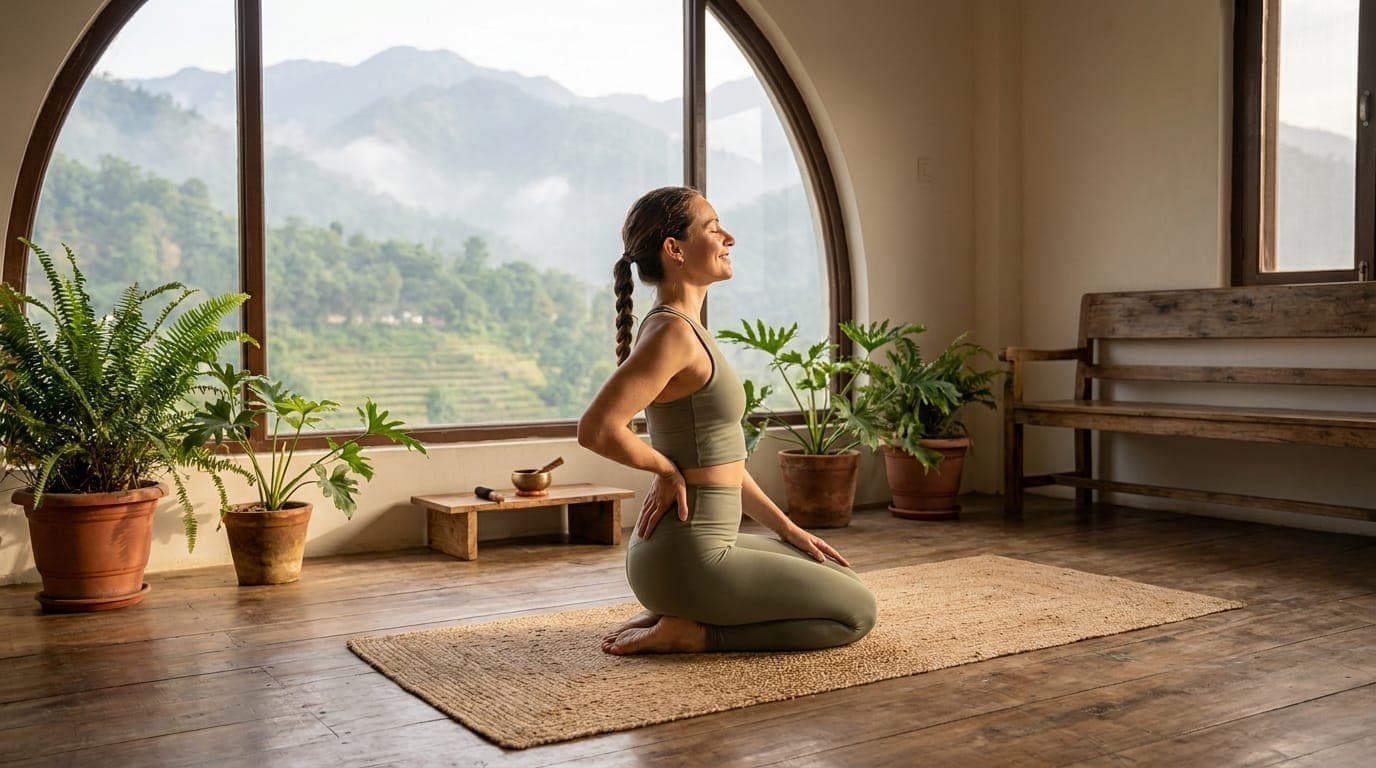
While Ashtanga was codified in Mysore, Rishikesh has become one of the world's premier destinations for studying this practice. The spiritual atmosphere, the proximity to the Ganges, the early morning mist over Laxman Jhula — all of it creates a container for deep practice that is difficult to replicate elsewhere. At Swaastik Yog School, Ashtanga is a core component of our 200-Hour Yoga Teacher Training, where you will learn not just the postures but the philosophy, anatomy, and teaching methodology behind them.
Your First Steps on the Ashtanga Path
Beginning Ashtanga yoga is one of the most transformative decisions you can make for your physical, mental, and spiritual health. Start slow, stay consistent, honor the breath, and be patient with yourself. The practice will meet you exactly where you are and take you further than you ever imagined.
At Swaastik Yog School in Rishikesh, we welcome beginners every month into our Ashtanga program. Whether you join a teacher training course or simply want to learn the fundamentals, our teachers are here to guide you with authenticity and care. Get in touch with us to learn more about our upcoming programs and start your Ashtanga journey in the yoga capital of the world.