Back to Blog
Wellness

Best Aerial Yoga TTC in India for a Transformational Teaching Journey

Priya Sharma
Share this post:
Best Aerial Yoga TTC in India for a Transformational Teaching Journey

Explore the best aerial yoga TTC in India. Get certified to teach aerial yoga with expert-led programs in India’s top yoga schools.

The best aerial yoga TTC in India is one that combines safe rigging instruction, deep anatomy, hands-on adjustment training, and an internationally recognised Yoga Alliance certificate — at a fee that does not require selling a kidney. Most genuine aerial TTCs in India are in Rishikesh, Goa, or Bali (yes, despite the name, Bali draws an Indian-trained crowd). This guide explains how to evaluate aerial TTCs, what to expect on the syllabus, and how to avoid the common traps.

Aerial yoga teacher training in India

The 6 Criteria That Define a Best-in-Class Aerial TTC

  1. Yoga Alliance RYS or YACEP registration. RYS 200/300/500 if it is a full TTC, or YACEP if it is a continuing-education aerial specialty. Check at yogaalliance.org.
  2. Hammock rigging and safety as a graded module. Many courses brush over the rigging in 30 minutes. The best ones spend 5-8 hours on it because installing a hammock incorrectly can cause serious injury.
  3. Aerial-specific anatomy. Inversions, suspension load on shoulders and spine, the difference between traction and compression — taught by someone with anatomy training, not just an experienced practitioner.
  4. Live teaching practicum. By the final week, you should be teaching at least three full classes to peers under faculty observation, with written feedback.
  5. A small batch (8-12 students). Aerial requires hands-on spotting — large batches are physically unsafe.
  6. An included parachute-grade hammock. Cheap nylon hammocks degrade under UV and stretch when loaded. The course should include a real silk parachute hammock you keep.

Course Length and Fee Ranges in India

  • 50-hour Aerial YACEP — 10-12 days. ₹65,000-₹95,000. For existing 200-hour RYTs adding aerial as a specialty.
  • 100-hour Aerial Specialty TTC — 3 weeks. ₹95,000-₹1,40,000. The most popular and most balanced option.
  • 200-hour Aerial-Focused TTC — 4 weeks. ₹1,20,000-₹2,10,000. Full Yoga Alliance RYS 200 with aerial as the dominant style.
  • 300-hour Aerial Advanced — 4 weeks. ₹1,40,000-₹2,40,000. For RYT 200 holders moving toward RYT 500.
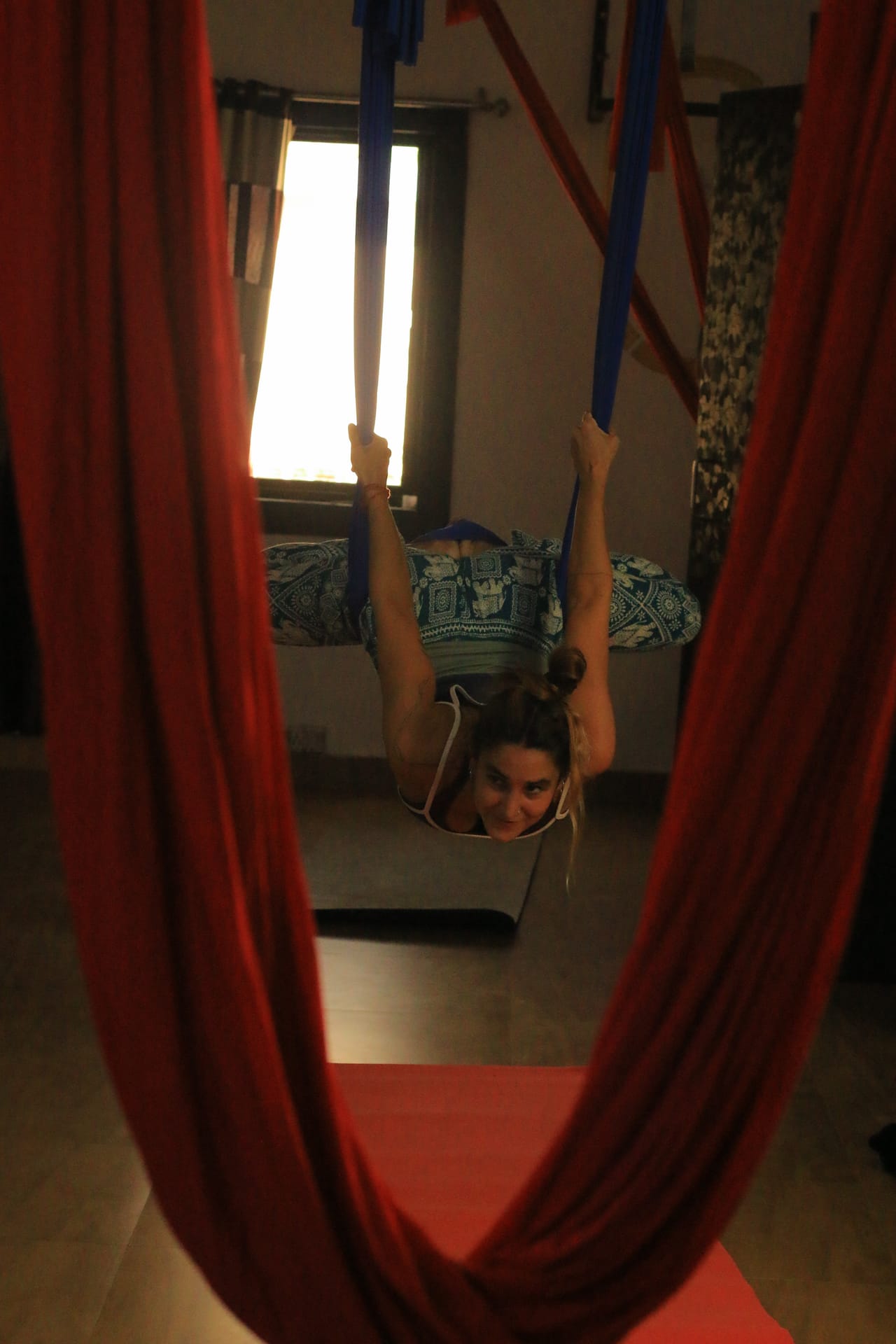
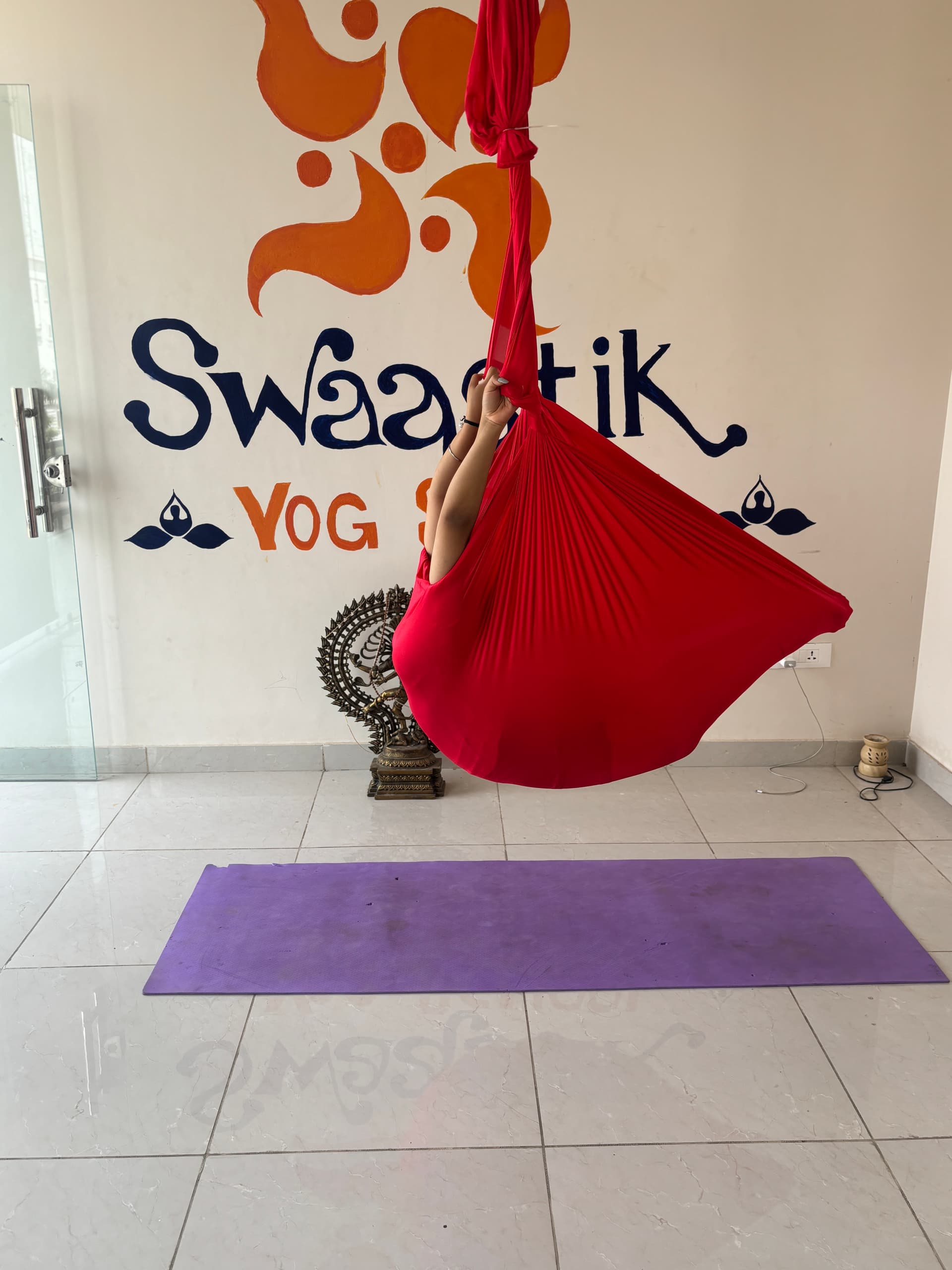
Aerial yoga inversion practice

What You Will Cover in a Real Aerial TTC

  • 40+ aerial poses — from foundation Hammock Sit to Inverted Star, Vampire, Suspended Pigeon, Hammock Headstand
  • Inversions taught progressively — supported, semi-supported, free
  • Therapeutic spinal traction sequences — using the hammock for safe lumbar decompression
  • Class sequencing — building 60- and 75-minute beginner, intermediate, and mixed-level classes
  • Adjustments and assists in suspension — how to spot, stabilise, and verbally cue students mid-air
  • Equipment care — washing, UV protection, replacement schedule, daily inspection
  • Liability and insurance basics — what aerial-specific cover looks like and which carriers offer it
  • Business of teaching aerial — class pricing, studio setup costs, whether to invest in a permanent rig

Common Aerial TTC Traps to Avoid

  • Schools that share one hammock between students. You learn nothing if you only get into the hammock for 20 minutes a day.
  • Courses that skip the rigging module. If "How to install a hammock" isn't on the syllabus, walk away.
  • Trainers without 5+ years of aerial-specific teaching. Aerial is too injury-prone for newer teachers.
  • Promised "international placement" after the course. No legitimate school can guarantee this. It is sales fluff.
  • Hidden equipment costs. Some schools quote a low fee then charge ₹6,000-₹10,000 for the hammock at the end. Confirm in writing what is included.

How Swaastik Yog School's Aerial TTC Compares

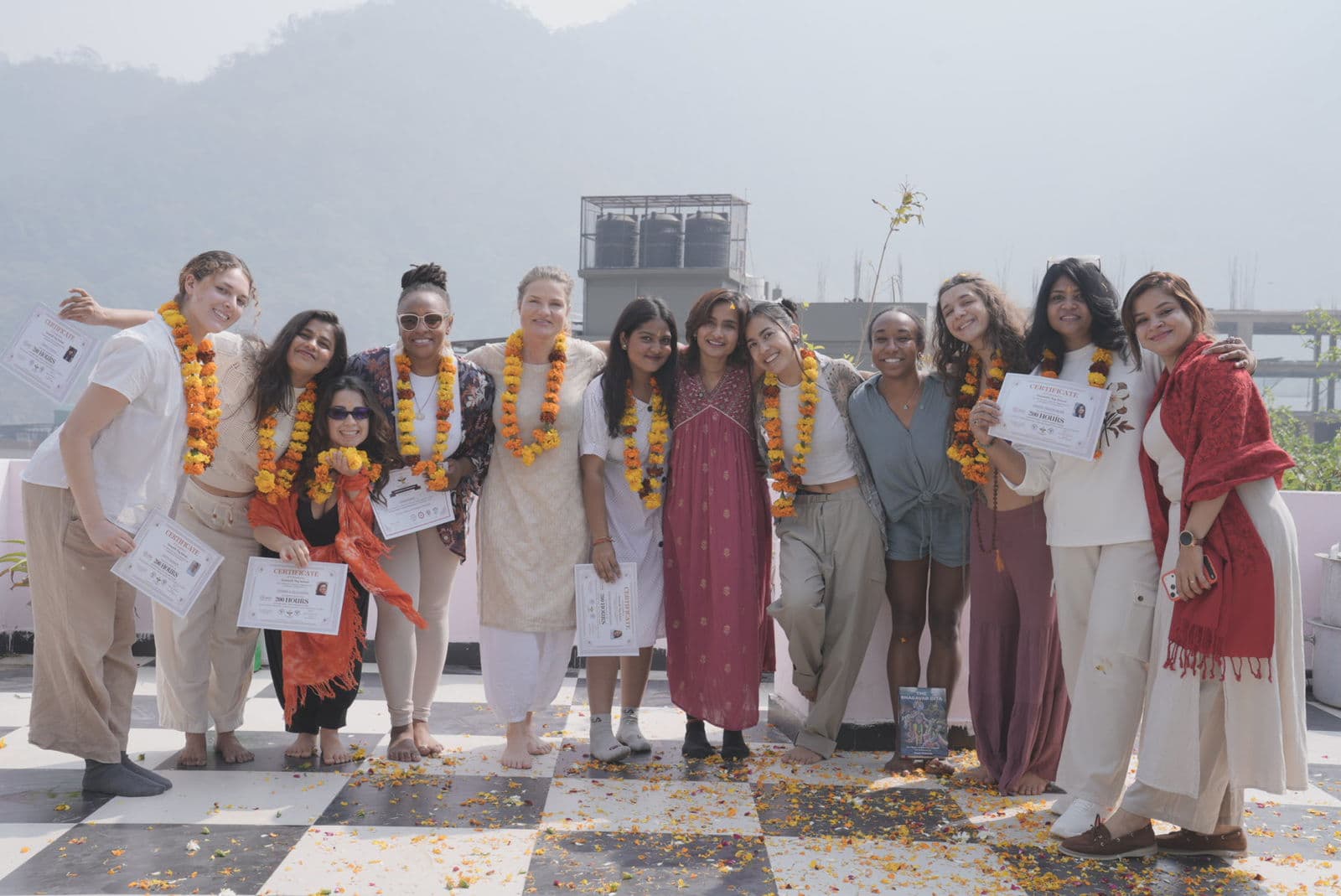
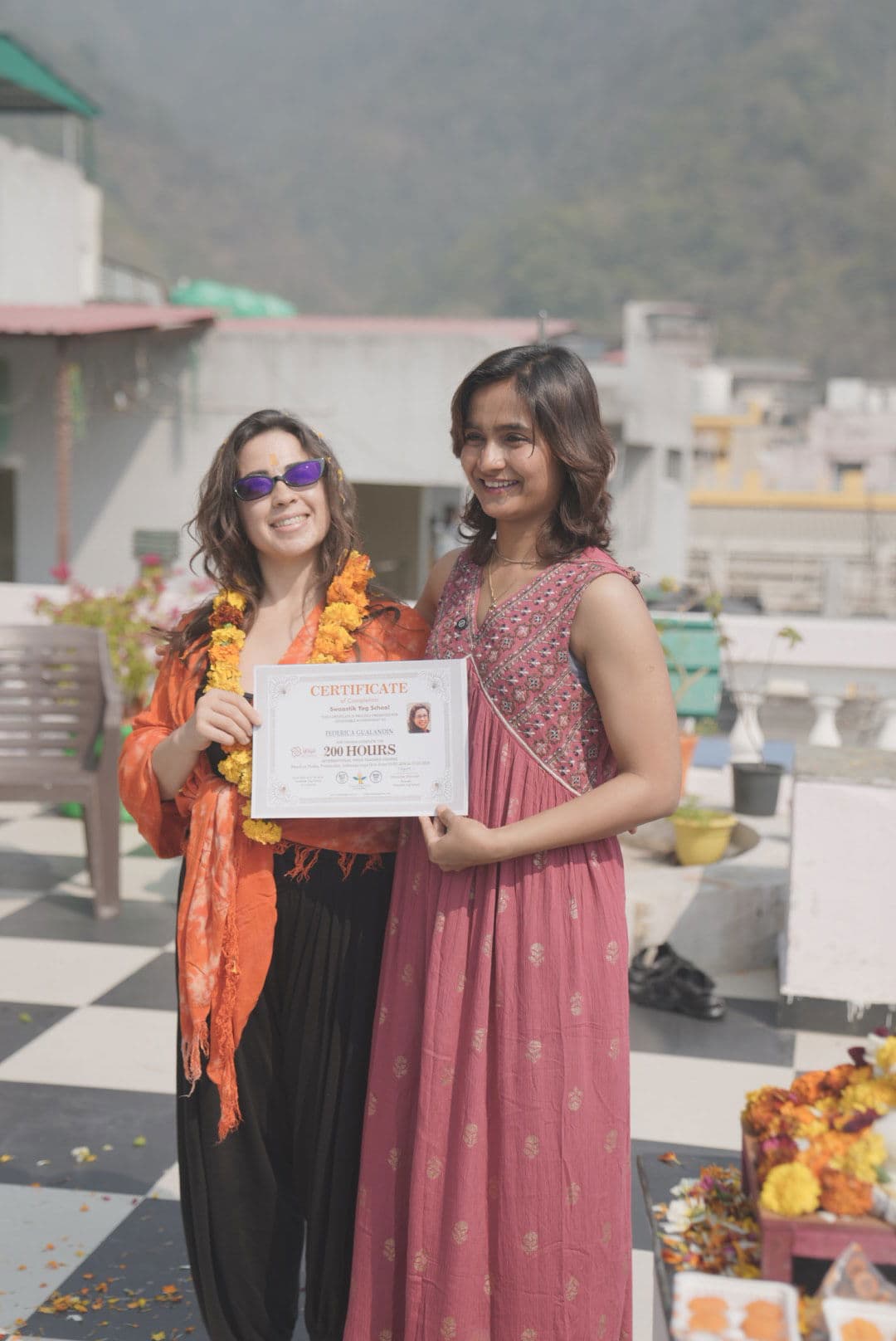
Our 100-hour Aerial Yoga TTC is YACEP-registered with Yoga Alliance. Lead teacher Priya Sharma is RYT 500 with 8+ years of aerial-specific teaching. Batch capped at 12. Includes private room, three sattvic meals, your own parachute-grade hammock, full course manual, and YACEP certification. We also run a 200-hour aerial-focused TTC for students who want their primary qualification to be aerial.

Frequently Asked Questions

Can I do aerial TTC without a 200-hour TTC first?

For a YACEP specialty — usually no, you need an RYT 200 first. For an aerial-focused 200-hour TTC — yes, this counts as your foundational certification.

Is aerial yoga safe to teach to beginners?

Yes, with the right sequencing. The first three classes for any new student should focus entirely on getting comfortable in the hammock, with no inversions until week two.

How much does it cost to set up a small aerial studio after my TTC?

For 6 hammocks: roughly ₹40,000-₹60,000 in equipment (hammocks, carabiners, eye bolts, daisy chains). Plus structural reinforcement of the ceiling — usually ₹15,000-₹30,000 if your space needs it.

Reserve Your Aerial Yoga TTC Spot

YACEP-certified, small batches, full equipment included. Taught in Rishikesh by Priya Sharma.

View Aerial TTC See Dates & Fees

Ready to Start Your Yoga Journey?

Join our Yoga Alliance certified teacher training programs in Rishikesh and learn from experienced instructors in the birthplace of yoga.

Related Articles

8 Yoga Poses for Anxiety and Stress Relief

8 Yoga Poses for Anxiety and Stress Relief

Combat anxiety and stress with these calming yoga poses. Learn breathing techniques and mindfulness practices for mental wellness.

Read More
10 Health Benefits of Meditation and How to Focus on Mindfulness

10 Health Benefits of Meditation and How to Focus on Mindfulness

Discover the top 10 health benefits of meditation and learn practical tips on how to focus on mindfulness for reduced stress and better mental health.

Read More
Bhastrika Pranayama: Benefits, Steps & Precautions

Bhastrika Pranayama: Benefits, Steps & Precautions

Boost your energy and respiratory health with Bhastrika Pranayama (Bellows Breath). Step-by-step instructions and therapeutic benefits explained.

Read More