Back to Blog
Wellness

Bhastrika Pranayama: Benefits, Steps & Precautions

· Updated
Share this post:
Bhastrika Pranayama: Benefits, Steps & Precautions

Bhastrika (bellows breath) step by step: beginner rounds and timing, benefits, who should avoid it, common mistakes, and how it differs from Kapalbhati.

Quick answer: what is Bhastrika Pranayama and how do you do it?

Bhastrika Pranayama, or bellows breath, is a yogic breathing technique in which you inhale and exhale forcefully and equally through the nose, like a blacksmith's bellows. Beginners should start with 3 rounds of 10 breaths at a slow, steady pace, resting with normal breathing between rounds. It is an energising practice, so it is not suitable for everyone: skip it if you are pregnant or have high blood pressure, a heart condition, epilepsy, a hernia, glaucoma or recent surgery.

  • Technique: sit tall, breathe in and out through the nose with equal force, moving the belly and chest together.
  • Beginner dose: 3 rounds of 10 breaths, about 1 breath per second or slower, with 30 to 60 seconds of rest between rounds.
  • Difference from Kapalbhati: in Bhastrika both the inhale and the exhale are active; in Kapalbhati only the exhale is forceful.
  • Safety first: stop at once if you feel dizzy, tingly or breathless.
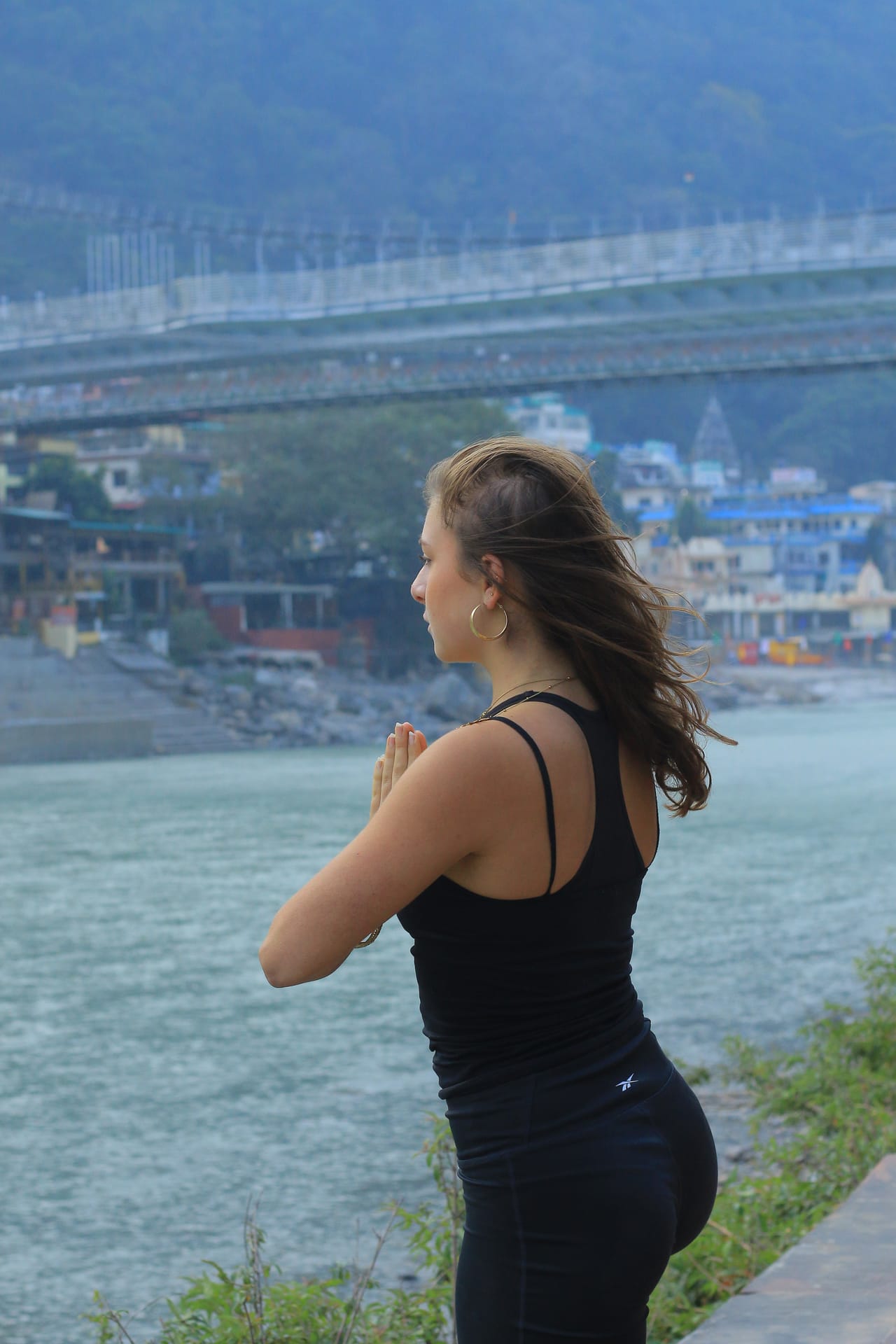
Bhastrika Pranayama Practice

Bhastrika comes from the Sanskrit word for bellows. The traditional texts of Hatha Yoga, including the Hatha Yoga Pradipika, describe it as a heating, cleansing breath. In a modern class it is usually taught as an energiser: a short, strong practice that wakes up the body and mind before quieter breathing or meditation. Below you will find exactly how to do it, how long to practise, what it may and may not do for you, and who should leave it alone.

How do you do Bhastrika Pranayama step by step?

Bhastrika is done seated, on an empty stomach, with a long spine and a relaxed face.

  1. Sit comfortably. Choose cross-legged, Vajrasana (kneeling) or a chair. Lift through the crown of your head and let your shoulders drop.
  2. Rest your hands. Place them on your knees, or use the classic variation with fists at the shoulders, lifting the arms on each inhale and pulling them down on each exhale.
  3. Take two normal breaths. Notice your natural rhythm before you change it.
  4. Begin the bellows. Inhale firmly through the nose so the belly and lower ribs expand, then exhale firmly through the nose so the belly draws in. Keep the inhale and exhale equal in force and length.
  5. Keep a steady rhythm. For beginners, about one breath per second is plenty. Count 10 breaths.
  6. Finish the round. After the last exhale, take one slow, full inhale, then breathe out gently. Return to normal breathing.
  7. Rest and observe. Sit for 30 to 60 seconds, eyes closed, until your breath feels completely normal again before you start the next round.
Bhastrika pranayama (bellows breath) technique with fists at the shoulders, demonstrated at Swaastik Yog School
The arm variation of Bhastrika: fists rise with the inhale and come down with the exhale.

How many rounds of Bhastrika should a beginner do?

Start with 3 rounds of 10 breaths and build slowly over several weeks, never by forcing speed.

StageBreaths per roundRoundsPaceRest between rounds
Week 1 to 2103Slow, about 1 per second or slower30 to 60 seconds
Week 3 to 615 to 203Steady, about 1 per second30 to 60 seconds
Regular practice20 to 303 to 5Moderate, only if fully comfortableAs long as you need

Practise in the morning or before midday. Because Bhastrika is stimulating, many people find it disturbs sleep if done late in the evening. Wait at least two to three hours after a full meal.
Opleidingszoeker

Weet je nog niet welke opleiding bij je past?

We hebben vergelijken makkelijk gemaakt. Bekijk elke docentenopleiding, retreat en les naast elkaar — met actuele startdata, prijzen en kameropties — allemaal op één pagina.

  • Filter op maand
  • Filter op budget
  • Filter op kamertype
Vergelijk alle opleidingenKost 30 seconden · Geen account nodig

What are the benefits of Bhastrika Pranayama?

Most of what is known about Bhastrika comes from yogic tradition and small studies, so it is best seen as a supportive practice, not a treatment.

  • Feeling more alert. Many practitioners report feeling awake and clear-headed afterwards, which is why it is often taught at the start of a morning session.
  • Breath awareness and control. Regular practice trains the diaphragm and the muscles of breathing, and teaches you to control rhythm and force.
  • A bridge into meditation. The stillness after a round can make it easier to sit quietly. In traditional sequences it is followed by slower breaths such as Nadi Shodhana.
  • Warmth. Yogic texts describe it as heating, and many students notice they feel warmer, which can be welcome on cold Rishikesh mornings.
  • Possible effects on stress and mood. Some small studies on fast and slow pranayama suggest breathing practices may help with perceived stress, but the evidence is limited and results vary.

Be wary of claims that Bhastrika cures asthma, diabetes, thyroid problems or other conditions. There is no good evidence for that, and if you have a medical condition, your breathing practice should complement your treatment, not replace it.

Who should not practise Bhastrika?

Do not practise Bhastrika if any of the following apply, unless your doctor and an experienced teacher have both cleared it:

  • Pregnancy
  • High blood pressure, or a history of stroke
  • Heart disease or any heart condition
  • Epilepsy or a history of seizures
  • Hernia, or recent abdominal surgery
  • Any recent surgery, especially of the chest, eyes or abdomen
  • Glaucoma, retinal problems or raised eye pressure
  • Acute illness, fever, a heavy cold or blocked nose
  • Panic disorder or anxiety that is triggered by fast breathing

Many teachers also suggest a gentler practice during menstruation. If you have any of these conditions, slow, calm techniques are usually a safer place to start; see our guide to pranayama breathing techniques for beginners.

What are the most common Bhastrika mistakes?

  • Going too fast too soon. Speed is not the goal. Rhythm and equal force are.
  • Breathing through the mouth. Keep the lips softly closed; both inhale and exhale go through the nose.
  • Tensing the face, neck and shoulders. The work comes from the belly and diaphragm. Keep the jaw and forehead soft.
  • Collapsing the spine. A slumped back restricts the diaphragm. Sit on a cushion if your knees are higher than your hips.
  • Ignoring warning signs. Dizziness, tingling in the hands or lips, or a racing heart mean you are over-breathing. Stop and breathe normally.
  • Holding the breath without guidance. Some traditional versions add breath retention (kumbhaka). Learn that only with a teacher.

Bhastrika vs Kapalbhati: what is the difference?

Both are fast nasal breathing practices, but Bhastrika uses an active inhale and exhale, while Kapalbhati uses an active exhale and a passive inhale.

FeatureBhastrika (bellows breath)Kapalbhati (skull-shining breath)
InhaleActive and forcefulPassive, happens on its own
ExhaleActive and forcefulShort, sharp snap of the belly
Body movementBelly and chest expand and contractMainly the lower belly pumps
Traditional categoryPranayamaShatkarma (cleansing practice)
FeelMore intense and heatingCleansing and energising
ContraindicationsLargely the same list for bothLargely the same list for both

If you are new to both, many teachers introduce Kapalbhati first because the passive inhale is easier to control, then add Bhastrika once the rhythm feels natural.

Learning pranayama in Rishikesh

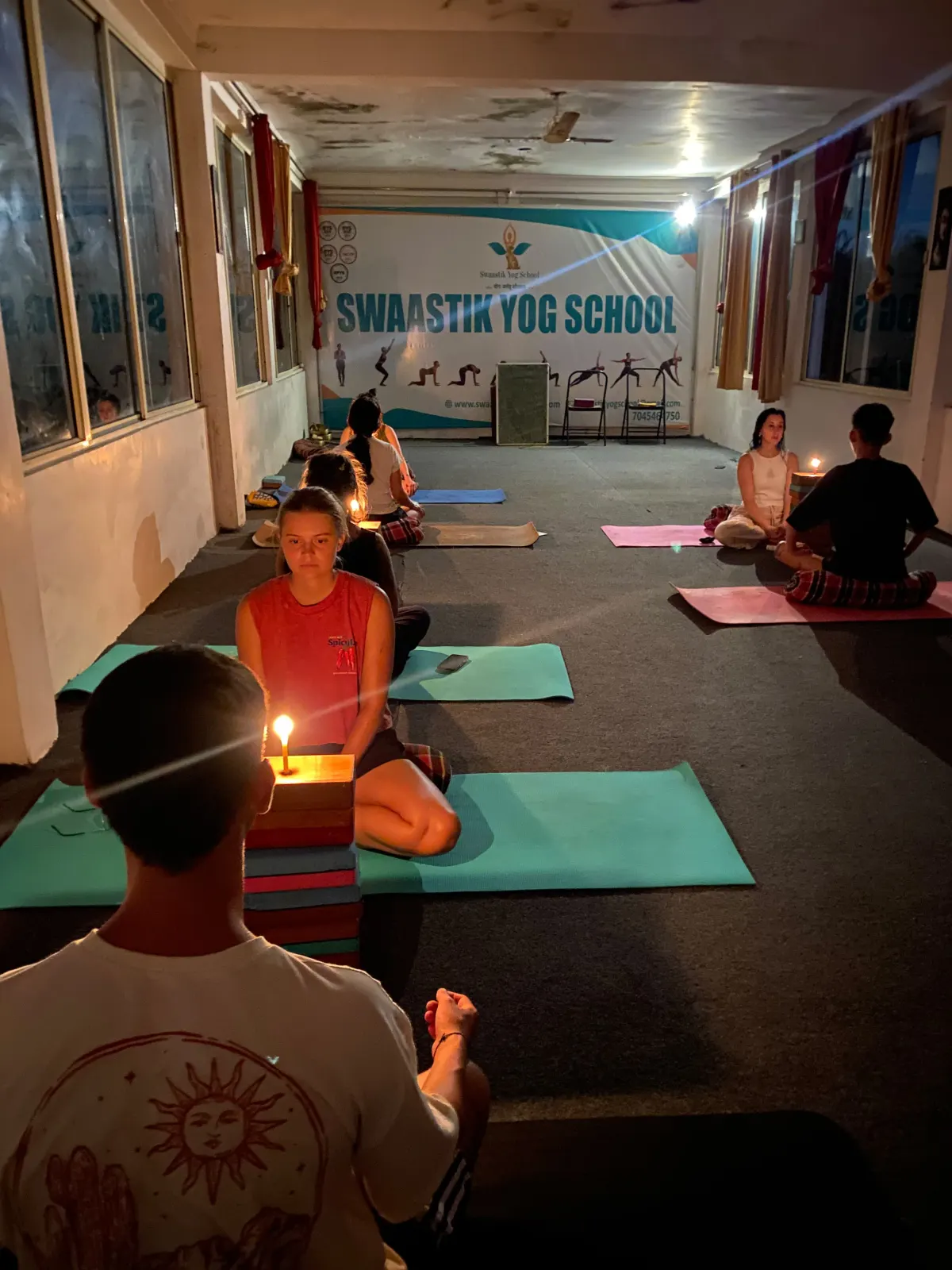
Pranayama is much easier to learn with a teacher watching you, because small errors in posture and force are hard to notice on your own. At Swaastik Yog School in Tapovan, pranayama is part of our daily drop-in classes and is taught in depth in every teacher training, in small batches of no more than 12 students. Our founders, Mayuri Shewale and Rahul Badoni, are both E-RYT 500 teachers with more than 15 years of experience.

Next step

If you are in Rishikesh, join one of our daily drop-in classes in Tapovan and practise Bhastrika with a teacher. If you want to learn pranayama, its traditional context and how to teach it safely, look at our 200-hour yoga teacher training in Rishikesh.

Ready to Start Your Yoga Journey?

Join our Yoga Alliance certified teacher training in Rishikesh — or just ask us a question. We reply to every message personally.

About the Author

Swami Anand, Meditation Master at Swaastik Yog School

Swami Anand

Meditation Master

Swami Anand teaches Meditation, Vedanta, Yoga Nidra at Swaastik Yog School in Rishikesh, sharing years of hands-on experience with students from around the world.

Related Articles

Ajna Chakra Benefits: How to Balance Your Third Eye (Mudra, Mantra & 12-Min Routine)

Ajna Chakra Benefits: How to Balance Your Third Eye (Mudra, Mantra & 12-Min Routine)

A practical guide to the Ajna (third eye) chakra: where it is, what its meditation can honestly do for you, and how to do Ajna (Hakini) mudra, Trataka and Bhramari step by step. Includes a practice table, a 12-minute routine and a 21-day plan.

Read More
What is the Difference Between 200 and 300 Hour Yoga Teacher Training?

What is the Difference Between 200 and 300 Hour Yoga Teacher Training?

Learn the key differences between 200 and 300 hour yoga teacher training, from course content to certification. Choose the right path for your yoga career.

Read More
Is Yoga a Good Career Choice in India and Abroad?

Is Yoga a Good Career Choice in India and Abroad?

Is yoga a good career in India and abroad? Learn about opportunities, income potential, and how certified training can help you build a successful yoga career.

Read More

Vragen? Neem contact op!

Of je nu interesse hebt in onze yogadocentenopleidingen, retreats of drop-in lessen: we helpen je graag op weg in je yogareis. Vul het formulier in of chat direct met ons via WhatsApp.

We reageren binnen 24 uur · 4.8★ uit 138 Google-reviews