Resposta rápida: o que é o Ajna chakra e como equilibrá-lo?
O Ajna chakra é o sexto chakra e fica no centro da testa, entre as sobrancelhas. Sua cor é o índigo e seu mantra é Om. Para equilibrá-lo, pratique 12 minutos por dia: 1 minuto para se acomodar, 3 minutos de Bhramari (respiração da abelha), 4 minutos de Trataka (olhar fixo na chama da vela), 3 minutos de foco no ponto entre as sobrancelhas em Hakini mudra com um Om silencioso e 1 minuto para encerrar. A prática diária vale mais do que sessões longas e raras.
- Localização: centro da testa (Bhrumadhya), entre as sobrancelhas
- Principais benefícios: uma mente mais calma, mais estável e mais clara
- Melhor "Ajna mudra": Hakini mudra (as dez pontas dos dedos se tocando)
- Segurança: nunca force os olhos; não faça o Trataka com a vela se tiver epilepsia ou glaucoma
O Ajna chakra, também chamado de chakra do terceiro olho, é o sexto dos sete chakras principais. Ele está associado à intuição, ao foco e à clareza de percepção. É também uma das ideias mais mal compreendidas do yoga. Há quem prometa visões ou poderes psíquicos. Não é disso que este guia trata.
Os sete chakras principais, da base da coluna para cima, são Muladhara, Svadhisthana, Manipura, Anahata, Vishuddha, Ajna e Sahasrara. O Ajna é o último antes da coroa.
Este é um guia prático. Você vai aprender onde fica o Ajna, o que ele significa e o que pode esperar, com honestidade, da prática. Também vai encontrar instruções passo a passo para o Ajna mudra, uma tabela de práticas com tempos, um plano de 21 dias e orientações de segurança bem claras.
O Ajna chakra em resumo
| Atributo | Detalhe |
|---|---|
| Nome em sânscrito | Ajna ("comando" ou "perceber") |
| Posição no sistema de chakras | Sexto dos sete chakras principais |
| Localização | Entre as sobrancelhas (centro da testa, chamado Bhrumadhya) |
| Elemento | Além dos cinco elementos; ligado à mente (manas) |
| Cor | Índigo no sistema moderno de cores (textos mais antigos o descrevem como branco, como a lua) |
| Símbolo | Lótus de duas pétalas |
| Mantra-semente | Om (ॐ) |
| Sílabas nas duas pétalas | Ham e Ksham |
| Deusa regente (nos textos tântricos) | Hakini, de onde vem o nome do Hakini mudra |
| Sinais de desequilíbrio | Névoa mental, pouca concentração, indecisão, insegurança, imaginação hiperativa |
| Práticas principais | Trataka, entoação do Om, Bhramari, Anulom Vilom, Hakini mudra, meditação no ponto entre as sobrancelhas |
Onde fica o Ajna chakra?
O Ajna chakra fica no centro da testa, bem entre as sobrancelhas. Em sânscrito, esse ponto se chama Bhrumadhya. Quando os yogues repousam suavemente o olhar interior ali, a prática se chama Bhrumadhya Drishti. É uma das práticas de concentração mais antigas do yoga.
Muitos autores associam o terceiro olho à glândula pineal, uma pequena glândula localizada no interior do cérebro que produz melatonina, o hormônio que ajuda a regular o sono. O filósofo Descartes chamou a pineal de "sede principal da alma". Essa ligação é uma ideia moderna, que não vem dos antigos textos de yoga. O honesto é tratá-la como uma associação, não como um fato. O chakra é um mapa para a meditação. A glândula é um órgão físico. Meditar não vai "ativar" uma glândula. Mas uma mente mais calma, um quarto escuro e menos tela tarde da noite realmente favorecem um ritmo de sono saudável. É por isso que as dicas de estilo de vida mais adiante neste guia fazem diferença.
O que significa "Ajna"?
A palavra Ajna vem do sânscrito e significa "comando" ou "perceber". Ela é vista como o centro de comando da consciência, o lugar onde a mente consegue observar a si mesma com clareza.
Nos textos tântricos sobre o corpo sutil, os chakras são descritos como centros ao longo da sushumna nadi, o canal energético central que, segundo a tradição, percorre a coluna. Eles não são órgãos físicos. A melhor forma de entendê-los é como pontos focais de consciência. Os yogues os usam para direcionar a atenção e observar a própria experiência interior.
A tradição diz que outros dois canais, Ida e Pingala, sobem em espiral pela coluna e se encontram no Ajna. Esse é um dos motivos pelos quais a respiração alternada pelas narinas, que equilibra as narinas esquerda e direita, costuma ser combinada com a prática do terceiro olho.
Portanto, trabalhar com o Ajna chakra não é um tratamento médico. É uma prática contemplativa para cultivar clareza, foco e estabilidade interior.
Simbolismo do chakra do terceiro olho
- Cor: índigo profundo, a cor do céu noturno, associada à visão interior no ensino moderno
- Símbolo: um lótus de duas pétalas, que representa dois opostos entrando em equilíbrio
- Elemento: nenhum dos cinco elementos físicos; o Ajna está ligado à própria mente
- Mantra: Om (ॐ), o som primordial na tradição yóguica
Quais são os benefícios da meditação no Ajna chakra?
Os principais benefícios da meditação no Ajna chakra são uma mente mais calma, um foco mais estável durante a prática, um pensamento mais claro e menos ruído mental. Em termos yóguicos, um Ajna equilibrado significa intuição mais afiada, melhor discernimento e uma imaginação viva, mas com os pés no chão. Esses benefícios se constroem aos poucos, com uma prática curta e diária. São qualidades interiores, não poderes especiais.
Veja o que o ensino tradicional descreve e o que você pode esperar de forma realista:
| Benefício | O que diz a tradição | O que você pode esperar de forma realista |
|---|---|---|
| Mente calma | O Ajna aquieta o falatório mental | Muitas pessoas se sentem mais calmas depois de apenas 10 minutos de respiração lenta e foco |
| Concentração | O Ajna é a sede da atenção focada em um só ponto | A mente divaga menos durante a prática, depois de semanas de esforço diário |
| Intuição | O Ajna é o "olho interior" da percepção | Você pode passar a notar seus pensamentos e sentimentos com mais clareza antes de agir |
| Tomada de decisão | O Ajna é o centro de "comando" | Uma mente mais quieta consegue escolher com menos pânico e menos excesso de pensamento |
| Sono | Associado à glândula pineal | Relaxar à noite e passar menos tempo em telas pode ajudar você a desacelerar |
E o que diz a ciência? Uma grande revisão publicada em 2014 no JAMA Internal Medicine analisou 47 estudos com 3.515 pessoas. Ela concluiu que programas de meditação mindfulness trouxeram melhoras pequenas a moderadas na ansiedade, na depressão e na dor, geralmente medidas após cerca de 8 semanas. A mesma revisão encontrou pouca ou nenhuma evidência de efeitos sobre a atenção ou o sono. Por isso descrevemos os benefícios da prática do terceiro olho, em primeiro lugar, como calma e estabilidade. Qualquer coisa mais profunda é experiência pessoal, não fato comprovado.
Sinais de um Ajna chakra equilibrado
Um chakra do terceiro olho equilibrado se manifesta como uma combinação de pensamento claro e uma confiança tranquila em si mesmo.
- Pensamento claro e decisões tomadas com calma
- Foco estável e boa memória
- Confiança na sua própria percepção interior
- Imaginação criativa, mas com os pés no chão
- Capacidade de enxergar o quadro geral
Sinais de um chakra do terceiro olho bloqueado ou hiperativo
No ensino moderno dos chakras, o Ajna pode estar hipoativo (bloqueado) ou hiperativo. Os dois estados causam inquietação, cada um à sua maneira.
| Hipoativo (bloqueado) | Hiperativo |
|---|---|
| Névoa mental e confusão | Pensamentos acelerados, excesso de pensamento |
| Dificuldade de concentração | Devaneios que desconectam você do dia a dia |
| Indecisão e insegurança | Sensação de estar "aéreo" ou sem chão |
| Pensamento rígido, em preto e branco | Dificuldade para dormir porque a mente não desliga |
| Ignorar a própria intuição | Ver significados ocultos em tudo |
Sintomas físicos como dores de cabeça frequentes, problemas nos olhos, sinusite ou insônia costumam aparecer na internet como sinais do "terceiro olho". Por favor, encare-os como um motivo para procurar um médico, e não como um chakra a ser consertado. A tensão no pescoço e na parte superior das costas também pode alimentar dores de cabeça; o nosso guia de yoga para dor nas costas traz alívio suave para isso.
Se você se sente hiperativo, faça algo para se aterrar antes do trabalho com o terceiro olho: posturas em pé, caminhar descalço e uma refeição completa. É o mesmo conselho que damos no nosso guia de meditação para cura dos chakras, que aborda os sete chakras.
Tabela de práticas do Ajna chakra: mudra, mantra, pranayama e duração
Esta tabela é o coração do guia. Cada prática tem um tempo claro e um cuidado claro. Iniciantes podem começar apenas com as três primeiras linhas.
| Prática | Tipo | Como fazer (resumo) | Tempo para iniciantes | Prática regular | Cuidado |
|---|---|---|---|---|---|
| Foco entre as sobrancelhas | Meditação | De olhos fechados, repouse a atenção entre as sobrancelhas e imagine uma suave luz índigo | 3–5 min | 10–15 min | Mantenha os olhos físicos relaxados |
| Bhramari (respiração da abelha) | Pranayama | Inspire pelo nariz e expire com um zumbido longo e suave | 5 ciclos (cerca de 2 min) | 9–11 ciclos (cerca de 4 min) | Pratique sentado; evite se estiver com infecção no ouvido |
| Anulom Vilom | Pranayama | Inspire e expire lentamente, alternando as narinas | 3 min | 5–10 min | Nunca force nem prenda a respiração |
| Entoação do Om | Mantra | Entoe um "Ommm" longo e sinta a vibração na testa | 11 repetições (cerca de 2 min) | 108 repetições (cerca de 15 min) | Use a voz suave; pare se sentir tontura |
| Hakini mudra | Mudra das mãos | As dez pontas dos dedos se tocam levemente, com as palmas afastadas | 5 min | 15 min | Mantenha ombros e cotovelos soltos |
| Gyana mudra | Mudra das mãos | A ponta do indicador toca a ponta do polegar, mãos sobre os joelhos | 5 min | A meditação inteira | Nenhum, para a maioria das pessoas |
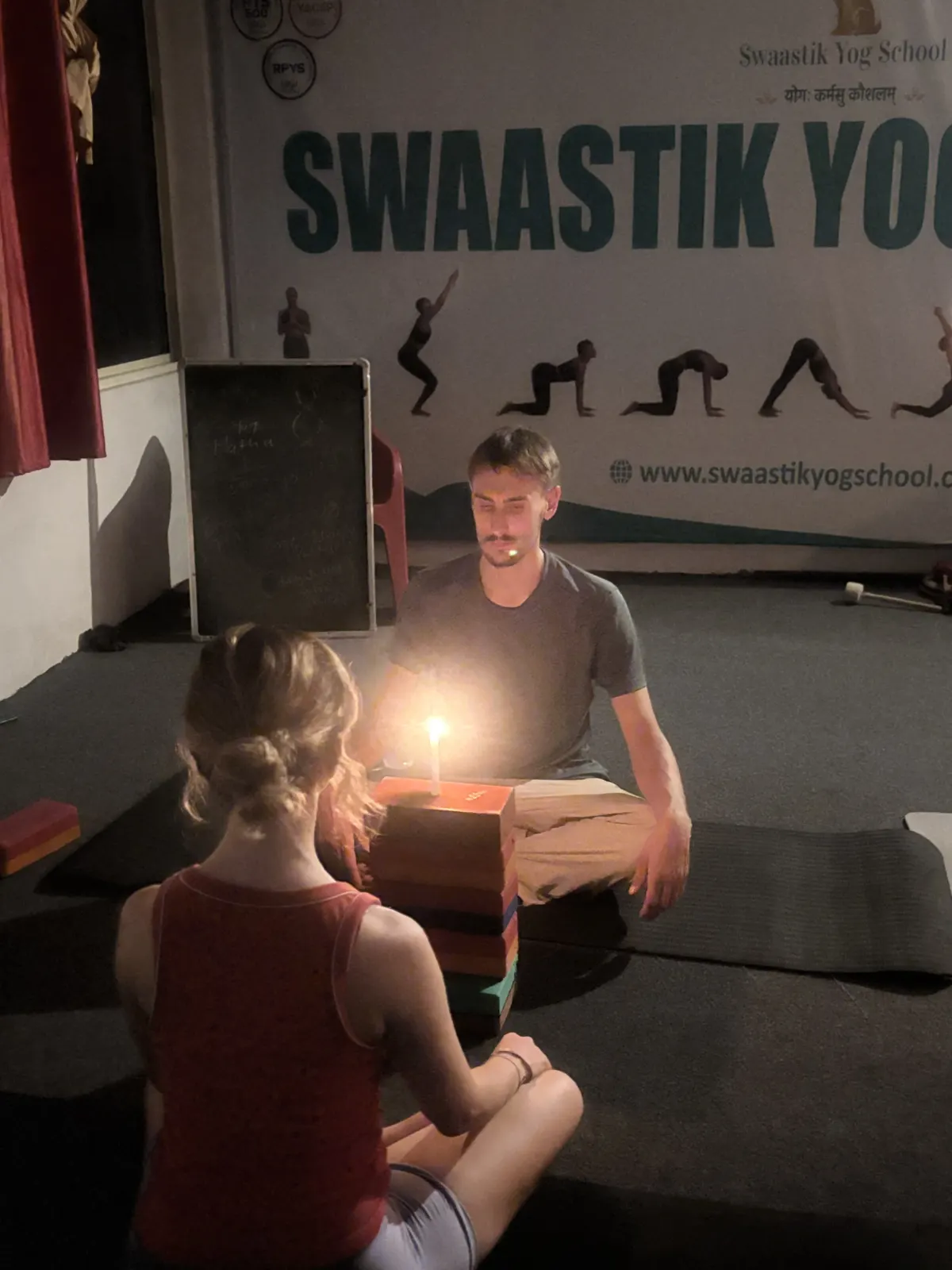
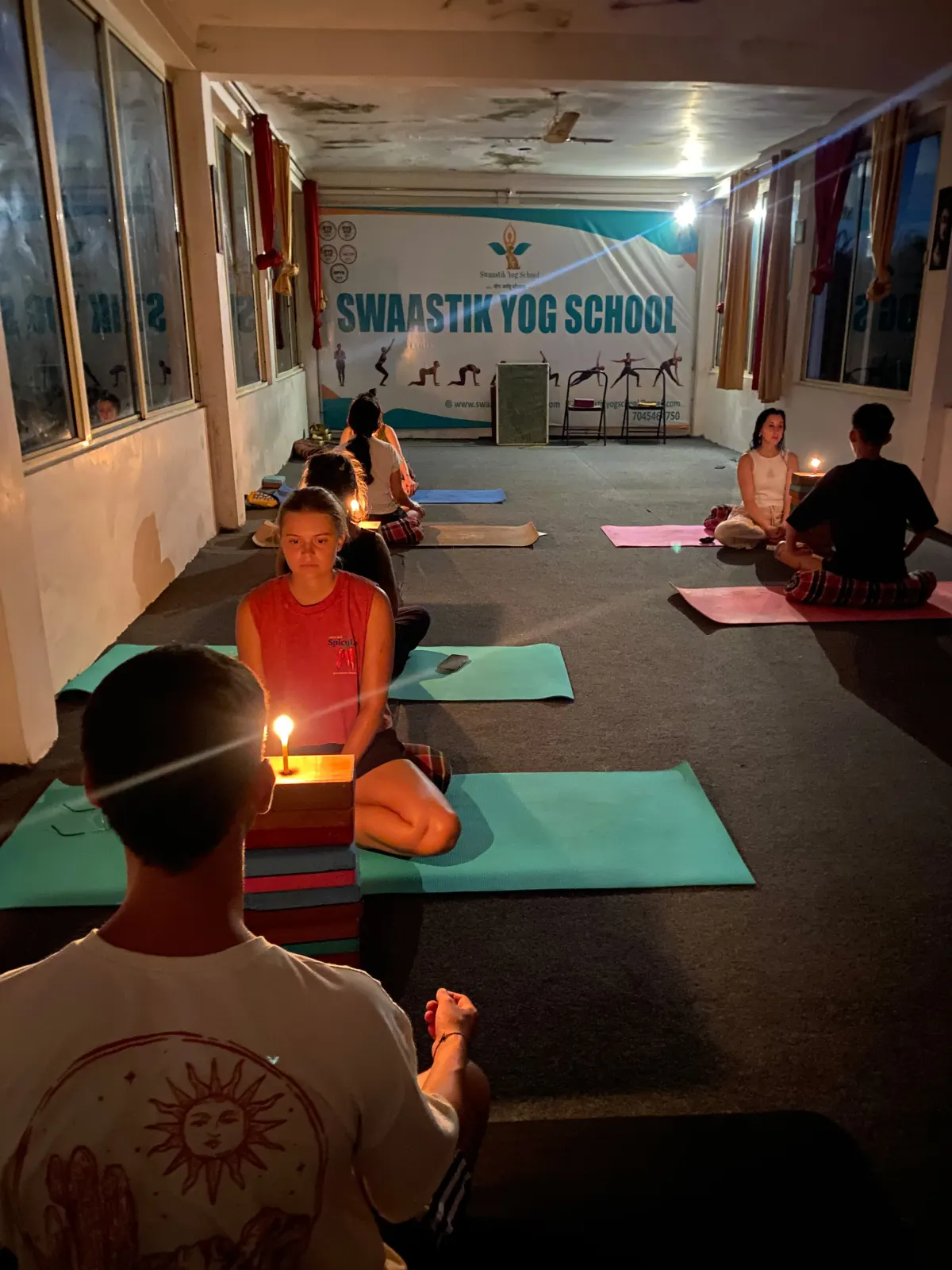
| Trataka (olhar na chama da vela) | Concentração (kriya) | Olhe suavemente para uma chama, depois feche os olhos e observe a imagem residual | 2–3 min | 5–10 min | Evite em caso de epilepsia, glaucoma ou problemas nos olhos |
| Shambhavi mudra | Mudra dos olhos | Eleve suavemente o olhar em direção ao ponto entre as sobrancelhas | 10–20 s, 3 vezes | 1–2 min | Aprenda com um professor; nunca force |