Back to Blog
Wellness

Everything You Need to Know About Vajrasana

Share this post:
Everything You Need to Know About Vajrasana

A complete guide to Vajrasana (Thunderbolt Pose) — the one yoga pose safe right after eating — its digestive benefits, technique and contraindications.

Vajrasana, or Thunderbolt Pose, is unique among yoga asanas — it is the one pose traditionally practised right after a meal, because it actively aids digestion. Simple to hold yet deeply beneficial, it calms the mind, improves posture and supports the digestive system. This guide covers how to practise Vajrasana correctly, its benefits, how long to hold it, and who should avoid it. The practical guidance below is drawn from over a decade of training students at Swaastik Yog School in Rishikesh.
Everything You Need to Know About Vajrasana

What is Vajrasana and what are its benefits?

Vajrasana (Thunderbolt or Diamond Pose) is a kneeling yoga posture and the only asana traditionally practised immediately after eating, because it actively improves digestion. You sit back on your heels with the spine erect, hands resting on the thighs, and breathe steadily. The main benefits of Vajrasana are: it boosts digestion and relieves acidity, gas, bloating and constipation; strengthens the pelvic floor and thigh muscles; eases lower-back pain by correcting posture; improves blood flow to the abdomen; aids weight management by stimulating metabolism; and calms the mind, making it ideal for meditation and pranayama. Hold it for 5-15 minutes after each meal; even 5 minutes produces noticeable digestive relief within a week. Avoid Vajrasana if you have severe knee or ankle injuries, recent knee surgery, a slipped disc, or painful varicose veins; use a cushion under the ankles to reduce strain. Foundational poses like this are taught and refined in our 200 hour yoga teacher training course in India.

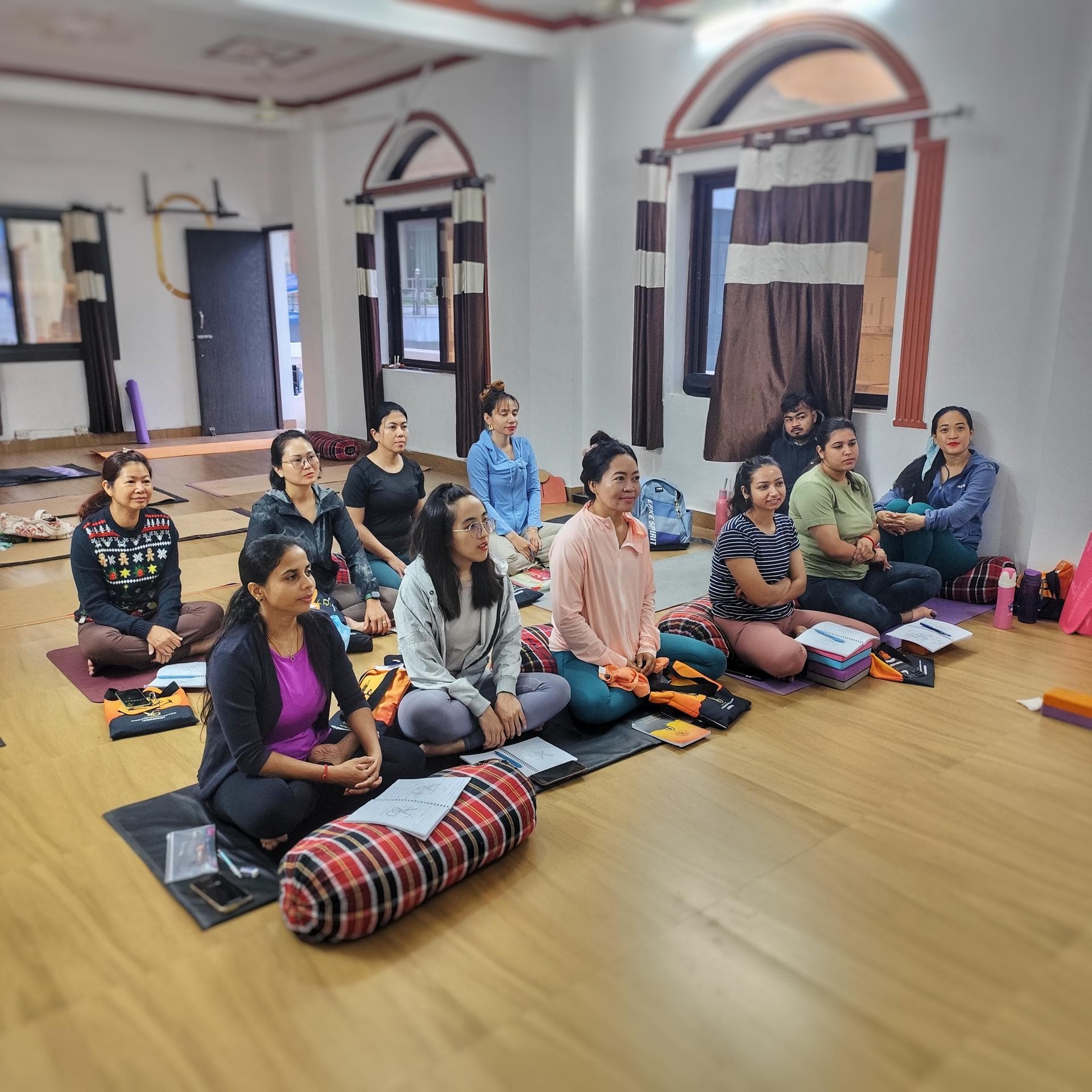
Vajrasana (Thunderbolt pose) — correct kneeling alignment demonstrated by a Swaastik Yog School teacher
Kurshittare

Osäker på vilken kurs som passar dig?

Vi har gjort det enkelt att jämföra. Se alla lärarutbildningar, retreats och klasser sida vid sida – med aktuella startdatum, priser och rumsalternativ – på en och samma sida.

  • Filtrera på månad
  • Filtrera på budget
  • Filtrera på rumstyp
Jämför alla kurserTar 30 sekunder · Ingen registrering behövs

How to Do Vajrasana Step by Step

Kneel on a mat with knees together and feet apart, big toes touching. Lower your hips to sit back on your heels, with the buttocks resting between the heels. Keep the spine erect, rest your palms on your thighs, relax the shoulders, and breathe slowly. Hold for 5-15 minutes, then release gently. Beginners should start with 1-3 minutes and place a folded blanket between the thighs and calves, or a cushion under the ankles, if the knees feel uncomfortable.

Frequently Asked Questions

How long should you sit in Vajrasana?

Beginners should start with 1-3 minutes and build up gradually. After meals, 5-15 minutes is ideal for digestion. Experienced practitioners can hold it for 20-30 minutes during meditation or pranayama. Come out slowly and stretch the legs if you feel numbness or tingling, then resume.

Does Vajrasana help reduce belly fat?

Vajrasana does not burn belly fat directly, but it supports weight management by improving digestion, stimulating metabolism and reducing bloating, which makes the abdomen appear flatter. Practised daily after meals alongside a balanced diet and regular activity, it helps prevent the constipation and sluggish digestion that contribute to abdominal weight.

Can beginners practise Vajrasana every day?

Yes. Vajrasana is one of the safest poses for beginners and can be practised daily, including after every meal. Start with short holds of 1-3 minutes and place a folded blanket between the thighs and calves or a cushion under the ankles if your knees feel uncomfortable. Stop if you feel sharp knee pain.

Why is Vajrasana practised after eating?

Vajrasana gently increases blood flow to the stomach and intestines while reducing flow to the legs, which stimulates the digestive process. This is why it is the one pose recommended right after a meal — sitting in it for 5-15 minutes after eating eases acidity, gas and bloating and supports smoother digestion.

Take the Next Step

Train with senior Indian teachers in Rishikesh, the world capital of yoga.

View Teacher Training See Retreats

Ready to Start Your Yoga Journey?

Join our Yoga Alliance certified teacher training in Rishikesh — or just ask us a question. We reply to every message personally.

About the Author

Rahul Badoni, Co-Founder & Philosophy Teacher at Swaastik Yog School

Rahul Badoni

Co-Founder & Philosophy Teacher

E-RYT 500 · 15+ years teaching

Rahul Badoni teaches Yoga Philosophy, Ashtanga Yoga, Meditation at Swaastik Yog School in Rishikesh, sharing 15+ years of hands-on experience with students from around the world.

Related Articles

10 Things Yoga Can’t Do for You

10 Things Yoga Can’t Do for You

An honest, myth-busting look at 10 things yoga cannot do — so you can practise with realistic expectations and enjoy the benefits it genuinely delivers.

Read More
Sound Healing Therapy: Benefits and Complete Guide

Sound Healing Therapy: Benefits and Complete Guide

What is sound healing? Types of instruments, scientific research, benefits for anxiety and sleep, and how to become a sound healing practitioner.

Read More
Yoga for Stress Relief: Best Poses and Techniques

Yoga for Stress Relief: Best Poses and Techniques

Top 10 yoga poses for stress relief, breathing techniques, meditation practices, and the science behind how yoga reduces cortisol levels.

Read More

Har du frågor? Hör av dig!

Oavsett om du är intresserad av våra yogalärarutbildningar, retreats eller drop-in-klasser hjälper vi dig gärna på din yogaresa. Fyll i formuläret eller chatta direkt med oss på WhatsApp.

Vi svarar inom 24 timmar · 4.8★ från 138 Google-recensioner