Flexibility
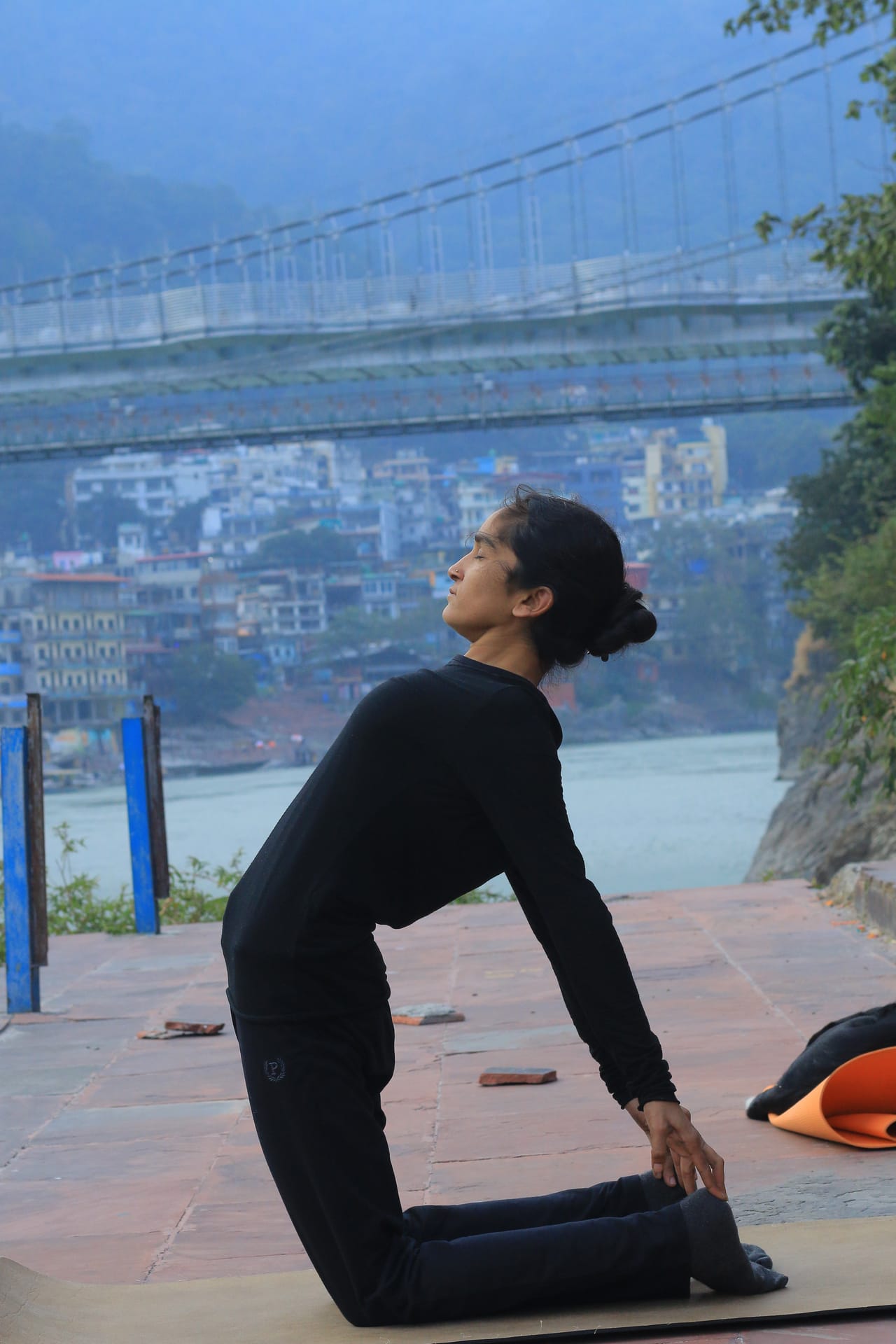
Flexibility is the change most people notice first. Holding a stretch for several slow breaths seems to increase your tolerance to the stretch, and over time your range of motion improves. Practise when you are warm, never bounce, and avoid forcing end range, especially in the hamstrings and hips. Bend your knees in forward folds if your lower back rounds.
Strength
Yoga builds strength by making you hold and control your own body weight. Chair pose and warrior poses load the legs; plank and its variations train the shoulders and core; bridge and locust strengthen the back of the body. Studies of regular practitioners suggest meaningful gains in muscular endurance, particularly in beginners. For more on combining the two, see our guide to yoga for flexibility and strength.
Balance
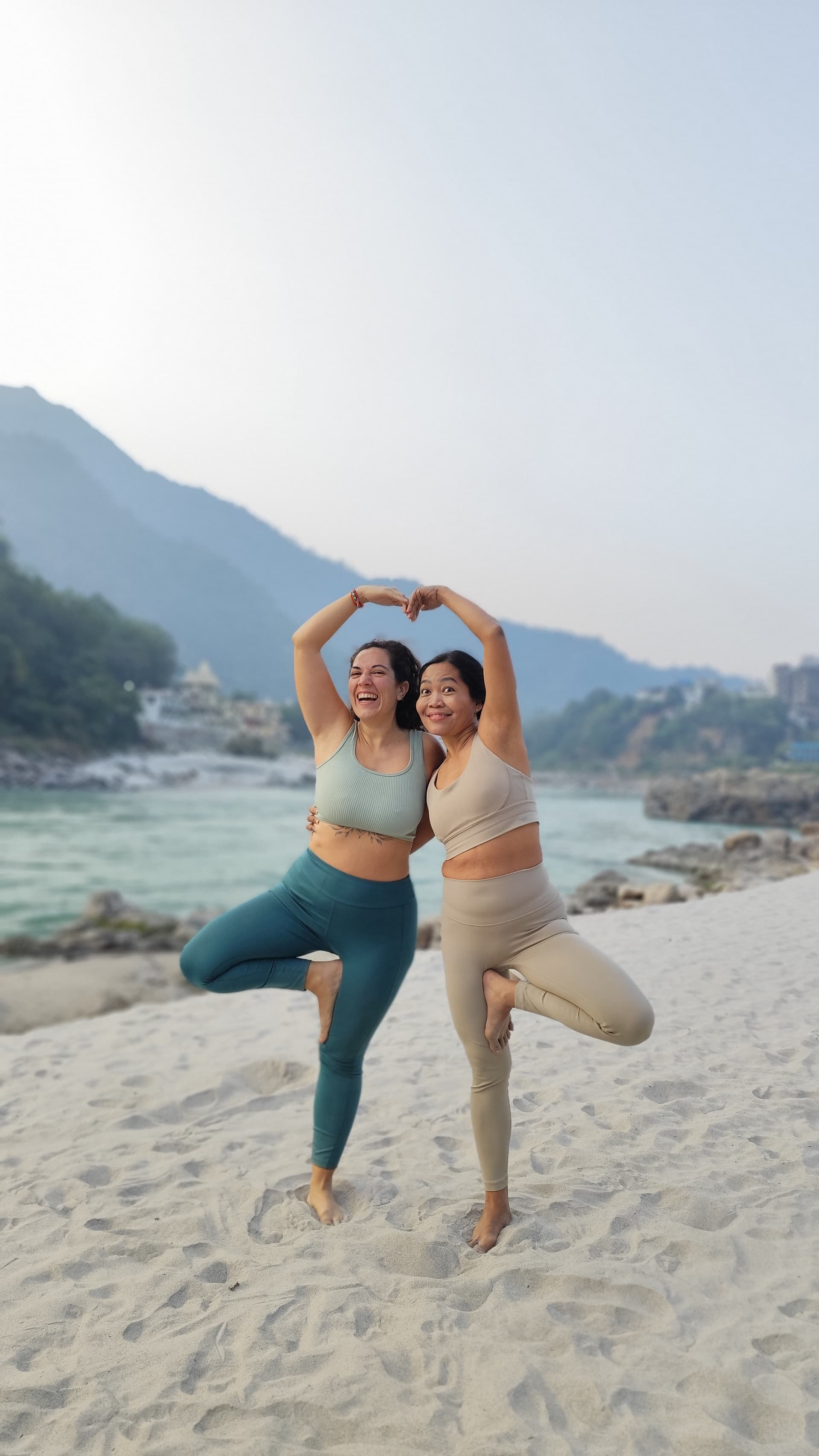
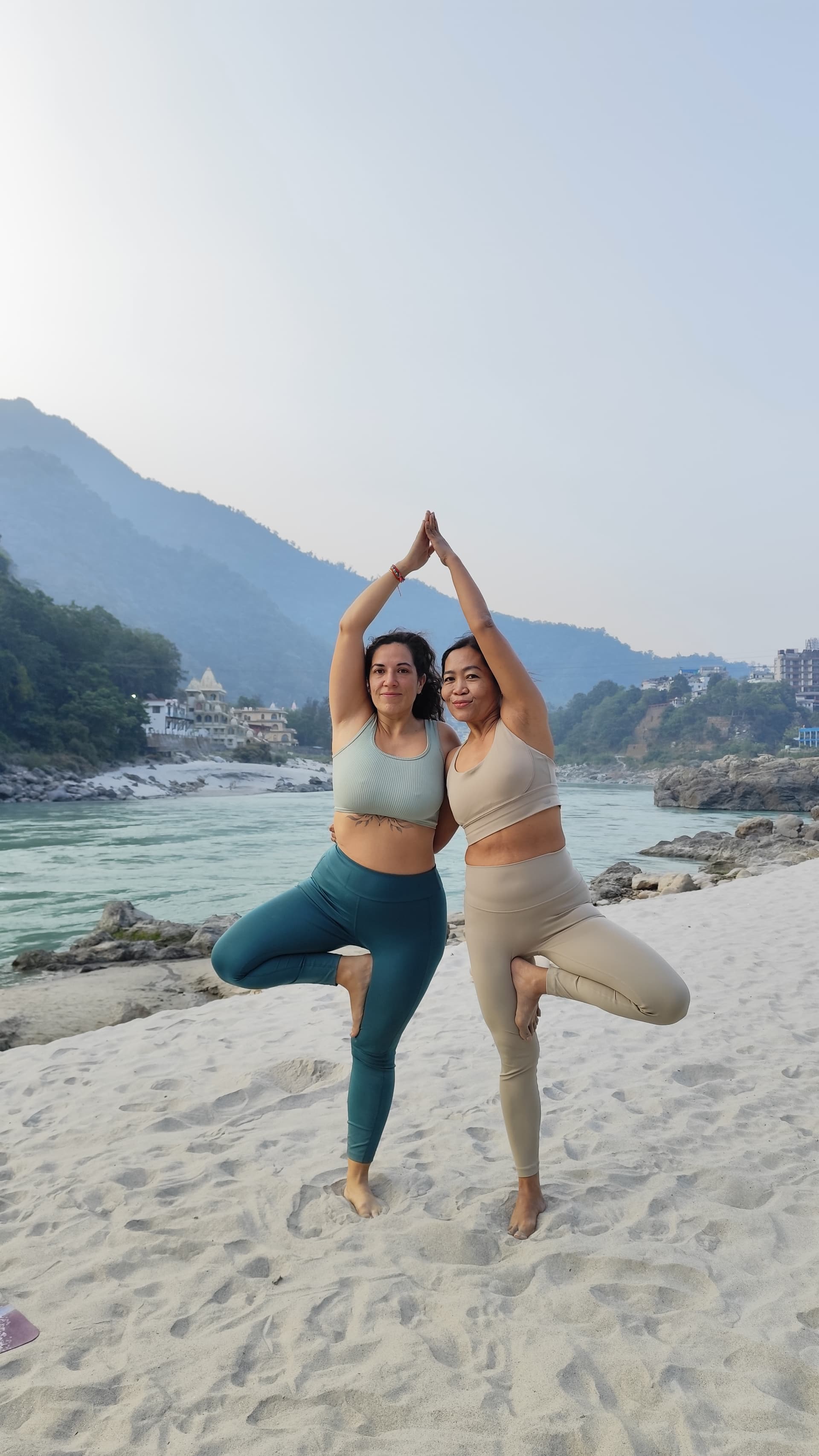
Balance depends on leg strength, ankle mobility and the body's sense of position, all of which yoga trains. Single-leg poses and slow transitions challenge these systems in a controlled way. Research in older adults suggests yoga may help improve balance and confidence in movement. Practise near a wall at first.
Posture
Long hours of sitting tend to round the upper back and push the head forward. Yoga cannot fix posture in one class, but strengthening the upper back (locust, cobra, sphinx), opening the chest and hips, and building awareness of how you sit and stand may help over several weeks. The awareness is often the biggest change: you start to notice when you slump.
Back pain
Chronic, non-specific low back pain has some of the strongest evidence for yoga. Several randomised trials suggest that a 12-week programme of gentle yoga can reduce pain and improve function about as much as physical therapy exercise, and clinical guidelines in a number of countries now include yoga as an option. Start gently and progress slowly. Our article on the 10 best yoga poses for back pain walks through safe options.
Safety note: see a doctor first if your back pain follows an injury, comes with numbness, weakness, fever or loss of bladder or bowel control, or wakes you at night. These need medical assessment, not yoga.
Sleep
Studies suggest yoga may improve sleep quality, particularly gentle or restorative styles practised in the evening. Slow breathing with a longer exhale, legs up the wall, and a guided relaxation such as yoga nidra may help your body shift into rest. Keep vigorous practice earlier in the day if it leaves you wired.
Blood pressure and heart health
Research suggests regular yoga that includes slow breathing and relaxation may produce small reductions in blood pressure in people with high-normal or raised readings. The effect is modest and does not replace medication or lifestyle advice from your doctor. If you have high blood pressure, avoid holding your breath, keep your head above your heart in inversions unless your doctor agrees otherwise, and come out of any pose that makes you dizzy.
How to get these benefits safely
- Practise two to four times a week. Frequency matters more than session length.
- Mix the elements. Include strength, mobility, balance, breathing and rest in each week.
- Use props. Blocks, straps and a wall make poses safer and more effective, not easier in a bad way.
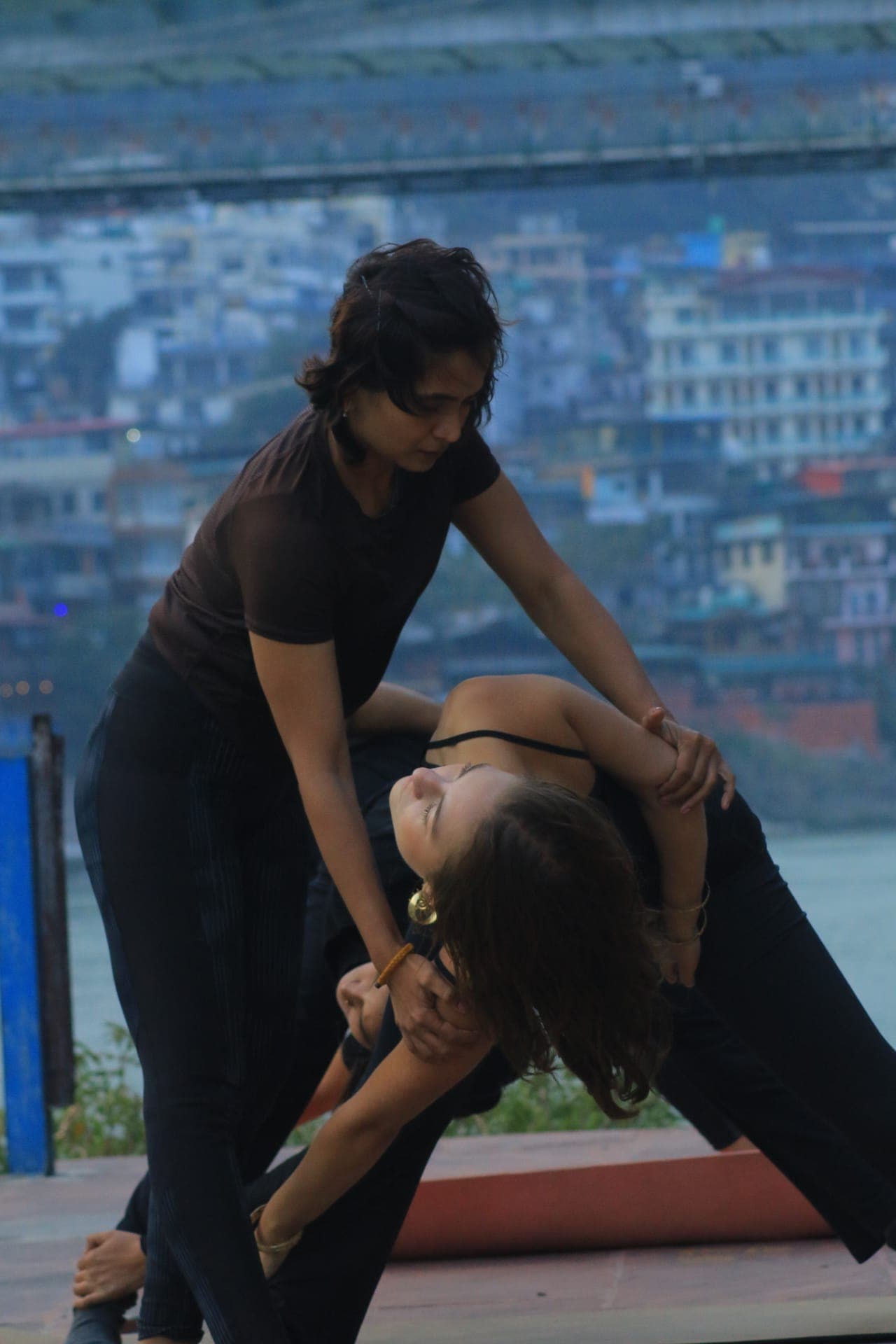
- Learn from a teacher. A qualified teacher can correct alignment you cannot see yourself.
- Talk to your doctor if you are pregnant, have a chronic condition, or are recovering from injury or surgery.
If you are in Rishikesh, our daily drop-in classes in Tapovan are an easy way to start with guidance, in small groups where teachers can offer modifications.
Common questions
How often should I do yoga to see health benefits?
Most studies use two to three sessions a week for 8 to 12 weeks. Short daily practice of 15 to 20 minutes can work just as well if you keep it varied.
Is yoga enough exercise on its own?
For many people, a strong, varied practice covers mobility, balance and a good amount of strength. Adding brisk walking or other cardio supports heart health further.
Next step
If you want to understand the anatomy behind these benefits and build a practice you can keep for life, explore our 200-hour yoga teacher training in Rishikesh, a Yoga Alliance RYS 200 course taught in batches of no more than 12.