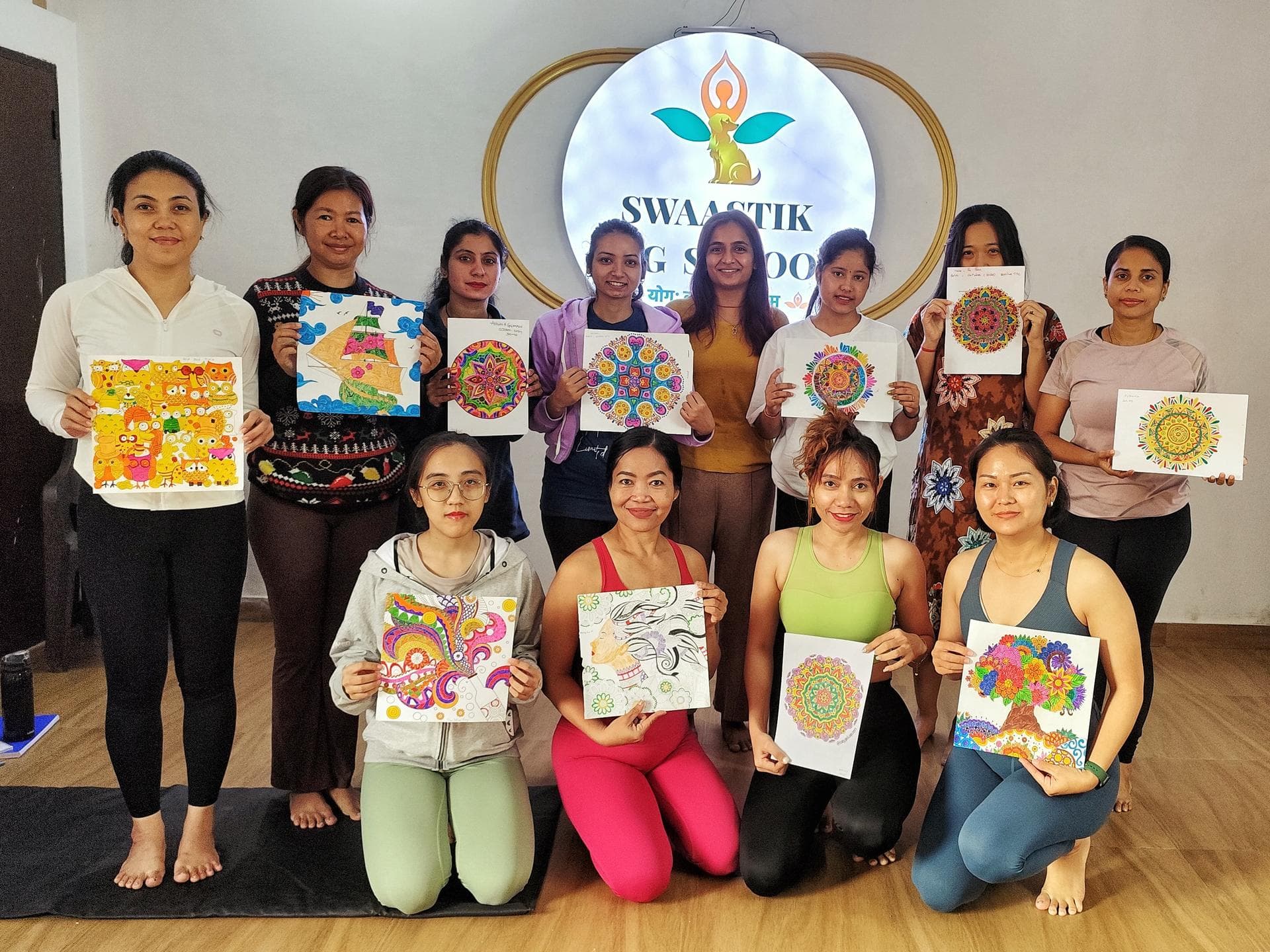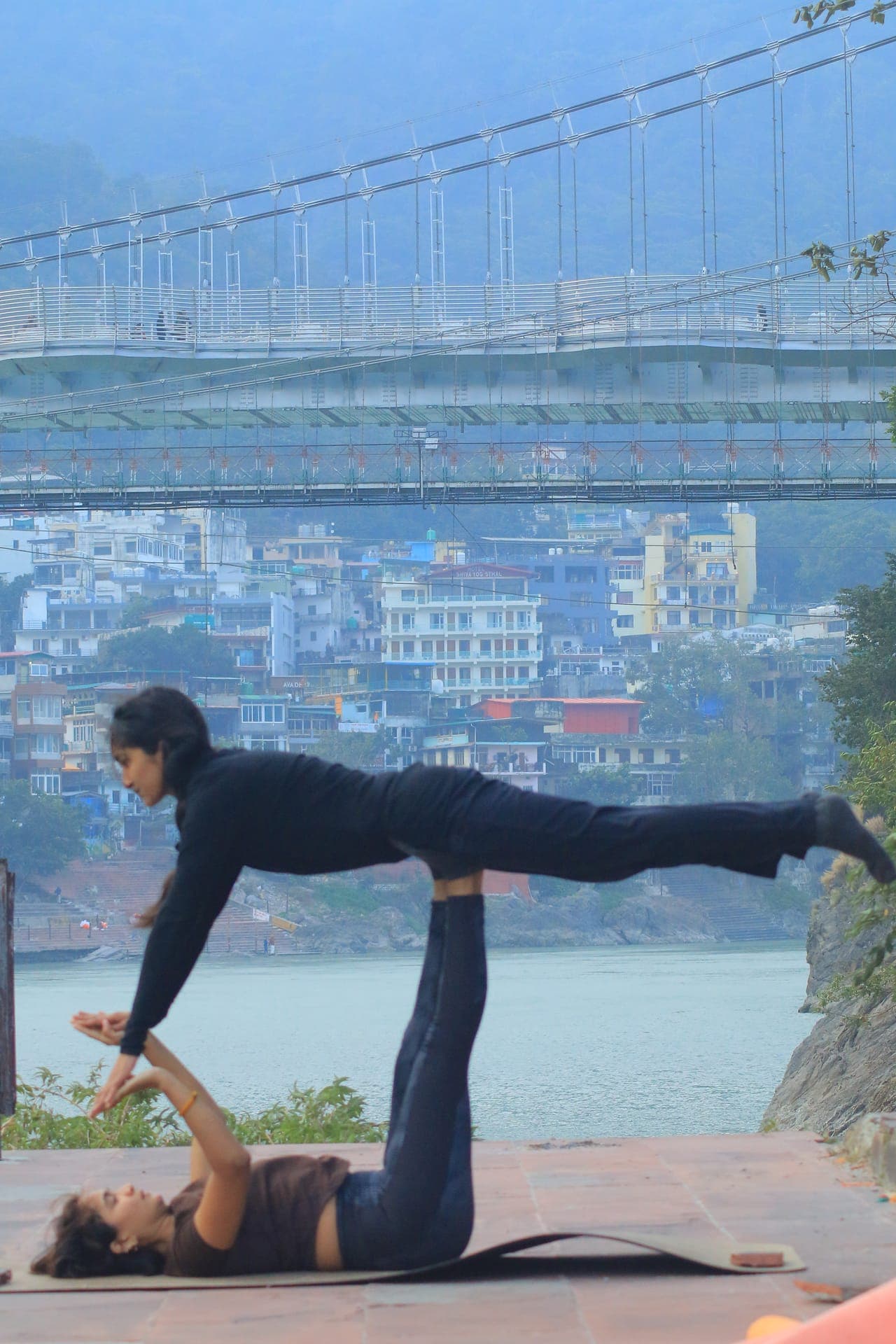
एक बेहतरीन विन्यास क्लास संगीत जैसी लगती है। वह बहती है, बनती है, चरम पर पहुँचती है और ऐसी पूर्णता के साथ समाप्त होती है कि छात्र स्वयं को रूपांतरित महसूस करते हैं। लेकिन ऐसा अनुभव संयोग से नहीं बनता। हर सहज दिखने वाली क्लास के पीछे एक सावधानी से रचा गया सीक्वेंस होता है, जो शरीर-रचना (एनाटॉमी), ऊर्जा-प्रबंधन और रचनात्मक बुद्धि के ठोस सिद्धांतों पर आधारित होता है। आप चाहे अपनी पहली क्लास तैयार कर रहे नए शिक्षक हों या अपनी समझ गहरी करना चाहने वाले अनुभवी साधक, विन्यास योग सीक्वेंस में निपुणता पाना एक कला भी है और विज्ञान भी।
ऋषिकेश स्थित स्वास्तिक योग स्कूल में सीक्वेंसिंग उन मुख्य दक्षताओं में से एक है जिन्हें हम अपने शिक्षक प्रशिक्षण कार्यक्रमों में विकसित करते हैं। इस गाइड में हम वे सिद्धांत और व्यावहारिक ढाँचे साझा कर रहे हैं जिनका उपयोग हमारे शिक्षक सुरक्षित, प्रभावी और प्रेरक विन्यास योग सीक्वेंस बनाने के लिए करते हैं।
एक अच्छे विन्यास योग सीक्वेंस की पहचान क्या है?
विन्यास का अर्थ है "विशेष ढंग से रखना", और इसी परिभाषा में अच्छी सीक्वेंसिंग की कुंजी छिपी है। हर आसन को सोच-समझकर रखा जाना चाहिए, ताकि एक तार्किक क्रम बने जो शरीर को अगले चरण के लिए तैयार करे और साथ ही एक सार्थक चरम (पीक) अनुभव की ओर ले जाए।
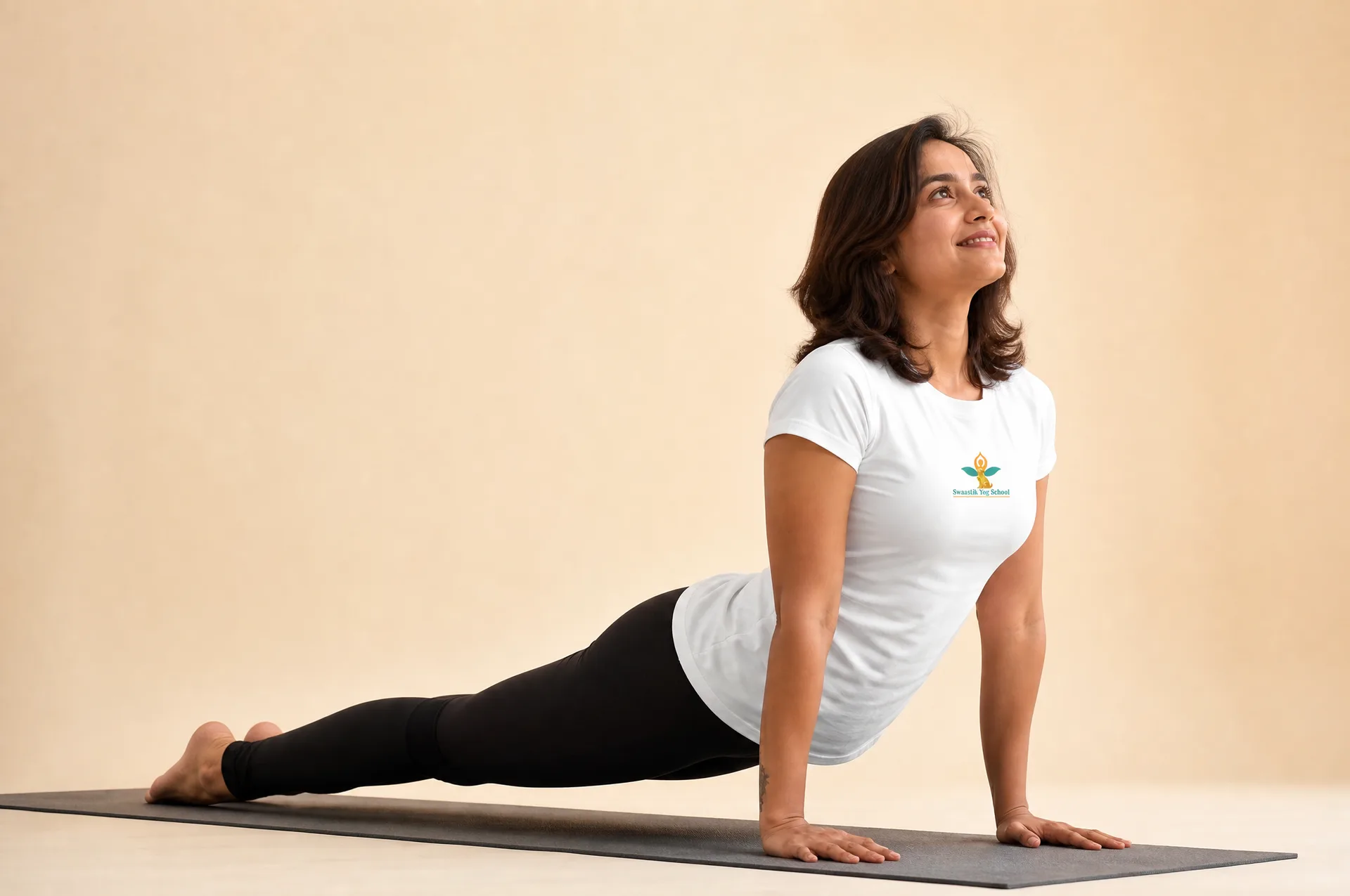
बुद्धिमान सीक्वेंसिंग के पाँच सिद्धांत
- सुरक्षा सबसे पहले: सीक्वेंस के हर आसन के लिए शरीर पर्याप्त रूप से तैयार होना चाहिए। इसका अर्थ है कि चुनौतीपूर्ण आसनों से पहले उनके लिए ज़रूरी मांसपेशियों और जोड़ों को गर्म किया जाए
- क्रमिक तीव्रता: सरल से जटिल और परिचित से नए की ओर बढ़ें। शरीर और मन को धीरे-धीरे गर्म होने की ज़रूरत होती है
- संतुलित क्रिया: हर क्रिया के साथ एक प्रतिक्रिया शामिल करें। पीछे झुकने (बैकबेंड) के बाद हल्का आगे झुकना आए। तीव्र प्रयास को विश्राम से संतुलित करें। बायाँ पक्ष हमेशा दाएँ पक्ष से मेल खाए
- ऊर्जा-चाप (एनर्जेटिक आर्क): एक अच्छी तरह सीक्वेंस की गई क्लास में स्पष्ट ऊर्जा-यात्रा होती है: स्थिर होना, गर्म होना, बनना, चरम पर पहुँचना, शांत होना और समाहित करना
- थीम और संकल्प: सबसे अच्छे सीक्वेंस में एक जोड़ने वाला सूत्र होता है, चाहे वह शारीरिक फोकस हो (हिप ओपनर, बैकबेंड), कोई ऊर्जा-गुण (साहस, समर्पण) या कोई दार्शनिक विचार
विन्यास क्लास की संरचना: ऊर्जा-चाप
ऐसे विन्यास योग सीक्वेंस बनाने के लिए, जो पूर्ण और संतोषजनक लगें, ऊर्जा-चाप को समझना बुनियादी है। यह वह ढाँचा है जो हम अपने 200 घंटे के शिक्षक प्रशिक्षण में सिखाते हैं।
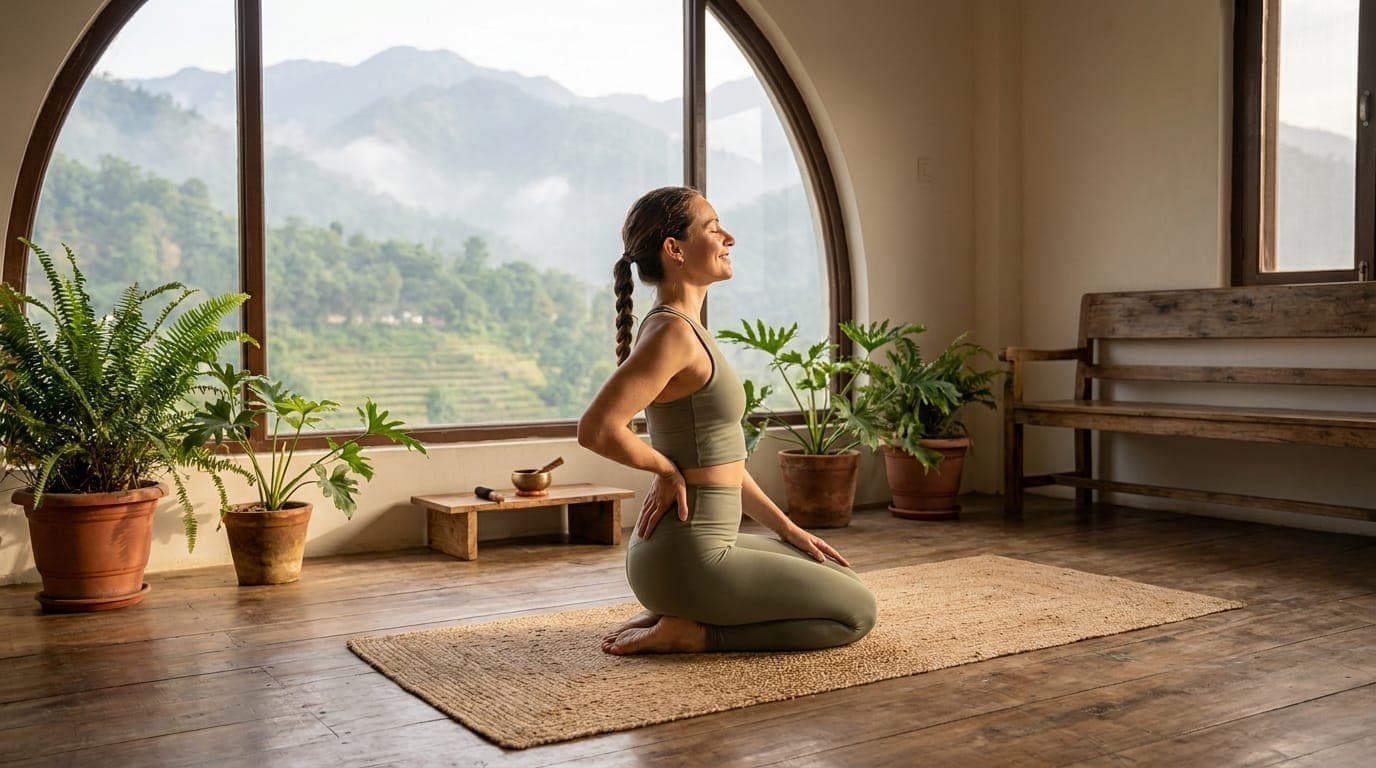
1. आरंभ और केंद्रित होना (5-10 मिनट)
स्थिरता से शुरू करें। बैठकर ध्यान, संकल्प लेना या श्वास-जागरूकता का अभ्यास बाहरी दुनिया से अभ्यास के भीतरी संसार में प्रवेश का मार्ग बनाता है। यहीं आप क्लास की थीम या फोकस तय करते हैं।
- बैठकर ध्यान या केंद्रित होना
- संकल्प लेना
- प्रारंभिक श्वास-जागरूकता या प्राणायाम
- हल्की गतिविधियाँ: गर्दन घुमाना, कंधे उचकाना, बैठकर ट्विस्ट
2. वार्म-अप (10-15 मिनट)
वार्म-अप शरीर का तापमान बढ़ाता है, जोड़ों को चिकनाई देता है और प्रमुख मांसपेशी-समूहों को सक्रिय करना शुरू करता है। विन्यास के क्लासिक वार्म-अप में शामिल हैं:
- मार्जरी-बितिलासन (कैट-काउ) फ्लो
- टेबलटॉप की विविधताएँ (बर्ड-डॉग, थ्रेड द नीडल)
- सूर्य नमस्कार A, आधे से पूर्ण संस्करण तक बढ़ाते हुए
- पैरों और कोर को गहराई से सक्रिय करने के लिए सूर्य नमस्कार B
3. खड़े आसनों के सीक्वेंस (15-20 मिनट)
खड़े आसन अधिकांश विन्यास क्लासों का हृदय हैं। वे शक्ति, स्थिरता और ऊष्मा बनाते हैं और साथ ही उन्हें जोड़ने की अनगिनत रचनात्मक संभावनाएँ देते हैं। खड़े आसनों को ऐसे फ्लो में व्यवस्थित करें जो एक से दूसरे तक तार्किक ढंग से बढ़ें।
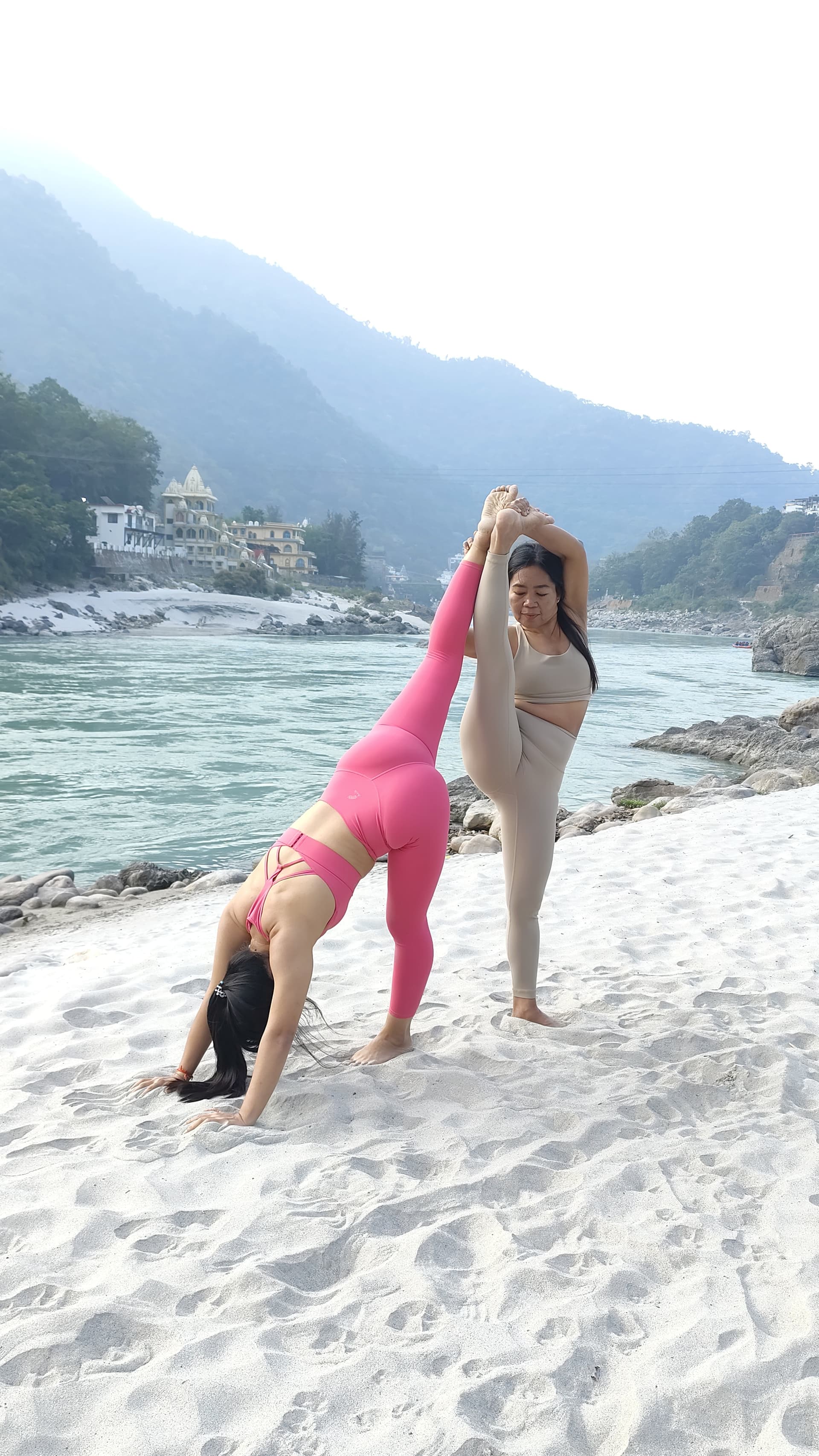
4. पीक पोज़ या पीक सीक्वेंस (5-10 मिनट)
पीक क्लास का सबसे चुनौतीपूर्ण या जटिल हिस्सा है, ऊर्जा-चाप का शिखर। इससे पहले का सब कुछ शरीर और मन को इसी क्षण के लिए तैयार करता है।
5. कूल-डाउन और ज़मीन के आसन (10-15 मिनट)
पीक के बाद बैठे हुए आसनों, हिप ओपनर, हल्के ट्विस्ट और आगे झुकने वाले आसनों से तीव्रता धीरे-धीरे कम करें। गहरी स्ट्रेचिंग यहीं सबसे प्रभावी होती है, क्योंकि शरीर पूरी तरह गर्म होता है।
6. शवासन और समापन (5-10 मिनट)
शवासन को कभी जल्दबाज़ी में न करें और न ही छोड़ें। यहीं तंत्रिका-तंत्र अभ्यास के लाभों को समाहित करता है। कम से कम 5 मिनट की सलाह दी जाती है; 60 मिनट की क्लास के लिए 10 मिनट आदर्श हैं।
शुरुआती विन्यास सीक्वेंस (60 मिनट)
यह सीक्वेंस विन्यास में नए छात्रों के लिए उपयुक्त है। इसमें स्पष्ट ट्रांज़िशन, बुनियादी अलाइनमेंट और मध्यम गति पर ज़ोर है।
आरंभ (7 मिनट)
पालथी मारकर बैठें। श्वास-जागरूकता के तीन चक्र। संकल्प लें। बैठकर हल्के साइड बेंड और ट्विस्ट।
वार्म-अप (12 मिनट)
- कैट-काउ: श्वास के साथ 8 चक्र
- टेबलटॉप से बालासन (चाइल्ड्स पोज़) फ्लो: 5 चक्र
- अधो मुख श्वानासन में पैरों की पैडलिंग: 1 मिनट
- सूर्य नमस्कार A (चतुरंग में घुटने ज़मीन पर रखकर संशोधित): 3 चक्र
खड़े आसनों का सीक्वेंस (18 मिनट)
- वीरभद्रासन I (वॉरियर I) - हर तरफ 5 श्वास रोकें
- वीरभद्रासन II (वॉरियर II) - हर तरफ 5 श्वास रोकें
- त्रिकोणासन - हर तरफ 5 श्वास रोकें
- प्रसारित पादोत्तानासन (पैर फैलाकर आगे झुकना) - 8 श्वास रोकें
- वृक्षासन (ट्री पोज़) - हर तरफ 5-8 श्वास रोकें
- दोनों पक्षों के बीच आधे सूर्य नमस्कार से जोड़ें
पीक: वीरभद्रासन III (8 मिनट)
तैयारी के साथ वीरभद्रासन III की ओर बढ़ें: ताड़ासन में एक पैर पर संतुलन, बाँहें फैलाकर हाई लंज, फिर पूर्ण वीरभद्रासन III। संशोधन के रूप में दीवार का सहारा दें। हर तरफ 5 श्वास रोकें।
कूल-डाउन (10 मिनट)
- पश्चिमोत्तानासन (बैठकर आगे झुकना): 1 मिनट
- लेटकर फिगर-4 स्ट्रेच (हिप ओपनर): हर तरफ 1 मिनट
- लेटकर स्पाइनल ट्विस्ट: हर तरफ 1 मिनट
- अपानासन (घुटने छाती से): 30 सेकंड
शवासन (7 मिनट)
निर्देशित बॉडी-स्कैन विश्राम से मौन तक।