If you have ever wondered what happens when ancient yoga philosophy meets modern fitness intensity, the answer is power yoga. Rapidly growing in popularity across studios worldwide, power yoga benefits extend far beyond the calorie burn and sculpted muscles that first attract most practitioners. It is a vigorous, fitness-based approach to Vinyasa-style yoga that builds strength, flexibility, and mental resilience in equal measure. At Swaastik Yog School in Rishikesh, we teach power yoga alongside traditional Hatha and Ashtanga, giving our students a complete understanding of how this dynamic practice fits within the broader yoga tradition.
In this guide, we explore what power yoga is, how it differs from classical styles, the full spectrum of power yoga benefits for body and mind, a sample workout sequence, and important considerations for those thinking about starting.
What Is Power Yoga and How Did It Originate?
Power yoga emerged in the late 1980s and early 1990s, primarily through the work of two American yoga teachers: Bryan Kest in Los Angeles and Beryl Bender Birch in New York. Both were deeply trained in Ashtanga Vinyasa Yoga under the legendary K. Pattabhi Jois in Mysore, India, and sought to make the intensity and athleticism of Ashtanga more accessible to Western practitioners.
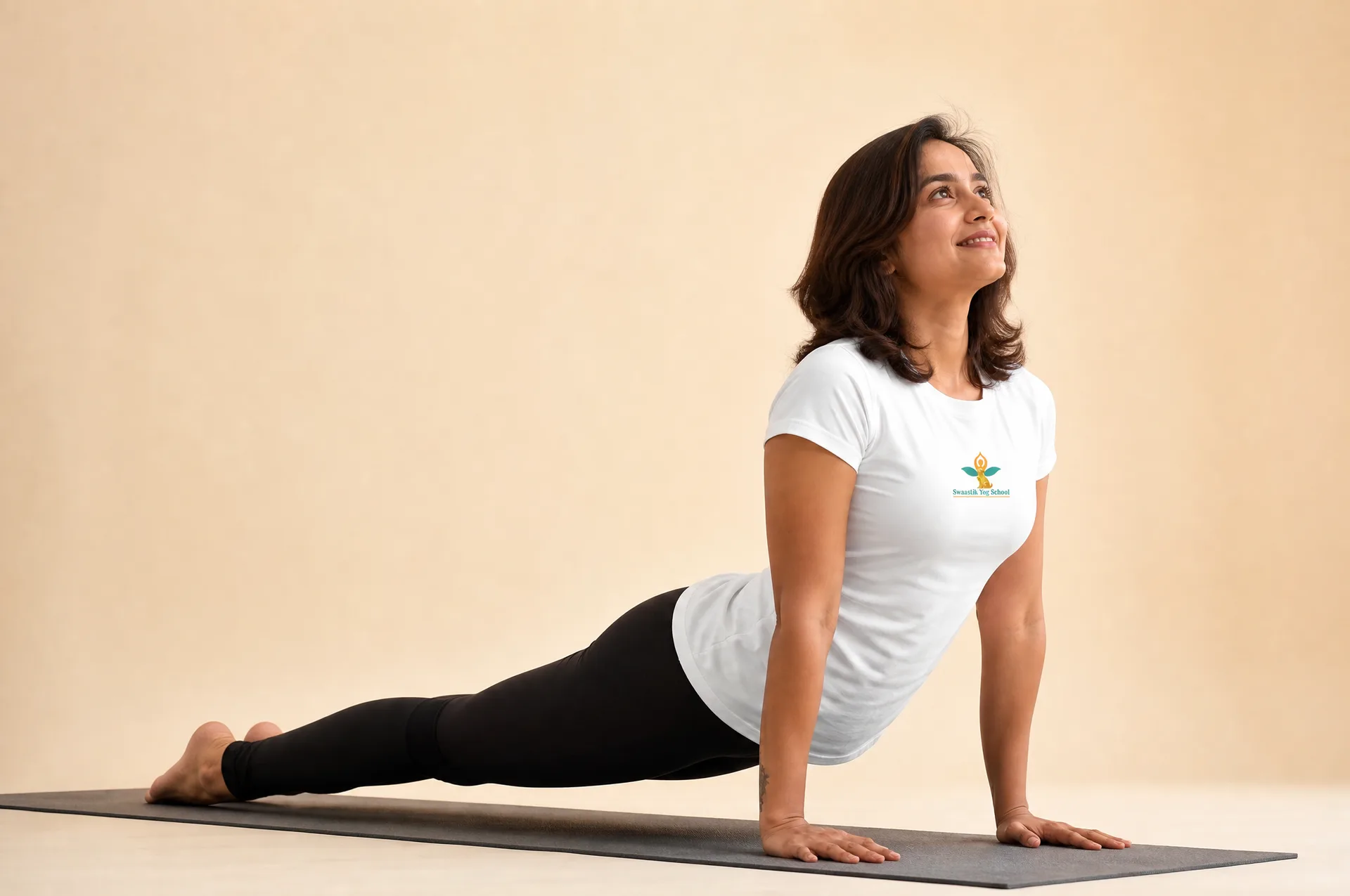
Unlike Ashtanga, which follows a fixed sequence of poses, power yoga gives teachers the freedom to design their own sequences while retaining the breath-synchronized movement, continuous flow, and physical intensity that define Ashtanga. The result is a practice that feels like a workout but retains the mindfulness, breathwork, and meditative quality of traditional yoga.
Power Yoga vs. Traditional Yoga Styles
Understanding the differences helps you determine which approach serves your goals best:
- Power Yoga vs. Hatha: Hatha yoga involves holding individual poses for extended periods with rest between them. Power yoga links poses together in a flowing sequence with minimal rest, keeping your heart rate elevated throughout.
- Power Yoga vs. Ashtanga: Ashtanga follows a predetermined sequence that never changes. Power yoga borrows Ashtanga's intensity but allows teachers to create varied sequences targeting specific muscle groups or themes.
- Power Yoga vs. Vinyasa: All power yoga is Vinyasa, but not all Vinyasa is power yoga. Vinyasa classes can range from gentle to intense. Power yoga is always on the intense end of that spectrum.
- Power Yoga vs. Yin: These are polar opposites. Yin involves passive, long-held floor poses targeting connective tissue. Power yoga is active, dynamic, and targets muscles. Many practitioners benefit from including both in their weekly routine.
Physical Benefits of Power Yoga
The power yoga benefits for the physical body are substantial and well-documented. Here is what you can expect with regular practice.
Calorie Burn and Weight Management
A 60-minute power yoga session burns approximately 300 to 500 calories depending on your body weight and the intensity of the class. This places it on par with moderate-intensity activities like brisk walking or cycling. Unlike many cardio exercises, however, power yoga continues to burn calories after the session ends due to the excess post-exercise oxygen consumption (EPOC) effect triggered by the muscle-building component.
For weight management, power yoga offers a unique advantage: it simultaneously builds lean muscle mass, which increases your basal metabolic rate, meaning you burn more calories at rest even on days you do not practice.
Full-Body Strength Building
Power yoga is essentially bodyweight strength training performed with mindful awareness and breath coordination. Poses like Chaturanga Dandasana (low plank) build chest, shoulder, and tricep strength comparable to push-ups. Chair Pose (Utkatasana) targets the quadriceps and glutes with an intensity that rivals wall sits. Boat Pose (Navasana) develops deep core strength. Arm balances like Crow Pose build wrist, forearm, and shoulder stability.
The continuous flowing nature means muscles spend extended time under tension, which is one of the most effective stimuli for muscular hypertrophy and endurance. You will not develop the bulk of a bodybuilder, but you will build the functional, balanced strength of a gymnast.
Cardiovascular Fitness
Research published in the Journal of Physical Activity and Health found that power yoga raises heart rate to levels consistent with moderate-intensity cardiovascular exercise. The continuous flow from pose to pose, combined with breath-driven transitions, creates an aerobic demand that strengthens the heart, improves lung capacity, and enhances overall cardiovascular efficiency.
Flexibility and Mobility
While power yoga emphasizes strength more than styles like Yin or Hatha, the dynamic movements through a full range of motion progressively increase flexibility. The warmth generated by the vigorous practice allows muscles and connective tissue to stretch more safely and effectively than in static, cold stretching.
Balance and Coordination
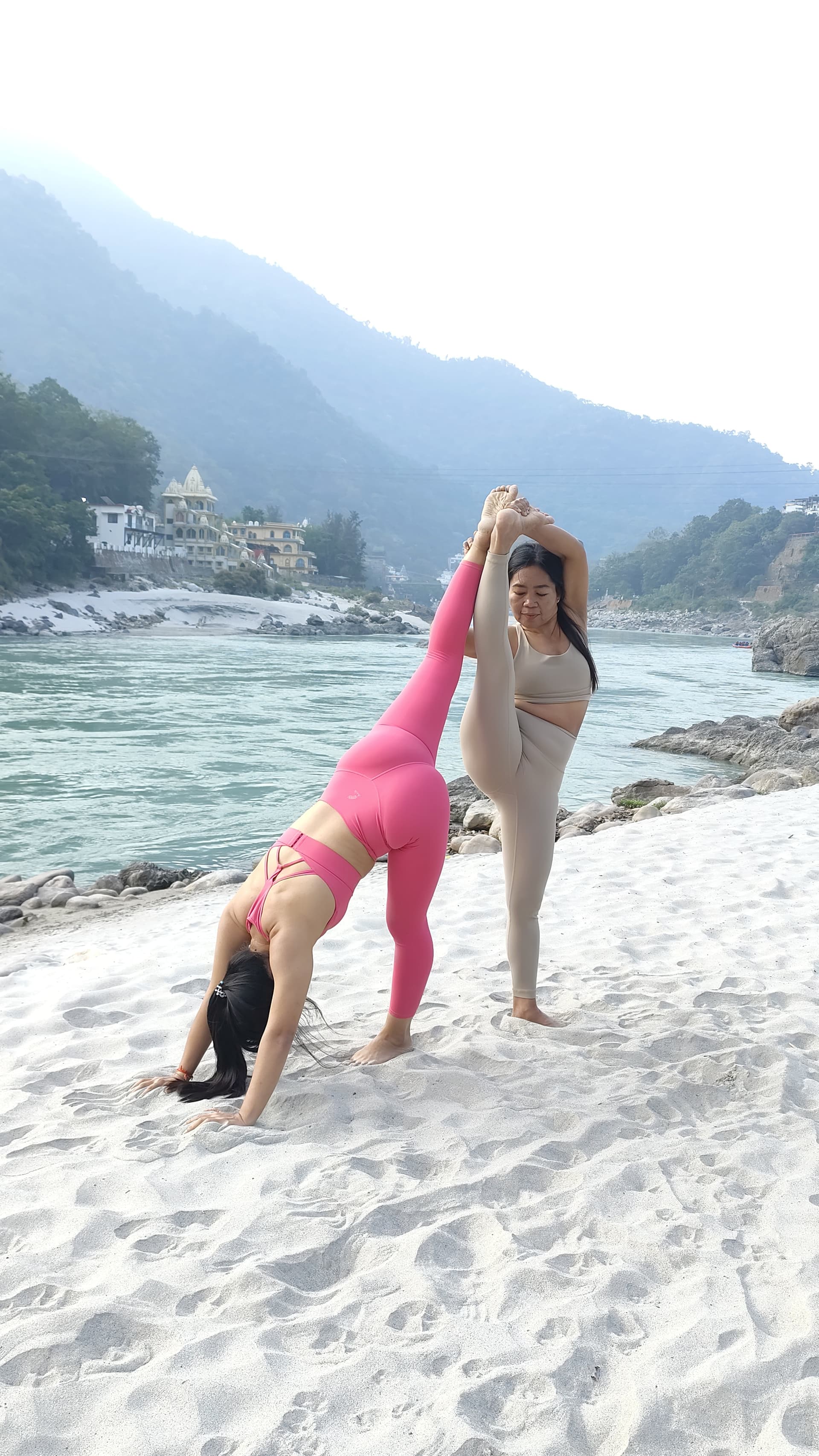
Standing balance poses like Warrior III, Half Moon, and Eagle Pose are staples of power yoga sequences. These poses challenge your proprioception (your body's sense of its position in space) and develop the neuromuscular coordination that protects against falls and improves athletic performance in every other physical activity.