Back to Blog
Practice

How to Choose the Right Yoga Style for You

· Updated
Share this post:
How to Choose the Right Yoga Style for You

Hatha, Vinyasa, Ashtanga, Yin, Iyengar, Kundalini, Aerial or Restorative? Compare pace and intensity side by side, then take a quick quiz to find your style.

Quick answer: which yoga style is right for you?

The right yoga style depends on three things: how much intensity you want, how much structure you like, and what you want yoga to do for you. Beginners and anyone wanting a balanced practice usually do best with Hatha; people who like to sweat and move tend to enjoy Vinyasa or Ashtanga; and people who are stressed, stiff or recovering often get more from Yin or Restorative. Try two or three styles before you decide, because the teacher matters as much as the style.

  • New to yoga: start with Hatha or Iyengar for clear alignment and a slower pace.
  • Want a workout: try Vinyasa or Ashtanga.
  • Want to calm down: try Yin, Restorative or a gentle Hatha class.
  • Want something playful: try Aerial yoga, ideally with a trained teacher.
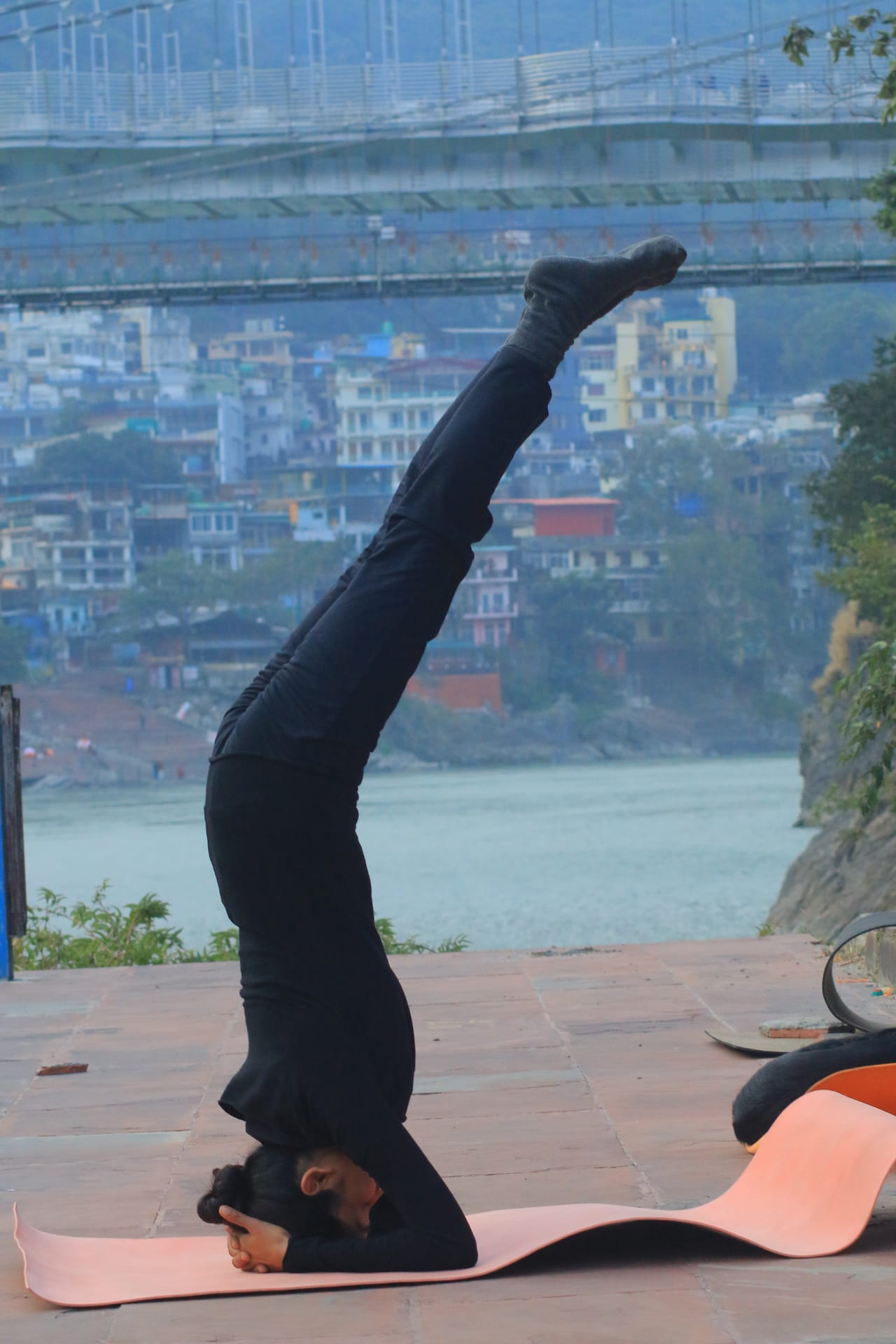
Choosing Yoga Style

Hatha, Vinyasa, Ashtanga, Iyengar, Yin: if you are new to yoga, the names can make every studio timetable look like a puzzle. Most styles share the same roots in Hatha Yoga and many of the same postures. What really changes is the pace, how long you hold each pose, how much you sweat and how much attention goes to breath and stillness. This guide compares eight common styles side by side and ends with a short quiz to help you choose.

How do the main yoga styles compare?

The table below compares eight popular styles by pace, intensity and the kind of person each one tends to suit.

StylePaceIntensityWhat a class feels likeOften suits
HathaSlow to moderateLow to mediumPostures held for several breaths, plus breathing and relaxationBeginners, all-rounders, anyone wanting a balanced practice
VinyasaModerate to fastMedium to highFlowing sequences linked to the breath; varies from class to classPeople who like movement, music and variety
AshtangaFast and steadyHighThe same set sequence every time, with a strong breath rhythmDisciplined, athletic people who like routine
IyengarSlowLow to mediumPrecise alignment, often with blocks, belts and chairsDetail-lovers, beginners, people working around stiffness or old injuries
YinVery slowLow (but deep)Floor poses held for 3 to 5 minutes to target connective tissueStiff or stressed people, athletes needing balance
KundaliniVariedLow to mediumRepetitive movements, breathwork, chanting and meditationPeople drawn to the spiritual and energetic side
AerialModerateMediumPoses supported by a soft fabric hammock, including inversionsPlayful, curious people; those wanting supported inversions
RestorativeVery slowVery lowA few fully supported poses on bolsters and blanketsAnyone exhausted, anxious, or in gentle recovery
Find din uddannelse

Usikker på, hvilken uddannelse der passer til dig?

Vi har gjort det nemt at sammenligne. Se alle læreruddannelser, retreats og klasser side om side – med aktuelle startdatoer, priser og værelsestyper – samlet på én side.

  • Filtrér efter måned
  • Filtrér efter budget
  • Filtrér efter værelsestype
Sammenlign alle uddannelserTager 30 sekunder · ingen tilmelding nødvendig

What is each yoga style best for?

Hatha yoga

Hatha is the broad, traditional foundation from which most modern styles grew. A typical class combines postures, pranayama and a final relaxation. It is the most useful first style because you learn the basic shapes slowly enough to understand them.

Vinyasa and Ashtanga

Both link breath to movement. Ashtanga follows a fixed series, so you can measure progress clearly; Vinyasa changes every class, so it rarely gets boring. Both can be tough on wrists and shoulders, so learn the basics of Sun Salutations before joining a fast class.

Iyengar

Iyengar yoga focuses on precise alignment and uses props so that everyone can work safely. It suits people who like to understand exactly what they are doing, and is often a good fit if you have stiffness or are returning after an injury, with your doctor's agreement.

Yin and Restorative

Both are slow, but they are different. Yin asks you to stay in a mild stretch for minutes at a time; Restorative supports your body so completely that there is almost no stretch at all. Yin builds patience and range of movement. Restorative is closer to guided rest.

Kundalini

Kundalini classes use repeated movements, strong breathing, chanting and meditation. If you want yoga mainly as a spiritual practice, it may appeal. If you have high blood pressure, a heart condition or epilepsy, ask about the breathing practices before you join, as some are vigorous.

Aerial yoga

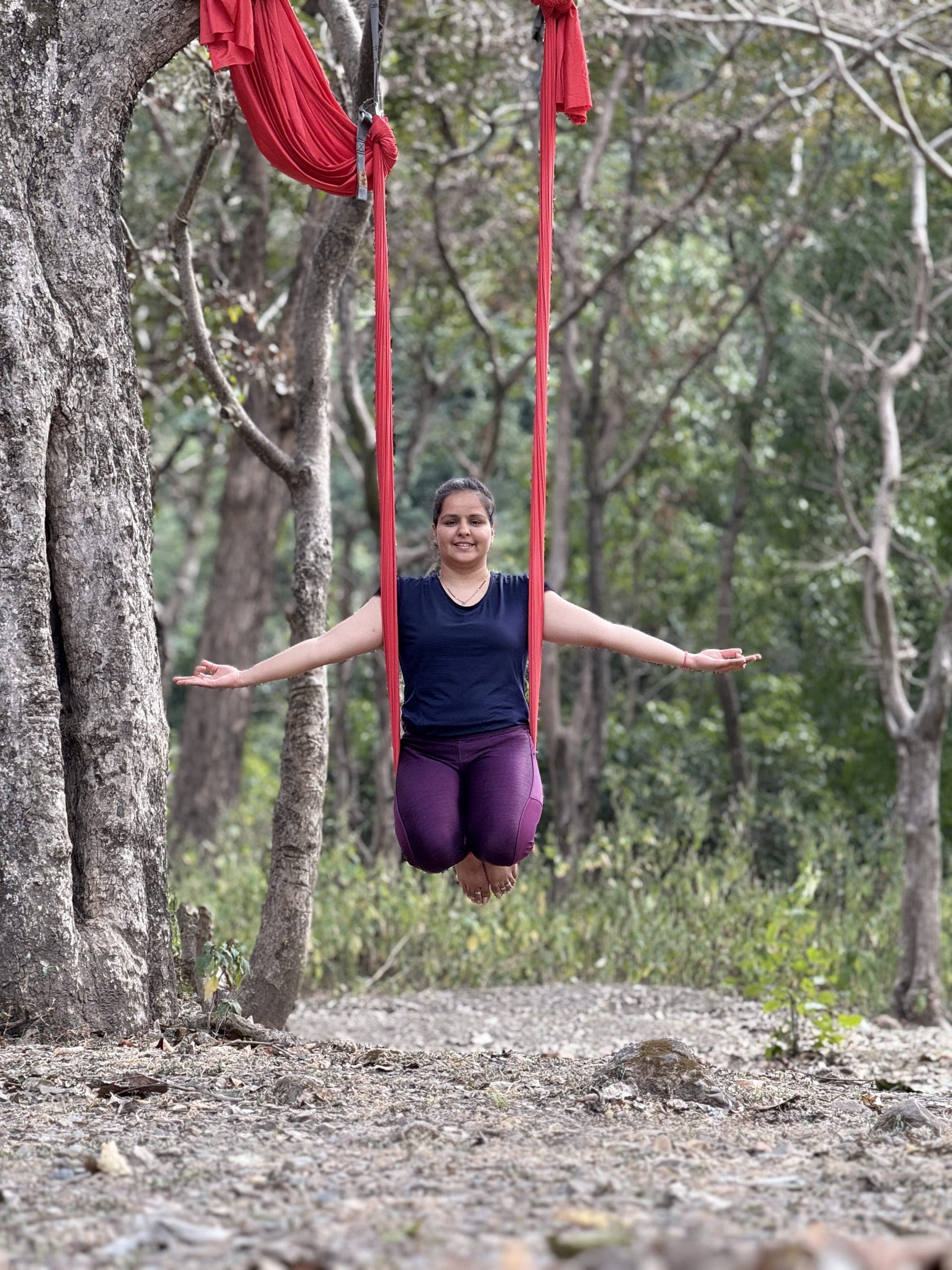
Aerial yoga uses a soft hammock hung from the ceiling to support you in poses and inversions. Many students find it fun and freeing. Inversions are not suitable for everyone: check with your doctor first if you are pregnant or have high blood pressure, glaucoma, a heart condition, or recent head, neck or eye surgery.

Quick quiz: which yoga style fits you?

Answer these five questions and keep track of your letters.

  1. After class, you want to feel: (a) balanced, (b) sweaty and strong, (c) deeply calm, (d) light and playful.
  2. Your fitness right now is: (a) average, (b) quite fit, (c) low or recovering, (d) average and curious.
  3. You prefer: (a) clear instructions, (b) a challenge, (c) slowness and quiet, (d) something new.
  4. Your main goal is: (a) learning yoga properly, (b) strength and stamina, (c) stress relief and flexibility, (d) fun and confidence.
  5. Routine or variety? (a) a bit of both, (b) a fixed routine or a strong flow, (c) whatever feels gentle today, (d) variety.
  • Mostly (a): start with Hatha or Iyengar.
  • Mostly (b): try Vinyasa or Ashtanga, after a few foundation classes.
  • Mostly (c): try Yin or Restorative, and add some gentle Hatha for strength.
  • Mostly (d): try Aerial yoga, with Hatha alongside it to build the basics.

Most people end up mixing styles: for example, a strong Vinyasa practice twice a week balanced with one Yin class.

Tips for trying a new yoga style

  • Take at least two or three classes before deciding. One teacher on one day is not the whole style.
  • Tell the teacher about injuries, pregnancy or health conditions before class starts.
  • Look for small classes where the teacher can actually see and correct you.
  • Ignore the hype. No style is better in general. The best one is the one you will keep doing safely.

Trying yoga styles in Rishikesh

At Swaastik Yog School in Tapovan, Rishikesh, our daily drop-in classes let you try different styles with experienced teachers before you commit to anything longer. We are a women-led, Yoga Alliance registered school (RYS 200, 300 and 500), founded in 2015 by Mayuri Shewale, E-RYT 500, and we keep our teacher training batches to a maximum of 12 students. You can compare all our programmes, including Hatha-based teacher trainings and aerial yoga, on our courses page.

Next step

Not sure yet? Come to one of our drop-in classes in Tapovan and try a style in person. If the hammock appeals to you, read about our aerial yoga teacher training.

Ready to Start Your Yoga Journey?

Join our Yoga Alliance certified teacher training in Rishikesh — or just ask us a question. We reply to every message personally.

About the Author

Rahul Badoni, Co-Founder & Philosophy Teacher at Swaastik Yog School

Rahul Badoni

Co-Founder & Philosophy Teacher

E-RYT 500 · 15+ years teaching

Rahul Badoni teaches Yoga Philosophy, Ashtanga Yoga, Meditation at Swaastik Yog School in Rishikesh, sharing 15+ years of hands-on experience with students from around the world.

Related Articles

Difference Between Hatha and Vinyasa Yoga Explained

Difference Between Hatha and Vinyasa Yoga Explained

Hatha vs Vinyasa yoga: detailed comparison of pace, physical demands, breathing, benefits, and which style suits your goals.

Read More
Ashtanga Yoga for Beginners: Complete Guide

Ashtanga Yoga for Beginners: Complete Guide

Start your Ashtanga yoga journey. Learn about the 8 limbs, Primary Series, how to begin, common mistakes, and benefits of this powerful practice.

Read More
Benefits of Aerial Yoga: Complete Guide

Benefits of Aerial Yoga: Complete Guide

Discover the physical and mental benefits of aerial yoga. Spinal decompression, flexibility, strength, stress relief, and who can practice it.

Read More

Har du spørgsmål? Kontakt os!

Uanset om du er interesseret i vores yogalæreruddannelser, retreats eller drop-in klasser, hjælper vi dig gerne på din yogarejse. Udfyld formularen, eller chat direkte med os på WhatsApp.

Vi svarer inden for 24 timer · 4.8★ fra 138 Google-anmeldelser